Skip to contentSkip to navigation
Guide&Travel
Favorites (0)
Sign InSign up
Guide&Travel

In-depth city guides — compare destinations, plan your budget, and discover what's nearby. In 12 languages.

support@guideandtravel.com
Bulgaria

Explore

  • Cities
  • Places
  • Events & Key Dates

General Information

  • About Flights
  • About Car Rental
  • About Travel Insurance
  • About SIM Cards
  • About Visas

Tools

  • City Comparison
  • Packing List

Support

  • Help Center
  • Contact Us
  • FAQ

Company

  • About Us
  • Blog
  • Sponsorship

Subscribe to our Newsletter

Get travel tips, exclusive deals, and inspiration delivered to your inbox.

© 2026 GuideAndTravel. All rights reserved.

Privacy PolicyTerms of ServiceCookie PolicyImage Credits
Food & Drink — Istanbul
CitiesIstanbulFood & Drink

Food & Drink in Istanbul

Local cuisine, must-try dishes, signature restaurants, and the food culture you should know.

In Istanbul, food is the common language that sets the rhythm of every hour. The day opens with a sesame-crusted simit (sesame bread ring) and a glass of tea beside the ferry pier, carries on with a counter of home-style stews at lunchtime, and ends around a meyhane (traditional tavern) table where small plates and aniseed raki stretch an evening into the small hours. Nothing here belongs to a single region: palace refinements, anchovies from the Black Sea, spiced grills from the southeast, olive-oil vegetables from the Aegean and fish pulled out of the Bosphorus all share one table.
That variety comes from centuries as a capital, a port and a destination for newcomers. Hundreds of cooks once worked in the kitchens of Topkapi Palace while the bazaars traded spices, coffee and sweets, and every community that settled in the city left recipes in neighbourhood restaurants and family kitchens. The result is a layered food scene that includes confectioners founded in the 1700s as well as modern restaurants listed in the Michelin Guide.

This page gathers what you need in fifteen focused sections: the famous dishes, street food, historic addresses, breakfast, meyhane culture, protected local products, vegan, halal and gluten-free eating, coffee and sweets, plus ways to avoid tourist traps. Opening hours and menus change over time, so check a venue's current details before you set out.

Typical food & drink prices in Istanbul

Last updated: November 10, 2026.Prices are reviewed and refreshed at least once a month.

Average meal cost (per person)

Breakfast
TRY 350
Lunch
TRY 350
Dinner
TRY 750

Common items

Breakfast

  • Simit (Sesame Bread Ring)TRY 30
  • Menemen (Turkish Scrambled Eggs with Tomato and Pepper)TRY 250
  • Sucuklu Yumurta (Fried Eggs with Spicy Sausage)TRY 280
  • Serpme Kahvaltı (Turkish Breakfast Spread, per Person)TRY 650

Lunch

  • Döner Dürüm (Döner Kebab Wrap)TRY 130
  • Balık Ekmek (Grilled Fish Sandwich)TRY 175
  • Lahmacun (Thin Turkish Meat Flatbread)TRY 110
  • Kuru Fasulye and Rice (White Bean Stew)TRY 260
  • Köfte Ekmek (Grilled Meatball Sandwich)TRY 200

Dinner

  • İskender Kebap (Döner over Bread with Tomato Sauce and Yogurt)TRY 550
  • Adana Kebap (Spicy Minced Lamb Skewer)TRY 420
  • Mantı (Turkish Dumplings with Yogurt)TRY 320
  • Hünkâr Beğendi (Lamb Stew on Smoked Eggplant Purée)TRY 480
  • Izgara Levrek (Grilled Sea Bass)TRY 750

Snacks

  • Midye Dolma (Stuffed Mussels, 5 Pieces)TRY 110
  • Kokoreç (Seasoned Grilled Lamb Intestine Sandwich)TRY 230
  • Islak Hamburger (Taksim "Wet" Burger)TRY 90
  • Kumpir (Loaded Baked Potato)TRY 250
  • Kestane (Roasted Chestnuts)TRY 150

Desserts

  • Baklava (Pistachio Baklava, 4 Pieces)TRY 350
  • Künefe (Hot Cheese Pastry with Syrup)TRY 260
  • Sütlaç (Baked Rice Pudding)TRY 160
  • Maraş Dondurması (Stretchy Turkish Ice Cream)TRY 130

Other

  • Çay (Turkish Tea)(drink)TRY 40
  • Türk Kahvesi (Turkish Coffee)(drink)TRY 120
  • Ayran (Salted Yogurt Drink)(drink)TRY 45
  • Taze Nar Suyu (Fresh Pomegranate Juice)(drink)TRY 130
  • Efes Pilsen (Local Lager, 50 cl)(drink)TRY 200

Approximate prices, updated periodically. Actual costs may vary.

Highlights

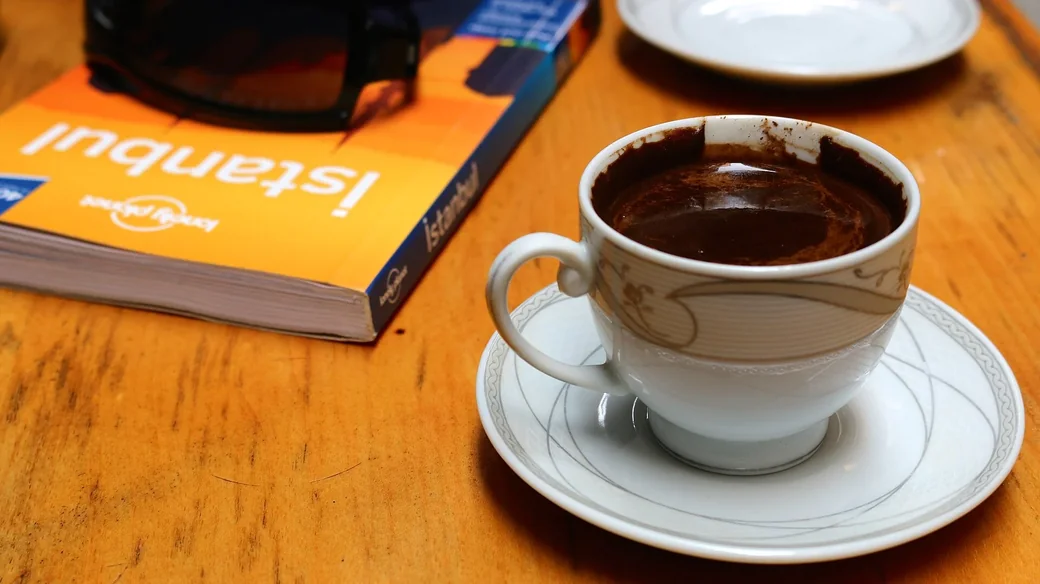
Mandabatmaz, serving Turkish coffee since 1967, is a tiny café in a side alley off Istiklal Avenue in Beyoglu, famed for its thick, velvety foam.

Café & Coffee

Mandabatmaz

4.6€
Directions

The name means roughly a buffalo would not sink in it, which tells you what the coffee is like: thick enough to hold the foam steady on top. The shop is a single narrow room in a passage off İstiklal, with a few low stools and a copper pot on the heat all day. Order sade, without sugar, or az şekerli, lightly sweetened, and let the grounds settle before the first sip. Nothing else is really the point here. Open from half past nine in the morning until late evening.

Mandabatmaz, serving Turkish coffee since 1967, is a tiny café in a side alley off Istiklal Avenue in Beyoglu, famed for its thick, velvety foam.

Grill & kebab

Tarihi Sultanahmet Köftecisi Selim Usta

4.1€
Directions

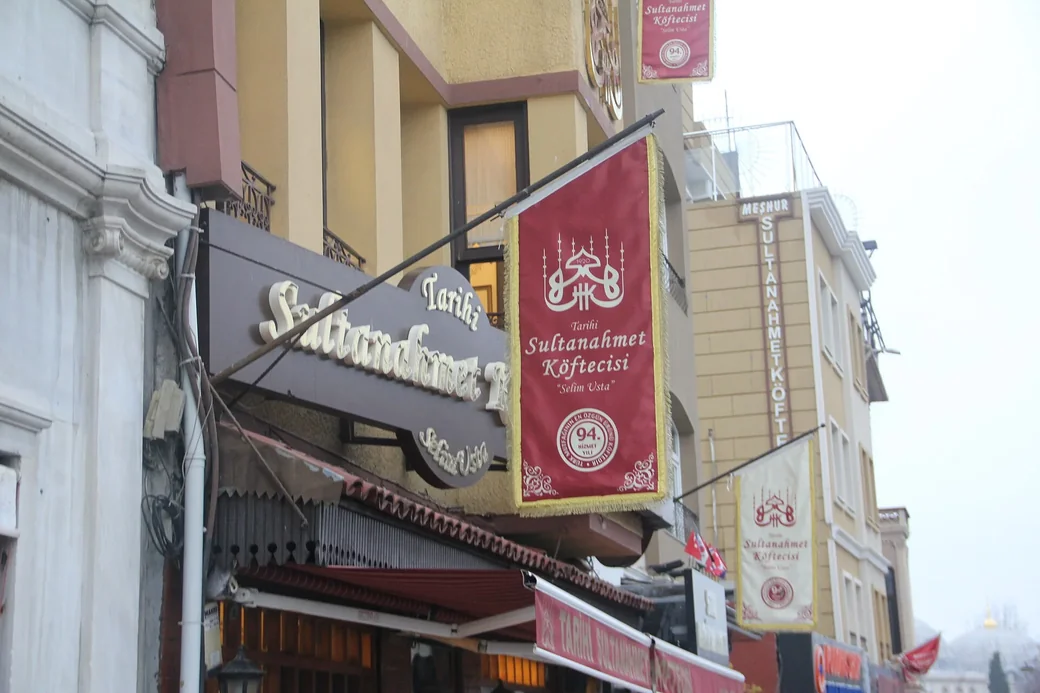
Open on Divanyolu since 1920, this place grills one thing and has never seen a reason to add more. The menu is köfte (grilled lamb and beef meatballs), piyaz (a white bean salad dressed with olive oil and onion), a bowl of bean soup and semolina halva to finish. Order, eat, leave: the turnover is quick and the room is plain. Several shops nearby trade under confusingly similar names, so check that you are at number 12 on Divanyolu. Open every day, a two-minute walk from Hagia Sophia.

TURK FATİH TUTAK

Regional & traditional

TURK FATİH TUTAK

4.7€€€€
Directions

Chef Fatih Tutak cooked his way across Asia for a decade before coming home and opening this restaurant on a quiet Şişli back street. It is the only two-star restaurant in Istanbul, and the 2026 guide added a Green Star for its sourcing. The tasting menu takes Anatolian recipes apart and rebuilds them: fermented grains, Black Sea anchovy, small-producer lamb, Aegean olive oil. Dinner opens with snacks in the courtyard, then moves inside past the open kitchen. Dinner only, Tuesday to Saturday, and booking well ahead is essential.

Pandeli

Regional & traditional

Pandeli

4.3€€
Directions

Pandeli has been serving lunch above the main gate of the Spice Bazaar since 1901, and the climb up its narrow staircase is part of the experience. The dining rooms are lined floor to ceiling in turquoise tiles, with arched windows looking down on the Eminönü crowds. The cooking is old Istanbul rather than kebab-house standard: lamb shank cooked until it falls apart, topik (a Levantine chickpea and onion starter), stuffed vegetables, kazandibi for dessert. It closes at seven and all day Sunday, so plan it as a long lunch.

Kadıköy Midyecisi

Street Food

Kadıköy Midyecisi

4.7€
Directions

Istanbul eats midye dolma (mussels stuffed with spiced rice) standing up, off a tray, with a squeeze of lemon, and this counter in the back streets of Kadıköy is where the city does it best. You order by the piece, plain or spiced, and keep going until you stop counting. The fried mussels come hot and crisp, and the fish sandwich is a serious rival to the ones at Eminönü. Glasses of tea arrive on the house at the end. It stays open until three in the morning, four at weekends.

Mikla

Fine Dining

Mikla

4.4€€€€
Directions

Mikla sits on the top floor of a Pera hotel, and the view takes in the Golden Horn, the old city and the minarets beyond. Mehmet Gürs opened it in 2005 and spent years building what he calls the New Anatolian Kitchen: Turkish ingredients handled with Nordic restraint, since the chef was born in Finland to a Finland-Swedish mother. Expect smoked lamb, wild herbs, aged grains and a dessert built on buffalo yoghurt. The terrace bar fills at sunset, so come early for a drink before dinner. Closed Sundays; reserve ahead.

Neolokal

Regional & traditional

Neolokal

4.4€€€€
Directions

Neolokal occupies the upper floor of SALT Galata, the former Ottoman Bank headquarters on Bankalar Caddesi, and its windows face the old city across the water. Maksut Aşkar's cooking starts from recipes that were in danger of being forgotten and pushes them forward rather than preserving them under glass. The restaurant holds a Michelin Star and a Green Star, and its sommelier Ersin Topkara won the guide's 2026 Sommelier Award for a list built almost entirely on Turkish wine. Open for dinner, Tuesday to Saturday.

Hacı Abdullah

Regional & traditional

Hacı Abdullah

4.4€€
Directions

Open since 1888 on a side street off İstiklal, Hacı Abdullah is where Ottoman home cooking survived the century. Shelves of glass jars holding fruit preserves line the walls, waiters in waistcoats have worked here for decades, and the menu runs deep into dishes you rarely see on a restaurant list: vegetables braised in olive oil, stuffed dried aubergine, lamb with aubergine purée, quince poached until ruby red and served with clotted cream. No alcohol and no music, which keeps the room focused on the food.

Showing 8 of 30

What to Know Before You Go

The Identity of Istanbul Cuisine: Palace, Port and Migration

Istanbul's cooking draws on three sources. The first is the Topkapi Palace kitchens, where separate masters prepared soups, rice dishes, halva and pastries, and where recipes later drifted out into the city's restaurants and homes. The second is the port and its bazaars: spices, coffee and dried fruit passing through the Spice Bazaar widened the flavour vocabulary. The third is migration, since people arriving from the Black Sea, the Aegean, the southeast, Thrace and the Balkans brought their own dishes to neighbourhood tables. That is why one day can include olive-oil artichokes, anchovy pilaf and pistachio baklava. The Bosphorus adds its seasonal fish, bluefish, bonito and anchovy, which quietly set the city's eating calendar.

14 Must-Try Dishes and Drinks in Istanbul

Hunkar begendi is a palace dish of tender lamb served over a smoky aubergine and cheese purée. Imam bayildi is an aubergine stuffed with onion and tomato, cooked in olive oil and eaten cold. Karniyarik is a split aubergine filled with minced meat and served hot. Zeytinyagli yaprak sarma is a cold meze (small cold starter) of vine leaves wrapped around seasoned rice. Lakerda is a classic meze of salt-cured bonito slices, often served with raki. Lufer bugulama is Bosphorus bluefish gently steamed with vegetables, a dish of autumn. Sultanahmet kofte is a flat grilled meatball eaten with piyaz, a white bean salad. Kuru fasulye pilav is slow-cooked white beans served with rice, the symbol of a weekday lunch. Manti is tiny dumplings topped with garlicky yoghurt and a buttery sauce. Menemen is eggs scrambled with tomato and pepper in a pan. Lahmacun and pide are stone-oven flatbreads topped with minced meat or cheese. Mercimek corbasi is a plain lentil soup squeezed with lemon. Borek is layered pastry filled with cheese, spinach or mince. Ayran is a cooling drink of yoghurt whisked with water and salt, the usual partner of kebab and pide.

Istanbul Street Food Map: From Fish Sandwiches to Kokorec

Simit is a crisp sesame-covered ring of bread that goes with every morning tea. Balik ekmek is grilled fish in bread with onion and lettuce, the famous sandwich of the Eminonu and Karakoy waterfront. Midye dolma is a mussel stuffed with spiced rice and eaten with a squeeze of lemon. Midye tava is crisp fried mussels served with a garlicky tarator sauce. Kokorec is seasoned lamb offal grilled over charcoal, chopped and tucked into bread, a late-night classic. Islak hamburger is a small, soft burger steamed in garlicky tomato sauce, a Taksim icon. Tantuni is finely chopped beef fried in a pan and wrapped in lavash (thin flatbread), easy to find in the Kadikoy and Besiktas market districts. Kumpir is a giant baked potato stuffed with butter, cheese and dozens of toppings, the speciality of Ortakoy. Roasted chestnuts are a sweetish winter snack cooked over embers. Cig kofte is spiced bulgur kneaded into small rolls, now made without meat in most places and served with lettuce.

Historic Restaurants, Pastry Shops and Heritage Food Stops in Istanbul

Ali Muhiddin Haci Bekir (Haci: a title for someone who has made the pilgrimage to Mecca) has been the address for lokum (soft starch-and-sugar sweet) and sweets since 1777. Hafiz Mustafa, founded in 1864, is known for baklava, lokum and milk puddings. Kurukahveci Mehmet Efendi (“Mehmet Efendi the coffee roaster”; Efendi is an Ottoman title of respect) has sold roasted and ground coffee in Eminonu since 1871, and the queue outside is part of the ritual. Vefa Bozacisi has made boza (fermented millet drink) since 1876 and serves the warm, slightly sour drink with roasted chickpeas in winter. Haci Abdullah, open since 1888 in Beyoglu, serves home-style dishes in the palace tradition. Tarihi Sultanahmet Koftecisi has built its name on a single dish, kofte with piyaz, since 1920. Kanaat Lokantasi in Uskudar has represented the tradition of the tradesman's canteen since 1933. Pandeli is remembered for its blue-tiled dining room above the Spice Bazaar. Karakoy Gulluoglu has been rolling baklava in Karakoy since 1949, while Ciya Sofrasi in Kadikoy brings back half-forgotten regional recipes.

Breakfast in Istanbul: Serpme Spreads, Bosphorus Views and Van-Style Tables

Istanbul breakfast means the serpme spread, dozens of small plates arriving at once. White cheese and kasar (mild yellow cheese), olives, tomatoes and cucumbers, clotted cream with honey, jams, eggs with sucuk (spiced dry sausage), menemen, hot borek and simit make up the usual table. Tea in tulip-shaped glasses is refilled again and again. Along the Bosphorus at Bebek, Kurucesme and Ortakoy, breakfast with a sea view is a weekend ritual that can easily last for hours. Van-style breakfast rooms, famous for herb cheese, clotted cream and a long list of pan dishes, are loved across the city. If you are in a hurry, a tradesman's breakfast of simit, cheese, tomato and tea does the job.

Meyhane, Esnaf Lokantasi and Ocakbasi: Types of Restaurants in Istanbul

A meyhane is a long, unhurried table: you choose from a tray of meze, then continue with fish or meat. Haydari is strained yoghurt with garlic and mint, while fava is a cold purée of dried broad beans with dill. Raki is an aniseed spirit that turns milky when water is added, which is why people call it lion's milk. An esnaf lokantasi is a plain canteen where you point at the dishes in the counter, busiest at lunch with local workers. An ocakbasi is a grill counter where skewers and lahmacun are cooked in front of you. Good pairings include raki with white cheese and melon, tea with simit, ayran with kebab, boza with roasted chickpeas and coffee with lokum. To find places locals love, look for a lunchtime queue.

When to Eat in Istanbul and What to Eat Late at Night

Istanbul wakes early, and simit and tea are ready at piers and markets from the first hours of the morning. Weekend breakfast stretches toward midday. Lunch is usually around noon, and because esnaf lokantasi kitchens focus on the lunch trade, some close early in the afternoon. Dinner begins later in the evening, and meyhanes stay open late. If you get hungry at night, kokorec, tantuni and islak hamburger are around Beyoglu, Kadikoy and Besiktas. Iskembe corbasi is a tripe soup with garlic and vinegar, the traditional pick for people heading home in the small hours. Always check opening times before you go.

Protected Istanbul Products: Silivri Yoghurt, Sile Chestnut Honey and More

Istanbul has a short but delicious list of food products with geographical indication. Silivri yoghurt is made in Silivri, where heating the milk a second time forms a thick skin of cream on the surface. Sile chestnut honey comes from chestnut blossoms in the Sile forests, a dark, aromatic honey with a gentle bitterness, and it was the city's first protected food product. Bogazici bluefish is caught in the Bosphorus and takes centre stage on autumn tables. Istanbul simit is the sesame bread ring registered under the city's name. Catalca Ormanli rice grows on the Ormanli plain in the district of Catalca. You can find several of these at breakfast tables, fish restaurants and neighbourhood markets.

Vegan and Vegetarian Eating in Istanbul

Istanbul is easy for vegetarians because its tradition rests on vegetable cooking. Zeytinyaglilar, such as green beans, artichokes, borlotti beans in tomato and stuffed vine leaves, are vegetables slow-cooked in olive oil and served at room temperature, usually free of animal products. Most meze are vegan except fava with yoghurt-based sides and haydari, and lentil soup and meatless cig kofte are handy choices. Cheese or spinach pide and gozleme, thin dough cooked with vegetable or cheese filling, are everywhere. Long-established vegetarian restaurants such as Zencefil sit in Beyoglu, while vegan places gather in Cihangir and Kadikoy. Soups and rice can be made with meat stock or butter, so ask when you order.

Halal Dining in Istanbul: Meat, Alcohol and Ramadan Habits

Meat served in Istanbul restaurants is generally considered halal, and pork almost never appears on restaurant menus. Alcohol, on the other hand, is served in meyhanes, bars and many restaurants; for an alcohol-free table, ocakbasi grills, kebab houses, esnaf lokantasi canteens and pide places are easy choices. If you have a strict requirement, ask the waiter or the butcher directly; the question is entirely normal here. During Ramadan, iftar tables are laid at sunset and seasonal treats such as pide and gullac (dessert of starch sheets in rose milk) take the spotlight. In tourist districts it is easy to find restaurants open during the day as well.

Gluten-Free Eating in Istanbul: Coeliac-Friendly Options and Tips

Bread, bulgur, semolina and thin pastry sheets are the backbone of the Istanbul table, so borek, baklava, manti, pide, simit and flour-thickened soups all contain gluten. On the other side, grilled meat and fish, meze served without bread, olive-oil vegetables, salads, fava, yoghurt and rice pudding are naturally gluten-free. Rice pilaf often has vermicelli stirred in, so ask when ordering. Fully gluten-free venues in Kadikoy and pastry shops offering gluten-free baklava exist, though you should confirm the current situation first. Because of cross-contamination, people with coeliac disease should state their needs clearly. Saying "I have a gluten allergy" is usually understood by waiters.

Coffee and Tea in Istanbul: Cezve Coffee, Third Wave and Bosphorus Tea Gardens

Cezve coffee is finely ground coffee frothed in a small copper pot and served with its grounds in a tiny cup, a tradition recognised by UNESCO as cultural heritage. Reading fortunes from the grounds left in the cup is part of the conversation. Third wave coffee spread in the 2010s: Kronotrop in Cihangir, Coffee Sapiens in Karakoy, Montag in Kadikoy and Petra Roasting serve their own roasted beans as filter and espresso. Tea is the city's everyday breath, served in slim-waisted glasses in a rich rabbit-blood red and offered everywhere from tradesmen's shops to tea gardens. The tea gardens of Emirgan and Camlica are loved for their views. In winter boza and salep, a warm milk drink with orchid root and cinnamon, keep tea and coffee company.

Sweets, Pastry Shops, Ice Cream and Bread Culture in Istanbul

Baklava is layered thin pastry with pistachio or walnut, soaked in syrup. Kunefe is melted cheese between strands of shredded pastry, served hot. Sutlac is baked rice pudding, and kazandibi is a milk pudding with a caramelised base. Tavuk gogsu is a palace-era milk pudding made with shredded chicken breast. Lokum is a soft sweet of starch and sugar, flavoured with pistachio or rose. Maras-style ice cream, made with salep and mastic, is famous for its stretchy, chewy texture. Neighbourhood bakeries bake warm loaves and pide every day. During Ramadan, gullac, thin starch sheets soaked in rose-scented milk and topped with pistachio, and ramazan pidesi take over, and on holidays baklava and lokum are offered to guests.

Michelin Guide, Chefs, Cooking Classes and Food Shopping in Istanbul

The Michelin Guide covers Istanbul, and TURK Fatih Tutak, Mikla and Neolokal, all reinterpreting Anatolian cooking in modern ways, are among the city's best-known starred addresses. Good-value classics such as Karakoy Lokantasi, Yanyali Fehmi Lokantasi and Pandeli also appear in the guide. Chef Musa Dagdeviren champions regional cooking through Ciya Sofrasi and the magazine Yemek ve Kultur, and Marianna Yerasimos's book on Ottoman cuisine is a reference for historic recipes. For hands-on learning there are cooking schools and workshops such as Cooking Alaturka in Sultanahmet and Cookistan. The kitchen section of Topkapi Palace displays the imperial porcelain collection. For shopping, the Spice Bazaar, Kadikoy market and neighbourhood pazars are ideal for cheese, olives, spices and lokum.

Dining Etiquette, Tourist Traps and Practical Tips in Istanbul

In fish restaurants, fish is priced by weight rather than by portion, so it is normal to ask about the weight and pricing before ordering. Meze, bread and water that arrive without being requested may be charged, so check the bill. Places with touts at the door, multilingual photo menus or no prices are usually aimed at tourists, and Sultanahmet Square and the main stretch of Istiklal deserve extra care. With showman ice cream vendors, agree on the portion first. If a service charge is not already added at a restaurant, leaving a small percentage is customary. Tap water exists, but most locals drink bottled water. Neighbourhood restaurants are usually more filling and better value than tourist-facing ones.

Tours & Experiences in Istanbul

Skip-the-line tickets, small-group walks, and curated experiences.

All Tours in Istanbul

More about Istanbul

  • Arts & Culture
  • Fashion & Design
  • Entertainment & Activities
  • Nightlife & Entertainment