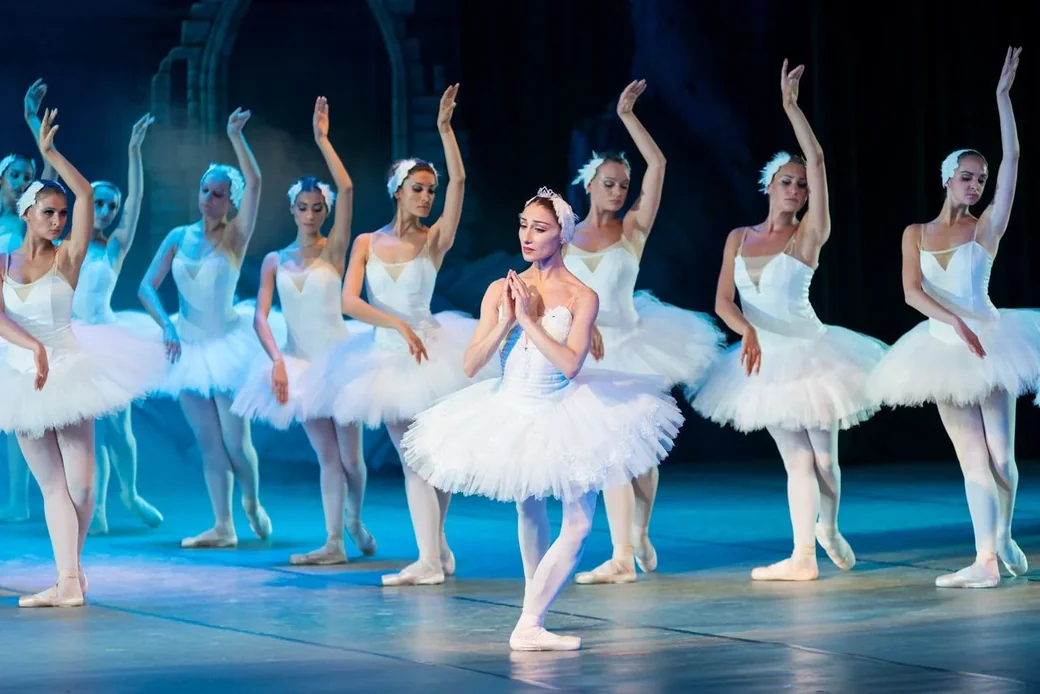
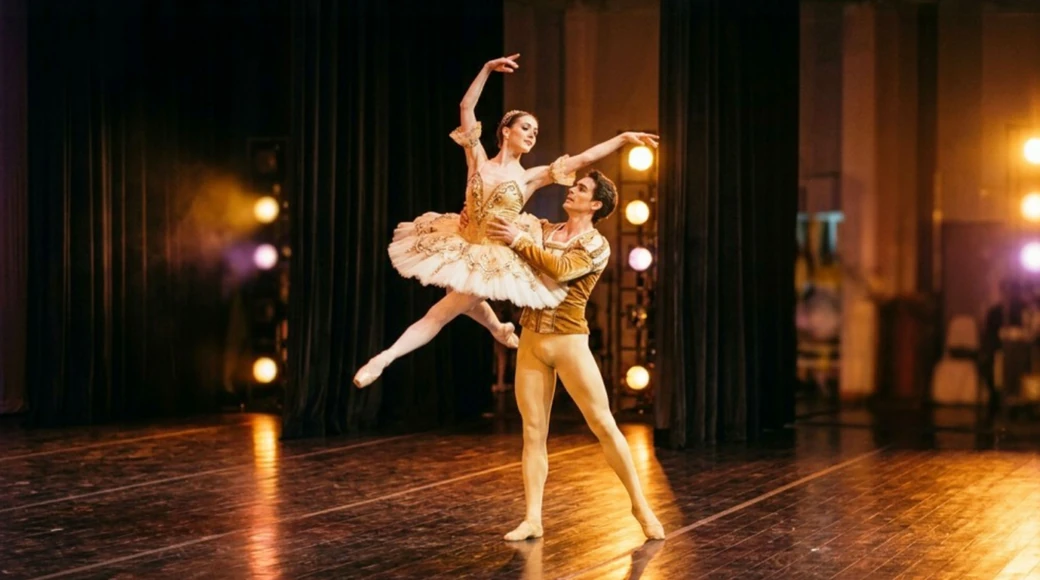
Bangkok's International Festival of Dance & Music, with dancers performing on a grand stage before a live orchestra in an elegant theater

Bangkok's International Festival of Dance & Music

BangkokDate pending↻ Annual
Duration:43 daysType:
Music, Stage & Performance Events
Admission:From 2000 THBLocationUsually in September

This year's date hasn't been announced yet

This annually recurring festival usually takes place in September. The exact date for this year hasn't been announced by the organiser yet. Please check back later follow the official website

One of Asia's largest performing arts festivals: six weeks of international opera, ballet, contemporary dance and orchestral concerts at Bangkok's Thailand Cultural Centre, held every September and October since 1999.

About This Festival

What Bangkok's International Festival of Dance & Music Is, and Why It Matters

Held every September and October at the Thailand Cultural Centre, this is one of Asia's largest festivals devoted to the performing arts. Its Thai name is มหกรรมศิลปะการแสดงและดนตรีนานาชาติ กรุงเทพฯ (Bangkok International Festival of Performing Arts and Music), and locals simply call it the Bangkok Festival. Organised by International Cultural Promotions with backing from the Tourism Authority of Thailand and the Ministry of Culture, it brings full opera productions, classical ballet companies, contemporary dance troupes, theatrical-circus shows and orchestral concerts to a single stage. For a city better known for street food and temples, it is Bangkok's most serious cultural season.
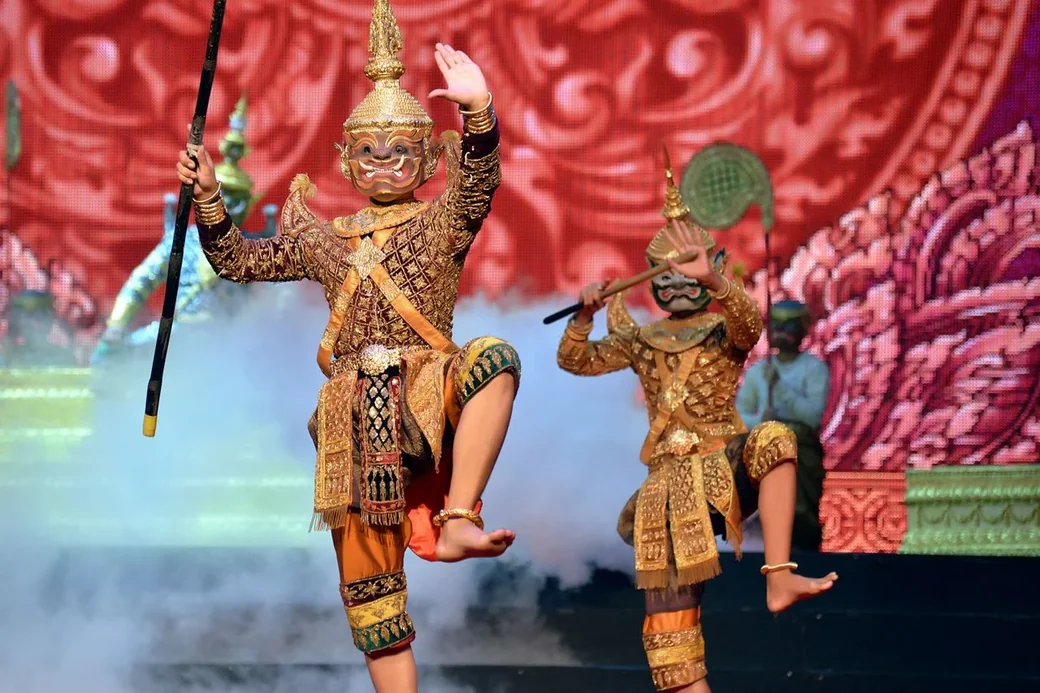
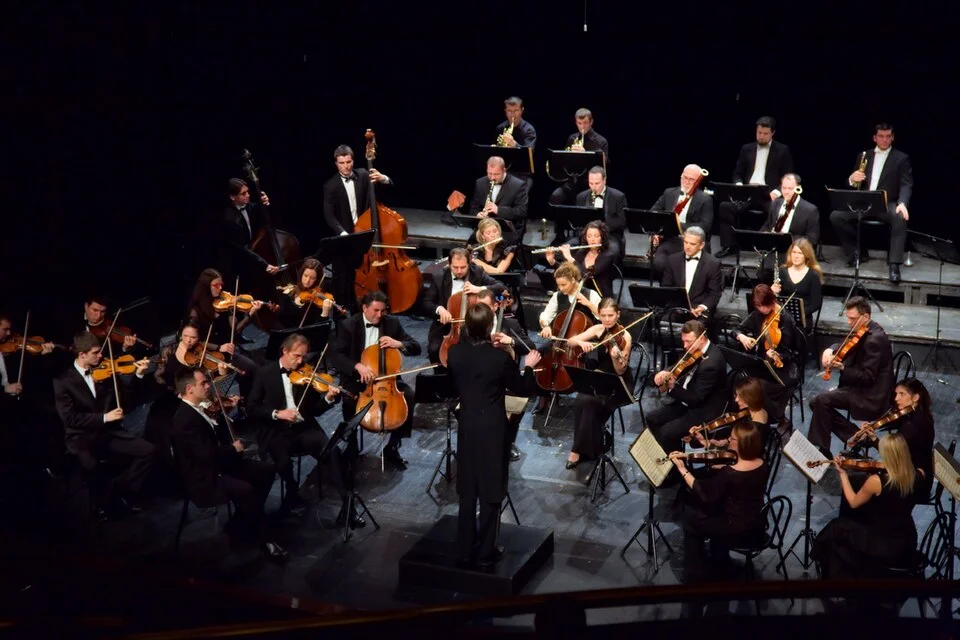
A Festival Born in 1999 Under Royal Patronage

The festival began in 1999 as a tribute marking the sixth cycle birthday (his 72nd, completing six twelve-year cycles) of His Majesty King Bhumibol Adulyadej. From its first edition until 2004, Princess Galyani Vadhana served as Honorary Chairperson, becoming its Royal Patron from 2004 until her passing. Since May 2008, Princess Maha Chakri Sirindhorn has held the role of Royal Patron. That continuity of royal support explains both the festival's longevity and the calibre of companies willing to travel to Bangkok for it. Its 28th edition took place in 2026, making it one of the longest-running international arts festivals in Southeast Asia.

When It Happens: Six Weeks, Scattered Dates, Mostly Evening Curtains

The festival occupies the same slot every year — early September through to mid-October, roughly six weeks. Crucially, there is no performance every night. Companies fly in, play one or two dates, and leave, so the calendar is a series of individual events spread across the period. Curtain is almost always in the evening, with the occasional Sunday matinee in the afternoon. Build your trip around the production you actually want to see rather than assuming any given evening will have something on.

The Venue: Thailand Cultural Centre and Its 2,000-Seat Main Hall

Every festival performance takes place in the Main Hall of the Thailand Cultural Centre in Huai Khwang. The complex was built with a grant from Japan and opened on 9 October 1987 as part of the celebrations for King Bhumibol's 60th birthday. The Main Hall seats around 2,000 and has a proper orchestra pit and fly tower, which is why full-scale opera and ballet can be staged here at all. The wider complex also holds a 500-seat Small Hall, a 1,000-seat outdoor amphitheatre, a cultural library and permanent exhibitions on Thai life. The hall was designed by the Japanese firm Kume Sekkei, and its acoustic consultants, Nagata Acoustics, list a volume of about 17,700 cubic metres and a reverberation time of about 1.6 seconds with a full house. The centre was founded in 1983 with Japanese assistance, opened in 1987, and is run today by the Department of Cultural Promotion of the Ministry of Culture; the grounds also hold a Japanese Pavilion and a Thai Pavilion.

Getting There by MRT — and the Ten-Minute Walk Nobody Warns You About

Take the MRT Blue Line to Thailand Cultural Centre station (BL19). The name is misleading: the venue is not attached to the station but sits about 600 metres away, a walk of roughly ten minutes. From the exit, turn right, then right again at the next major intersection; you cross one road by footbridge and another at a pedestrian crossing. Signage improves once you reach that first junction. There is a multi-storey park-and-ride at the station if you drive, but Ratchadaphisek Road clogs badly during the evening rush, so allow generous extra time in a taxi.

What a Typical Edition Programmes: Opera, Ballet, Dance Theatre and Concerts

Each season is deliberately mixed so that no two nights feel alike. A typical edition offers around a dozen productions drawn from more than ten countries: staged opera from European houses, full-length classical ballet, contemporary and hip-hop dance, dance theatre adapted from novels, theatrical-circus spectacles aimed at families, and orchestral or vocal concerts. That breadth is the point — the festival was designed as a survey of world performing arts for an audience that cannot easily travel to Vienna, Moscow or New York to see the same companies. The 2026 edition shows how that mix works in practice: twelve productions from nine countries, among them Romeo & Juliet and Cinderella from the Bolshoi Theatre of Belarus (Bolshoi means "grand" in Russian), Boris Eifman's Russian Hamlet, New York City Opera's Thai debut with Opera Goes to Hollywood, Coco Chanel by the National Theatre Brno of the Czech Republic, La Traviata and Madama Butterfly from Russia's Helikon Opera with a live orchestra, Sadeck Berrabah's Murmuration Level 2 from France, Deborah Colker Dance Company of Brazil in RITE set to Stravinsky's The Rite of Spring, and a circus-dance version of Alice in Wonderland.

How to Follow the Programme: Categories, Calendar and Booking Pages

The festival is a season of single nights rather than a daily schedule, so the official website is the best planning tool. Browse the programme by category — concert, acrobats, ballet, dance or opera — or switch to the calendar view to see at a glance which evenings have a performance. Each production has its own page with the date, curtain time, ticket tiers and a link to book, and a programme PDF can be downloaded to keep on your phone. Because most companies play only one or two dates, choose the production first and the night second. The line-up is normally announced in late spring or early summer, several months before the first curtain; to catch the announcement, follow the festival on social media (including LINE) or join its mailing list.

The Calibre of Names the Festival Has Drawn

The guest list explains why Bangkok's classical music community treats this as the event of the year. The 27th edition brought Plácido Domingo to Thailand for the first time in his career, performing alongside American soprano Monica Conesa under Italian conductor Beatrice Venezi. Earlier seasons have hosted the Prague Philharmonia, the China National Acrobatic Troupe, the Stanislavsky Theatre's Swan Lake, Croatian crossover pianist Maksim Mrvica and Australia's Ten Tenors. Booking a ticket here is genuinely a chance to see artists who otherwise rarely include Southeast Asia on a tour. Other seasons show the same ambition: in 2016 the festival packed seventeen shows by artists from eleven countries into roughly forty days, with ninety dancers of the Moscow Stanislavsky Ballet flying in for Swan Lake and Turkey's Presidential Symphony Orchestra playing Rachmaninoff's Second Symphony. The 2025 edition offered the Mahabharata staged by Prabhat Arts International, the China National Acrobatic Troupe in a year marking fifty years of Thai–Chinese diplomatic relations, Cuba Vibra!, the Spanish flamenco show Nocturna, A Dream of Red Mansions by the National Ballet of China and the Prague Philharmonia with pianist George Li.

How and Where to Buy Tickets Safely

Tickets are sold through Thaiticket Major — at their physical outlets across Bangkok and online via the festival's dedicated booking page — and through the official festival website. Sales typically open in late spring, several months before the first curtain. Popular titles can sell out completely, so book early. Group bookings go through the festival's marketing team by email or LINE. Stick to official channels — resale listings for sold-out nights are a known risk.

Choosing Your Seat in the Main Hall

The Main Hall is sold in five price tiers, and the official website publishes both a seating chart and photographs of the view from each section — worth studying before you commit. Because the hall has a sunken orchestra pit, the very front stalls sit low relative to the stage, which flatters opera but cuts off dancers' feet; for ballet, mid-stalls or the front of the balcony give far better sightlines. Premium packages that include access to the Hospitality Lounge are offered separately for guests who want food and drink before the show and at the interval.

Etiquette: Arrive Early, Put the Phone Away, Dress Smart Casual

Doors and check-in are handled properly here, so arrive at least 30 minutes before curtain; if you are late, ushers will hold you outside until the interval. Photography and video recording are prohibited during performances, and this is enforced. There is no formal dress code, but smart casual is what the room wears — Bangkok audiences dress up more than you might expect for a weeknight. Silence your phone completely. Applause conventions follow international practice, and Thai audiences are generous with curtain calls.

Eating Around the Venue Before and After a Show

Guests holding premium packages can use the Hospitality Lounge, which serves complimentary food and drinks before the performance and during the interval. Everyone else should plan to eat in the surrounding Huai Khwang and Ratchadaphisek area, which is one of Bangkok's better late-night eating districts. The Huai Khwang night market runs well past midnight, Ratchadaphisek Road is lined with Thai-Chinese seafood and noodle shops, and the malls around the MRT station cover quicker options. Vegetarian jay food (a meat-free diet rooted in Thai Buddhism) and halal restaurants are both easy to find in Huai Khwang.

Families, Children and Accessibility

Not every production suits children, but the festival consistently programmes at least one theatrical-circus or fairy-tale piece, and these are the shows given weekend afternoon matinee slots, which works far better for younger audiences than an evening curtain that ends late. The festival also runs a Student Outreach Program (a school-visit and masterclass scheme), introduced in 2022, bringing school groups to rehearsals and performances. The MRT station is step-free and the venue has lift access; contact the festival directly in advance to arrange wheelchair seating.

September and October Weather: Pack for the End of the Rainy Season

The festival sits squarely at the tail of Bangkok's monsoon, and September and October are among the wettest months of the year. Expect sudden, heavy late-afternoon downpours that can flood pavements and paralyse traffic for an hour, precisely when you are trying to reach an evening curtain. Carry a compact umbrella, wear shoes you do not mind soaking, and leave early. The opposite problem waits indoors: Thai concert halls are aggressively air-conditioned, and three hours of opera in a cold auditorium is miserable without a light jacket or shawl.

Where to Stay and How to Get Home After the Curtain

The Ratchadaphisek corridor — Huai Khwang, Thailand Cultural Centre and Phra Ram 9 — has plenty of mid-range hotels within a ten to twenty minute walk or a single MRT stop of the venue, which is the practical choice if you have booked several nights of the festival. Asok and lower Sukhumvit are three or four stops away on the Blue Line. The last MRT trains run around midnight and evening performances finish well before that, so the metro is a realistic way home. Ride-hailing prices surge outside the venue immediately after a sold-out show; walking to the main road first usually solves it.

Practical Information

When

Every year from early September to mid-October. Performances take place on selected dates rather than daily, almost always in the evening, with occasional weekend matinees. The programme and dates of each season are announced on the festival's official website.

Where

Thailand Cultural Centre Main Hall, 14 Thiam Ruam Mit Road, Huai Khwang, Bangkok. Take the MRT Blue Line to Thailand Cultural Centre station (BL19); despite the name, the venue is a 600-metre, roughly ten-minute walk from the station exit.

Cost

This is a ticketed festival, not a free street event. Seats are sold in several price tiers, and prices vary by production and seat category. Tickets are sold through Thaiticket Major outlets and the festival's official booking page.

Tips

Arrive at least 30 minutes before curtain — latecomers are held until the interval. There is no strict dress code, but smart casual is the norm. Photography and video are not allowed during the performance. The hall is heavily air-conditioned, so bring a light layer.

Unique to this festival

A full season of European opera houses, Russian and Belarusian ballet companies and Latin American contemporary dance troupes is programmed back to back in a single six-week run. Each company usually performs only once or twice, so the festival is not something you attend — it is something you book a specific night for.

Accommodation and hotel options during Bangkok's International Festival of Dance & Music

Accommodation and hotel options around the event venue, with their prices, are shown by Stay22 as a map and a list. Cookies are used. Your consent is remembered on every page; you can turn it off at any time in the cookie settings.

Keep Exploring

Travel essentials for Bangkok

Flights, transfers, car rental, eSIM and insurance — compare your options

Flights

Find the best route

Transfers

Airport & city ground transport

Car Rental

Drive at your own pace

eSIM

Stay connected on arrival

Insurance

Cover your trip