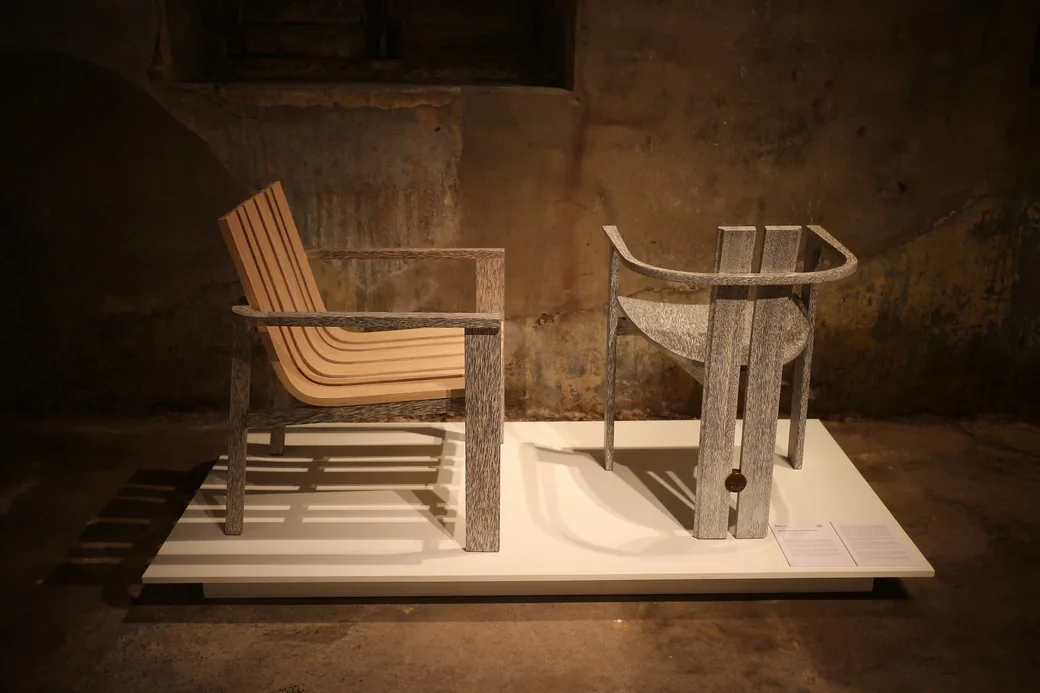
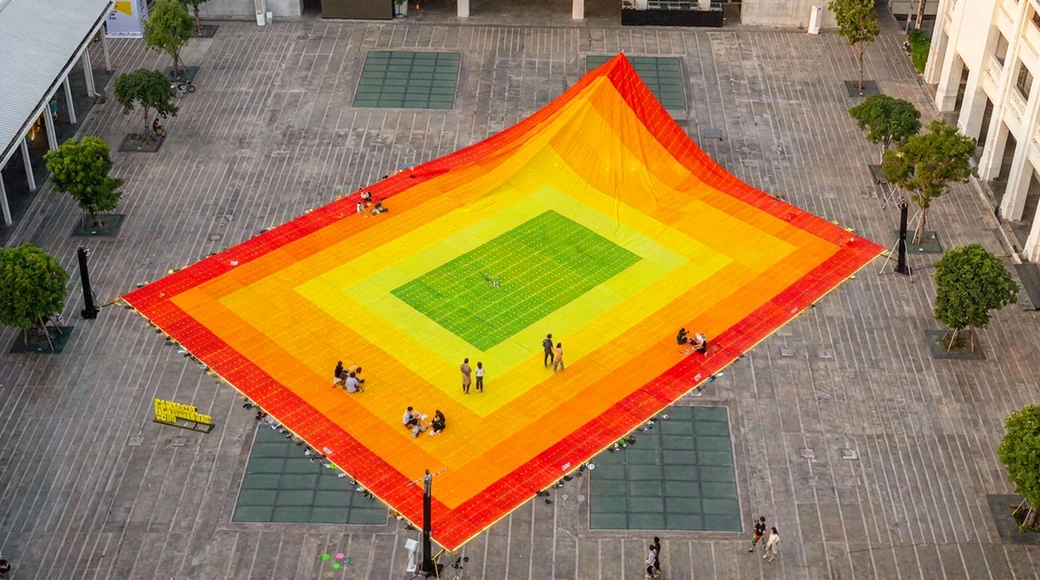
Bangkok Design Week, with creative installations and exhibitions bringing color and light to historic shophouses and streets across the city

Bangkok Design Week

BangkokFeb 18, 2027 – Feb 28, 2027↻ Annual
Duration:11 daysType:
Handicrafts, Craft & Design Events
Admission:FreeLocationAnnual event — exact dates may vary each year

For eleven days every February, Bangkok hands its shophouses, warehouses and public squares to designers. Exhibitions, talks, workshops and markets spread across Charoenkrung-Talat Noi, Phra Nakhon and other creative districts, with free access to the street programme.

About This Festival

Bangkok Design Week: the festival that turns a whole city into an exhibition

Bangkok Design Week, known locally as BKKDW, is the annual design festival organised by the Creative Economy Agency together with the Bangkok Metropolitan Administration. It began in 2018 and now brings together more than 2,000 designers and creative businesses and draws over 400,000 Thai and international visitors a year, which makes it the largest event of its kind in Southeast Asia. It is not a trade fair behind barriers. Exhibitions, installations, talks, workshops, guided walks, markets and performances are scattered through working neighbourhoods, so you discover them between a noodle stall and a hardware shop. The festival is also the engine behind Bangkok's standing as a City of Design in the UNESCO Creative Cities Network.
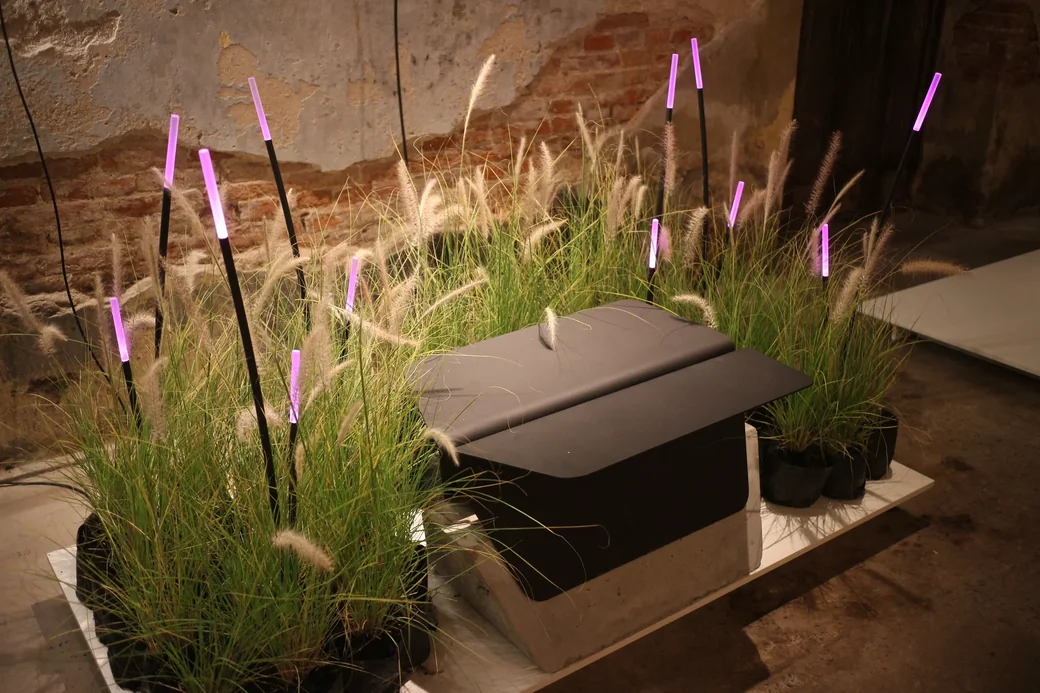
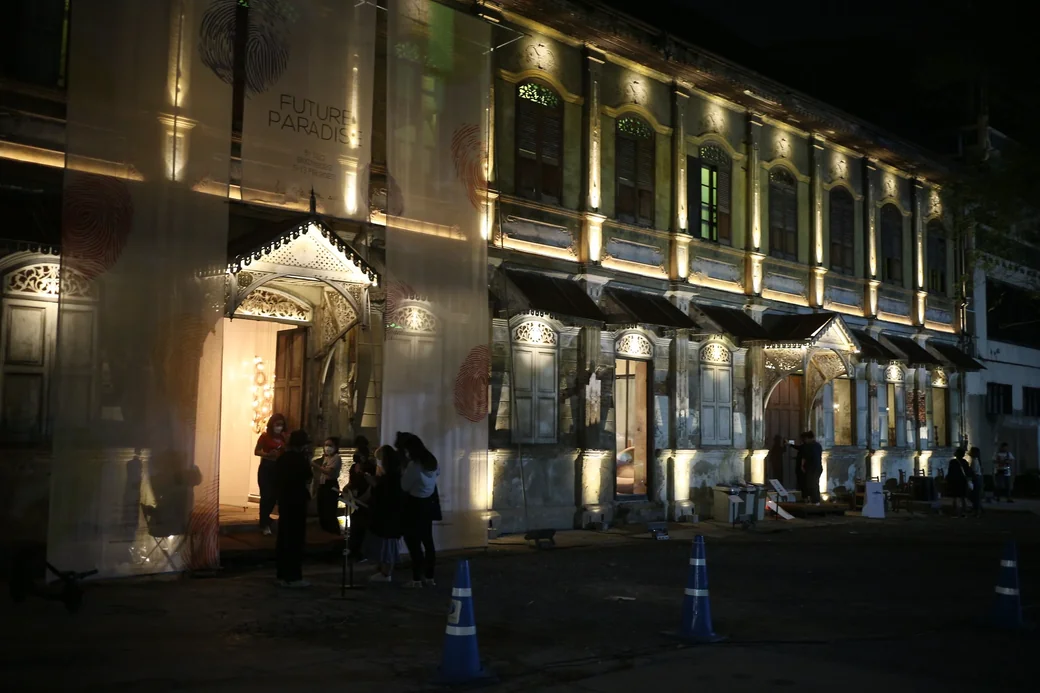
How the Festival Theme Shapes What You See: the DESIGN S/O/S Example

Every Bangkok Design Week is built around a theme, and it is worth understanding before you go, because each district answers it in its own way. The 2026 edition, DESIGN S/O/S, framed design as a tool for getting through uncertain times together: the first S (Secure Domestic) strengthens local design in its home market, the O (Outreach Opportunities) takes Thai design to new partners and markets, and the second S (Sustainable Future) looks for practical answers to a changing planet. Expect work about businesses that can move into new markets, cities that respond to how people actually live, and products designed to change rather than to be replaced. Charoenkrung-Talat Noi anchors every edition, with programmes elsewhere across Bangkok.

From 2018 to today: every Bangkok Design Week theme, year by year

Reading the list of themes is the quickest way to see how the city has been thinking. It opened in 2018 with The NEW-ist Vibes across Charoen Krung, Klong San, Sam Yan, Rama 1 and Sukhumvit, then came Fusing Forward in 2019 and Resilience: New Potential for Living in 2020. The 2021 edition, held in May to July and largely online, was called Resurgence of Possibilities. After that: Co With Creation in 2022, urban NICE zation in 2023 with more than 500 programmes across nine neighbourhoods, Livable Scape in 2024 across fifteen-plus districts, Design Up+Rising in 2025, and DESIGN S/O/S in 2026.

When it happens: eleven days in February, and why the dates move

The festival is annual but not fixed to a calendar date. It has settled into a late January or February slot of about eleven days, announced by the organisers several months ahead; the 2026 edition ran from 29 January to 8 February. A couple of editions stretched longer or split into phases by district, so always confirm the current year before booking flights. The timing is deliberate: late January and February fall in Bangkok's cool, dry season, before the heat builds toward April, so long evening walks between venues are comfortable. Most programmes open late morning and carry on into the evening.

The creative districts, one by one: which neighbourhood suits you

Charoenkrung-Talat Noi is the heart of the festival: a historic riverside stretch that grew up along Thailand's first Western-style road, now full of old shophouses turned into studios, with the Grand Postal Building and TCDC as its anchors in recent editions. Phra Nakhon is the old town, where heritage buildings are put back to work through adaptive reuse and City Hall Plaza becomes a main stage. Pak Khlong Talat, the flower market, gives designers colour and daily rhythm to reinterpret. Bang Lamphu-Khaosan mixes traditional neighbourhood life with contemporary tourist culture. Yaowarat-Song Wat brings Chinatown signage, warehouses and late-night pop-ups. Choose two adjacent districts per day; trying to do all of them is how people end up seeing none of them properly.

What is actually on: exhibitions, talks, workshops, tours and design markets

The programme is built from eight formats: showcases and exhibitions, talks, workshops, events, music and performance, tours, markets and shop promotions. The scale is real - the 2026 edition carried more than 350 programmes across over 140 venues, including 200-plus exhibitions, thirty-odd talent development programmes run with ten educational institutions, and international collaborations with designers from more than sixteen countries. A recent shift has been business matching, which pairs designers with manufacturers so the festival works as an economic engine rather than a display case. There is no single ceremony to catch; the installations are the running main event. Workshops and guided tours have limited places, so sign up as soon as the programme goes live.

Getting around: skytrain, metro, river boat and the walk in between

Rail plus river plus feet is the winning combination, because traffic in the old districts is slow at festival hours. For Charoenkrung and Talat Noi, take the BTS to Saphan Taksin. For Phra Nakhon and Pak Khlong Talat, the MRT to Sam Yot puts you inside the old town; Hua Lamphong station serves the Chinatown side. Between riverside venues the Chao Phraya Express Boat is faster and far more pleasant than a taxi, and the cross-river ferries are useful shortcuts. Inside a district, walk: the alleys are the point, and most venues sit within ten minutes of each other. Check the last skytrain and metro departures if you stay out for the evening installations.

How the festival looks and sounds, and where the honest photo spots are

Each edition has its own key visual, but the real palette comes from the districts: the ochre and faded teal of Talat Noi shophouses, the neon and hand-painted signage of Yaowarat, the loud flower colours of Pak Khlong Talat. The soundtrack is simply the street - motorbikes, market chatter, temple bells - with live sets layered on in the evenings. For photographs, the honest answer is that blue hour is the window: twenty minutes after sunset the light installations register and the alleys still have colour. Talat Noi wall art, the riverside promenades, the warehouse interiors in Song Wat and the plaza works in Phra Nakhon give the strongest frames. Tag posts with the festival and edition hashtags to find what others found.

What to eat along the route, including vegetarian and halal options

The festival route runs through some of the best eating in Bangkok, which is half the reason locals walk it. Talat Noi and Song Wat are Chinese-Thai territory: braised pork over rice, fishball noodles, old bakeries, and lime and herbal drinks from shops that have been there for generations. Yaowarat comes alive after dark with grilled seafood and dessert stalls. Charoen Krung has become a serious coffee street, useful when you need a cool room between venues. Design markets in the festival programme usually bring their own food vendors. Vegetarians should look for the yellow and red jay sign, which means no meat and no strong-smelling vegetables; for halal food, the Bang Rak side near the riverside mosque community is the most reliable pocket.

Planning your day: crowds, opening hours, accessibility and going with kids

Most of the festival works on turn-up-and-see, but a little planning pays off. Weekends draw the biggest crowds and the final Saturday is the busiest day of all; on a weekday morning you can have a venue almost to yourself. Programmes generally open late morning and carry on into the evening, though individual shophouses keep their own hours, so check the listing for anything you have travelled for. Accessibility varies sharply: the Grand Postal Building, TCDC, the plazas and the bigger warehouses are broadly step-free, while shophouse venues have narrow stairs and high thresholds. February is dry season, so rain rarely disrupts anything. Children do well with the outdoor installations and markets; the alleys simply get tight after dark.

Etiquette in a living neighbourhood, plus five Thai phrases worth learning

Talat Noi is not a film set: behind many of the prettiest doorways are car-parts workshops, family shrines and people having dinner. Ask before photographing a person or the inside of a working shop, step out of the alley rather than blocking it for a picture, take your shoes off where you see shoes at the door, and keep your voice down in residential lanes late in the evening. Treat royal and religious imagery with care. Five phrases go a long way: sawatdee khrap or kha for hello, khop khun khrap or kha for thank you, kho thot khrap or kha for excuse me, thai ruup dai mai khrap or kha to ask permission for a photo, and suay mak for beautiful. Men say khrap, women say kha.

Staying comfortable and safe: heat, crowds, valuables and useful numbers

February is the kindest month in Bangkok, but midday still hits hard: carry water, take a shaded or air-conditioned break every couple of hours, and save the outdoor walking for the late afternoon. Crowds concentrate in narrow alleys after dark, so move with the flow rather than against it, and keep bags zipped and in front of you, as you would in any busy market. Useful numbers: 191 for police, 1669 for medical emergencies and 1155 for the tourist police, which operates in English. Main venues usually have information and first-aid points. Bangkok is generally comfortable for solo and women travellers and is among the most welcoming cities in the region for LGBTQ+ visitors, with same-sex marriage recognised in Thailand since January 2025. Bring a power bank: navigating the programme map drains a phone fast.

Where to base yourself, and how to get home after the night installations

Staying in Bang Rak, along Charoen Krung near the river, puts you inside the main district and within reach of the boat piers, which is the single most useful thing you can arrange. The old town around Phra Nakhon is quieter at night and close to Sam Yot station; Chinatown suits night owls who want to eat late. February is high season in Bangkok and the festival overlaps with it, so book several months ahead and expect the riverside to fill first. For daytime bag storage, the larger stations and shopping centres have lockers or counters. Going home late, check the last skytrain and metro departures before you settle in for the evening; ride-hailing apps work well and take the guesswork out of the fare.

What to pack, what to buy, and the quiet days either side of the festival

Pack light and walkable: broken-in shoes, a hat, a refillable bottle, a thin layer for over-cooled interiors, and a power bank. Cards are widely accepted in cafes and larger venues, but the small stalls and older shops in Talat Noi still run on cash and QR payments, so carry some notes. For souvenirs, the design markets are where independent studios sell ceramics, textiles, prints and small objects, and they tend to sell out towards the end. Consider arriving a day early: the installations are usually being finished then, and watching a district set itself up is its own pleasure. The morning after closing is the other quiet moment, when the neighbourhoods go back to being neighbourhoods and the coffee places are calm again.

The bigger picture: economic impact, debates, sister festivals and how to join in

The festival is also an economic argument. For 2026 the organisers projected over 400,000 visitors and an impact of at least a billion baht across eleven days, and business matching now exists so that design leaves the festival as orders rather than applause. It is not beyond debate: the familiar questions about neighbourhood festivals - who really benefits, how much waste a city-scale event leaves behind, whether attention eventually prices out the shophouses that made the district interesting - are argued here too, and several programmes take on reuse and waste directly. Thailand runs sister festivals in Chiang Mai and in the south as Pakk Taii (Thai for the South) Design Week, supported by the same agency. If you would rather take part than watch, the open call each autumn accepts both programme and venue partners.

Practical Information

When

Every year in late January or February, over about eleven days, with a new theme for each edition. Most programmes open in the late morning and run until late evening, and the light installations are at their best after dark. The dates and theme of each edition are announced on the official website.

Where

Across Bangkok's creative districts, with Charoenkrung–Talat Noi along the Chao Phraya River as the heart of the festival. The Grand Postal Building on Charoen Krung Road, home of the TCDC (Thailand Creative & Design Center), usually serves as the main hub. The programme also spreads into old-town neighbourhoods such as Phra Nakhon, Pak Khlong Talat, Bang Lamphu–Khao San, Yaowarat–Song Wat, Hua Lamphong and Bang Pho; the districts taking part change from edition to edition.

Cost

Free. The street programme, outdoor installations and most exhibitions are open to everyone at no charge; a few workshops and guided tours ask you to register in advance because places are limited.

Tips

Take the BTS to Saphan Taksin for Charoenkrung and Talat Noi, the MRT to Sam Yot for Phra Nakhon and Pak Khlong Talat, and the Chao Phraya Express Boat to hop between riverside venues. Wear comfortable walking shoes, carry water, and save the official programme map offline before you set out.

Unique to this festival

there is no fairground and no single hall. The exhibition is the city itself, and each creative district reads the annual theme in its own way, so a printing house in Song Wat and a flower stall in Pak Khlong Talat end up answering the same question. Organised by the Creative Economy Agency with the Bangkok Metropolitan Administration, the festival underpins Bangkok's place in the UNESCO Creative Cities Network as a City of Design, and its open call means much of what you see is hosted by shophouse owners, small studios and neighbourhood businesses rather than by a central curator.

Accommodation and hotel options during Bangkok Design Week

Accommodation and hotel options around the event venue, with their prices, are shown by Stay22 as a map and a list. Cookies are used. Your consent is remembered on every page; you can turn it off at any time in the cookie settings.

Keep Exploring

Travel essentials for Bangkok

Flights, transfers, car rental, eSIM and insurance — compare your options

Flights

Find the best route

Transfers

Airport & city ground transport

Car Rental

Drive at your own pace

eSIM

Stay connected on arrival

Insurance

Cover your trip