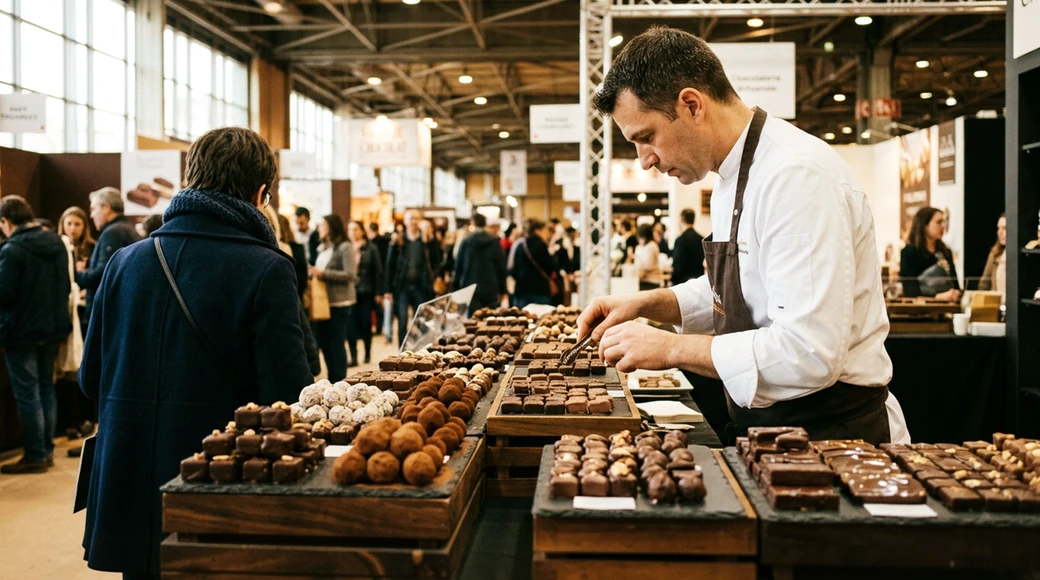
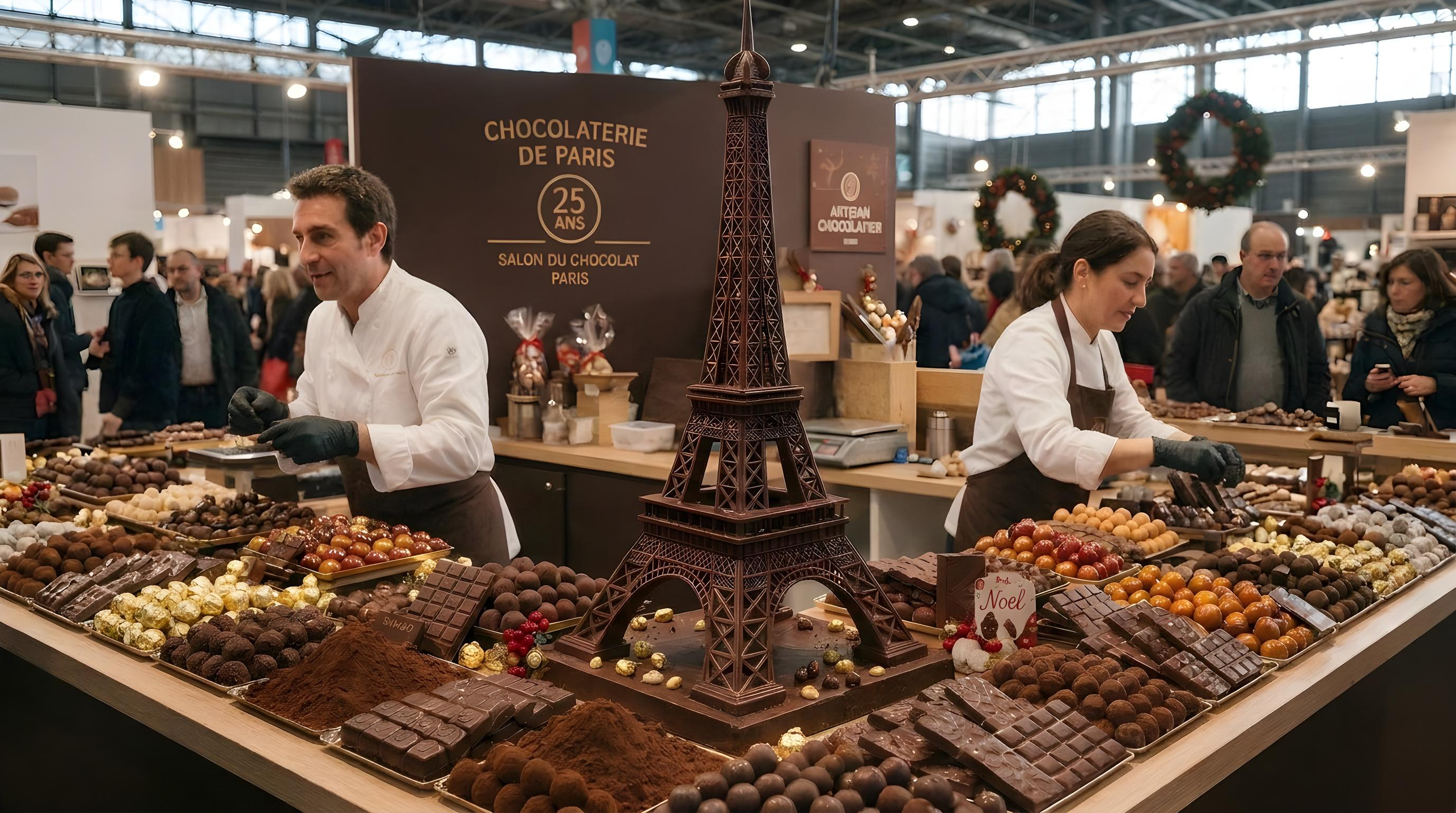
Salon du Chocolat in Paris, stands of artisan chocolate and tasting counters filling the exhibition hall

Salon du Chocolat (Paris Chocolate Fair)

ParisOct 28, 2026 – Nov 1, 2026↻ Annual
Duration:5 daysType:
Food, Drink & Gastronomy Festivals
Admission:From 8 EURLocationAnnual event — exact dates may vary each year

The world's largest chocolate and pastry event, held in Paris since 1995. Enjoy tastings, live demonstrations by top chocolatiers and pastry chefs, and the famous chocolate dress fashion show at Porte de Versailles.

About This Festival

What Is the Salon du Chocolat?

The Salon du Chocolat is the world's largest event dedicated to chocolate and pastry, bringing together more than 500 exhibitors from around 60 countries each year. It was founded in 1995 in Paris, which remains the flagship edition of the show, and the concept has since expanded to other major cities around the world. Today it brings together chocolatiers, pastry chefs and gourmet producers under one roof, making it a must-visit for anyone who loves fine chocolate and creative pastry craftsmanship.
The History of the Salon du Chocolat

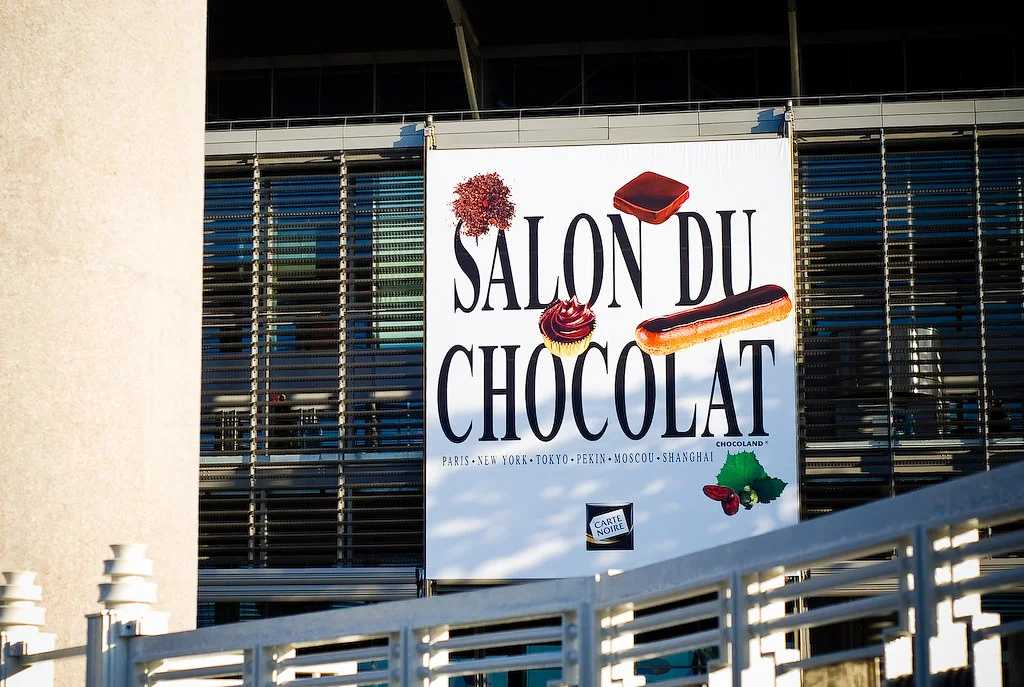
The Salon du Chocolat was founded in 1995 as a trade fair for the international chocolate industry, with official backing from French institutions dedicated to promoting French chocolate craftsmanship on the world stage. What began as a Paris-only event has grown steadily over the decades into a global phenomenon, with sister editions now held in cities including New York, Tokyo, Shanghai, Montreal and Riyadh, each adapted to its local audience while sharing the same passion for chocolate.

When and Where the Fair Takes Place

The Salon du Chocolat takes place every year in Paris, typically running for about five days from late October into early November. The show is held at Paris Expo Porte de Versailles, in Pavilion 5, located in the city's 15th arrondissement. The venue is easy to reach by public transport: take Paris Metro Line 12 to Porte de Versailles station, or use Tramway Lines 2 and 3 or Bus Lines 39 and 80, which all serve the same transit hub.

Highlights of the Program

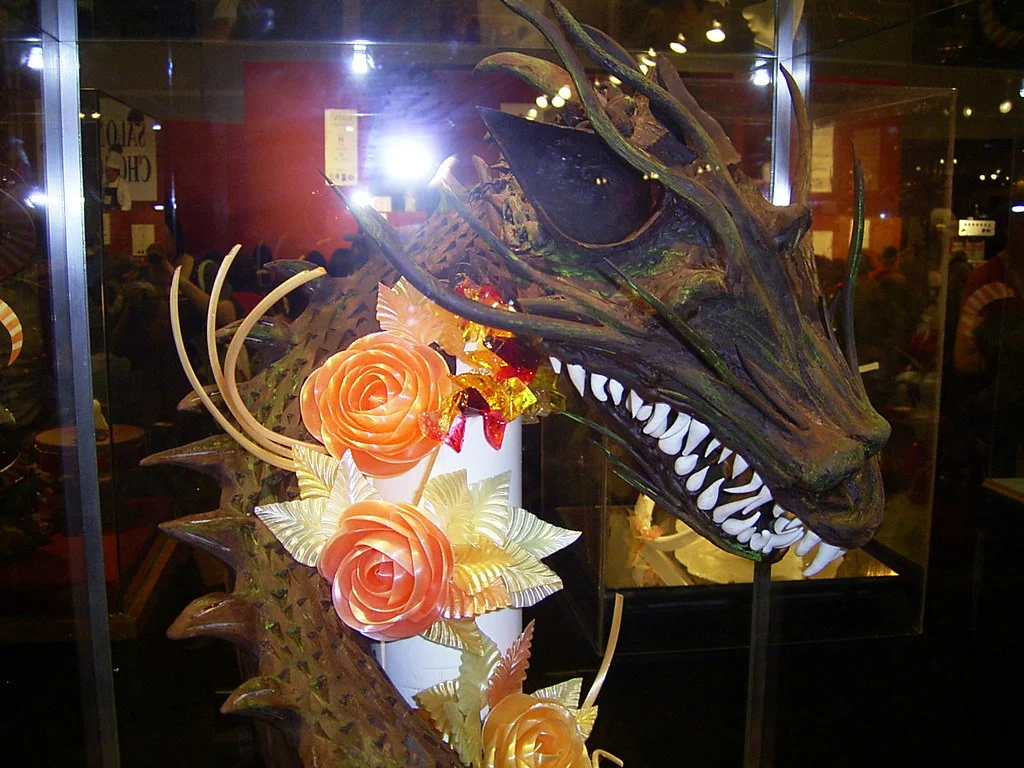
The undisputed highlight of the Salon du Chocolat is the défilé de robes en chocolat, a spectacular fashion show in which designers and chocolatiers present dresses and outfits crafted entirely from chocolate. It is traditionally staged on the festive opening evening and draws enormous press and public attention every year. Beyond the runway, visitors can watch live demonstrations and creations by chocolatiers and pastry chefs, and browse stands from chocolate and gourmet food producers. Past editions have also featured show-stopping chocolate sculptures — one memorable example stood over six metres tall and weighed more than a tonne, shaped like a dragon — underlining just how far chocolate can be pushed as an artistic material.

A Feast for the Senses

More than just a show to watch, the Salon du Chocolat is an event to taste. Visitors can sample an extraordinary range of chocolate and gourmet pastry creations, from delicate pralines to inventive new confections, offered by craftspeople and producers from France and beyond. With so many stands to explore, it is easy to spend hours discovering new flavors, textures and techniques, making it a genuine feast for the senses as much as a feast for the eyes.

Practical Visitor Guide

A ticket is required to enter the Salon du Chocolat, so plan to purchase one in advance through the official website. During the main public days, the show is open throughout the day, and most visitors find that half a day, or three to four hours, is enough time to see the highlights and sample widely. Because the event is held entirely indoors, it is a great option regardless of the weather outside, and its lively, family-friendly atmosphere makes it suitable for visitors of all ages; families with children can also head to the show's dedicated kids' zone for its own workshops and tastings. Large suitcases and oversized bags are not allowed inside, though a cloakroom is available for coats and smaller items. The venue is easily reached by metro or tram.

Where to Stay Near the Show

Many visitors choose to stay in or around the 15th arrondissement, close to the Porte de Versailles convention district, which puts the exhibition halls within easy walking distance. If you prefer a more central base, staying anywhere along Paris Metro Line 12 works well too, since it runs directly to the Porte de Versailles station without needing to change lines, making for a simple and stress-free commute to the show each day.

Insider Tips for Your Visit

Arrive early to secure a good view of the chocolate dress fashion show and the live demonstrations, both of which draw large crowds as the day goes on. If your schedule allows, visiting on a weekday rather than a weekend makes for a noticeably calmer, more relaxed experience. Finally, do not rush past the smaller artisan chocolatier stands tucked between the bigger exhibitors, as they are often where visitors make their most memorable and delicious discoveries.

Good to Know

The Salon du Chocolat has earned its reputation as the world's largest chocolate and pastry event, and it continues to play a leading role in showcasing French chocolate craftsmanship on the international stage. Year after year, its chocolate dress fashion show remains an enduring highlight, generating widespread press coverage and public excitement, and cementing the show's place as a unique celebration of chocolate as both art and craft.

The Fair Lands on a French School Holiday — Choose Your Day

The fair's dates are not a coincidence. It runs across the Toussaint (All Saints') school break, when French families are off for a fortnight, and its closing day falls around 1 November, a public holiday in France. That combination makes it far busier than a late-October trade show would otherwise be, and it changes the character of the crowd: weekends and the closing holiday are dominated by families with children, with long queues at the workshop stands and tasting counters. The quietest window is a weekday morning at opening time, when the demonstration stages have not yet drawn crowds and the artisans have time to talk. If you want the calmest possible visit, aim for the first hour of a Wednesday or Thursday rather than the final Sunday or the holiday itself.

Time Your Visit Around the Competitions, Not the Stands

The stands are open all day and largely the same at any hour, but the programmed events are not, and they are what separates a good visit from an aimless one. Two competitions anchor the schedule: an international pastry contest that brings teams from around the world, and a French national pastry trophy, both judged live in front of spectators over several hours. Alongside them run continuous demonstrations in which chefs build a recipe from start to finish on stage, sculpture displays, workshops for children and a dedicated junior area. The chocolate dress show is also part of the programme, and its schedule is listed in the official timetable. Because the timetable is published in advance on the official site and the seating at each stage is limited, the practical approach is to pick one or two items, arrive for them, and browse the stands in the gaps rather than the reverse.

Tickets, Costs and the Gala Evening Most Visitors Miss

Unlike most events in this calendar, this one is not free, and the pricing has a structure worth understanding. Adult admission is a standard paid ticket, children between three and twelve pay a reduced rate, under-threes go free, and a family pack covering two adults and two children costs less than four separate tickets. Buying online in advance is consistently cheaper than at the door, though the saving is modest. Doors are typically open from mid-morning to early evening. The part most visitors never hear about is the inaugural gala on the eve of the public opening, which was once reserved for press and industry but is now sold to the public in limited numbers at a higher price, with the chocolate dress show, previews of the stands before the crowds, and proceeds going to charity.

Accessibility: An Easy Venue With One Sensory Catch

Physically this is among the most accessible events in the Paris calendar. It takes place in a single modern exhibition hall on one level, with wide aisles between stands, step-free entrances, lifts, adapted toilets and loan wheelchairs at the information desk. Everything happens indoors, so weather is irrelevant and there is seating at the demonstration stages. Transport is equally simple, with a metro line, two tram lines and buses serving the venue, and the trams offering level boarding for wheelchair users. The one genuine difficulty is sensory rather than physical. The hall is warm, densely scented with cocoa, acoustically loud from competing demonstration microphones, and visually busy. Visitors who are sensitive to strong smells, heat or noise often find an hour is enough, which is worth knowing before buying a full-day family ticket.

How to Taste Without Burning Out in an Hour

Everyone arrives intending to taste everything and stops enjoying it surprisingly fast. Palate fatigue with chocolate is real and sets in within about twenty minutes of continuous sampling, after which everything starts tasting the same. The people who get the most out of the day treat it like a wine tasting rather than a buffet: start with the lightest and least sweet, work towards the darkest and most intense, and take plain water between producers rather than drinking something sweet. Cocoa-growing countries have their own stands, and tasting single-origin bars side by side there is the clearest way to notice real differences. Two practical notes: bring a bag, because purchases accumulate quickly and chocolate should not spend the afternoon in a warm hall, and remember that soft fillings and fresh pastries will not survive an unrefrigerated flight home.

Getting There: The Same Halls, a Different Season

This is held at the same exhibition complex on the southern edge of the city that hosts the spring fair and the motor show, so the transport picture is identical: one metro line runs directly to the entrance, two tram lines stop outside, buses serve the square, and there is a very large car park. Nothing closes and no roads are shut, which makes it one of the least disrupted events in the Paris year. What differs is the season. Late October brings early darkness and often rain, and the walk from the metro exit to the hall entrance is exposed, so an umbrella matters more here than at a summer show. The trams are the more comfortable option in bad weather because they run at street level with shelters, while the metro station involves stairs at some exits.

Where to Stay: A Half-Day Fair, Not a Reason to Move Hotels

Most visitors spend three or four hours here, which changes the accommodation calculation entirely: this is an outing from wherever you are already staying, not a trip to build a base around. Rooms in the surrounding business district are practical and often good value, but the area is quiet and residential after the exhibition halls close, with little reason to spend an evening there. Staying centrally and riding out on the metro takes fifteen to twenty-five minutes from most districts and leaves the rest of the day free for the city itself. Late October is shoulder season in Paris, noticeably cheaper than summer and less pressured than the Christmas weeks, and the fair is not large enough to move the market on its own, so the full central range of hostels, family hotels, chains and apartments is available at reasonable rates.

What to Do With the Rest of the Day

Because three or four hours is enough inside, most people leave with half a day in hand and no plan, which is a waste in a part of Paris few tourists ever see. Two large parks sit within about ten minutes' walk of the exhibition halls, one built on a former slaughterhouse site with a small vineyard and a second-hand book market at weekends, the other a modern garden of glasshouses and water features along the river. Both are free and unusually empty compared with the central parks. The surrounding 15th arrondissement is residential Paris rather than monumental Paris: ordinary bakeries, market streets and neighbourhood cafés where a table is easy to find. After a hall full of sugar, an hour outdoors here tends to be exactly what the day needs before heading back to the centre.

Practical Information

When

Held annually in late October to early November, over about five days, with a festive opening evening the night before the public days begin.

Where

Paris Expo Porte de Versailles, Pavilion 5, in the 15th arrondissement of Paris.

Cost

Paid entry; an admission ticket is required, with rates set by the organizers, so check the official website before you go.

Tips

Arrive close to opening time to beat the crowds, and wear comfortable shoes as the pavilion is large.

About this show

Paris is the original, flagship edition of the Salon du Chocolat and remains best known for its spectacular chocolate dress fashion show, a highlight of the opening evening.

Accommodation and hotel options during Salon du Chocolat (Paris Chocolate Fair)

Accommodation and hotel options around the event venue, with their prices, are shown by Stay22 as a map and a list. Cookies are used. Your consent is remembered on every page; you can turn it off at any time in the cookie settings.

Keep Exploring

Travel essentials for Paris

Flights, transfers, car rental, eSIM and insurance — compare your options

Flights

Find the best route

Transfers

Airport & city ground transport

Car Rental

Drive at your own pace

eSIM

Stay connected on arrival

Insurance

Cover your trip