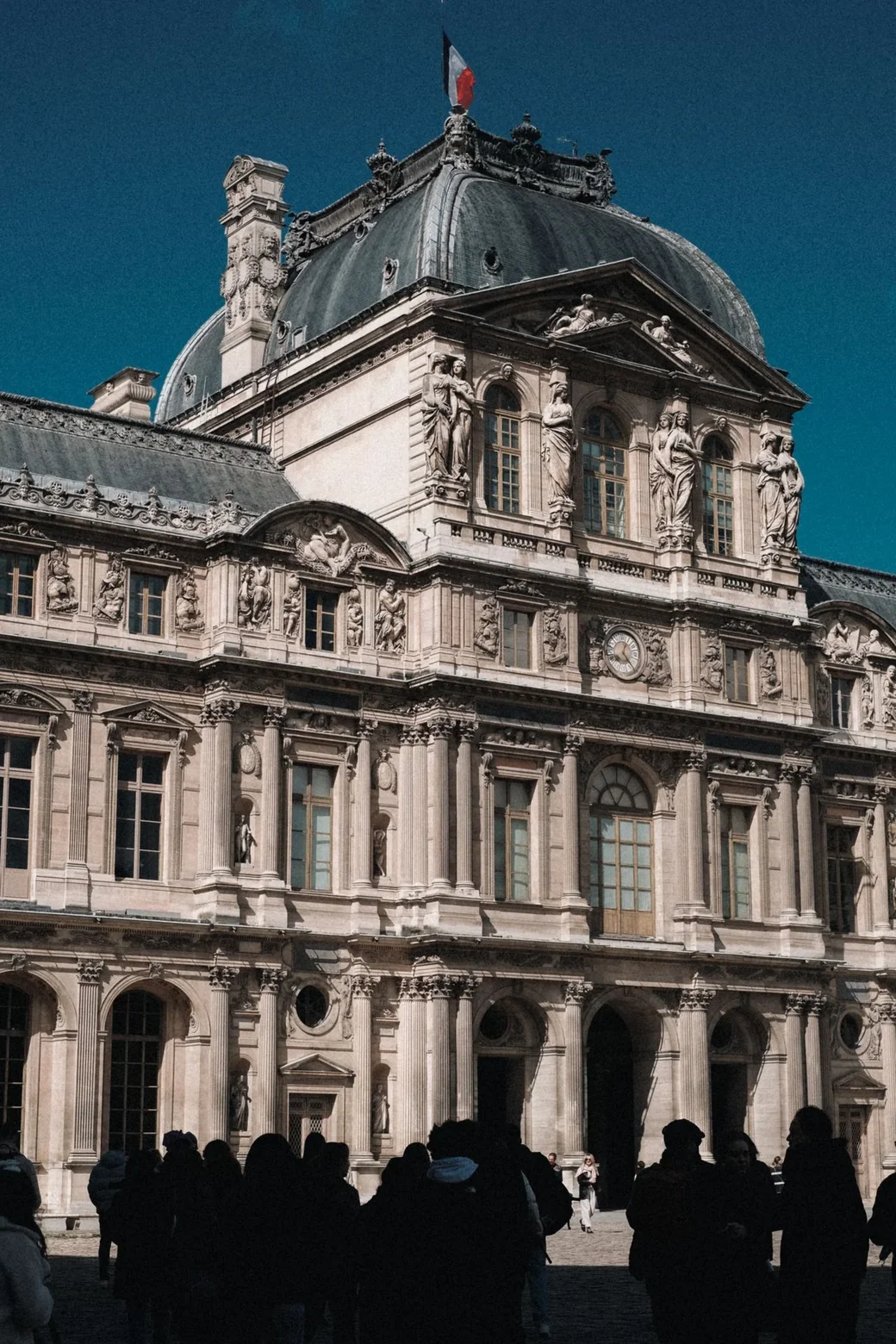
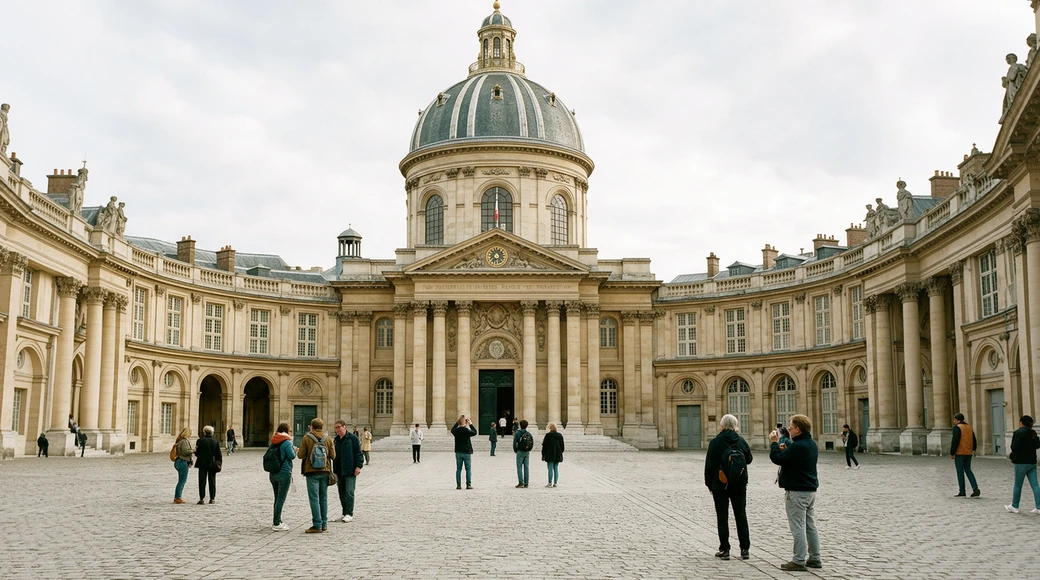
European Heritage Days in Paris, visitors queueing to enter a historic building that opens its doors for the weekend

European Heritage Days

ParisSep 18, 2027 – Sep 19, 2027↻ Annual
Duration:2 daysType:
Cultural & Traditional Festivals
Admission:FreeLocationAnnual event — exact dates may vary each year

A France-born tradition now spanning nearly 50 European countries, offering free access to monuments, churches, theatres, châteaux and normally closed buildings across Paris on the third weekend of September.

About This Festival

What Are the European Heritage Days?

European Heritage Days is a France-born tradition that has grown into one of Europe's great shared cultural moments, with nearly 50 countries now taking part. Across Paris, the event throws open the doors of famous monuments and of sites the public rarely gets to see, all free of charge. It's a rare chance to step inside historic buildings, working institutions and hidden courtyards that stay closed the rest of the year, making it one of the most rewarding weekends for culture lovers visiting the city.
The History: From a Paris Open-House Sunday to a Europe-Wide Tradition

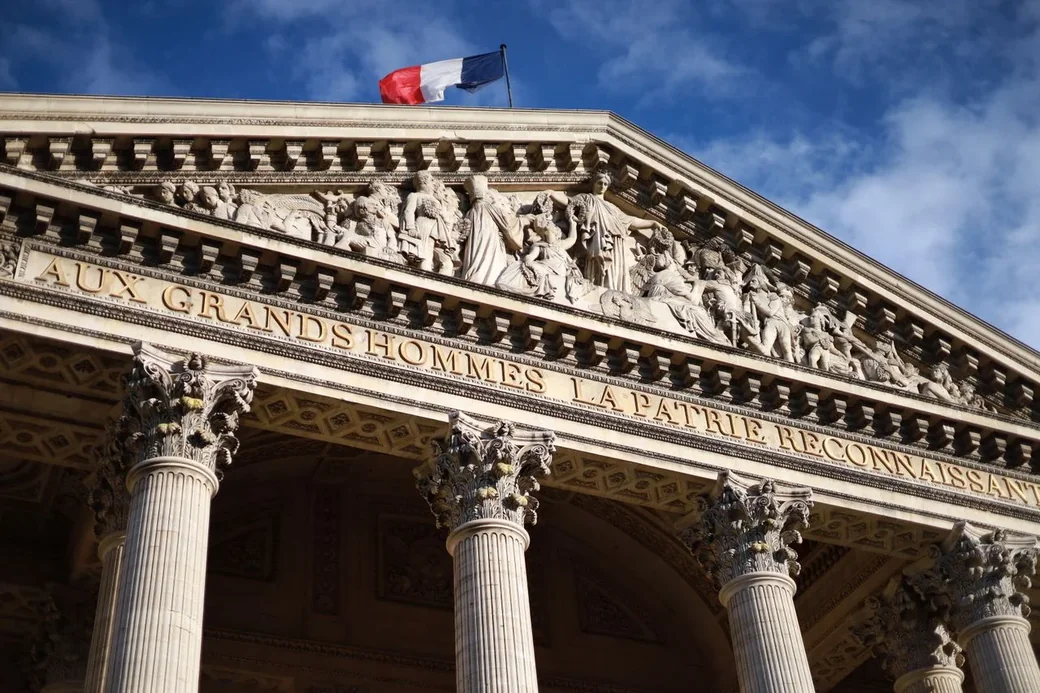
The tradition began in 1984, when France's Ministry of Culture opened historic monuments to the public for a single open-house Sunday. In 1985, French Culture Minister Jack Lang proposed taking the idea further afield, presenting it to a Council of Europe conference in Granada, Spain. The Council of Europe officially recognized the initiative in 1991, and in 1992 France expanded its own event to a full weekend. In 2000, the celebration took the name it carries today, European Heritage Days, cementing its place as a shared European tradition.

When and Where: A Citywide Celebration, Not a Single Venue

European Heritage Days always falls on the third weekend of September, a date pattern that has stayed fixed for decades. There's no single venue to head to: the celebration unfolds simultaneously at monuments, museums, churches, government buildings and hidden courtyards across Paris. Visitors typically pick a neighborhood or a shortlist of sites and plan a route between them, since so much is happening at once across the entire city. The Friday before the main weekend is usually set aside for school groups, who get a preview visit to many of the same sites before the doors open to the general public on Saturday.

What You Can See: Monuments, Churches, Theatres and Hidden Buildings

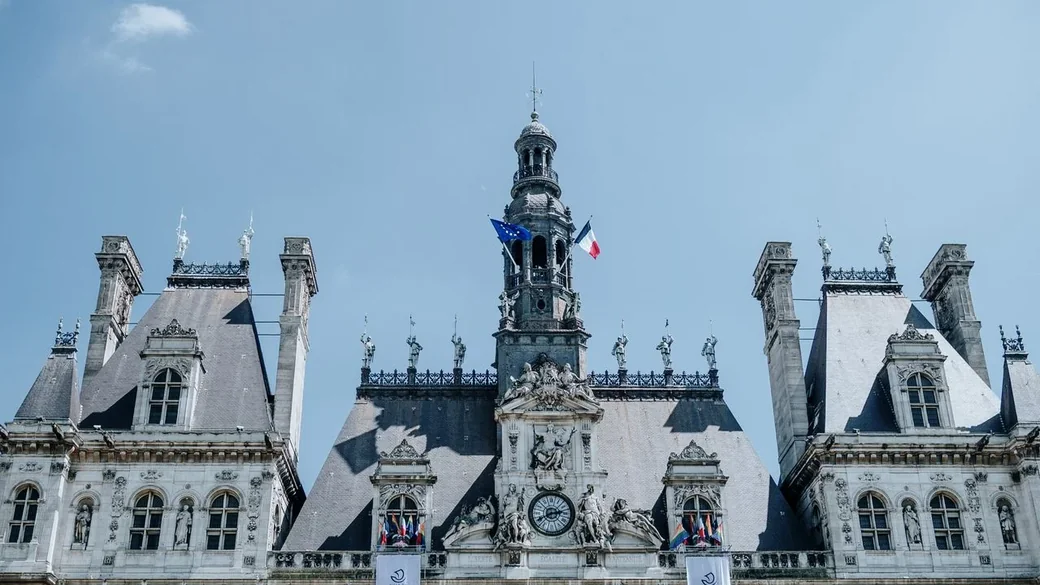
The event's biggest draw is access to places that are either landmark attractions or simply never open to the public. Expect to walk through grand monuments, churches, historic theatres and châteaux, alongside institutional buildings such as government ministries and courthouses that unlock their doors for the occasion. Since 1995, every edition has followed its own annual theme, giving organizers across the city a shared thread to build their programs around and giving return visitors something new to discover each year. The single most sought-after address is the Élysée Palace, the President's official residence, though other recurring favourites include Paris's Hôtel de Ville, backstage tours of the Opéra Garnier, and even Gustave Eiffel's own century-old wind-tunnel laboratory in the Auteuil district of Paris (rue Boileau, 16th arrondissement), still used for aerodynamic research today.

Practical Tips for Visiting European Heritage Days

Entry is free at most participating sites, but popularity varies enormously: the best-known monuments and the rarely opened government buildings can draw long queues, and some now require advance booking. Opening hours differ from site to site, so it's worth checking each one individually before setting out rather than assuming a single citywide schedule. The event is generally family-friendly, making it an easy, budget-free way to spend a weekend exploring Paris with children or grandparents in tow. For the most in-demand addresses, such as the Élysée Palace, reservations typically open in early September and can fill within minutes, so it pays to book the moment slots appear rather than simply arriving early on the day.

Etiquette for Visiting Heritage Sites and Historic Buildings

Many of the buildings that open their doors are still working institutions or active places of worship, so a little courtesy goes a long way. Keep voices low, follow staff and volunteer instructions, and stay within roped-off or marked areas. Photography is often welcome but rules vary from site to site, so check before shooting, especially inside government buildings. If your visit includes a church, cathedral or other religious site, dress modestly out of respect for worshippers and ongoing services.

Insider Tips: How to Beat the Queues

The normally closed institutional buildings, ministries, courthouses and other seats of government, are consistently the biggest draw and the source of the longest queues, so it pays to arrive at those sites as early in the day as possible. Once you've ticked off your must-see landmark, spend the rest of the day exploring smaller neighborhood churches, local museums and lesser-known heritage sites, which are often just as fascinating and come with a far more relaxed, crowd-free atmosphere.

Good to Know: One of Europe's Largest Shared Traditions

What began as a single open-house Sunday in France back in 1984 has grown into one of the continent's largest shared cultural events, drawing an estimated 30 million visitors across nearly 50 participating countries every year. That scale is part of what makes the Paris edition so special: for one weekend, an entire city's worth of heritage, familiar and hidden alike, opens its doors together.

The Six-Hour Queue Is Gone — and So Is Turning Up on the Day

The single biggest change to this event is one that guidebooks rarely mention. The most sought-after building in Paris, the presidential palace, once produced queues of around six hours, with more than twenty thousand people filing through over a weekend. That era has ended: visits now run on compulsory advance online registration, tickets are individual and personal, and names, dates and places of birth are collected in advance because visitors are security-screened before approval. Turning up on the day without a ticket means you will not get in at all. Registration opens weeks ahead and fills almost immediately. Several other high-profile buildings, including the city hall and the central bank, use similar booking systems, while others such as the Senate's palace and the Institut de France have historically stayed open to anyone who queues.

Which Doors Are Genuinely Worth the Wait

The Paris region alone opens well over a thousand sites in a single weekend, which is far more than anyone can navigate without a filter. The useful filter is not fame but rarity: monuments you can visit any other day of the year are the worst use of this particular weekend, however impressive. What makes the event unusual is the buildings that are otherwise entirely closed — the seat of the Senate, the academies of the Institut de France, ministries, courthouses, the central bank's historic mansion, and foreign embassies, several of which have opened for the first time in recent editions. Attendance figures bear this out: in one edition the Senate's palace was the single most visited site in the region, ahead of the presidential palace and well ahead of the famous chapels and monuments that are open year-round anyway.

The Programme Appears Late — Plan Backwards From It

The awkward part of planning this weekend is that the list of participating sites is not published far in advance. Which ministries, embassies and private buildings will take part is confirmed only a few weeks beforehand, and it changes from year to year, so a place that opened last time may not open again. That creates a scheduling trap: flights and hotels have to be booked before anyone knows what will actually be open, while the buildings requiring registration release their slots almost as soon as the programme appears and fill within hours. The workable order is to book travel around the fixed date, which is always the third weekend of September, then watch for the programme, then register for one or two ticketed buildings the day bookings open, and build the rest of the two days around whatever you secure.

Accessibility in Buildings Never Designed for Visitors

Accessibility in Buildings Never Designed for Visitors

This is the weekend's structural weakness. The buildings that make it worth attending are working ministries, private mansions and centuries-old institutions, and many are listed monuments exempt from modernisation requirements, meaning grand staircases, no lifts, narrow corridors and thresholds. Visitor routes are also improvised for two days only, so they often use service entrances or upper floors reached by stairs. Some major institutions do provide accessible routes and will arrange assistance if contacted in advance, but this varies from building to building and is rarely stated on the general programme. The practical method is to shortlist two or three sites and contact each directly before the weekend rather than relying on the event listing. Museums and public monuments taking part are the reliable end of the scale, since they already meet ordinary access standards.

Moving Between Sites: Walk More Than You Ride

Nothing closes for this event, which makes transport unusually simple compared with parades or races: the metro, buses and trams all run their normal weekend service. The real constraint is time rather than access. Queues are the currency of this weekend, and every metro journey between distant sites costs you a place in the next queue, which is why experienced visitors cluster their choices geographically instead of chasing a list across the city. Three or four buildings within a single quarter usually yields more than six scattered across the region, and the walk between them is short enough that a queue of thirty minutes is absorbed rather than fatal. The densest concentration of rarely opened institutions sits on the Left Bank around the Senate and the Institut de France, and along the government quarter near the river.

Inside: Guided or Free, and Where Cameras Are Not Welcome

Two things surprise people once they are through the door. The first is that many of these visits are not free-roaming: government buildings in particular run fixed one-way routes with staff at each threshold, and you move at the pace of the group rather than lingering where you like. Budget forty to sixty minutes inside a large institution, not an afternoon. The second is photography. Museums and monuments are relaxed about it, but working ministries, courthouses, embassies and the central bank frequently restrict or forbid photographs in specific rooms for security reasons, and the rule is often announced only at the entrance. Phones are usually tolerated where cameras are not. Bag size limits apply at the same buildings, and since few provide cloakrooms, arriving with a large backpack can mean being turned away at the door.

Where to Stay: Pick the Quarter, Not the Hotel

Because the weekend rewards clustering, the district you sleep in shapes what you can realistically see more than in almost any other Paris event. Basing yourself on the Left Bank around Saint-Germain and the Latin Quarter puts you within walking distance of the Senate's palace, the academies, several ministries and a dense field of historic mansions, which is the strongest single concentration. The Marais and the streets toward the city hall are the alternative, with private mansions and civic buildings. Mid-September is a busy business and conference period in Paris, and the heritage weekend adds domestic visitors on top, so rooms are tighter and pricier than the month suggests, though nothing like July. All accommodation types are present in both districts; booking six to eight weeks ahead is generally comfortable.

Practical Information

When

Held every year on the third weekend of September, a date pattern that has stayed fixed for decades.

Where

There is no single venue. The event takes place simultaneously at monuments, museums, churches and other heritage sites across all of Paris, including many buildings not normally open to the public.

Cost

Entry is free at most participating sites; a few may charge a reduced fee.

Tips

Popular monuments and rarely opened government buildings can have long queues, so arrive early and check individual opening hours in advance.

About this tradition

Born in France in 1984 and recognized as a pan-European celebration by the Council of Europe since 1991, this is one of the continent's largest shared heritage traditions, coordinated nationally by France's Direction générale des patrimoines.

Accommodation and hotel options during European Heritage Days

Accommodation and hotel options across Paris, with their prices, are shown by Stay22 as a map and a list. Cookies are used. Your consent is remembered on every page; you can turn it off at any time in the cookie settings.

Keep Exploring

Travel essentials for Paris

Flights, transfers, car rental, eSIM and insurance — compare your options

Flights

Find the best route

Transfers

Airport & city ground transport

Car Rental

Drive at your own pace

eSIM

Stay connected on arrival

Insurance

Cover your trip