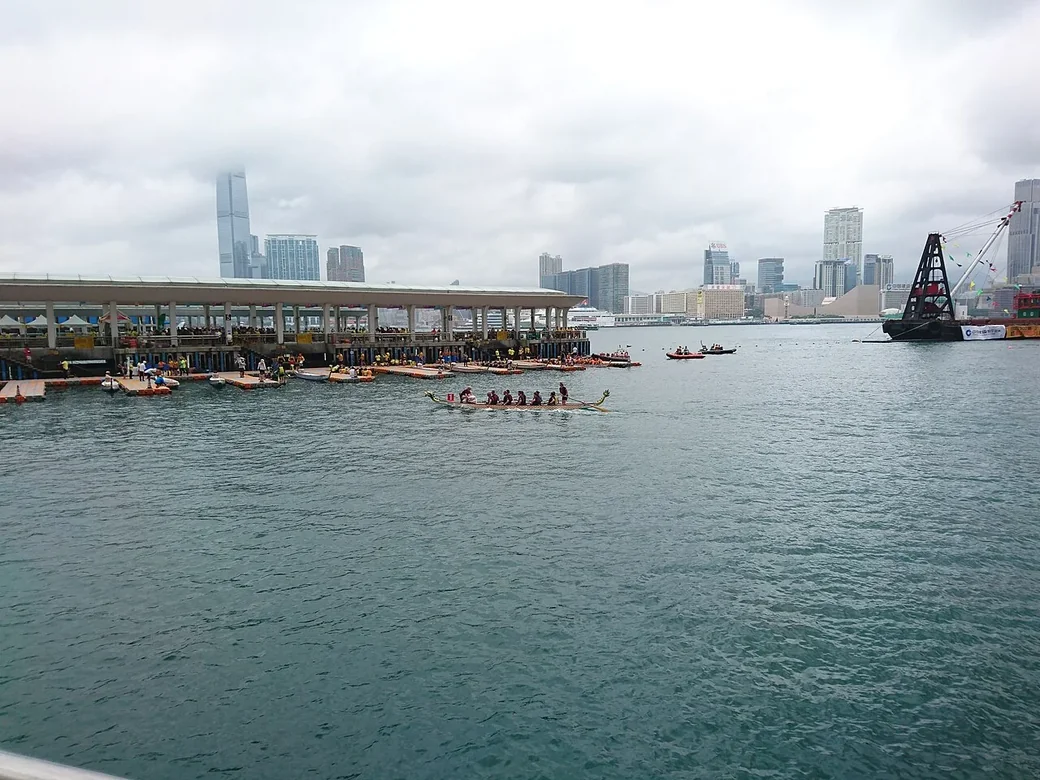
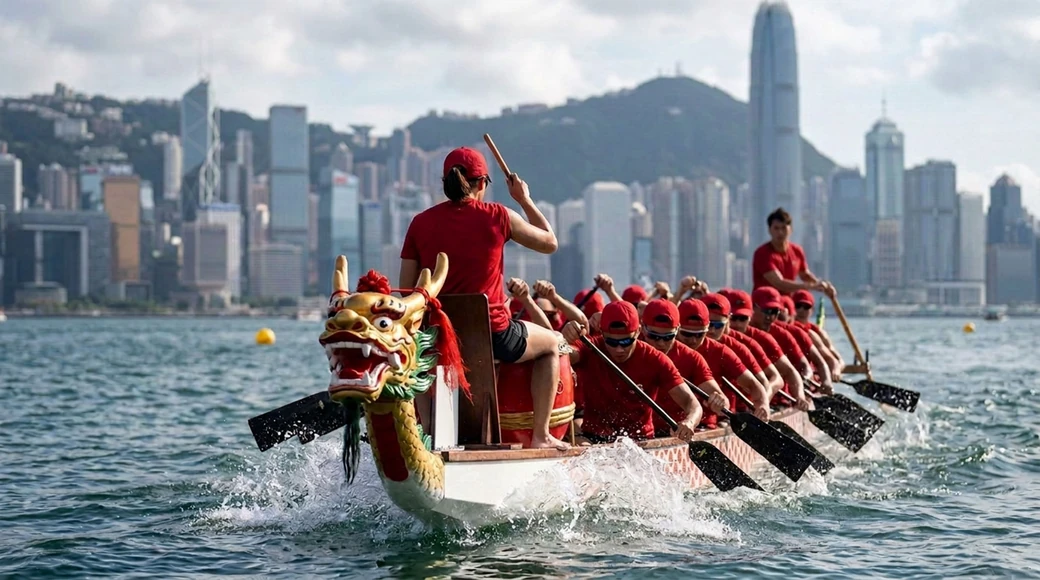
Tuen Ng (Dragon Boat) Festival in Hong Kong, with colourful dragon boats racing on the water and zongzi (leaf-wrapped sticky rice dumplings) shared in a traditional festive atmosphere

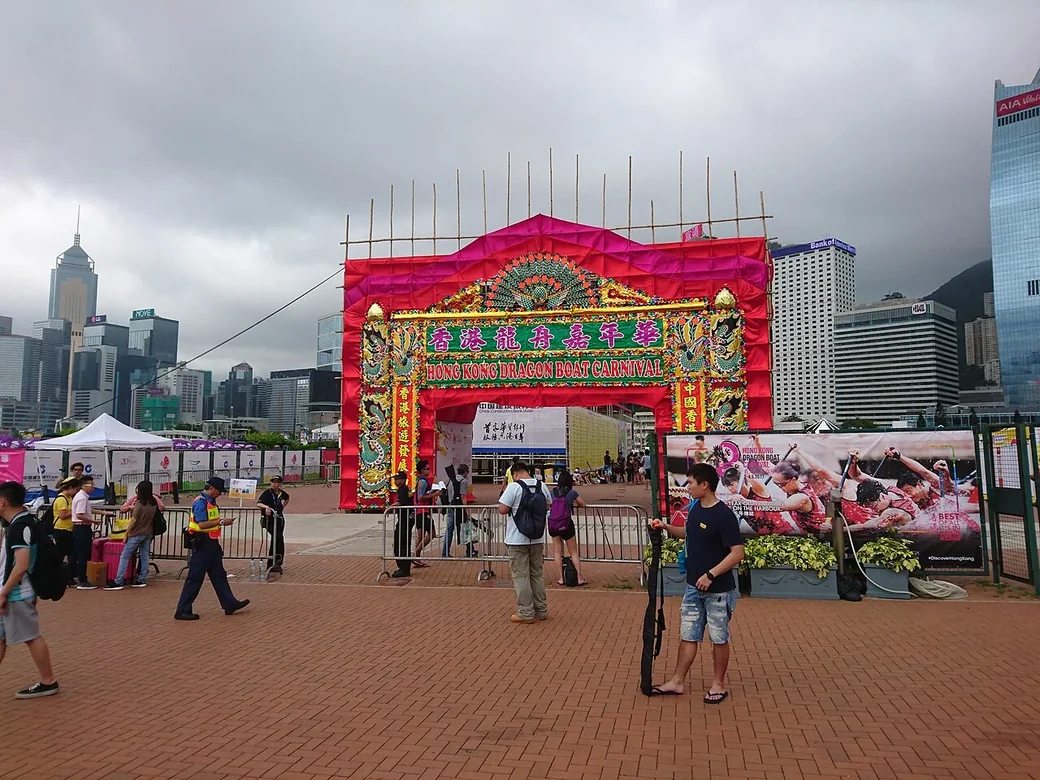
Hong Kong Dragon Boat Carnival – International Dragon Boat Races & Festival

Hong KongJun 9, 2027 – Jun 13, 2027Partial public holiday↻ Annual
Duration:5 daysType:
Sports & Outdoor Events
Admission:FreeLocationAnnual event — exact dates may vary each year

Hong Kong’s biggest dragon boat weekend: elite crews from around the world race on Victoria Harbour in front of the Tsim Sha Tsui skyline, while food stalls, heritage workshops and live shows fill the waterfront. Admission is free.

About This Festival

Hong Kong Dragon Boat Carnival: What It Is and Why Victoria Harbour Hosts It

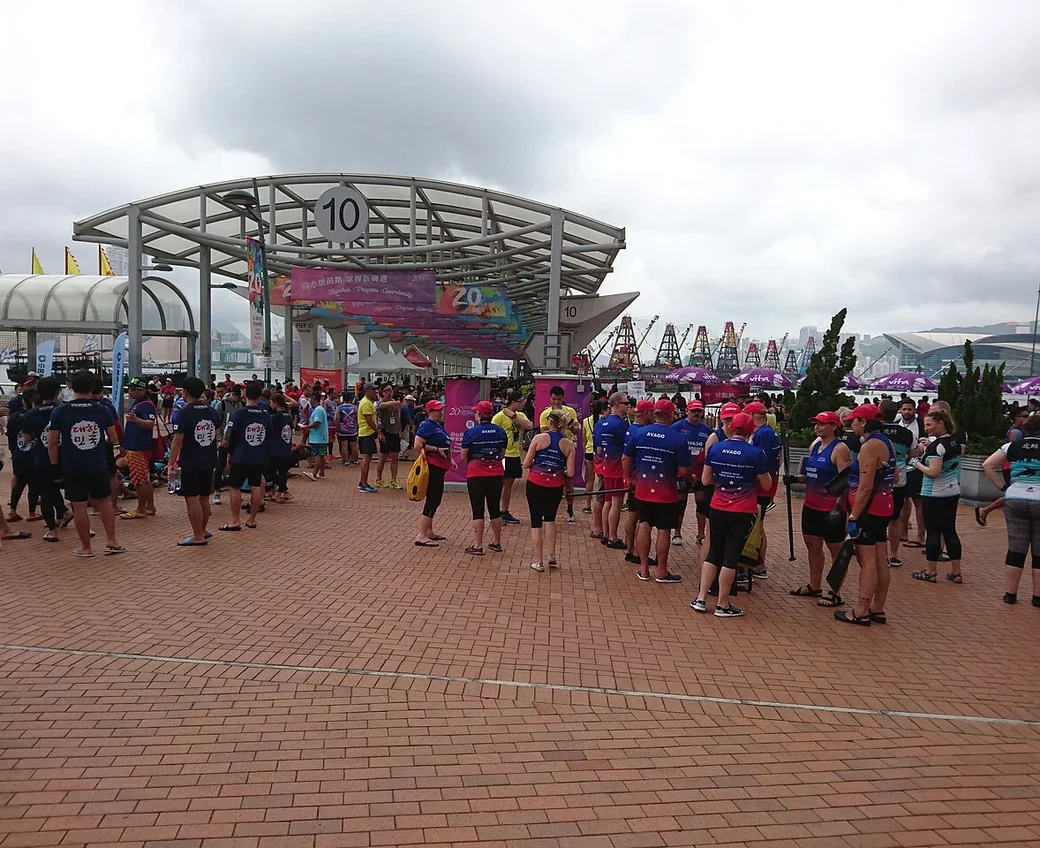
The Hong Kong International Dragon Boat Races are the city’s largest dragon boat event. Every year, crews from Hong Kong, mainland China and a growing list of other countries paddle across Victoria Harbour (the busy waterway between Kowloon and Hong Kong Island), just off the Tsim Sha Tsui East Promenade. The Hong Kong Tourism Board organises the weekend together with the Hong Kong China Dragon Boat Association. Since 2010 the races have been paired with a shore programme known as the Hong Kong Dragon Boat Carnival, and recent editions have grown into a multi-day festival. The 50th anniversary edition welcomed more than 220 teams and over 4,500 paddlers from 16 countries and regions. In earlier carnival years, more than 160,000 spectators and residents filled the waterfront over the event days.
History of the Hong Kong International Dragon Boat Races: From 1976 to Today

The story began with a friendly conversation in 1975 between John Pain of the Hong Kong Tourist Association and Philip Lai Kwok-kui, chairman of a local fishermen’s association. A year later, in 1976, the first international race was held in the Shau Kei Wan Typhoon Shelter with ten teams: nine Hong Kong fishermen’s crews and one team from Nagasaki, Japan. In 1978 the event moved to the Tsim Sha Tsui East waterfront. The International Women’s Championship arrived in 1985, and in 1991 the International Dragon Boat Federation introduced standard fibreglass boats. Since then the weekend has grown from a local tradition into a world-class sporting festival. Foreign residents began joining the festival races in the late 1960s, and the Hong Kong Dragon Boat Association was founded in 1991 (it became the Hong Kong China Dragon Boat Association in 2012). In 1983 a team from Shunde in Guangdong showed a paddling technique that alternated deep and shallow strokes, and rival crews studied it with great interest.

Qu Yuan and the Dragon Boat Legend: Why Hong Kong Races Dragon Boats

According to legend, the festival remembers Qu Yuan, a poet and minister of the Chu kingdom during the Warring States period, who passed away in the Miluo River after being sent away from court. The people who admired him raced out in their boats to find him, beat drums and splashed their paddles to protect him, and threw rice parcels into the water so the fish would leave him in peace. Those parcels became zongzi (leaf-wrapped sticky rice dumplings), and the rescue became the dragon boat race. Historians add that boat races honouring water dragons are probably much older, linked to rain and early-summer rituals. In Hong Kong both stories live happily side by side.

When Is the Hong Kong Dragon Boat Carnival? How the Tuen Ng Date Works

Dragon boat season follows the Chinese lunar calendar, so the Gregorian date changes every year. Tuen Ng (the Cantonese name of the Dragon Boat Festival) falls on the fifth day of the fifth lunar month, usually between late May and late June, and is a public holiday in Hong Kong. On that day neighbourhood races take place across the city. The international races at Tsim Sha Tsui are held on a weekend soon after Tuen Ng, and the harbourfront festival opens around the holiday itself; in 2026, for example, Tuen Ng fell on 19 June, the festival ran from 19 June to 1 July and the races took place on 27 and 28 June. The Hong Kong Tourism Board announces exact dates each spring, so check the official page before booking flights and hotels. The festival is also known as the Double Fifth (for the fifth day of the fifth month) and, in Mandarin, as Duanwu (the Mandarin name of the festival).

How to Get to the Dragon Boat Races in Tsim Sha Tsui and Where to Watch

The races are held off the Tsim Sha Tsui East Promenade, also known as Tsim Sha Tsui Waterfront Park, in Kowloon. In the latest edition covered viewing stands lined the waterfront from the Kowloon Shangri-La hotel to the Bruce Lee Statue on the Avenue of Stars (the waterfront walk of film-star handprints). By MTR (Hong Kong’s metro), East Tsim Sha Tsui Station Exit J is about five minutes on foot and Exit P1 about eight; Tsim Sha Tsui Station Exit E is another good option. The Star Ferry from Central or Wan Chai is a scenic alternative. On race days the Transport Department adjusts pier landings and bus stops near Wing On Plaza on Salisbury Road, so allow a little extra time. In earlier editions the start line stood near Mody Road Garden and the finish line opposite the Kowloon Shangri-La, so the final sprint takes place right in front of the spectators.

Race Programme and Categories: Championships, Silver Cups and the Fishermen’s Cup

A typical race weekend mixes standard-boat championships with special cups. Day one usually features the International Open, Mixed and Women’s Championships; day two brings the Grand Championship finals (the top final of each division), the Silver Cups (second-tier trophy races), the Cancer Survivors’ Championship, which celebrates resilience, and the Guangdong–Hong Kong–Macao Greater Bay Area Championship. The 50th anniversary edition added a Fishermen Invitational Cup, in which local fishing crews raced traditional wooden boats, and a title race that gathered the leading teams of nine categories. Modern races cover 500 metres, while the traditional course along Tsim Sha Tsui was once 640 metres. Races follow one another throughout the day. In the anniversary edition the title race crowned an ‘Ultimate Dragon Boat Champion’.

Fancy Dress Race at the Hong Kong Dragon Boat Carnival: Costumes on the Water

One of the most photographed moments of the weekend is the Fancy Dress competition, in which teams paddle in costume. In a recent edition nine teams took part, dressed as the Monkey King (Sun Wukong, the hero of the classic novel ‘Journey to the West’), the folk figure Ji Gong and popular cartoon characters, and the Monkey King crew took the prize. The playful spirit has deep roots: early carnival editions also featured a celebrity bathtub race and a best-costume award. If you enjoy colour and creativity, this is the moment when the harbour looks like a floating parade.

Inside a Dragon Boat: Drummer, Paddlers and the Eye-Dotting Ceremony

A standard dragon boat carries about twenty paddlers sitting in pairs, a drummer at the front who sets the rhythm, and a steerer at the back. The carved dragon head and tail give the boat its name. Before a race, tradition calls for an eye-dotting ceremony: a Taoist priest, or nowadays a guest of honour, paints the dragon’s eyes to ‘awaken’ the boat and bring good fortune. Traditional teak boats differed in weight, so international competition moved to standard fibreglass boats in 1991, based on a Hong Kong design. Many Hong Kong companies and schools train teams for weeks, and paddles are a familiar sight on the MTR.

Harbourfront Festival: Food Lane, Beer Garden and Intangible Heritage Workshops

Between the races, the waterfront turns into a festival. In the 50th anniversary edition the Avenue of Stars hosted the Dragon Boat Food Lane (a row of festive food stalls) and a Beer Garden with live music, while Salisbury Garden offered a Chill Zone with live screenings of the races and Intangible Cultural Heritage workshops such as fishing-net weaving, sugar blowing and zongzi (leaf-wrapped sticky rice dumplings) making. The stage showed Wing Chun (a Chinese martial art), diabolo (the Chinese yo-yo) and guzheng (the Chinese zither). A 22-metre traditional wooden dragon boat, themed photo spots and a virtual-reality paddling game added to the fun, and every evening the promenade faces the Symphony of Lights show.

Zongzi and Festival Food: What to Taste During the Dragon Boat Festival

Zongzi (pyramid-shaped parcels of sticky rice wrapped in bamboo or reed leaves, called ‘joong’ in Cantonese) are the star of the season. The Cantonese style is savoury, usually filled with pork belly, salted egg yolk, mushrooms and sometimes roast duck, while sweet versions use red bean paste or dates. Hotels and bakeries also create modern flavours. Traditional alkaline-water zongzi (a plain, slightly chewy dumpling eaten with sugar) were part of the heritage workshops. At the harbourfront you can pair them with festival snacks, icy desserts and drinks from the Food Lane while the drums beat in the background.

More Dragon Boat Races in Hong Kong: Stanley, Aberdeen, Sha Tin and Lamma

On Tuen Ng day (the Dragon Boat Festival itself) the whole city races. Stanley Main Beach hosts one of the largest events, with more than 150 local and international teams on a 270-metre course and a beach-carnival mood. Aberdeen, a fishing community with more than a century of racing history, offers a more traditional feel in its typhoon shelter (sheltered harbour). The Shing Mun River in Sha Tin, Tai Po Waterfront Park, Castle Peak Bay in Tuen Mun and Sai Kung also welcome spectators. Lamma Island’s ‘Lamma 500’ is known for its 500-metre and 1,000-metre courses and a relaxed beach party. Each venue shows a different side of Hong Kong. Races are also held at Cheung Chau, Chai Wan and Kwun Tong, Tai Po Waterfront Park runs 500-metre and 300-metre races for medium and small dragon boats, and Aberdeen keeps alive the culture of the Tanka (the traditional boat-dwelling fishing community).

Tai O Dragon Boat Water Parade: Sacred Sampans and a Living Tradition

In the stilt-house fishing village of Tai O on Lantau Island, three fishermen’s associations keep alive a ceremony known as the Dragon Boat Water Parade. The day before the festival, members row dragon boats to four temples (Yeung Hau, Tin Hau, Kwan Tai and Hung Shing) to invite the deities’ statues to their halls. On the festival day the statues travel on small sampans (flat-bottomed wooden boats) towed by dragon boats through the village waterways, while residents offer incense along the banks. According to local legend, the custom began more than a century ago to bring peace and health to the village. It was added to China’s national intangible heritage list in 2011; please keep a respectful distance during the ceremony.

Dragon Boat Folk Beliefs: Dragon Boat Water, Egg Balancing and Protective Herbs

Hong Kong keeps many small customs alive around the fifth day of the fifth lunar month. The rain that often arrives around the festival is called ‘dragon boat water’, and swimming in it is said to bring good luck and health. According to a popular belief, an egg that stands on its end at noon on festival day brings fortune for the year. Some families hang mugwort, calamus and banyan twigs on their doors, and pictures of Zhong Kui, the legendary demon-catcher, are said to guard the home. In the past people also sipped realgar wine, a traditional festival drink believed to keep insects and illness away. UNESCO added the Dragon Boat Festival to its intangible heritage list in 2009. According to another account, zongzi began as rice offerings presented in horns (the old name was jiao shu, ‘horn grain’), and the horns were later replaced by horn-shaped leaves.

Practical Tips for Visiting: Weather, Crowds, Photography and Cantonese Phrases

Early summer in Hong Kong is warm and humid, so bring a hat, sunscreen and plenty of water, and keep a light rain jacket handy because showers are part of the season. Check the Hong Kong Observatory forecast the day before. Crowd-control measures guide visitors along the waterfront, and arriving in the morning gives you the best views. For photos, the promenade frames the boats against the Hong Kong Island skyline. A few Cantonese phrases make cheering more fun: Tuen Ng Jit Faai Lok, ‘Happy Dragon Boat Festival’, Gaa Yau, ‘Go, go!’ and Lung Zau, ‘dragon boat’.

Why Hong Kong Is Called the Birthplace of Modern Dragon Boat Racing

Hong Kong took a fishing-village ritual and shared it with the world. Officials once gifted wooden boats and sent coaches to rowing clubs overseas, and today around 85 countries and regions hold dragon boat events. The sport has also appeared at the Asian Games. The first Club Crew World Championships in the city took place in 2012, and the International Dragon Boat Federation has now incorporated in Hong Kong. Paddlers often compare racing here with playing tennis at Wimbledon, thanks to the Victoria Harbour skyline. Recent editions have welcomed first-time teams from new regions, while the Fishermen Invitational Cup honours the roots of it all. Until the International Dragon Boat Federation was founded in 1991, the Hong Kong races served as the sport’s unofficial world championship, and refurbished boats were once shipped abroad in 40-foot containers to help new cities launch their own races.

Practical Information

When

The festival follows the Chinese lunar calendar. Tuen Ng (the Cantonese name of the Dragon Boat Festival) falls on the fifth day of the fifth lunar month, usually between late May and late June, and the international races are held on a weekend soon after it. Race days run from morning to late afternoon, while the harbourfront festival keeps going from early afternoon into the evening. The Hong Kong Tourism Board announces the exact dates every spring on its official website.

Where

Off the Tsim Sha Tsui East Promenade in Kowloon, facing Victoria Harbour and the Hong Kong Island skyline. Spectators watch from the waterfront between the Kowloon Shangri-La hotel and the Bruce Lee Statue on the Avenue of Stars; the festival stalls and the Salisbury Garden cultural zone sit right behind it. The nearest stations on the MTR (Hong Kong’s metro) are East Tsim Sha Tsui (Exit J or P1) and Tsim Sha Tsui (Exit E).

Cost

Free. Watching the races and visiting the festival area is free of charge; food and drinks are paid for separately.

Tips

Arrive in the morning to find a good spot along the promenade, bring a hat, sunscreen and a water bottle, and keep a light rain jacket in your bag. Check the Hong Kong Observatory forecast the day before. Public transport is the easiest way to arrive, because road and pier arrangements change on race days.

Unique to this festival

This is the place where modern international dragon boat racing began in 1976. You can watch elite crews from a dozen or more countries and regions, enjoy a Fancy Dress race with creative costumes, join heritage workshops such as net weaving, sugar blowing and zongzi (leaf-wrapped sticky rice dumplings) making, and then visit the village-style races in Tai O or Stanley on Tuen Ng day for a completely different atmosphere.

Accommodation and hotel options during Hong Kong Dragon Boat Carnival – International Dragon Boat Races & Festival

Accommodation and hotel options around the event venue, with their prices, are shown by Stay22 as a map and a list. Cookies are used. Your consent is remembered on every page; you can turn it off at any time in the cookie settings.

Keep Exploring

Travel essentials for Hong Kong

Flights, transfers, car rental, eSIM and insurance — compare your options

Flights

Find the best route

Transfers

Airport & city ground transport

Car Rental

Drive at your own pace

eSIM

Stay connected on arrival

Insurance

Cover your trip