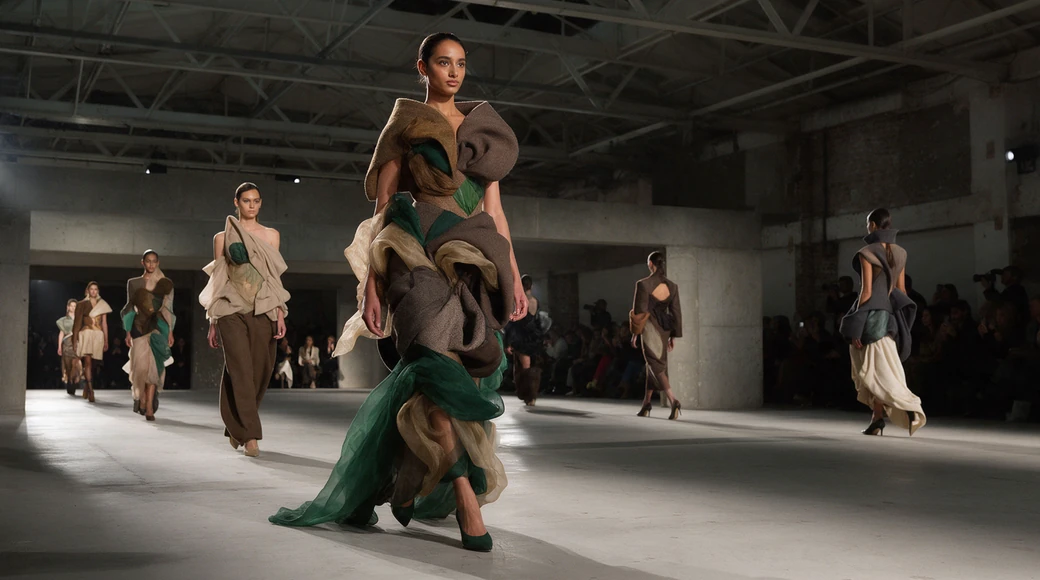
London Fashion Week, with models on a stylish runway under bright lights as an audience of designers and fashion lovers watches from the front rows

London Fashion Week

LondonFeb 18, 2027 – Feb 22, 2027↻ Annual
Duration:5 daysType:
Fairs, Exhibitions & Commercial Events
Admission:FreeLocationAnnual event — exact dates may vary each year

London's twice-yearly fashion week, run by the British Fashion Council: invitation-only catwalks at 180 The Strand, plus a public programme of pop-ups, talks and street style across the Strand, Soho and beyond.

About This Festival

London Fashion Week History: From a Kensington Car Park to the Global Runway

London Fashion Week began in 1984, a year after the British Fashion Council was founded. The first edition was modest: 15 catwalk shows in tents pitched in the car park of the Commonwealth Institute in Kensington, with a designer showroom (a viewing space for buyers) space at Olympia. PR professional Lynne Franks and Annette Worsley-Taylor, founder of the London Designer Collective, helped win the attention of international buyers and journalists. Betty Jackson and Bodymap were among the early names, and the prime minister of the day, Margaret Thatcher, hosted a reception for young designers at 10 Downing Street. The BFC's Designer of the Year award, first won by Katharine Hamnett in 1984, dates from the same moment. The former Commonwealth Institute building in Kensington is today home to the Design Museum. Four decades later, that tent has grown into one of the world's four great fashion weeks (New York, London, Milan, Paris).
What Is London Fashion Week? Seasons, Schedule and How It Works

London Fashion Week is organised by the British Fashion Council and takes place twice a year: in February, when autumn/winter collections are shown, and in September, when spring/summer collections appear. Each edition runs for about five days, in recent seasons from Thursday to Monday. More than 250 designers from London and around the world take part, and a single season can include over forty catwalk shows alongside presentations, showrooms (spaces where buyers view collections) and evening events. London is the second stop in the fashion month that begins in New York and moves on to Milan and Paris. Womenswear and menswear now share one calendar, and many shows are livestreamed (broadcast live online) on the official website, so the event reaches far beyond those who can enter the venues. The week traditionally ends with a show by a major heritage fashion house, and which house closes it becomes clear when the season's schedule is published.

London Fashion Week Venues: 180 The Strand, Somerset House and Soho

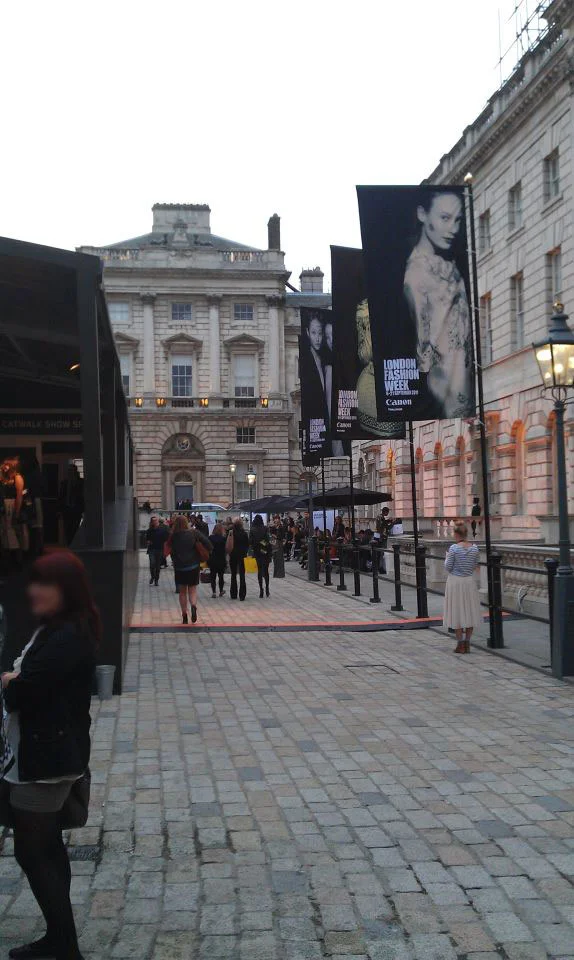
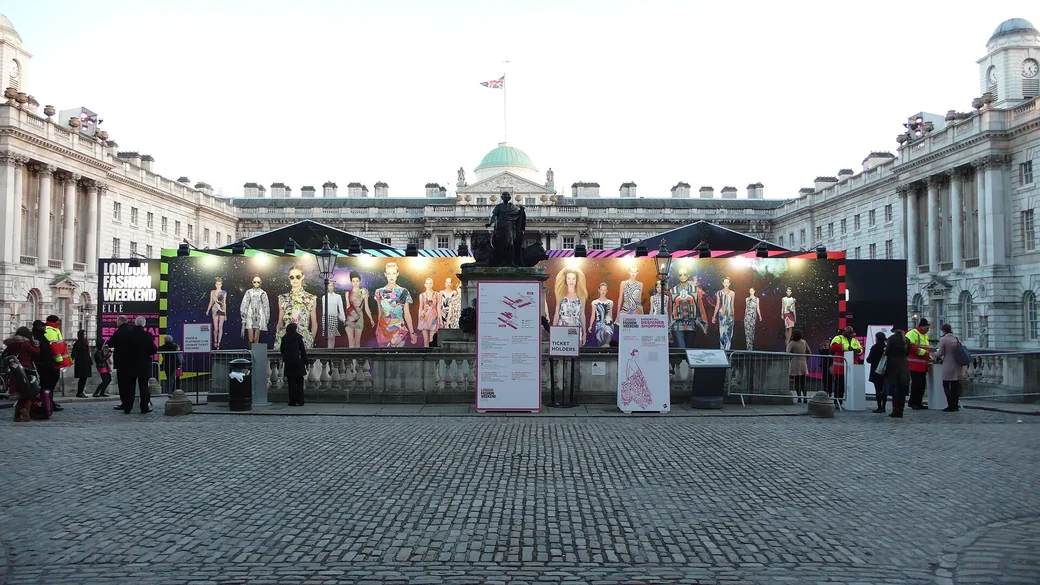
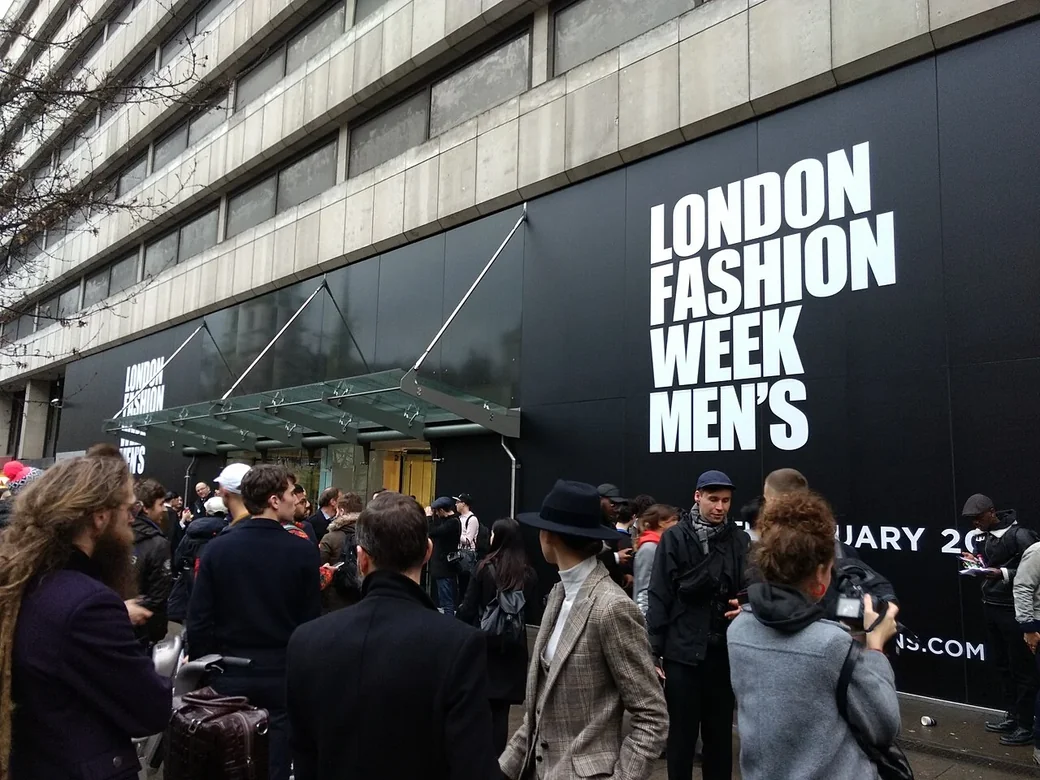
The heart of the week is 180 The Strand (WC2R 1EA), a brutalist (raw-concrete style) concrete building between the City and the West End where the BFC sets up its NEWGEN (the BFC's scheme for emerging designers) show space; Google Maps places it in the Temple area. Fashion week moved there in 2017 after earlier homes that included the Natural History Museum, Somerset House and a multi-storey car park on Brewer Street in Soho. Somerset House, on the same stretch of the Strand, still draws fashion crowds because of its grand courtyard. Many designers also choose their own settings: galleries, historic halls, even the Turbine Hall at Tate Modern in 2011. In the mid-1990s Alexander McQueen also staged some of his best-remembered London shows at the Natural History Museum and in Christ Church, Spitalfields. Show times and addresses change every season, so always check the official schedule before heading out.

How to Attend London Fashion Week: Invitations, Accreditation and Livestreams

The main catwalk shows are not sold to the public; they are for invited guests. Accreditation (an official industry pass) through the British Fashion Council is reserved for industry professionals working at the event: press, buyers (people who choose collections for shops), stylists, photographers, broadcasters, sales agents and content creators with a substantial following. The official criteria ask for a well-established publication or store and proof of recent published work, and student publications are not accredited. Even with accreditation, entry is never guaranteed: each brand's own PR (public relations) team decides who attends, and photographers are asked to contact designer PRs directly for most shows. Each designer also has a profile page on the official website with a biography and collection details, which helps you decide what to follow. If you do not work in the industry, watch the livestreams on the official website, and be wary of third-party listings that promise insider access.

Public Events at London Fashion Week: Pop-Ups, Talks and Exhibitions

You do not need an invitation to feel the atmosphere. Alongside the invitation-only shows, the official schedule lists events marked as open to the public, and brands, shops and galleries stage pop-ups (temporary shops or installations), talks, workshops and installations around the city. In recent seasons these have appeared on Carnaby Street, in shopping centres and in galleries around the Old Truman Brewery in East London. Some need no booking at all, others ask for an RSVP (a reply confirming you will attend), and independent shows run by outside organisers set their own ticketing rules, so read each listing carefully. Treat events that mention London Fashion Week but are not on the official schedule as independent, and confirm who the organiser is before you commit.

London Fashion Week Street Style: Where to Watch and Photograph

Many say the best show happens on the pavement. Photographers gather at the entrance and courtyard of 180 The Strand, around Somerset House, and along the walk through Covent Garden and Soho, where the concrete car park on Brewer Street makes a striking backdrop. Guests arrive in waves, with the biggest crowds about half an hour before the major shows, and the pavement empties once the lights go down. London street style (fashion photographed on the street) is known for refusing perfection: vintage finds meet designer pieces, and practical boots and coats sit beside sculptural shapes. You need no accreditation to watch from public ground. Keep entrances clear, follow security instructions, and ask before taking a close portrait.

Emerging Designers at London Fashion Week: NEWGEN, Fashion East and Graduates

London built its reputation on young talent. The BFC created NEWGEN in 1993 to support emerging designers, and its recipients are chosen by a panel of media and retail experts. Fashion East, led by Lulu Kennedy, gives a platform to a small group of new designers each season; its alumni include Simone Rocha, Wales Bonner and Charles Jeffrey LOVERBOY. Platforms such as Fashion Scout and Global Fashion Collective add independent voices, while a graduate showcase puts the spotlight on students from fashion schools. If you want to discover tomorrow's names rather than watch established labels, follow the NEWGEN show space and the Fashion East presentations on the official schedule.

Fur-Free and Wildlife-Friendly: London Fashion Week's Sustainability Rules

London Fashion Week has taken some of the strictest animal-welfare stands among the major fashion weeks. The BFC pledged a fur-free event in 2018 and introduced a formal fur ban in December 2023. From 2025 it extended the rule to exotic skins such as crocodile, alligator and snake, and designers must agree to these conditions when they apply to show. This made London the first of the Big Four (New York, London, Milan and Paris) to ban both fur and wild animal skins. The rules sit within the BFC's Institute of Positive Fashion, which promotes more responsible practice in materials, waste and sourcing. For visitors, the effect shows in the collections and in designer showrooms that feature upcycled (made from reused materials) and remanufactured pieces.

International Talent at London Fashion Week: Designers Who Made London Home

London draws design students from every continent, and many stay to build their labels here. Bora Aksu, who trained at Central Saint Martins, has shown at London Fashion Week since 2003, weaving the lace, crochet and hand embroidery of his home region into romantic, nostalgic collections. Dilara Fındıkoğlu, also a Central Saint Martins graduate, founded her label in 2016 and is known for corsetry, gothic and punk references, and shows that feel like performance art. Erdem Moralıoğlu's label has become part of the established London calendar. Roksanda Ilinčić, Mary Katrantzou and Huishan Zhang followed the same path, arriving from abroad to study and staying to build labels that are now fixtures on the schedule. Together they show how the city treats fashion as a meeting point of cultures rather than a single look.

London Fashion Week Etiquette, Dress Code and Key Terms to Know

There is no official dress code and no costume is expected; wear what feels like you, because London rewards personality over perfection. Never try to talk your way past a door: security and PR teams manage guest lists strictly, and queue-jumping is frowned upon. Respect people photographing arrivals, ask permission before a portrait, and avoid blocking pavements. Learn a few terms from the schedule: a show is a formal catwalk with seated guests; a presentation is a static display of looks; a showroom is where buyers view collections; the front row is the seating reserved for the most important guests; an RSVP is the reply that confirms your place; and see now, buy now means items are on sale right after the show.

Getting Around London Fashion Week: Tube, Walking and Contactless Payment

Venues cluster around the Strand, Covent Garden and Soho, with others in Mayfair and East London, so plan for walking. Temple station is closest to 180 The Strand, and Covent Garden, Holborn and Charing Cross are also within walking distance. From Heathrow, the Elizabeth line runs directly to Tottenham Court Road at the edge of Soho. Contactless bank cards and phones work on the Tube (London's underground railway) and buses, so you rarely need a separate ticket or cash. Taxis and ride-hailing slow down in heavy traffic, and shows often start close together, so leave a generous gap between appointments. Night buses and the weekend late-night Tube can help after evening events, and left-luggage services in central London store your bags for the day.

Staying Safe and Comfortable During London Fashion Week

Staying Safe and Comfortable During London Fashion Week

Book accommodation as early as you can; the walkable areas of the Strand, Covent Garden, Holborn and Bloomsbury suit the shows best, while Soho is lively but noisy at night. February is cold and often wet, and September can swing between sunshine and showers, so pack a waterproof jacket, layers and comfortable shoes, because you will walk a lot. Crowded central streets attract pickpockets, and phone snatching by passing cyclists and moped riders is a known London risk, so keep your phone away from the kerb. Carry a power bank (portable charger). The emergency number is 999, 111 is for non-emergency health advice and 101 for non-emergency police matters. Central areas stay busy and well lit into the evening, and Soho has long been welcoming to LGBTQ+ visitors; as in any big city, plan your late journey home.

Around London Fashion Week: Soho, Savile Row, Museums and the Fashion Awards

Make the most of the week beyond the venues. Wander Carnaby Street, Berwick Street and Broadwick Street in Soho, where editors and stylists often meet, then compare them with Regent Street and Bond Street for flagship stores. Savile Row, home of London's bespoke (made-to-measure) tailors, is a short walk away, and the fashion collections at the V&A in South Kensington trace centuries of dress. The BFC also organises The Fashion Awards, held at the Royal Albert Hall towards the end of the year to raise funds for the BFC Foundation; tickets have been offered to the public in some years. London's week is one stop in a global circuit that runs from New York to London, Milan and Paris.

London Fashion Week Fun Facts, Legends and Insider Rumours

A few curiosities: the whole thing started with 15 shows under tents in a car park, and today it fills galleries, historic buildings and brutalist (raw-concrete style) concrete. London was the first of the Big Four (New York, London, Milan and Paris) to ban both fur and exotic skins from its official schedule. Legends circulate too. According to a popular saying among street-style photographers (who photograph fashion on the street), the worse the London weather, the bolder the outfits: heavy boots, oversized coats and defiant sunglasses. Industry hearsay also claims that the front-row (the seats nearest the catwalk) seating plan is the real hierarchy of the week, with names shuffled until the last minute. Treat these as folklore rather than documented fact, and enjoy the stories.

Follow London Fashion Week Online: Official Site, Livestreams, Social Media and #LFW

London Fashion Week is usually shortened to LFW, and the easiest way to follow it from anywhere is the official website, londonfashionweek.co.uk. It carries the schedule, a page for every designer and the livestreams of many shows, plus a separate area for press and buyers with images and contacts. On social media, the official @londonfashionweek account on Instagram, together with accounts on TikTok, YouTube and Facebook, shares behind-the-scenes content, and the hashtag #LFW (a searchable keyword that starts with the # sign) gathers posts from guests and street-style photographers all week. Because schedules can change, check the website again on the day you plan to go out. The British Fashion Council's own site, britishfashioncouncil.co.uk, covers its year-round programmes.

One Day at London Fashion Week Without an Invitation: A Walking Route

You can build a satisfying day around the week without entering a single show. Start late morning on the Strand, around 180 The Strand and Somerset House, to watch guests arrive and see the street style. Walk on to Covent Garden for a relaxed afternoon; if the official schedule lists a public talk, pop-up or exhibition with clear booking details, add it here. Around golden hour (the soft light shortly before sunset) head along Regent Street towards Carnaby Street, then finish in Soho with dinner among the editors and stylists who meet there. Add one museum stop, such as the fashion collections at the V&A in South Kensington or the Design Museum, housed in the former Commonwealth Institute whose car park hosted the first fashion week, and keep your plans flexible, since show schedules shift.

Accessibility at London Fashion Week: Step-Free Travel and Event Details

London Fashion Week uses many kinds of buildings, from modern spaces to historic halls, so step-free access (entry without stairs, for example by lift or ramp) differs from one venue to the next. The official website publishes an accessibility statement, and each event's own listing or organiser is the best source for details on entrances, seating and lifts, so contact them before you go. For travel, Transport for London publishes a step-free guide to the Tube network, and the Elizabeth line, which runs from Heathrow to Tottenham Court Road, is designed to be step-free throughout. Leave extra time for crowds near the busiest venues, and choose accommodation on a level, walkable street where possible.

Practical Information

When

London Fashion Week takes place twice a year, in February (autumn/winter collections) and in September (spring/summer collections). Each edition lasts about five days, in recent seasons from Thursday to Monday. Exact dates change every season and are published by the British Fashion Council on the official website.

Where

The central hub is 180 The Strand (WC2R 1EA), where the BFC sets up its show space, a short walk from Temple station. Designers also stage shows and presentations in galleries, historic buildings and other venues across Soho, Mayfair, Shoreditch and beyond. Every address is listed on the official schedule.

Cost

Free. There is no admission fee for fashion week itself. The main catwalk shows are by invitation for industry guests and are not sold as tickets, while public events listed on the official schedule, and independent events run by outside organisers, follow their own booking rules.

Tips

Check the official schedule for events marked as open to the public and watch the livestreams (live video broadcasts) on the official website. Wear comfortable shoes, bring a waterproof jacket and a power bank (portable charger), and pay by contactless card or phone. Arrive early at the street-style (fashion photographed on the street) spots near the main venues.

Specific to this festival

London is known for emerging talent through the NEWGEN programme and Fashion East. The event has a fur-free and exotic-skin-free policy. It is spread across the city rather than held in one fairground, and many shows are livestreamed.

Accommodation and hotel options during London Fashion Week

Accommodation and hotel options around the event venue, with their prices, are shown by Stay22 as a map and a list. Cookies are used. Your consent is remembered on every page; you can turn it off at any time in the cookie settings.

Keep Exploring

Travel essentials for London

Flights, transfers, car rental, eSIM and insurance — compare your options

Flights

Find the best route

Transfers

Airport & city ground transport

Car Rental

Drive at your own pace

eSIM

Stay connected on arrival

Insurance

Cover your trip