Montmartre Grape Harvest Festival in Paris, a parade of costumed groups and brass bands winding through the hillside streets

Montmartre Grape Harvest Festival

ParisOct 7, 2026 – Oct 11, 2026↻ Annual
Duration:5 daysType:
Harvest & Agriculture Festivals
Admission:FreeLocationAnnual event — exact dates may vary each year

Every October, Montmartre celebrates the harvest of its tiny municipal vineyard, Clos Montmartre, with a lively parade, folk music, wine confraternities and neighborhood festivities across the historic hilltop district.

About This Festival

What Is the Montmartre Grape Harvest Festival?

The Fête des Vendanges de Montmartre is Paris's beloved grape harvest festival, born from a single, almost impossibly small vineyard tucked into the hillside of Montmartre. Each autumn, this working-class, artistic quarter transforms into an open-air party celebrating wine, folklore and neighborhood pride. What began as a modest local gathering has grown into one of the largest free public events in Paris, drawing hundreds of thousands of visitors across five festive days. Marching bands, wine brotherhoods from across France and abroad, artisan food stalls and live music fill the cobbled streets, all built around the harvest of the tiny Clos Montmartre vineyard rather than any large-scale wine industry.
A Vineyard Reborn: The Festival's History

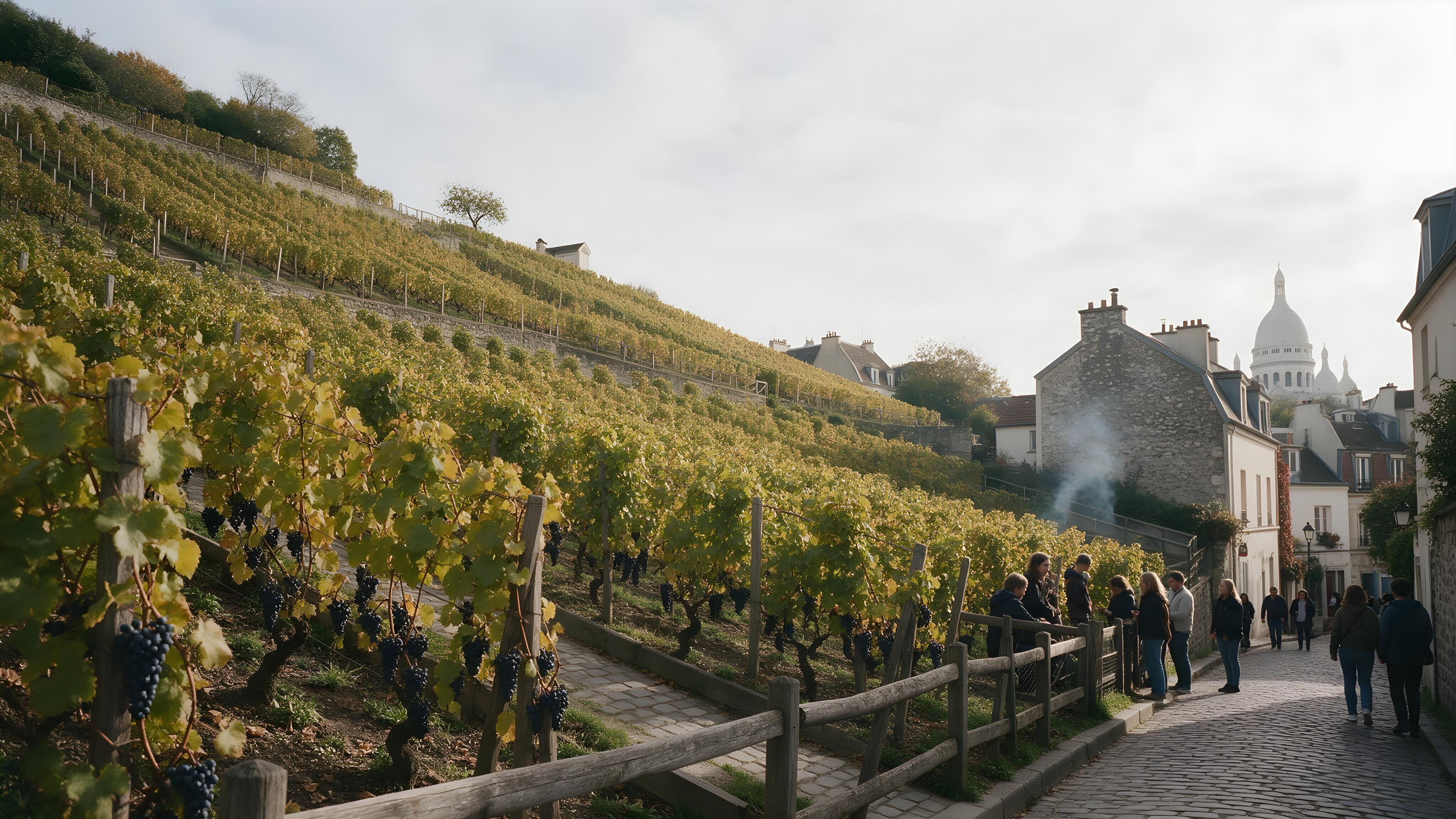
Montmartre's winemaking story stretches back to the Middle Ages, when nuns of the local abbey planted vines on the hillside and the Butte was covered in vineyards. Urban growth gradually erased them, and by the late 1920s the hillside's vines had all but disappeared. Alarmed at the threat of a new building development, Montmartre's colorful cast of local characters, including cartoonists, painters and the self-declared «Free Commune of Montmartre», rallied to save a corner plot at the meeting of two historic streets. Cuttings were gathered from vineyards around France, and the plot was replanted in 1933. The first harvest festival followed the very next year, in 1934 — a charming twist, since the young vines could not yet produce enough grapes of their own, so winemakers from Beaujolais donated bunches to make the celebration possible. The tradition has continued, virtually without interruption, ever since.

Inside the Clos Montmartre Vineyard

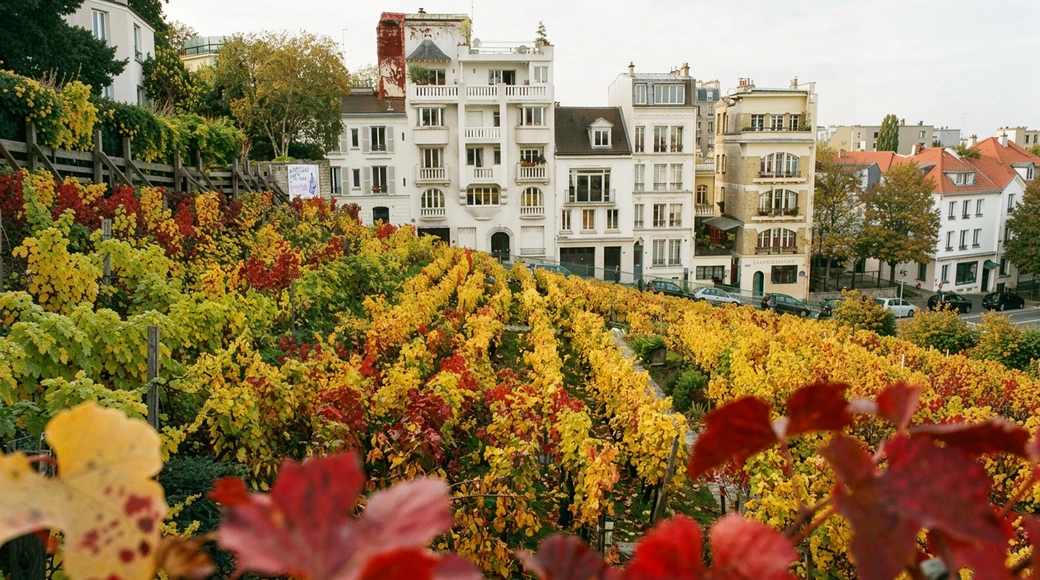
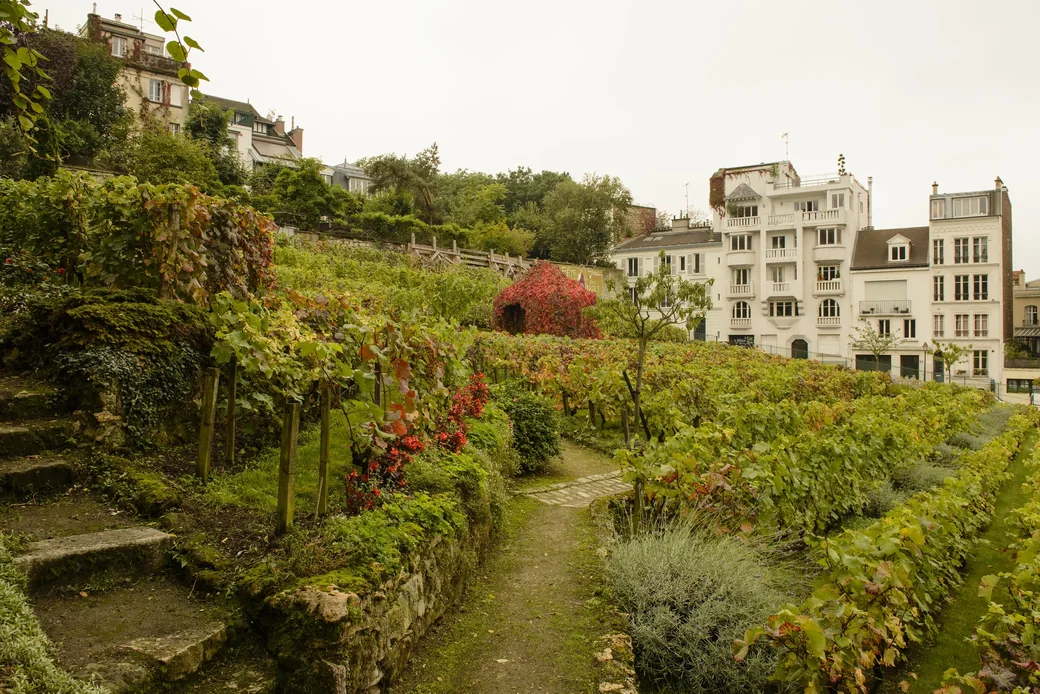
Planted with rows of gamay and pinot noir vines, the Clos Montmartre covers only a small fraction of a hectare, yet it is one of the most photographed vineyards in the world. City gardeners tend the vines year-round, and the modest harvest is vinified in municipal cellars rather than sold commercially at scale — bottles are mostly kept for official gifts, charity auctions and neighborhood causes. The vineyard occupies the corner where two of Montmartre's most picturesque streets meet, framed by a garden pergola and flower beds that make it a quiet, almost secret oasis for most of the year until the harvest brings the crowds.

Where the Festivities Unfold Across Montmartre

Although the vineyard itself is the symbolic heart of the celebration, the festival now spills across the whole hilltop district and beyond. Expect stages, concerts and family activities at squares such as Square Louise Michel below the Sacré-Cœur basilica, ceremonies at the district town hall, tasting stalls threading through the streets around the basilica, and playful traditions unfolding on Place des Abbesses. Because the neighborhood is compact but steep, most sites are within a pleasant, if occasionally breathless, walk of one another, letting visitors move easily between a concert, a tasting and a parade viewpoint over the course of an afternoon. The programme also includes a lighthearted evening run of around five kilometres through Montmartre's illuminated streets, open to anyone who fancies joining in rather than racing seriously.

The Grand Parade: Montmartre's Biggest Procession

The undisputed centerpiece of the festival is the grand défilé, a procession that winds through Montmartre's narrow, cobbled streets between the vineyard and the district town hall. Dozens of wine brotherhoods and folkloric delegations march in ceremonial robes and regalia, joined by marching bands, dancers and community groups, many representing wine regions and sister towns from across France and occasionally beyond. The atmosphere is part carnival, part historical pageant, with onlookers packed several rows deep along the route. Because the streets are narrow, finding a spot well before the parade begins makes a real difference to the view.

The Harvest Ceremony and the Festival's Godparents

Each edition opens its main day with the ban des vendanges, a ceremonial proclamation that officially declares the grape harvest open, echoing rural harvest customs once celebrated across French wine country. A well-known figure from film, music or the arts is invited each year to serve as marraine or parrain, or godmother and godfather, of the harvest, a tradition dating back to the festival's earliest years. Their role is largely honorary, lending warmth and visibility to the occasion, presiding over the ceremony and joining the parade. It is one of the small touches that gives the festival its distinctly Parisian, slightly theatrical charm. The very first godmother, in 1934, was the beloved music-hall star Mistinguett, and the role has since gone to decades of well-known faces from French film, music and theatre. The festival also keeps up one of its more whimsical traditions, the cérémonie des non-demandes en mariage, a tongue-in-cheek ceremony in which couples publicly declare, to general amusement, that they have no intention of ever marrying.

Music at the Heart of the Celebration

Music runs through every corner of the festival, from marching bands accompanying the parade to open-air concerts, choirs and DJ sets that close out the celebrations. Recent editions have placed particular emphasis on giving a stage to emerging local musicians across genres from chanson and soul to electro and hip-hop, reflecting Montmartre's long history as a magnet for artists and performers. Free concert stages typically run across several of the festival days, and squares such as Square Louise Michel become informal open-air venues in their own right. Visitors who enjoy live music can easily build an entire afternoon or evening around the concert schedule alone. The five days traditionally wind down with a closing ball at Square Louise Michel, where music and dancing send the festival off on a joyful note.

Food, Wine and the Tasting Trail

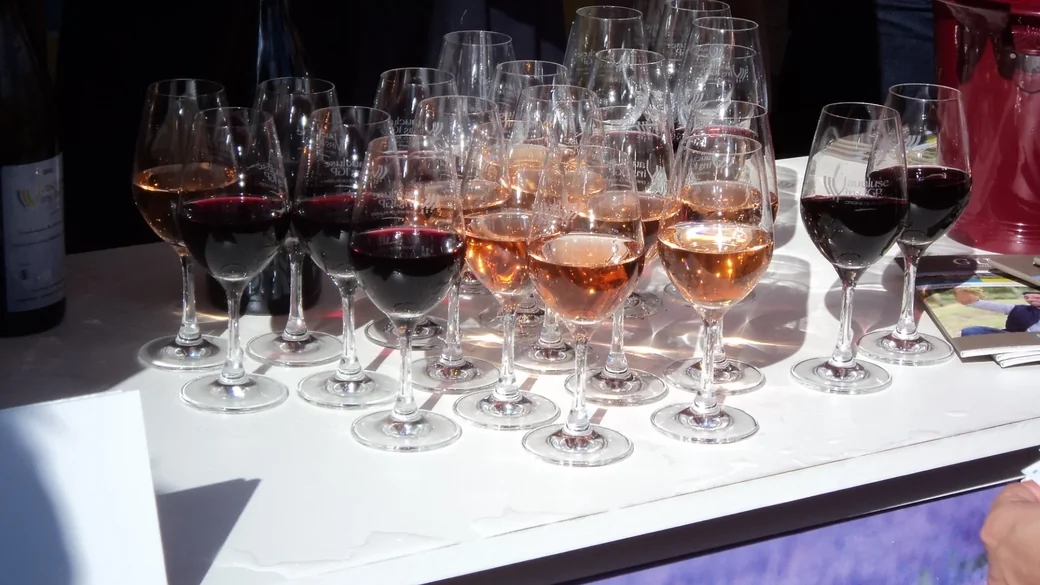
Alongside the parade, the parcours du goût, or tasting trail, is one of the festival's most popular draws, bringing together artisan producers, winemakers and regional food specialists from across France in stalls set up along the streets near the basilica. Expect cheeses, charcuterie, honey, pastries and, of course, wine from small producers and wine brotherhoods, offered for tasting and purchase. It is a grazing visitor's dream, best enjoyed slowly and on foot, moving from one stall to the next. Because these products are sold individually by independent vendors, prices and offerings vary from stall to stall and from year to year.

Getting There and Practical Visitor Tips

The nearest métro stations to the Clos Montmartre vineyard are Lamarck-Caulaincourt and Abbesses, both a walkable, if uphill, distance from the festival's core streets; the funicular from Anvers is a gentler way up to the Sacré-Cœur end of the district. The official festival program is free to attend, though a handful of activities, such as guided vineyard tours, require advance online reservation and fill up quickly. Because Montmartre's streets are narrow, hilly and cobbled, comfortable walking shoes are essential, and visitors with limited mobility should plan routes carefully, as some areas around the parade route become very congested.

Etiquette, Crowds and Staying Comfortable

The festival draws enormous crowds, especially around the parade and the main squares, so keep a close eye on bags and valuables in the tightest streets, just as you would at any busy public gathering. Dress in layers and wear sturdy, comfortable footwear, since Montmartre's staircases and slopes are unforgiving in the wrong shoes. Locals appreciate visitors who queue patiently at tasting stalls, keep pathways clear for parade participants, and are mindful that residents live along the festival route year-round. Arriving a little earlier than planned, and having a backup meeting point if your group splits up in the crowds, makes for a smoother day.

Best Spots for Photos and Atmosphere

For classic festival photographs, the corner of the vineyard along rue des Saules captures the vines against Montmartre's distinctive rooftops, while the streets around Place du Tertre and the steps near Sacré-Cœur offer sweeping views over the parade and the city beyond. The parade route itself, with its costumed confraternities and banners against a backdrop of ivy-clad walls and old street lamps, is especially photogenic in the soft afternoon light. For a quieter, more atmospheric shot, the early morning hours before the crowds arrive let you capture Montmartre's cobbled lanes and vineyard corner in relative calm.

How It Compares to Other Grape Harvest Festivals

Unlike the grand wine festivals of Burgundy, Bordeaux or Champagne, which celebrate large-scale commercial winemaking, the Montmartre festival is charmingly disproportionate: a citywide celebration built around a vineyard so small it produces only a token harvest each year. Its closest spirit is shared with other urban grape harvest festivals found in a handful of cities that have preserved a symbolic vineyard within their boundaries, but Montmartre's version stands out for its scale, its deep roots in the neighborhood's artistic history, and its emphasis on community and folklore over wine commerce. It is less a wine festival, in the end, than a festival that happens to be about wine.

Insider Tips: Experiencing It Like a Local

Residents of the 18th arrondissement often treat the festival as a chance to reconnect with neighbors, and many time their visit around the quieter weekday concerts and tastings rather than the packed weekend parade. Locals also tend to explore beyond the main vineyard corner, wandering into the festival's satellite events in surrounding squares and courtyards where the crowds thin out considerably. Arriving on an early weekday afternoon, chatting with the wine brotherhoods at their stalls, and treating the event as a leisurely neighborhood stroll rather than a single must-see spectacle is, by most accounts, the way longtime Montmartrois enjoy their own festival.

Accessibility on the Butte: Cobbles, Slopes and the Funicular

This is one of the least wheelchair-friendly festivals in Paris, and it is worth knowing that before you set out. Montmartre is built on the highest hill in the city, and the festival spreads across its steepest streets: worn cobblestones, sudden gradients and long flights of steps are the norm rather than the exception. The funicular railway beside the Sacré-Cœur steps is the one genuinely useful shortcut, running on an ordinary metro ticket and covering the climb in about ninety seconds, though queues build heavily on festival weekends. Note that no metro station puts you on level ground at the top: Abbesses on line 12 is the deepest station in Paris, and reaching the street from its platform means a spiral staircase or a lift that is often crowded. Visitors with limited mobility generally have a far better time approaching from the northern side around Lamarck-Caulaincourt, where the slopes are gentler, and focusing on the flatter squares rather than attempting the whole circuit.

Staying in Montmartre: Charm, Stairs and a Village That Fills Up

Montmartre has a dense and varied spread of places to stay, which is unusual for a district that still feels like a village: small independent hotels occupying nineteenth-century buildings, a handful of design-led boutique properties around the Abbesses area, several long-established hostels popular with younger travellers, and a large stock of apartment rentals in the old artists' quarter. What almost none of them have is a lift. Buildings here are typically four or five storeys of narrow winding staircases, so anyone with heavy luggage or difficulty climbing should confirm this specifically before booking rather than assume. The neighbourhood also gets genuinely busy on harvest festival weekend, when rooms are taken by visitors who want to step out of their door straight into the parade route, so booking several weeks ahead is sensible. Those who prefer easier ground and wider choice often stay near Pigalle or Barbès at the foot of the hill, a ten-minute walk from the festivities but on flat streets with better transport links.

Practical Information

When

Held annually over five days in early-to-mid October, running from a Wednesday through the following Sunday.

Where

Centered on the Clos Montmartre vineyard on rue des Saules, with festivities spreading across the streets, squares and venues of Montmartre and the wider 18th arrondissement, including Place du Tertre, Square Louise Michel and the area around Sacré-Cœur.

Cost

Free to attend — the official program of concerts, the parade, the harvest ceremony and most activities carry no entry fee, though some guided vineyard tours and evening events require advance reservation, and food and wine stalls along the tasting trail are paid individually. Check the official website for reservation details.

Tips

Arrive early for the grand parade to secure a good view along the narrow streets, and wear comfortable shoes — Montmartre's cobblestones and stairways make for a hilly, athletic afternoon. Weekday visits are noticeably calmer than the Saturday parade day.

About this festival

Unlike large commercial wine fairs, this is a proudly local, non-commercial celebration built around a single symbolic vineyard tended by city gardeners, with proceeds traditionally supporting neighborhood social programs — making it as much a community festival as a wine one.

Accommodation and hotel options during Montmartre Grape Harvest Festival

Accommodation and hotel options around the event venue, with their prices, are shown by Stay22 as a map and a list. Cookies are used. Your consent is remembered on every page; you can turn it off at any time in the cookie settings.

Keep Exploring

Travel essentials for Paris

Flights, transfers, car rental, eSIM and insurance — compare your options

Flights

Find the best route

Transfers

Airport & city ground transport

Car Rental

Drive at your own pace

eSIM

Stay connected on arrival

Insurance

Cover your trip