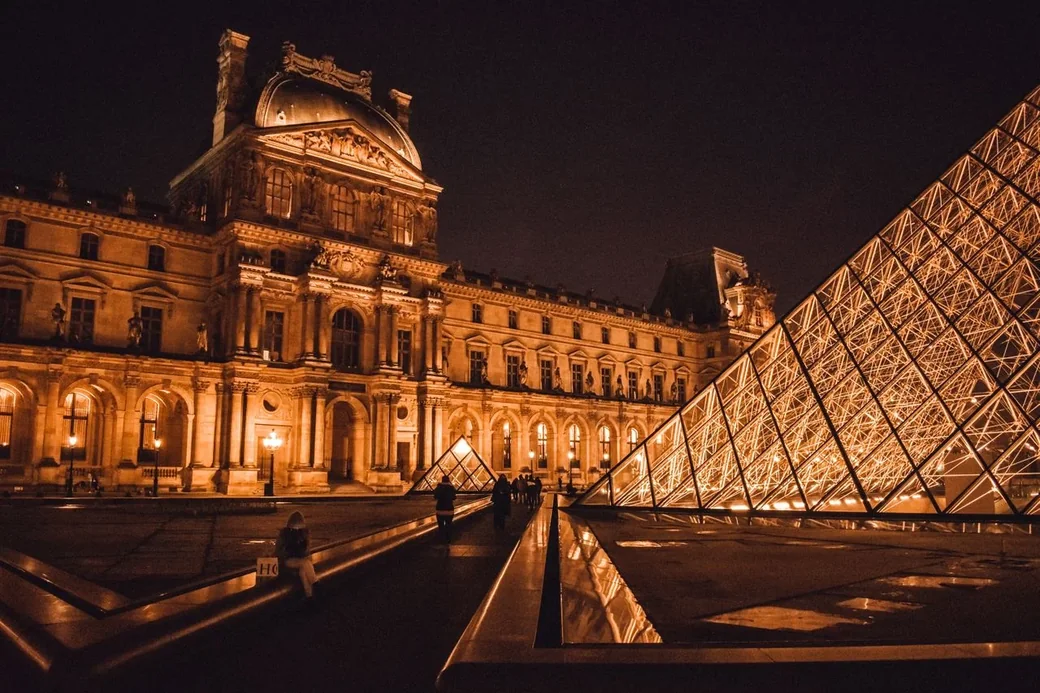
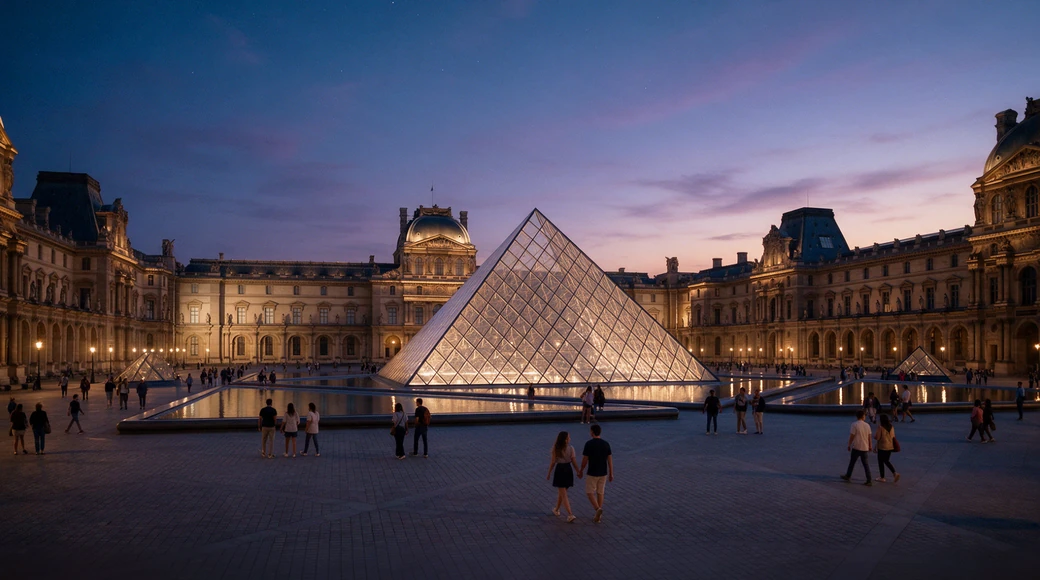
European Night of Museums in Paris, visitors exploring lamplit galleries during the museums' free evening opening

European Night of Museums

ParisMay 15, 2027↻ Annual
Duration:1 daysType:
Cultural & Traditional Festivals
Admission:FreeLocationAnnual event — exact dates may vary each year

Once a year in May, museums across Paris throw open their doors after dark for one free, festive night. Institutions from the Musée d'Orsay to the Palais de Tokyo offer free entry, guided tours, workshops and performances, for art and history in a completely different atmosphere after sunset.

About This Festival

What the European Night of Museums actually is

The European Night of Museums is a continent-wide cultural event coordinated by France's Ministry of Culture, in which thousands of museums and heritage sites across dozens of European countries open their doors free of charge for one evening. In Paris alone, dozens of institutions take part, from grand national museums to small neighbourhood galleries. There is no ticket booth, no single entrance and no central stage: each museum designs and runs its own program independently, which is part of the charm. The result is less a single festival than a citywide, continent-wide invitation to walk into places you might normally pass by, and to see familiar collections presented in an unfamiliar, after-dark light.
A French idea that grew into a European tradition

France's Ministry of Culture launched the concept in 1999 as a daytime "Printemps des musées" (Museum Spring), designed to draw new, younger and more diverse audiences into museums through free access. In 2005 the event shifted to the evening and was renamed "Nuit des musées" (Night of Museums), embracing the idea that after-dark opening hours and a festive atmosphere made museums feel far more approachable. Its European dimension grew out of France's cultural cooperation with other signatories of the Council of Europe's cultural convention, and today dozens of countries coordinate their own national editions on the same evening under the shared banner of the European Night of Museums. What began as a single French initiative is now one of the continent's largest coordinated cultural evenings, still led from Paris but genuinely pan-European in spirit and scale.

A city-wide event with no single address

Unlike a festival held in one park or square, the European Night of Museums is spread across the whole of Paris — and simultaneously across hundreds of other French and European cities. The Musée d'Orsay on the Left Bank, the Petit Palais near the Champs-Élysées, the Musée Carnavalet in the Marais, the Musée de l'Orangerie by the Tuileries and the Palais de Tokyo near the Seine might all be running events at the same time, alongside smaller neighbourhood museums and galleries you may never have noticed before. There is no central program booklet that covers every site in detail; instead, each museum publishes its own evening schedule shortly beforehand. Treat the city itself as the venue, and think of your evening as a personal itinerary stitched together from a handful of these independent stops rather than a single show to attend.

Why a museum after dark feels completely different

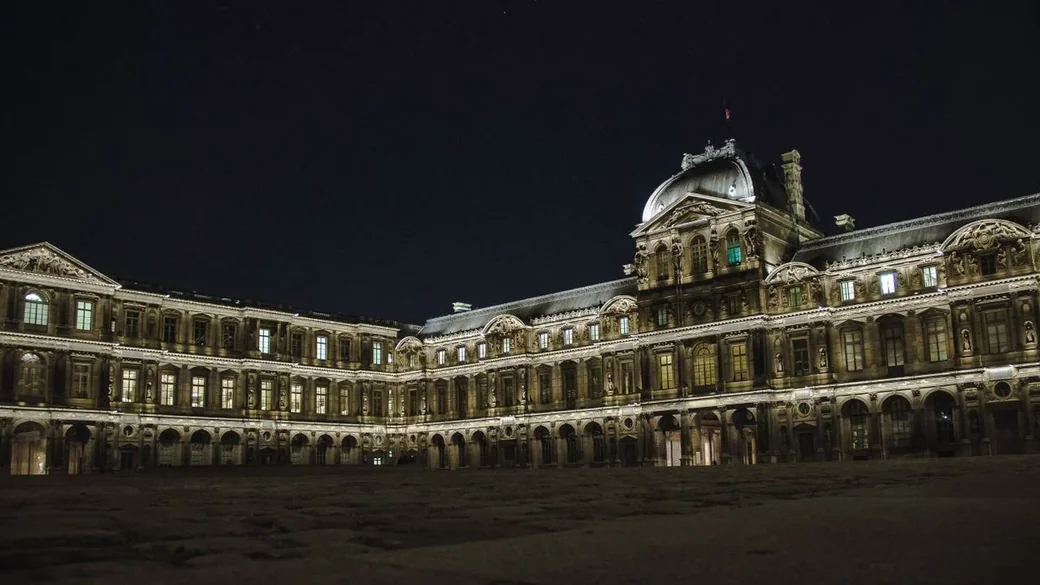
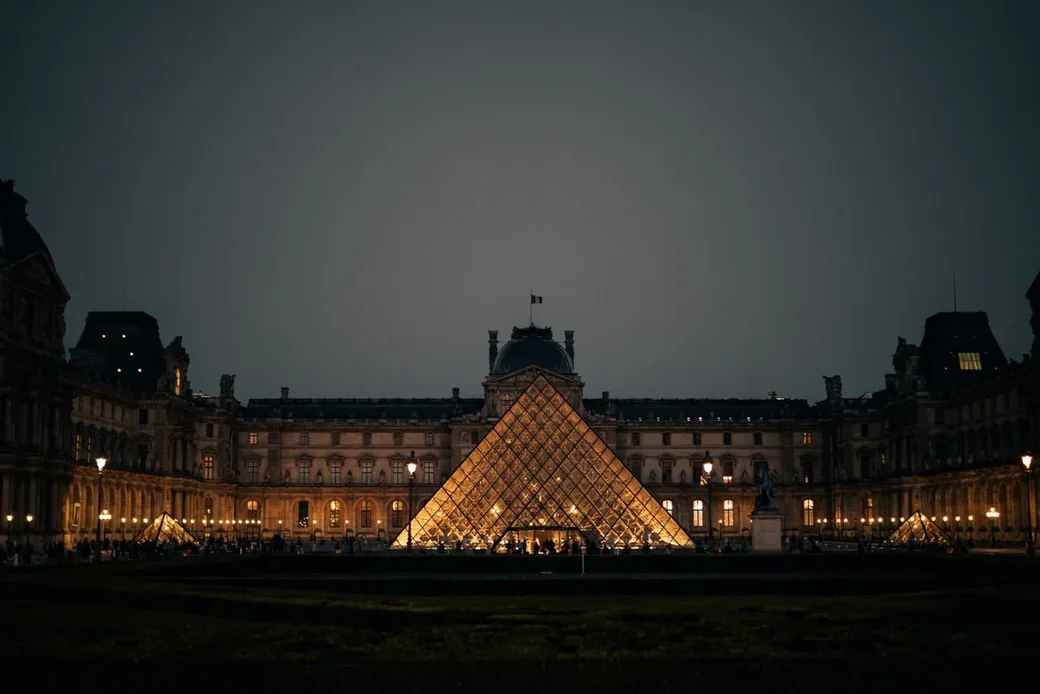
A normal museum visit is quiet and self-directed; this night is deliberately the opposite. Galleries stay open well beyond their usual closing time, often lit differently to create a more theatrical mood, and corridors that are silent by day fill with the buzz of people arriving in groups after dinner. Many museums lay on programming you won't find on an ordinary afternoon: live music or DJ sets in courtyards, drawing and craft workshops for both children and adults, costumed guides, short performances staged among the artworks, and curator-led talks that go deeper than a standard audio guide. Some institutions add sound-and-light elements or projections onto their façades or courtyards, turning the building itself into part of the show. The overall feel is closer to a relaxed, sociable evening out than a formal cultural outing — come with a group of friends or family and treat it as much as a night out as a chance to see art.

Notable Paris museums to look out for — and a note on the Louvre

A handful of institutions are consistently popular on the night. The Musée d'Orsay, with its glass-roofed former railway station and Impressionist collections, often stages a themed evening built around drawing, sculpture or a particular movement, with free entry for the special program. The Palais de Tokyo, one of Europe's largest contemporary art spaces, tends to lean into its late-night identity with a full evening of talks, performances and installations. The Petit Palais, the Musée Carnavalet devoted to the history of Paris, and the Musée de l'Orangerie with its Water Lilies rooms are also reliable, atmospheric choices in the city centre. One important note: the Louvre does not simply throw open its doors free for the general public the way smaller museums do. It typically runs a separate, capacity-limited evening program that requires advance online reservation, so it should not be treated as a guaranteed free walk-in option — check its own site well ahead if the Louvre is on your list.

How to actually plan your evening

Because so many museums participate independently, trying to improvise on the spot rarely works well. A few days beforehand, shortlist three or four museums you would genuinely like to see, ideally clustered in one or two neighbourhoods so you are not crossing the city all evening, and look up each one's own published evening program for exact activities and any reservation requirements. Decide on a rough order — perhaps starting with a big-name museum early, before the biggest crowds arrive, then moving to a smaller, quieter institution later in the night. Building in slack time matters more than usual: queues at the most popular sites can be long, and lingering to enjoy a workshop or performance is part of the point, so a tightly timed itinerary tends to backfire. Comfortable shoes are worth more than any map, since a typical evening involves a fair amount of walking between venues.

Getting around Paris after dark that night

Because the evening stretches on until close to midnight and the venues are scattered across many neighbourhoods, it is worth thinking about transport as part of the plan rather than an afterthought. The Paris metro and bus network generally run later than usual on the night, but not indefinitely, so check the last-departure times for whichever line gets you home, particularly if you are staying outside the city centre. Between museums that are a short walk apart, going on foot is often faster and more pleasant than waiting for a bus, and it lets you enjoy the city's own night-time atmosphere along the way. If you plan to hop between more distant neighbourhoods, budget extra time for the journey, since crowds around the most popular museums can also make nearby streets and transport stops busier than usual.

Museum etiquette for a livelier-than-usual crowd

The relaxed, festive spirit of the night is part of its appeal, but the artworks themselves deserve the same respect as on any other visit. Photography without flash is usually fine, though some fragile pieces or temporary loans may still be off-limits, so watch for signage. Groups tend to move together and can bunch up in front of popular pieces, so it helps to be patient and take turns rather than crowding in. Workshops and guided activities, especially those aimed at children, often work on a first-come basis with limited spots, so arriving a little early for anything you particularly want to join is worthwhile. And because staff are managing much larger crowds than usual across a long evening, a little extra courtesy and patience toward museum attendants and volunteers goes a long way toward keeping the atmosphere as pleasant as it is meant to be.

For a quieter, more insider evening

The most photographed museums are not always the most rewarding way to spend the evening. Smaller, specialist collections — a decorative arts museum, a house-museum dedicated to a single artist or writer, a science or natural history institution, or a municipal museum tucked into a quiet street — often keep a calmer pace all night, with staff who have more time to chat and workshops that do not fill up in minutes. Arriving right at the opening of the evening program, before word spreads and queues build at the headline venues, is one of the simplest ways to beat the crowds anywhere. Locals who do this every year often treat it less as a checklist of famous names and more as a chance to finally visit the small museum around the corner they always meant to see, which is arguably the more memorable way to experience the night.

How it compares to Paris's other open-access traditions

Paris has more than one tradition built around opening up culture for free, and it helps to know how they differ. European Heritage Days, held in September, focus on built heritage — historic buildings, government sites and monuments not normally open to the public, visited mostly in daylight. The European Night of Museums, by contrast, is about art and museum collections rather than architecture, and its whole identity is built around the evening and night-time hours rather than daytime access. It's also worth telling apart from Nuit Blanche, Paris's other major free night-time event: that one is a citywide contemporary-art happening staged once a year with a different artistic director and theme each time, rather than an invitation into the city's museums specifically. Together they reflect a broader French and European habit of periodically waiving the usual barriers to culture, whether financial or physical, so that residents and visitors alike have a standing invitation to explore places they might otherwise never think to visit. Knowing the difference helps you set the right expectations: come to this one for atmosphere, art and an evening out, not for access to buildings that are normally closed.

Accessibility: Why It Varies From Museum to Museum

Because every participating institution runs its own programme, accessibility on this night is not a single standard but a patchwork. The large national museums are generally well equipped, with lifts, ramps, adapted toilets and loaned wheelchairs available at the cloakroom, and many schedule sign-language or touch-based tours specifically for this evening. The smaller venues that make the night interesting, however, are often the problem: private mansions, artists' studios, historic libraries and religious buildings that were never designed for step-free access and are exempt from modernisation as listed monuments. A further complication is that crowd levels change the experience considerably, since a building that is technically accessible can become difficult to navigate when packed with people in dim lighting. Checking one or two chosen museums' own accessibility pages in advance is far more reliable than assuming a citywide standard, and most venues list a phone number for arranging assistance on arrival.

Where to Base Yourself for a Night of Museum-Hopping

Since this event has no single venue, the usual advice about staying near the action does not apply; what matters instead is being within walking distance of several participating museums so you are not dependent on transport late at night. The central arrondissements around the Seine — the Marais, Saint-Germain, the Latin Quarter and the streets behind the Louvre — put the greatest concentration of institutions within a twenty-minute walk of each other, and they also hold the widest variety of accommodation in the city, from long-running family hotels above ground-floor cafés to modern chains, boutique conversions of old townhouses and a substantial number of short-term apartment lets. Because the night falls on a single Saturday in May rather than over a week, it rarely distorts prices on its own, though it coincides with the start of the busy spring season when the city as a whole is filling up. Booking a month or so ahead usually secures good central options at normal rates.

Practical Information

When

Held annually on a Saturday evening in May, usually running from early evening until close to midnight.

Where

No single venue — dozens of museums and cultural institutions across Paris, plus hundreds more across France and Europe, each open independently with their own hours and program.

Cost

Free entry to participating museums for the evening; a few high-demand evening programs at major institutions require advance online reservation since space is limited.

Tips

Choose two or three museums in the same neighbourhood rather than trying to see everything in one night, and check each museum's own program beforehand, since opening hours and activities differ from place to place.

About this tradition

Born in France and now coordinated across dozens of European countries, this night turns an ordinary museum visit into a festive, sociable evening of performances, workshops and installations you won't find during the day.

Accommodation and hotel options during European Night of Museums

Accommodation and hotel options across Paris, with their prices, are shown by Stay22 as a map and a list. Cookies are used. Your consent is remembered on every page; you can turn it off at any time in the cookie settings.

Keep Exploring

Travel essentials for Paris

Flights, transfers, car rental, eSIM and insurance — compare your options

Flights

Find the best route

Transfers

Airport & city ground transport

Car Rental

Drive at your own pace

eSIM

Stay connected on arrival

Insurance

Cover your trip