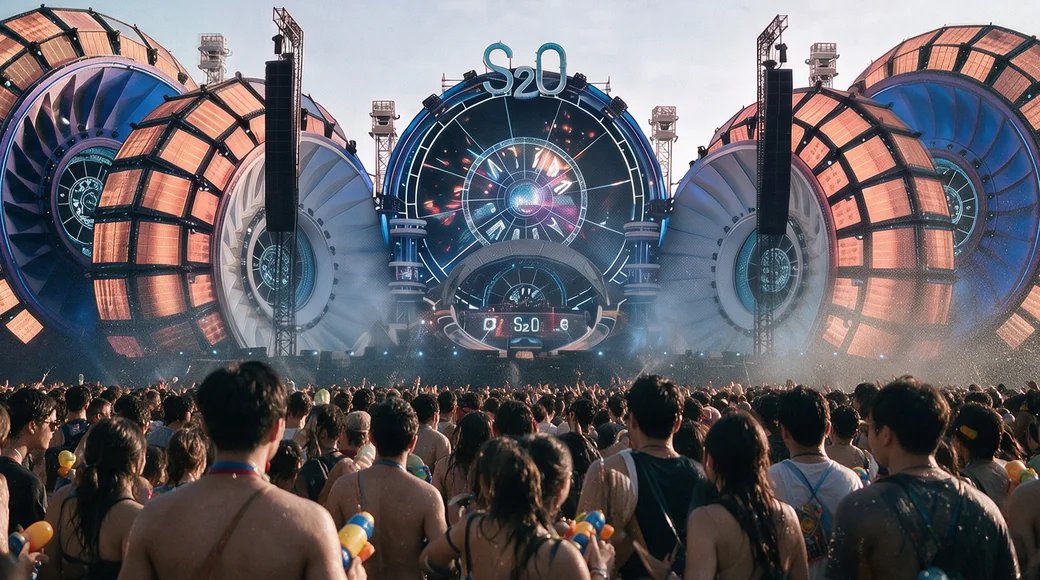
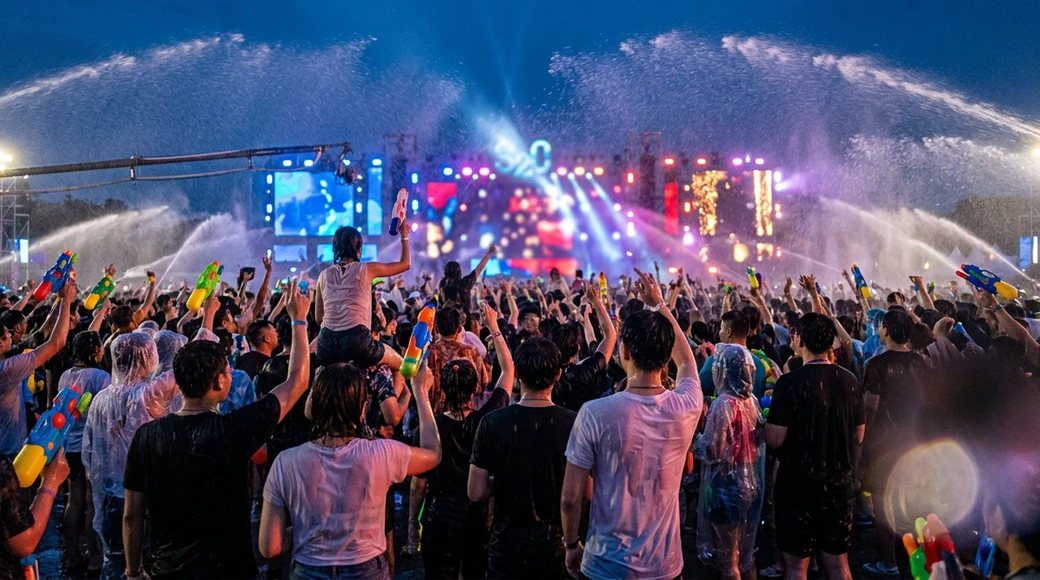
S2O Songkran Music Festival in Bangkok, a dancing crowd soaked by water cannons in front of a massive DJ stage glowing with lights

S2O Songkran Music Festival

BangkokApr 11, 2027 – Apr 13, 2027↻ Annual
Duration:3 daysType:
Music, Stage & Performance Events
Admission:From 2200 THBLocationAnnual event — exact dates may vary each year

Three days of Bangkok's biggest water-and-music celebration, where international DJs play through a 360-degree water cannon system during Thailand's Songkran New Year holiday.

About This Festival

S2O Songkran Music Festival: Where New Year Meets EDM

S2O takes its name from Songkran, Thailand's traditional New Year water festival, fused with H2O - water. Launched in 2015 by S2O Factory, it turned the age-old custom of splashing water for good luck into a full-scale electronic music festival, drawing international DJs and tens of thousands of dancers each year. What began as a single stage in Bangkok has grown into one of Southeast Asia's most recognized music brands, with sister editions now running in cities across Asia and even the United States. Bangkok, however, remains the original and the biggest, the place where the whole idea started and where it still draws the largest crowds every April.
S2O Land: A New Home on Ratchadaphisek Road

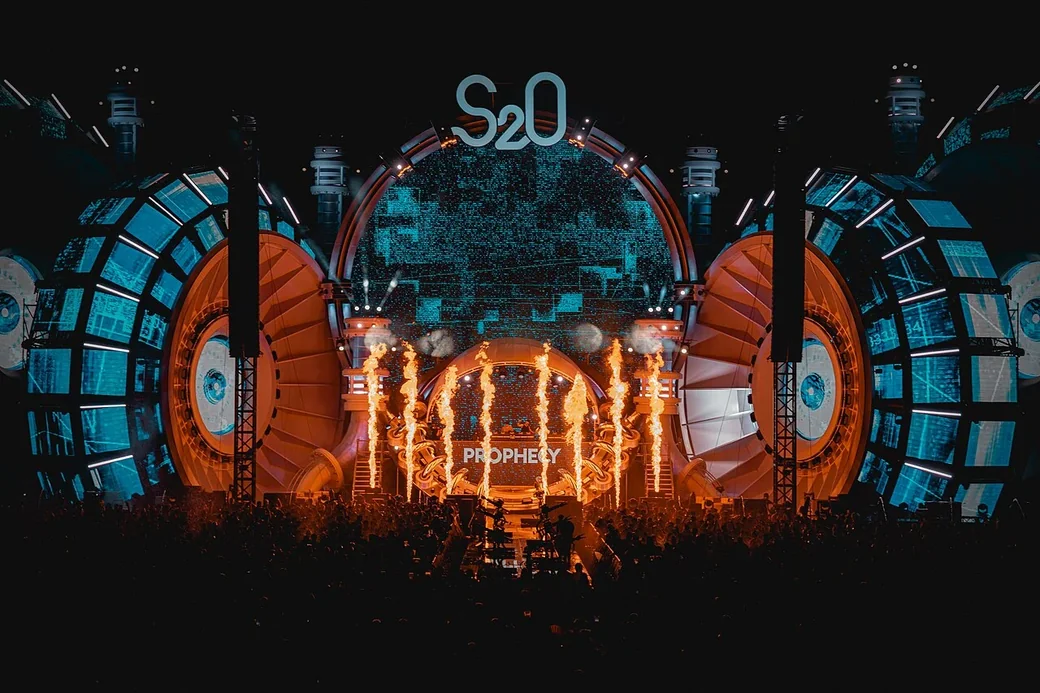
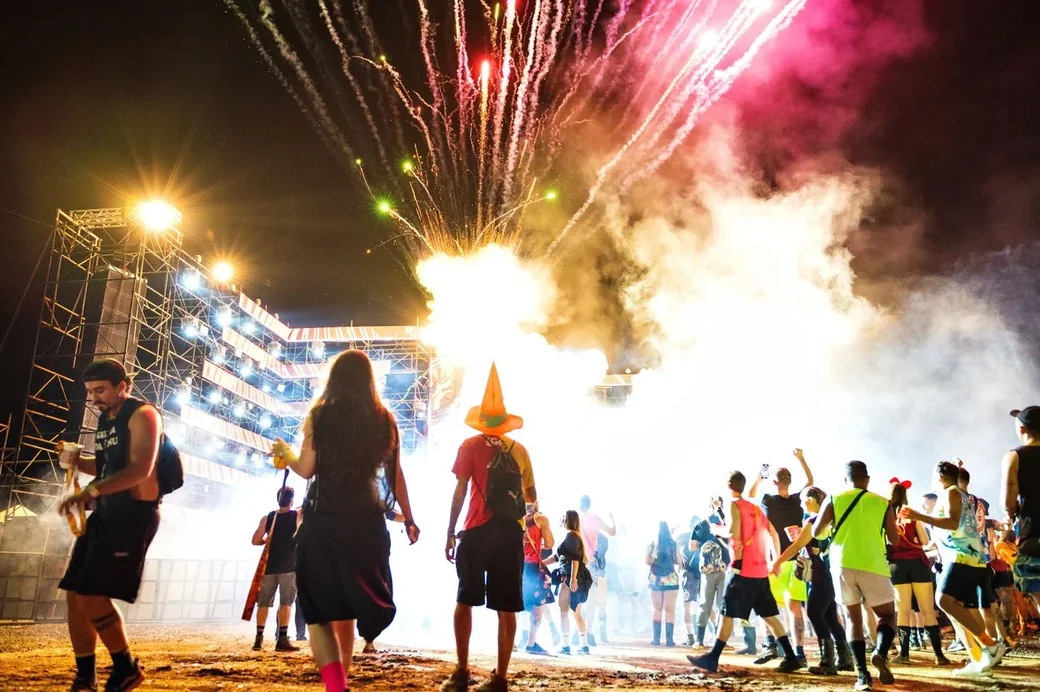
The festival has moved venues several times as it outgrew each one. It started at Show DC Arena, then settled for years at Live Park on Rama 9, before a milestone anniversary edition filled Rajamangala National Stadium, Thailand's largest outdoor venue. The latest move is to S2O Land, a purpose-built ground on Ratchadaphisek Road in the Huai Khwang area, close to the Thailand Cultural Centre. The area sits in one of Bangkok's more central, well-connected districts, mixing shopping malls, hotels and nightlife, so festival-goers land in a neighborhood with plenty to do before and after the gates open.

Wet Zone, Dry Zone: Inside the 360° Water System

The signature feature of S2O is a ring of water cannons mounted above and around the crowd, firing in bursts synchronized to the music so the whole audience gets drenched on the beat. The layout is split into a wet zone, where the water show is constant, and a dry zone for anyone who wants to enjoy the DJs without getting soaked. Most people dive straight into the wet zone, since getting completely soaked is really the point of the whole event - expect fog machines, colored lighting and a genuinely festive, foam-party energy on top of the water itself, all built around a stage production that keeps growing bigger with every edition.

Ticket Tiers and How to Buy Without Getting Scammed

Tickets come in three tiers: Early Bird, the cheapest option but sold as a multi-day pass only and limited in quantity; Regular (General Admission), released in several price waves so the earlier you buy, the less you pay; and VIP, which adds a separate entrance lane, a dedicated viewing area and its own restrooms. Single-day passes exist for Regular and VIP but not for Early Bird. The only safe way to buy is through the festival's official website or its official ticketing partner - third-party resellers and social media listings carry real fraud risk. Once purchased, tickets cannot be refunded, exchanged or transferred to another date, so double-check your plans first. If a category sells out, the organizer also runs an official resale marketplace, which is the only secondhand channel worth trusting.

The 20+ Rule: Why You Need a Real ID or Passport

Entry is restricted to guests aged 20 and above, in line with Thai law, and this is checked strictly at the gate. Security accepts only a genuine, physical ID card or passport - a photo of your document on your phone will not get you in, even if it's clear and legible. Thai nationals should bring their national ID card, driver's license or use the government ThaID app where accepted, while foreign visitors need their actual passport. Since police are present at entry checks and have the right to reject anything that looks like a copy, it's worth keeping your document somewhere dry and easy to reach rather than buried at the bottom of a soaked bag.

Your Wristband Is Your Ticket: Collection and Loss Rules

Your booking confirmation is not what gets you through the gate - a physical wristband is. When you buy, you choose one of two collection methods: picking it up in person at a designated counter with matching identification, or having it delivered, an option available only to addresses inside Thailand. That choice is locked in at purchase and cannot be changed later, so pick carefully if you're flying in. If someone else collects on your behalf, they need a signed original letter of authorization plus copies of both parties' documents. Once the band is on your wrist, treat it like cash: a lost wristband cannot be replaced and you would have to buy a new ticket, while a damaged one can sometimes be repaired for a fee at the help desk if you can show the chip or a remaining piece.

No Re-Entry: Plan Everything Before You Walk In

Once you pass through the gate, leaving means your day is over - there is no re-entry, no exceptions, and no refund for the hours you miss. That single rule shapes how you should prepare. Eat something substantial beforehand, withdraw whatever cash you think you'll need, charge your phone to full, and make sure any medication or essentials are on you rather than back at the hotel. If you're meeting friends, agree on a clear meeting point inside the venue before anyone goes in, because phone screens get wet, batteries drain and networks get congested when tens of thousands of people are on the same few cell towers. Treat the entrance as a one-way door and you'll avoid the most common mistake first-timers make.

Gates, Set Times and Why Each Day Is Different

Gates typically open in the late afternoon, with the first sets starting around an hour later and the music running well into the night. Each of the three days carries its own separate lineup, so a single-day ticket means choosing which artists matter most to you rather than seeing everything. Headliners naturally land in the final slots, but arriving early has real advantages: shorter queues at the entrance and the wristband counter, easier access to lockers, first pick of viewing spots, and time to get your bearings while the crowd is still thin. The full daily schedule is usually published on the official channels shortly before the event, so check it once it's out and build your day around the acts you actually came for.

Getting There: MRT, BTS and Why Not to Drive

The MRT Blue Line is by far the easiest way in, with Thailand Cultural Centre the closest station and Phra Ram 9 a workable alternative. If you're coming from the Sukhumvit side, take the BTS Green Line and transfer to the MRT at Sukhumvit station. Arriving from the airport, the Airport Rail Link to Makkasan followed by a short taxi or Grab ride works well. Several public bus routes also run along Rama 9 Road for anyone travelling on a tighter budget. What does not work is driving: there is no parking at the venue, and the surrounding roads clog badly during Songkran week. Ride-hailing apps are the practical fallback, though surge pricing and long waits are guaranteed when the music stops and everyone leaves at once.

Camera Rules: Action Cams Yes, Big Lenses No

Only compact action cameras of the GoPro type are permitted inside. Turning up with a DSLR or mirrorless body, especially with an interchangeable lens, means being turned away at the security check, so leave professional gear at your accommodation. Selfie sticks and tripods are generally not allowed either, though very short ones may be approved by security on the spot at their discretion. Given that water is being fired continuously across the whole crowd, a waterproof housing or a properly sealed pouch is essential for anything you do bring, and a floating wrist strap is a cheap insurance policy. Many visitors simply leave the camera behind entirely and enjoy the show, which is hard to argue with.

What to Wear and Pack for a Full Day in the Water

Assume you will be soaked from the first minute and dress accordingly: quick-dry synthetic fabrics, a swimsuit or sports top underneath, and nothing made of cotton, which stays heavy and cold for hours. Footwear matters more than people expect - closed water shoes or secured sandals with a back strap beat flip-flops, which get lost in the crowd almost immediately and leave you barefoot on wet ground. A sealed waterproof pouch worn around the neck keeps your phone, ID and cash usable, and reef-safe sunscreen is worth applying before you arrive since the afternoon sun in April is fierce. Pack light overall: the less you carry, the less you have to protect, and a dry change of clothes waiting at your hotel makes the trip home far more comfortable.

Food, Lockers and Lost Property Inside the Venue

Food and drink stalls are spread across the grounds, so you won't go hungry, though queues build up quickly once the headline sets approach - eating earlier in the evening saves time. A paid locker service operates near the entrance and at points inside, which is the sensible place for anything you cannot afford to soak or lose: dry clothes, shoes, a power bank, spare cash. Carrying a bag through a crowd being hit by water cannons is a bad idea by comparison. If something does go missing, there is a lost and found point on site, and items discovered after the event are usually handled through the organizer's official social media channels, so follow those accounts before you go rather than scrambling afterwards.

K2O: The All-Ages K-Pop Water Festival Spin-Off

The same organizer launched a companion festival called K2O, built around K-pop rather than electronic dance music and running as a separate single-day event immediately after the main weekend. The most important difference for travelling families is the age policy: while the main festival is strictly for those aged 20 and over, K2O opens to all ages, making it the option for anyone travelling with teenagers or younger K-pop fans. It requires its own ticket, sold through the same official platform, and a pass to one event does not grant entry to the other. The debut edition drew a crowd in the tens of thousands, and the organizer has signalled that zoning and crowd flow will be refined in future editions.

Free Street Water Fights: Khao San, Silom and Siam

The ticketed festival is only one version of Songkran in Bangkok. During the same week, Khao San Road, Silom and Siam Square turn into open-air water battles that anyone can join for free, with street vendors selling water guns and buckets on every corner. The atmosphere is completely different: chaotic, informal, unprogrammed, and mixed across all ages and nationalities rather than curated around a lineup. Many visitors do both, spending a daytime session in the streets and the evening at the festival, which is a good use of the holiday week. Just be aware that street celebrations come with their own practicalities - keep valuables sealed, expect a dab of white paste on your face in some street areas outside the official zones (where powder is not allowed), as part of the tradition, and be prepared for very crowded pavements.

Where to Stay and How to Get Home Safely at Night

Staying within walking distance of an MRT or BTS station is the single best decision you can make, and the Ratchadaphisek, Rama 9 and Asok areas all work well, offering everything from hostels to business hotels. Book early: Songkran is the busiest travel week of the Thai year, rooms fill months ahead and prices climb sharply the closer you get. Because the festival runs late and the crowd leaves all at once, have a plan for the return trip rather than improvising in the small hours - check the last train times for your line, or budget for a ride-hailing fare at surge rates. If you're staying further out, consider booking somewhere central just for the festival nights; the shorter trip home while soaked and tired is worth the extra cost.

Practical Information

When

Held annually in mid-April, timed with Thailand's Songkran New Year holiday, across three consecutive days. Thailand's official Songkran public holiday runs April 13-15, but the festival's own dates may start a day or two earlier and can shift slightly from year to year.

Where

S2O Land on Ratchadaphisek Road in central Bangkok, a short ride from the MRT Blue Line.

Cost

A ticketed event, not a free festival - passes are sold in Early Bird, Regular and VIP tiers through the official Eventpop platform, with single-day options available for Regular and VIP.

Tips

Buy tickets only through the official website or Eventpop, bring a real passport or government ID since the minimum age is 20, wear quick-dry clothing and waterproof your phone, and arrange your ride home in advance because there is no re-entry once you leave and no parking on site.

Specific to this festival

What sets S2O apart is its synchronized 360-degree water cannon system, firing on the beat across a purpose-built wet-and-dry zone layout that few other music festivals anywhere attempt at this scale.

Accommodation and hotel options during S2O Songkran Music Festival

Accommodation and hotel options around the event venue, with their prices, are shown by Stay22 as a map and a list. Cookies are used. Your consent is remembered on every page; you can turn it off at any time in the cookie settings.

Keep Exploring

Travel essentials for Bangkok

Flights, transfers, car rental, eSIM and insurance — compare your options

Flights

Find the best route

Transfers

Airport & city ground transport

Car Rental

Drive at your own pace

eSIM

Stay connected on arrival

Insurance

Cover your trip