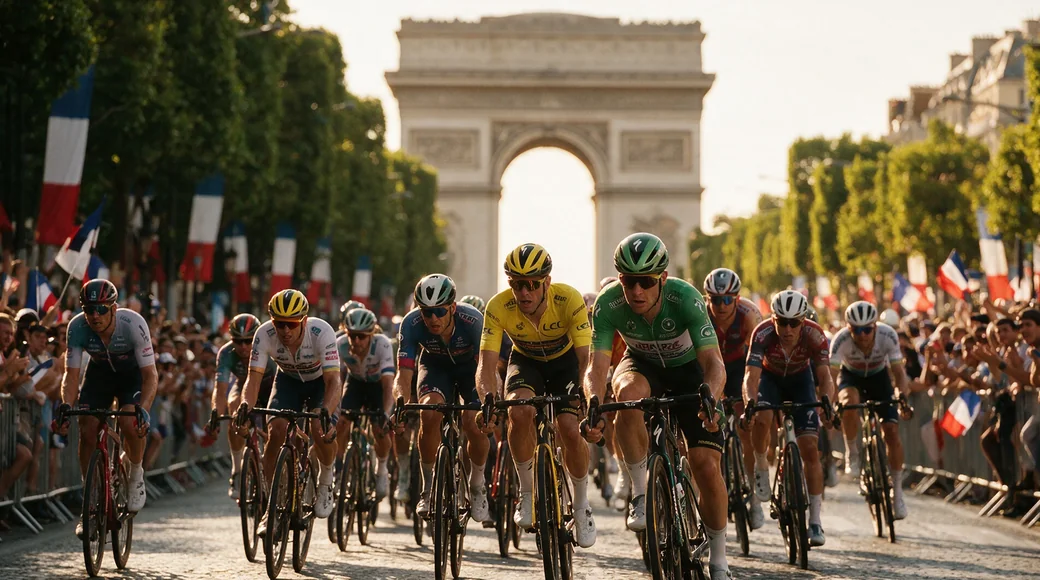
Tour de France finish in Paris, the peloton racing along a cobbled avenue lined with spectators on the final stage

Tour de France Final Stage (Paris)

ParisJul 25, 2027↻ Annual
Duration:1 daysType:
Sports & Outdoor Events
Admission:FreeLocationAnnual event — exact dates may vary each year

The world's most famous cycling race traditionally wraps up in Paris every July, with a finish that now combines a dramatic climb through Montmartre's cobbled streets with the historic sprint down the Champs-Élysées.

About This Festival

What the Tour de France Finale in Paris Actually Is

The Tour de France is the world's most prestigious and widely watched cycling race, and its Paris finish is the sport's most famous single day. After three weeks of racing across France (and often neighboring countries), the peloton arrives in the capital for one last stage that crowns the overall champion in front of enormous roadside crowds. It is less a fresh competition than a grand finale: the overall winner is essentially already decided, and the day itself carries a festive, almost carnival atmosphere before intensifying into a genuine sprint battle in the closing kilometers through the streets of central Paris.
A Tradition Going Back to 1903 — and Still Evolving

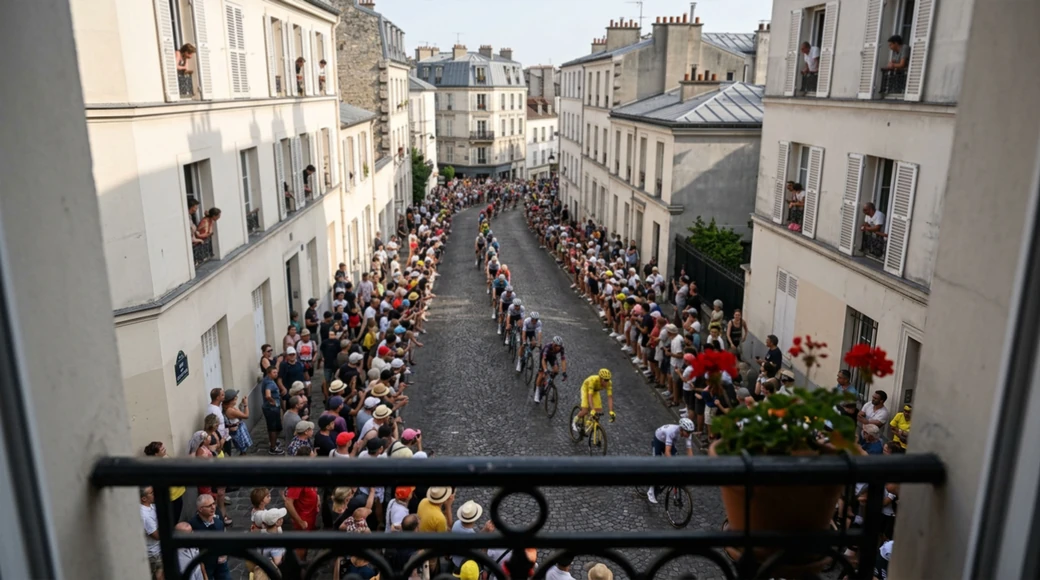
The Tour de France was first held in 1903, quickly becoming cycling's greatest annual spectacle. Its now-famous Paris finish began in 1975, when the race first concluded with laps around the Champs-Élysées, a format that endured for decades and became one of sport's most recognizable images. In more recent years the finale has evolved further, adding dramatic ascents of the Montmartre hill — past the Sacré-Cœur basilica — before the traditional run down the Champs-Élysées. Introduced to great acclaim, the Montmartre addition has drawn record crowds and coverage, giving the race's storied Parisian conclusion an exciting new chapter while keeping its historic heart intact.

Following the Route: From Montmartre to the Champs-Élysées

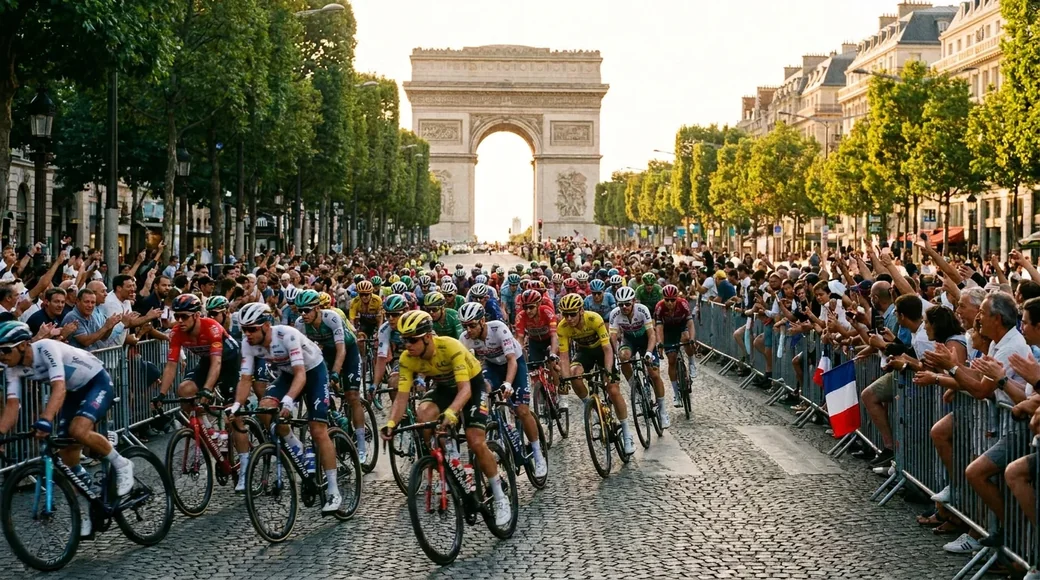
The modern final stage saves its drama for Paris itself. After a largely ceremonial ride in from outside the city, riders tackle multiple ascents of the Butte Montmartre, climbing its steep, cobbled streets near Rue Lepic with the white domes of Sacré-Cœur rising above the crowds. From there the race heads back down into central Paris for its closing circuits along the Champs-Élysées, sweeping past the Arc de Triomphe and toward Place de la Concorde, where the finish line awaits. The combination gives spectators two very different but equally memorable vantage points within the same afternoon.

A Day That Shifts from Celebration to Nail-Biting Sprint

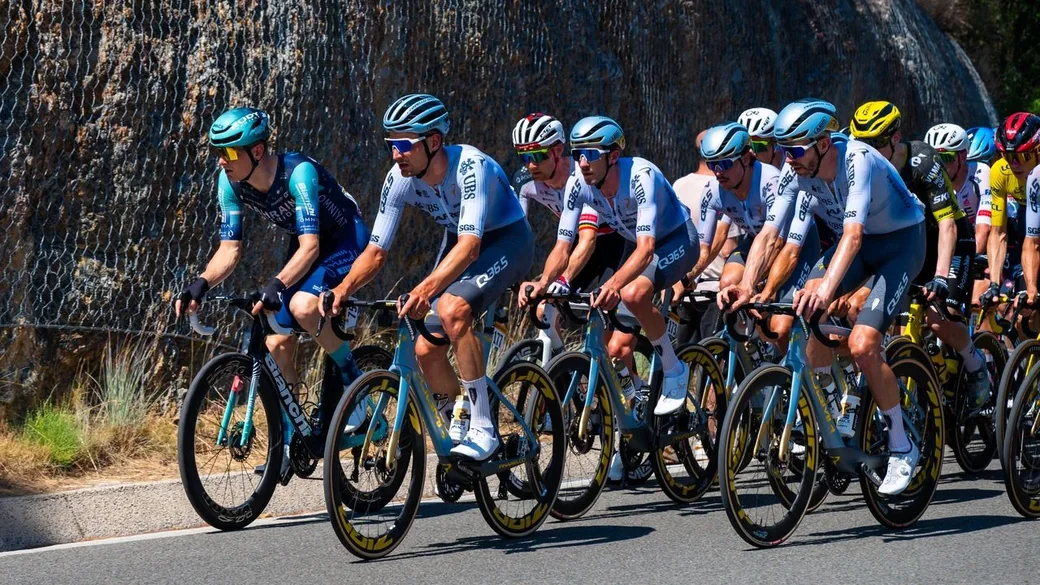
For much of its distance, the final stage feels more like a rolling party than a race: riders often pose for photos, share celebratory drinks, and soak in the applause as they close in on Paris, since the overall winner has typically already been decided in the mountains days before. That relaxed mood changes abruptly once the peloton reaches the capital. The pace surges on the Montmartre climbs and again on the Champs-Élysées circuits, as sprinters' teams organize for a chaotic, high-speed dash to the line. Spectators get to experience both moods in one afternoon — festive procession, then pure racing adrenaline. While the yellow jersey for the overall race lead is usually already settled by this point, the Tour's other three titles — the green jersey for the points and sprint classification, the polka-dot jersey for the best climber, and the white jersey for the top young rider — can still be decided in these final sprints, giving the chaotic dash real stakes beyond pure ceremony.

Where to Stand: A Spectator's Guide to the Best Viewing Spots

Because the whole route is open and free to the public, positioning yourself well is mostly about arriving early. The Champs-Élysées finish straight offers the most electric atmosphere and the best view of the podium ceremony, but space along the barriers fills up many hours ahead of time. The Montmartre climb offers a completely different experience — steep, narrow streets packed with fans just a few feet from the riders, with the Sacré-Cœur as a backdrop. Nearby metro stations typically see long queues and temporary closures as the afternoon goes on, so plan to walk part of the way and build in extra time to reach your spot.

Cheering Like a Local: Roadside Etiquette for the Tour

Watching the Tour de France roadside comes with a few unwritten rules that longtime fans follow. Always stay behind the barriers or designated lines once they are in place, and keep the road itself clear until race vehicles and officials confirm it is safe. Applause and shouts of encouragement (a hearty «Allez!» always goes down well) are welcomed by riders passing at speed, but avoid stepping out to take photos or run alongside the peloton. Keep young children close, hold onto pets, and be considerate of residents living along the route who will be navigating road closures throughout the day.

Staying Comfortable in the Crowds: Practical Safety Tips

A day spent following or waiting for the Tour de France means several hours outdoors in a dense crowd, so a little preparation goes a long way. Bring water, sun protection, and comfortable shoes, since prime viewing spots often require standing for extended periods, and July afternoons in Paris can be warm. Pack light, as bags may be subject to security checks near the finish area, and keep valuables close in the busy crowds. If you plan to move between viewing points, check the timing estimates for each section in advance, since roads reopen only gradually behind the race and getting from one point to another can take longer than expected.

Best Photo Spots — and Where to Escape the Busiest Crowds

For a classic postcard shot, the Champs-Élysées with the Arc de Triomphe in the background is hard to beat, especially during the closing laps when the peloton streams past in a blur of color. On Montmartre, the steep pitch of Rue Lepic with Sacré-Cœur looming overhead makes for a dramatic, more intimate frame. If you would rather avoid the densest crowds, look for a spot slightly further out on the approach roads into Paris, where the pace is still relatively calm, the ceremonial mood is in full swing, and riders often ride close to the barriers waving and chatting with fans.

Why This Finish Matters: The Tour's Place in World Sport

The Tour de France ranks among the largest annually recurring sporting events on the planet, drawing millions of spectators to its roadside over three weeks and a global television audience that spans well over a hundred countries. The Paris finale is the single most-watched moment of that entire race, distilling the event's blend of endurance, tactics, and spectacle into one unforgettable afternoon. The race also keeps a lighthearted tradition at the opposite end of the results: the last-placed finisher overall is nicknamed the 'lanterne rouge', or red lantern, after the warning light once hung on the rear of French trains, and reaching Paris in that unofficial position has its own devoted following among fans.

Fifty Years on the Avenue, and the Climb That Changed the Ending

The race has not always ended here. Until 1975 the Tour finished at the Parc des Princes or on the Vincennes velodrome; the first arrival on the Champs-Élysées came on 20 July 1975, won by Walter Godefroot, and the avenue has kept the finale ever since. For five decades the format barely changed: a ceremonial procession, then laps of the avenue ending in a mass sprint, with the overall winner already decided. That changed in 2025, when the route climbed the cobbled Rue Lepic in Montmartre three times before returning to the Champs-Élysées, an idea borrowed from the 2024 Olympic road race that had drawn around half a million spectators to the same hill. Paris police initially opposed it on security grounds, and the plan only went ahead after the president's office intervened.

The Convoy That Arrives Before the Riders

First-time spectators often arrive at the barrier expecting the cyclists and are surprised by what comes first. Well before the peloton, a long convoy of decorated sponsor vehicles rolls down the route with music playing, and their crews throw small items into the crowd — hats, keyrings, sachets of food, cheap souvenirs. For a great many French families this parade is the reason they come, and children treat catching something from it as the whole point of the day. It also solves a practical problem: the wait at the barrier is long, and the convoy breaks it up rather than leaving you standing for hours with nothing to watch. Worth knowing before you plan your timing, since arriving just before the riders means missing an hour of the atmosphere that regulars consider inseparable from the event.

Accessibility Along a Route With No Seats

Watching a road race means standing at a barrier for a long time with no seating, no shade and no reserved viewing areas of the kind a stadium would provide. On the Champs-Élysées the ground is flat and the pavements are unusually wide, which helps wheelchair users and anyone using a walking frame, but the front rows fill several hours before the riders arrive and the crowd behind becomes too dense to move through afterwards. The Montmartre section is the opposite: steep cobbled streets, stairs and narrow pavements that are difficult or impossible for wheeled access. The practical approach is to choose a flat stretch on the approach roads into central Paris, arrive early enough to take a barrier position rather than a spot behind three rows of people, and identify a side street you can leave by without crossing the route.

Getting Around on a Day When the Centre Closes

The finale shuts down a large part of central Paris to traffic for most of the day, and the closures extend well beyond the avenue itself because the route now loops through Montmartre before returning to the Champs-Élysées. Taxis and ride-hailing cars simply cannot reach the areas you want to be in, and buses are diverted onto routes that avoid the whole zone. The metro keeps running and is by far the most reliable way to move, with one important caveat: stations directly on or beside the route are frequently closed, or opened for exit only, for crowd control. The practical method is to travel to a station one or two stops away from where you intend to stand and walk in from outside the perimeter, and to expect the same on the way home, when several hundred thousand people leave at once.

Where to Stay for the Finish: A Single Afternoon, Peak Season

The finish itself occupies only part of one Sunday afternoon, so almost nobody books a trip around it alone; the accommodation question is really about visiting Paris in late July, when the city is at its busiest and most expensive. Rooms near the Champs-Élysées in the 8th arrondissement are largely business hotels and luxury properties, well located for the finish but poor value for a holiday. Most visitors do better in the wider central districts, where the range runs from family-run hotels and modern chains to hostels and short-term apartments, and where the metro brings you to the route in twenty minutes anyway. If watching the Montmartre section matters to you, note that staying on the hill itself means steep streets and buildings without lifts, which is worth checking before booking.

Practical Information

When

Held on a Sunday in late July, marking the final day of the three-week race.

Where

The route finishes on the Champs-Élysées in central Paris, but the modern finale first sends riders up and down the Butte Montmartre — past Rue Lepic and Sacré-Cœur — several times before the last dash down the historic avenue toward Place de la Concorde.

Cost

Free to watch as a spectator anywhere along the public route — the Tour de France is one of the largest free-to-attend sporting events in the world.

Tips

Arrive several hours early to claim a spot along the barriers, especially near the Montmartre climb or the Champs-Élysées finish line, since these fill up fast. Expect rolling road closures and disrupted metro access near the route through the afternoon and evening.

About this stage

For most of its length the final stage is a leisurely, celebratory procession for the overall race winner, before the pace explodes on the closing laps through Montmartre and along the Champs-Élysées for a thrilling sprint finish.

Accommodation and hotel options during Tour de France Final Stage (Paris)

Accommodation and hotel options around the event venue, with their prices, are shown by Stay22 as a map and a list. Cookies are used. Your consent is remembered on every page; you can turn it off at any time in the cookie settings.

Keep Exploring

Travel essentials for Paris

Flights, transfers, car rental, eSIM and insurance — compare your options

Flights

Find the best route

Transfers

Airport & city ground transport

Car Rental

Drive at your own pace

eSIM

Stay connected on arrival

Insurance

Cover your trip