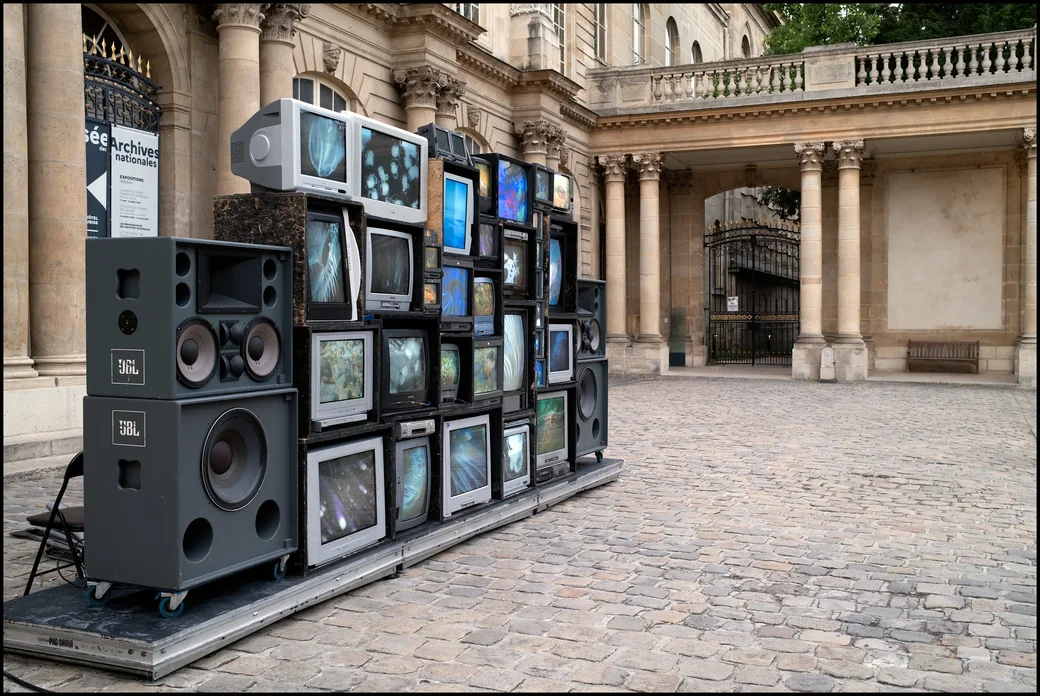
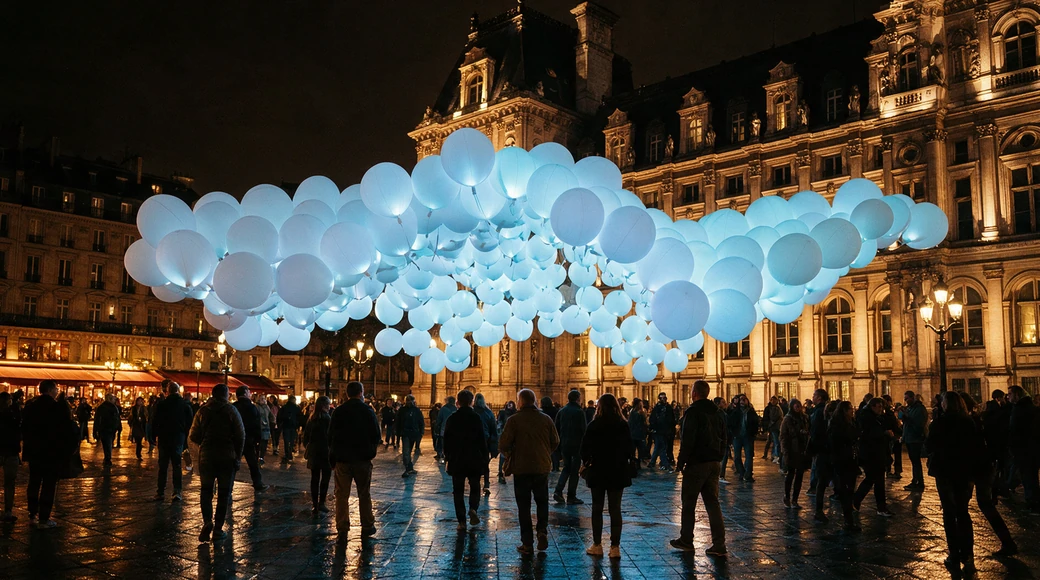
Nuit Blanche in Paris, visitors gathering around an illuminated art installation in a city street after dark

Nuit Blanche (White Night)

ParisJun 5, 2027↻ Annual
Duration:1 daysType:
Cultural & Traditional Festivals
Admission:FreeLocationAnnual event — exact dates may vary each year

Once a year in early summer, Paris turns into a free all-night open-air gallery, with contemporary art installations, light projections and live performances taking over museums, bridges, courtyards and streets from dusk until dawn.

About This Festival

What Is Nuit Blanche? Paris's Free All-Night Art Night

Nuit Blanche, literally “white night,” is Paris's flagship all-night celebration of contemporary art. For one night a year, the boundary between gallery and city dissolves: museums stay open long past their usual hours, and temporary installations, light works, sound pieces and live performances appear in courtyards, squares, church naves, office lobbies and stretches of riverbank that are normally closed to visitors after dark. Everything is free and open to anyone who wants to wander in. The scale is enormous, with well over a hundred artistic proposals spread across dozens of neighborhoods and, in recent editions, sites throughout the wider Paris region, curated each year around a fresh artistic theme and often overseen by a different guest artistic director.
From a Paris Experiment to a Global Movement: The Origins of Nuit Blanche

Nuit Blanche began in Paris in 2002, launched at the initiative of Mayor Bertrand Delanoë and conceived the previous year by his deputy mayor for culture, Christophe Girard, working with the arts curator Jean Blaise. The idea was simple but ambitious: open up contemporary art to everyone, for free, by taking it out of traditional gallery hours and into the fabric of the city itself, all in a single unbroken night. The first edition was a runaway success, drawing huge crowds into museums and public spaces that were suddenly alive after dark, and it quickly became a fixture of Paris's cultural calendar. Its concept proved so popular that it has since been adapted, under the same name or as a local “white night,” by well over a hundred cities on nearly every continent.

Still Annual, Now in Early Summer: How the Format Has Evolved

For its first two decades, Nuit Blanche took place in autumn, traditionally a Saturday night in the early part of the season. Since 2023 the event has moved to early summer, taking advantage of shorter, milder nights while keeping its essential character intact. It remains an annual, single-night, dusk-to-dawn event that is completely free and open to the public, and it has also grown in geographic scope: recent editions extend beyond the Paris city limits into venues across the wider metropolitan area, in partnership with neighboring towns. The theme, artistic director and lead venues change every year, so no two editions look quite alike, but the core promise, a whole city given over to contemporary art for one night, has stayed constant.

A City Without Walls: Art Takes Over Unexpected Places

Part of the magic of Nuit Blanche is discovering art in places you would never normally associate with a gallery. Past editions have turned bridges into stages for light shows, filled church naves and cemetery paths with sound installations, projected moving images onto the facades of grand public buildings, and opened the courtyards of ministries, schools and hôtels particuliers that are closed to the public the rest of the year. Rooftops, quaysides, metro stations and ordinary street corners can just as easily host a work as a major museum. Because the “venue” is the whole city rather than a single site, wandering between installations, discovering one you did not plan to see, is as much a part of the experience as the artworks themselves. One recurring favourite is the Catacombs, where sound and light installations have transformed the underground ossuary into one of the night's most unforgettable stops.

What to Expect: Installations, Light Art and Live Performance

The program leans heavily on works designed specifically for the night: large-scale light projections and illuminated sculptures that only make sense once the sun goes down, immersive sound and video installations, and live performances spanning dance, music and experimental theatre. Many pieces are interactive, inviting visitors to walk through, touch or trigger part of the work rather than simply observe it. Because everything is temporary and site-specific, the program is completely different each year, built around a curatorial theme chosen by that edition's artistic director. Expect a mix of internationally known artists and emerging local talent, shown side by side with the same prominence, one of the qualities that keeps Nuit Blanche feeling fresh even for people who have attended many editions.

The Feeling of Paris After Dark: Nuit Blanche's Unique Atmosphere

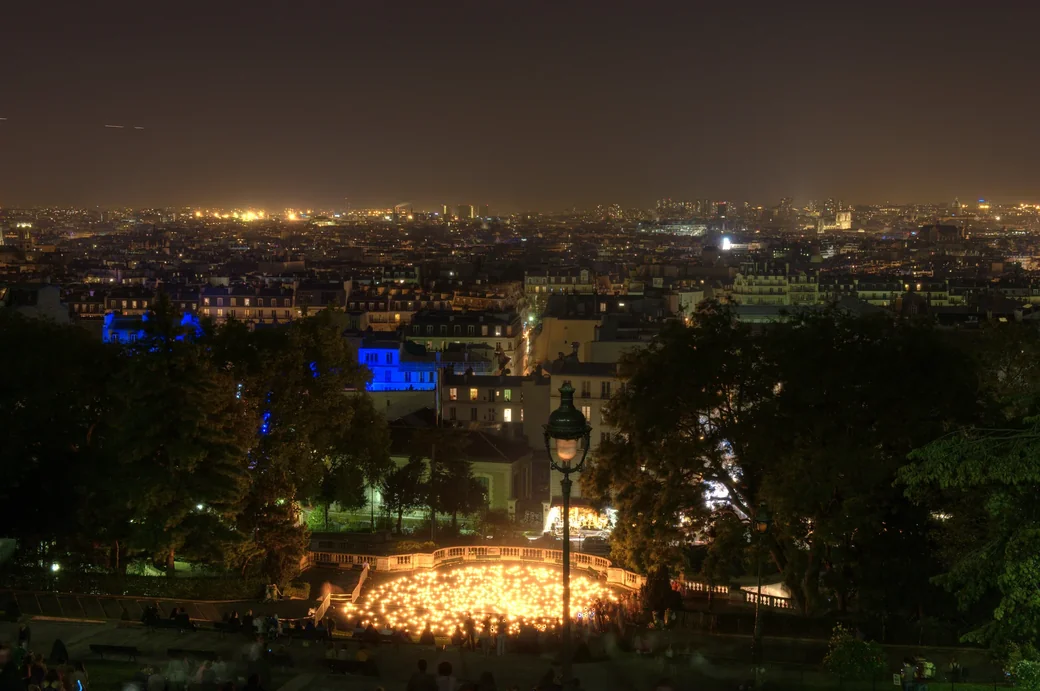
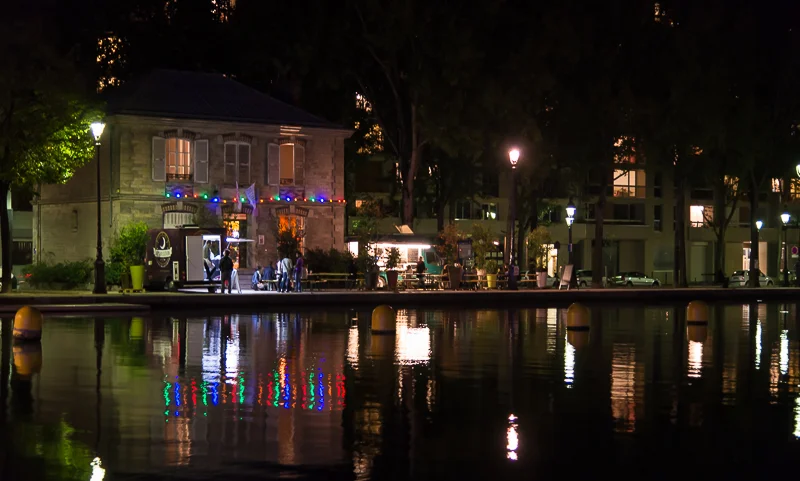
There is something genuinely different about experiencing Paris at three in the morning with thousands of other people out walking the streets by choice. Familiar landmarks look strange and new when lit for an installation rather than for tourism, and the usual late-night quiet of residential streets gives way to a steady, good-natured flow of visitors moving from one site to the next. The mood is curious and unhurried rather than rowdy: people queue patiently for popular installations, strike up conversations with strangers, and treat the whole night as a shared, slightly dreamlike event. As dawn approaches and the light installations start to compete with the rising sun, the atmosphere shifts again, tired but content crowds making their way home as the city returns to its everyday rhythm.

How to Plan Your Nuit Blanche: Pick a Zone, Not the Whole City

With so many installations spread across so much ground, trying to see everything in one night is a losing battle and a fast route to exhaustion. Most seasoned visitors pick one or two neighborhoods, or follow one of the official curated “trails” or itineraries that link nearby installations, rather than criss-crossing the whole city. Check the official program in advance to see which venues interest you most and roughly where they cluster, and build in slack for queues at the most popular installations, since capacity is sometimes limited inside historic buildings for safety reasons. Starting relatively early in the evening, before the biggest crowds arrive, and saving one or two “must-see” installations for later in the night tends to work better than an overly ambitious checklist.

Getting Around at Night: Transport Tips for Nuit Blanche

Because the event runs all night, getting home afterward takes a little more planning than an ordinary evening out. Paris's public transport operator typically publishes special information for Nuit Blanche covering which metro lines, buses and night bus (Noctilien) routes are running and on what schedule, since arrangements can differ from year to year and are not always identical to a normal weekend night. It is worth checking this page a day or two beforehand rather than assuming the usual timetable applies. Walking or cycling between nearby installations is often the most enjoyable way to get around in any case, since much of the program is designed to be encountered gradually on foot, and central Paris is compact enough that many of the main installation clusters are within comfortable walking distance of one another.

Nuit Blanche Etiquette: How to Be a Considerate Visitor

Nuit Blanche draws an enormous, good-humored crowd, and a little consideration goes a long way toward keeping the atmosphere pleasant for everyone. Queue patiently at popular installations rather than pushing forward, and follow instructions from the volunteers and staff who direct crowd flow through busy sites. Many works are delicate or interactive in ways that can be damaged by rough handling, so treat installations gently and keep young children close in crowded indoor spaces. Because much of the event unfolds in residential neighborhoods, keeping noise reasonably low late at night, especially away from the main installation sites, is appreciated by residents who live there year-round. Photography is generally welcome, but be mindful of other visitors' views and avoid using flash on light-sensitive works.

Comfort and Safety Tips for a Long Night Out

An all-night event on foot calls for some practical preparation. Comfortable, broken-in shoes make the biggest difference, since most visitors end up walking several kilometers over the course of the night. Temperatures drop noticeably after midnight even in early summer, so bringing a light jacket or extra layer is worth it even if the evening starts out warm. Large crowds gather around the most popular installations, so agree on a meeting point with your group in advance in case you get separated, and keep an eye on children and older relatives in tight spaces. As with any big nighttime crowd event, sticking to well-lit, populated routes, keeping valuables secure in a zipped bag, and pacing yourself with food and water breaks rather than powering through the entire night in one stretch will make for a much more enjoyable experience.

Insider Tips: Skip the Queues, Find the Hidden Gems

The most heavily promoted installations, usually the largest light projections on famous facades, draw the biggest crowds and the longest waits, so visitors looking for a quieter experience often do better exploring the smaller, less publicized works tucked into side streets, local libraries, neighborhood churches or district town halls. Arriving at a popular site either soon after the event begins or in the last couple of hours before dawn, rather than at the peak of the evening, generally means shorter queues. Locals recommend picking a single arrondissement you already love and exploring it thoroughly rather than chasing the most photographed spots across the whole city; the smaller-scale, more intimate installations are often the ones visitors remember most fondly, precisely because they were not the ones everyone else was also queuing for.

A Paris Original That Went Global

Nuit Blanche's success in Paris inspired a wave of imitators, and today cities on almost every continent hold their own version of an all-night art festival, some keeping the French name and others translating it, such as “White Night.” Toronto's Nuit Blanche, running since 2006, has grown into one of the largest, drawing hundreds of thousands of visitors each year, while Melbourne's White Night became a major fixture of the Australian cultural calendar after its 2013 launch. Brussels holds its own Nuit Blanche in the heart of the European Quarter. Within Paris itself, Nuit Blanche sits alongside other free cultural nights such as European Heritage Days and Museum Night (La Nuit des Musées), each opening up a different slice of the city's culture for free, but Nuit Blanche remains distinct as the only one built entirely around new and temporary contemporary art rather than heritage sites or existing museum collections.

Practical Information

When

Annually, on one Saturday night in early summer, running non-stop from dusk until dawn (the event moved from its original autumn date to early June starting in 2023).

Where

No single venue — art installations, light projections and performances are staged across museums, public buildings, bridges, courtyards and streets throughout Paris, with some editions extending into the wider Paris metropolitan area.

Cost

Free and open to everyone, all night long.

Tips

Plan a loose route around one or two neighborhoods rather than trying to see everything, wear comfortable shoes and bring a layer for the cool night hours, and check the public transport operator's Nuit Blanche page in advance, since night-time metro and bus arrangements can vary from year to year.

About this event

Launched in Paris in 2002, Nuit Blanche pioneered the idea of a free all-night contemporary art trail and has since inspired sister “White Night” events in cities such as Toronto, Melbourne and Brussels.

Accommodation and hotel options during Nuit Blanche (White Night)

Accommodation and hotel options across Paris, with their prices, are shown by Stay22 as a map and a list. Cookies are used. Your consent is remembered on every page; you can turn it off at any time in the cookie settings.

Keep Exploring

Travel essentials for Paris

Flights, transfers, car rental, eSIM and insurance — compare your options

Flights

Find the best route

Transfers

Airport & city ground transport

Car Rental

Drive at your own pace

eSIM

Stay connected on arrival

Insurance

Cover your trip