Gallery by Gallery: Meteorites, Rare Birds and the Details Most People Walk Past
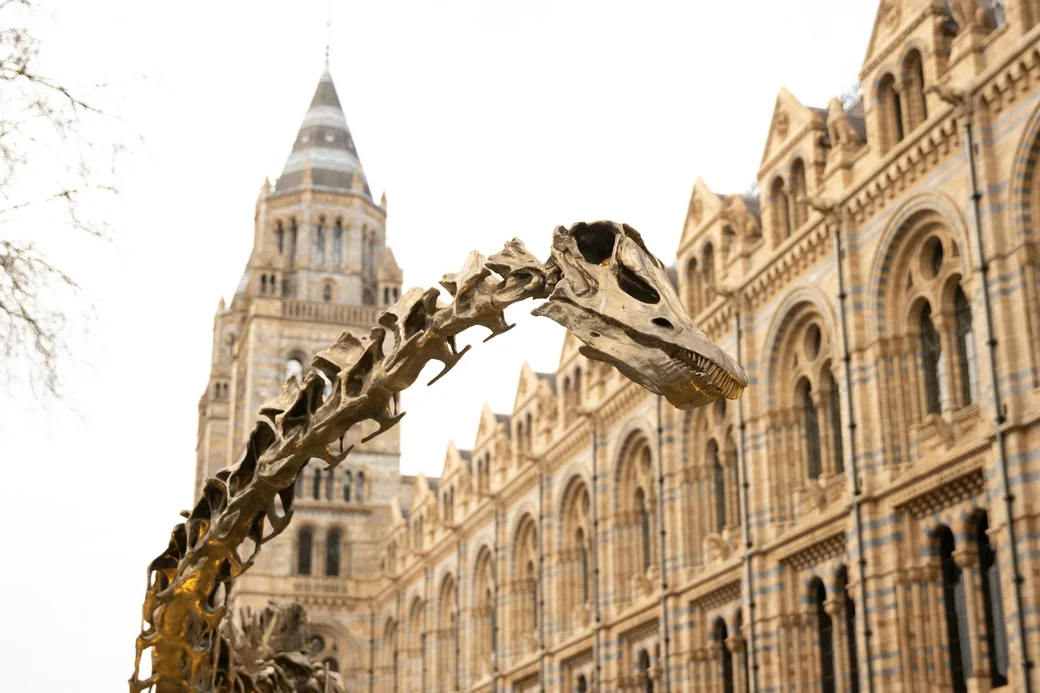
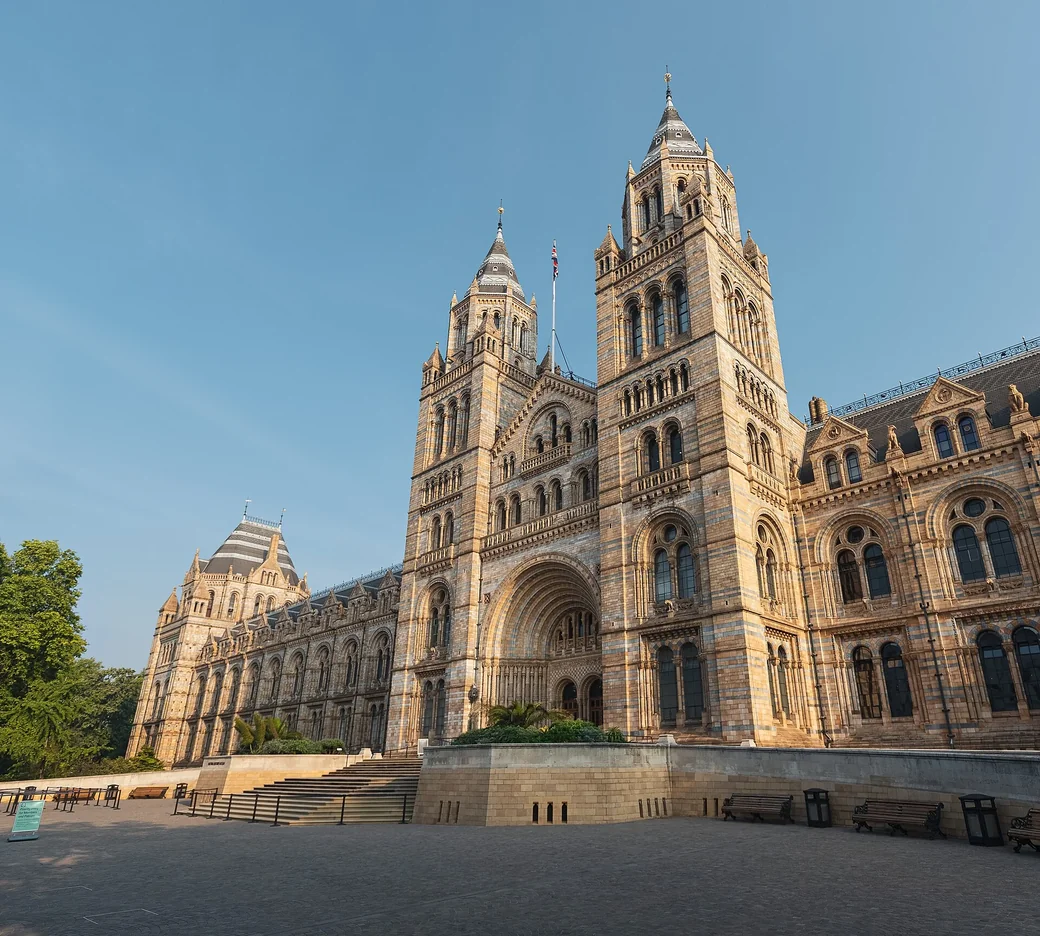
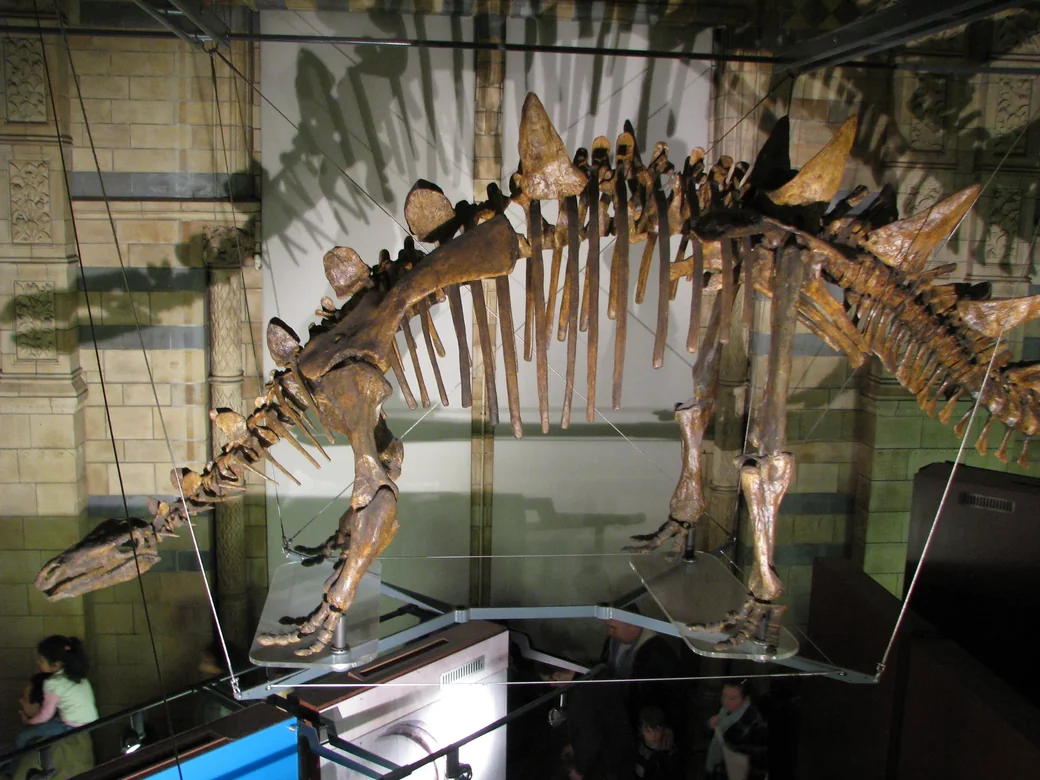
Beyond the famous halls there is a whole museum that casual visitors miss. The Treasures gallery gathers 22 objects spanning 4.5 billion years, each chosen for scientific, historical or cultural weight. The Minerals gallery still uses its original 1881 oak cabinets and is the closest you can get to seeing the museum as it looked on opening day. Images of Nature shows more than a hundred artworks from the collection, Fixing Our Broken Planet puts current research on solutions at the centre of the building, and Nature and Us fills a long gallery that spent decades closed to the public as a herbarium store with fifty objects about our changing relationship with the natural world. In the Birds gallery you will find a dodo skeleton, a Victorian hummingbird cabinet and the only surviving great auk from the British Isles. The Mammals Hall holds the 1938 blue whale model along with extinct mammoths and giant elk, and the surrounding galleries cover marine invertebrates, fishes, amphibians and reptiles, fossil marine reptiles, and the long arc of Earth's surface in From the Beginning, Restless Surface, Earth's Treasury and Lasting Impressions. The meteorites are a highlight in themselves: the Otumpa iron meteorite found in Argentina and weighing some 635 kilograms, fragments of the Nakhla meteorite from Egypt, which was the first to show signs of water-related processes on Mars, a sample brought back by Apollo 16, and a piece of the Winchcombe meteorite, the first meteorite fall recovered in Britain in thirty years. According to legend a fragment of the Nakhla fall struck and killed a dog; no remains were ever recovered and no other witness came forward, so the story has stayed an unproven tale that astronomers still enjoy repeating. Elsewhere sit an enormous flawless blue topaz, a rare cluster of cubic gold crystals, a copy of Audubon's Birds of America, a slice of giant sequoia that has been here since 1893 and, when it is on display, a plug of whale earwax that gave researchers a century and a half of hormone data. For structure, the museum offers three free two-hour self-guided routes: one for families, one for hidden corners, one aimed at adults and solo visitors. For breaks there is the T. rex Restaurant, the Central Cafe with the clock from a children's dinosaur series, the Earth Hall Cafe, the Shake Bar beside the dinosaurs and the Garden Kitchen outside, plus an indoor picnic area and a members' lounge. Three shops cover general gifts, design pieces and everything dinosaur. Evening and early-morning events run throughout the year, from a silent disco under the whale and a children's dino disco to relaxed pre-opening mornings for neurodivergent families, free weekend science talks in the Attenborough Studio and guided tours of the spirit collection, including tours led in British Sign Language. One thing not to plan for: the open-air ice rink that ran here for sixteen winters has closed permanently, and the ground it occupied is now part of the gardens, where a bug new to Britain and three new wasp species have since been identified.