
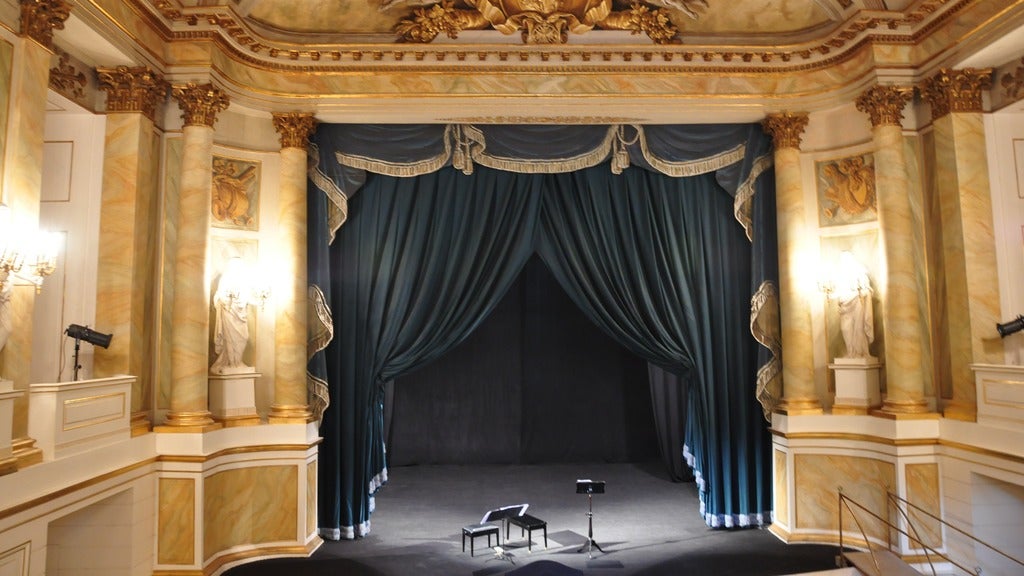
Nov25Wed
Theater
Girls In Low Places
London
Nov 25, 2026
Population
About 9.1 million (Greater London)
Language
English
Currency
Pound sterling (GBP, £)
Plug type
Type G (three rectangular pins), 230 V / 50 Hz
Dialling code
+44, London area code 020
Police
999 / 112
Ambulance
999 / 112
Fire
999 / 112
Editor-curated scores (0-100) showing how well the city suits different traveler types and lifestyles. It doesn't declare one city better than another; it matches profiles. Rows without data are hidden.
The assessment is based on analysis of public sources about the city, country-level rights indices and regional reports; it is calibrated against reference cities.
Safety and legal conditions can change quickly; check official sources before you travel.
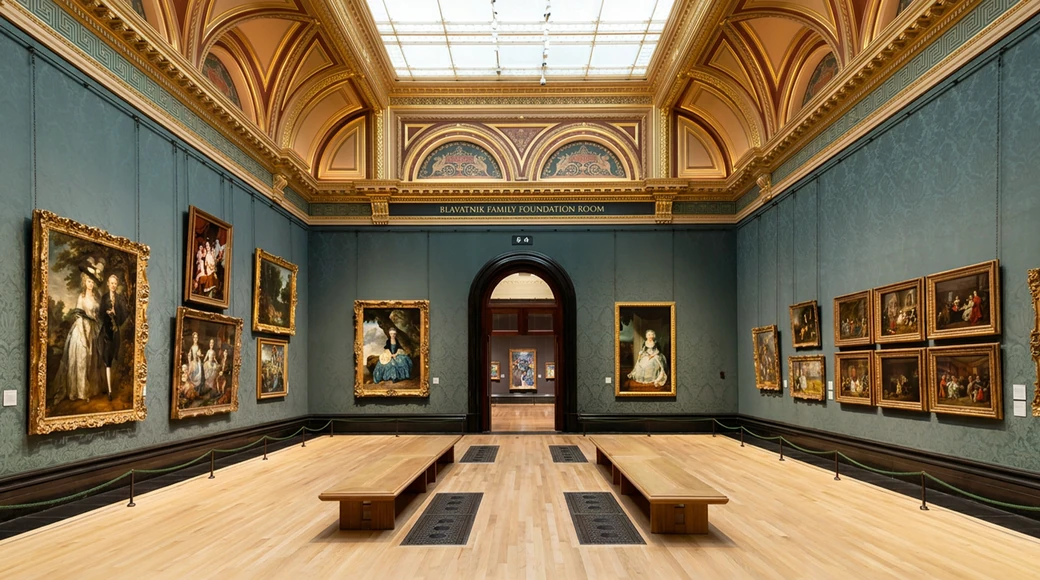
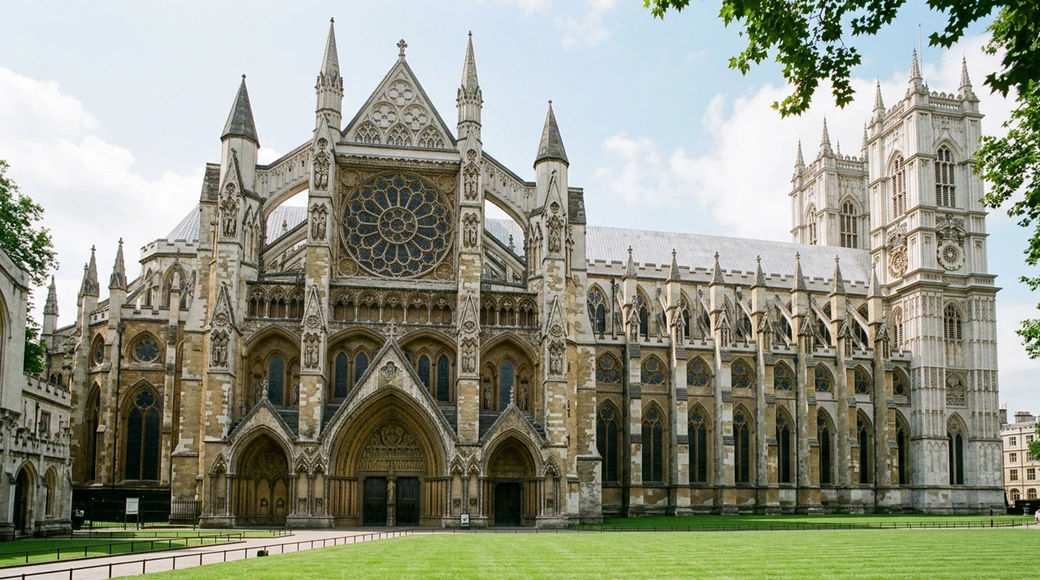
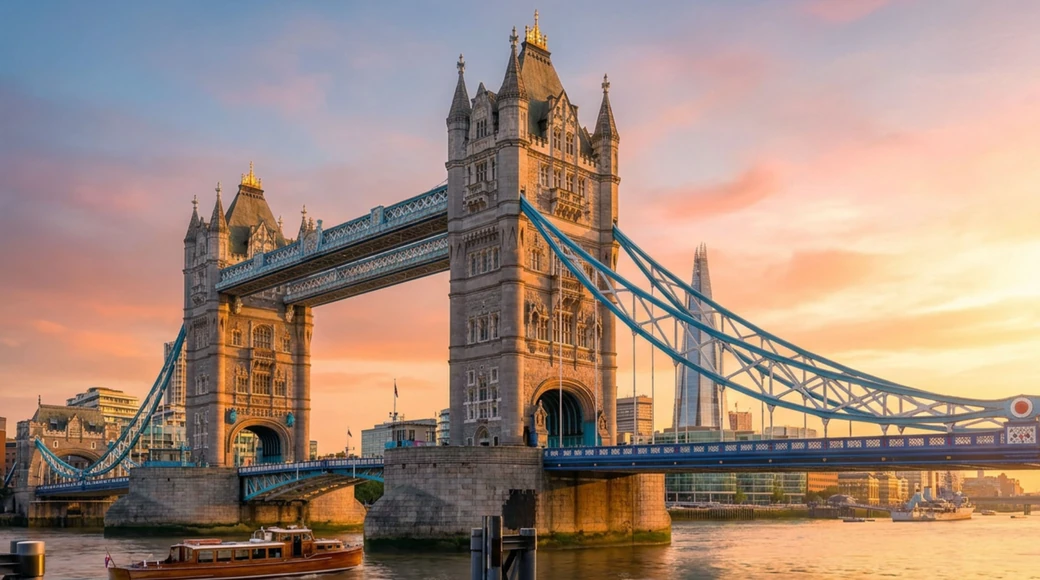
London's sights do not gather in one tidy centre. They line the Thames in loose clusters: Westminster with the Houses of Parliament and the abbey, the City of London around St Paul's and the Tower, the South Bank with its riverside walkways and viewing decks, and South Kensington, where three national museums stand side by side. Most national collections ask nothing at the door, so you can step inside for twenty minutes without feeling a ticket has gone to waste. The gaps between clusters are walkable, usually twenty to thirty minutes along the water, and the Tube closes whatever is left. Reserve timed entry for the busiest landmarks. Pushing more than two clusters into a single day means seeing the city at a run. Keep one slot of the day empty for whatever you stumble into.
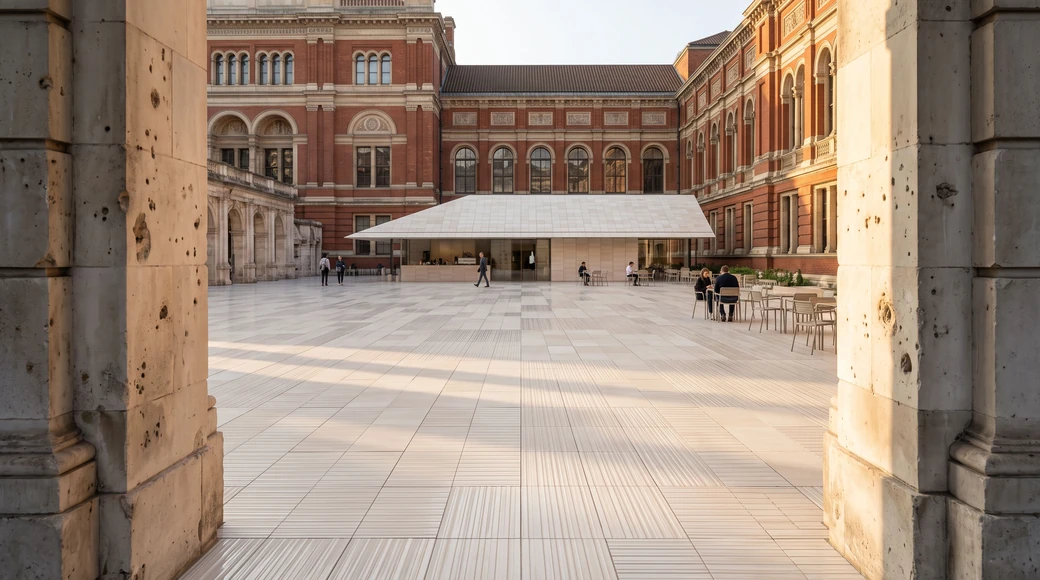
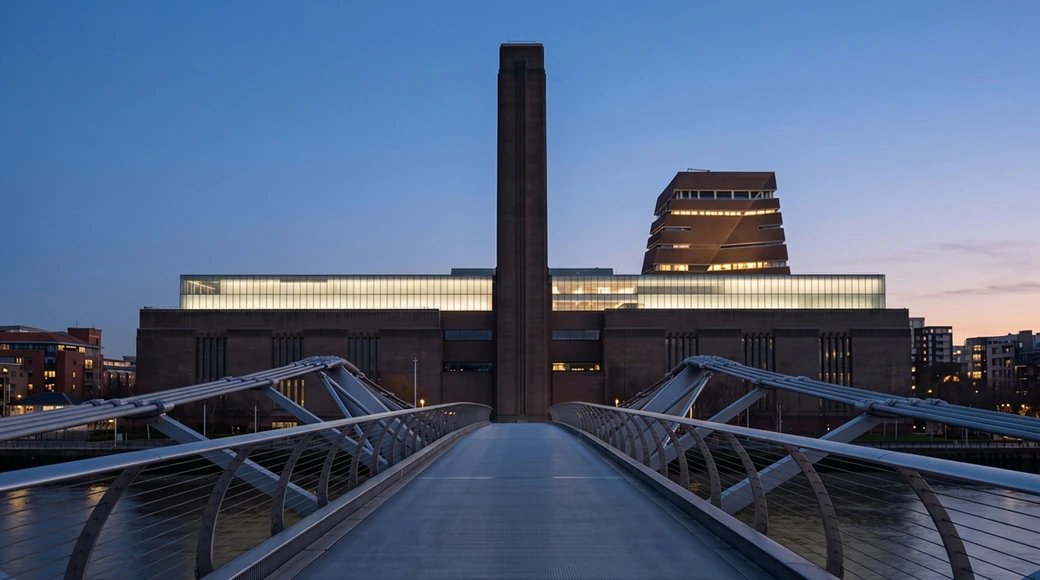
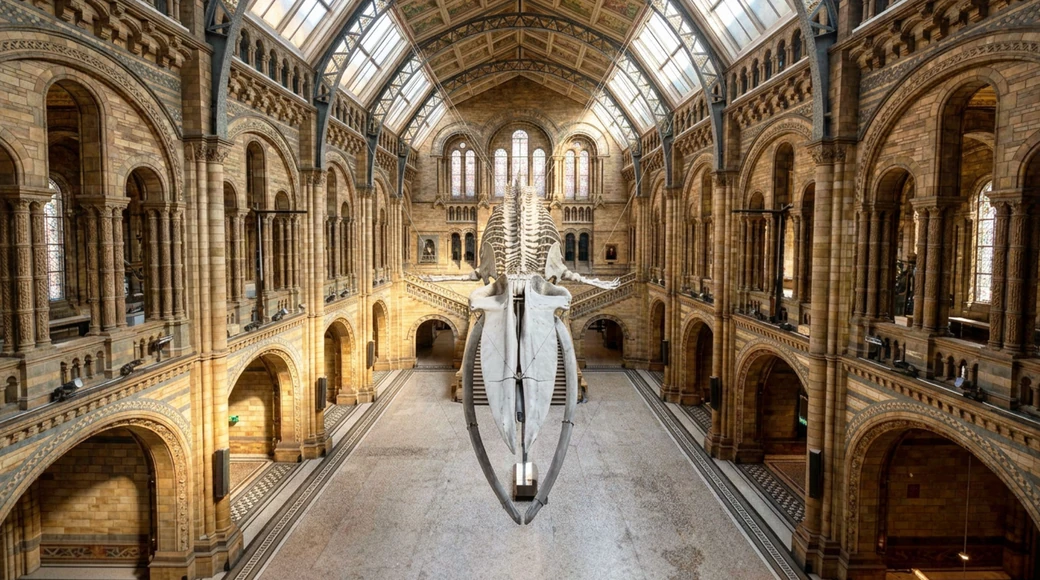
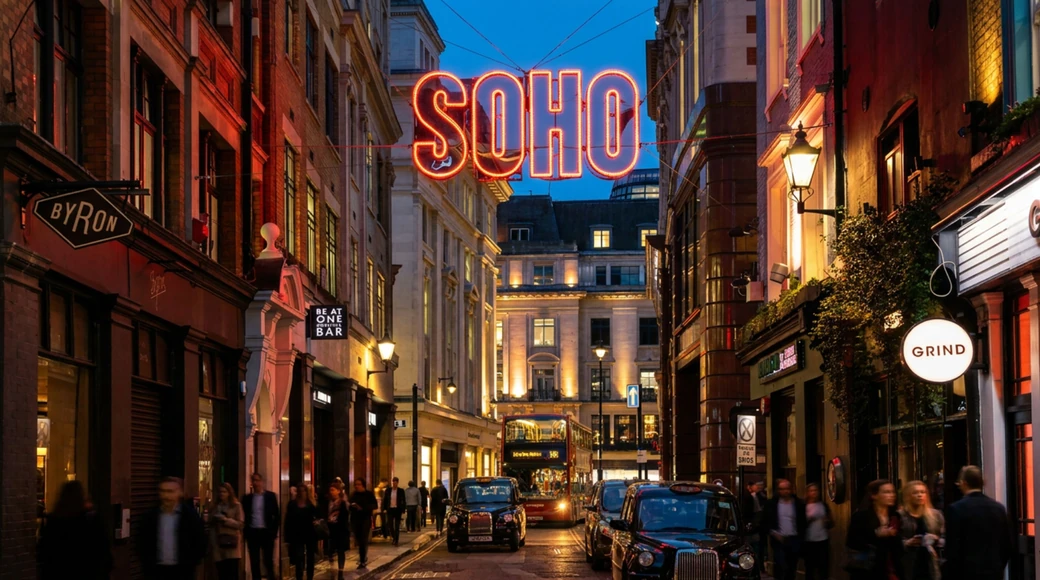
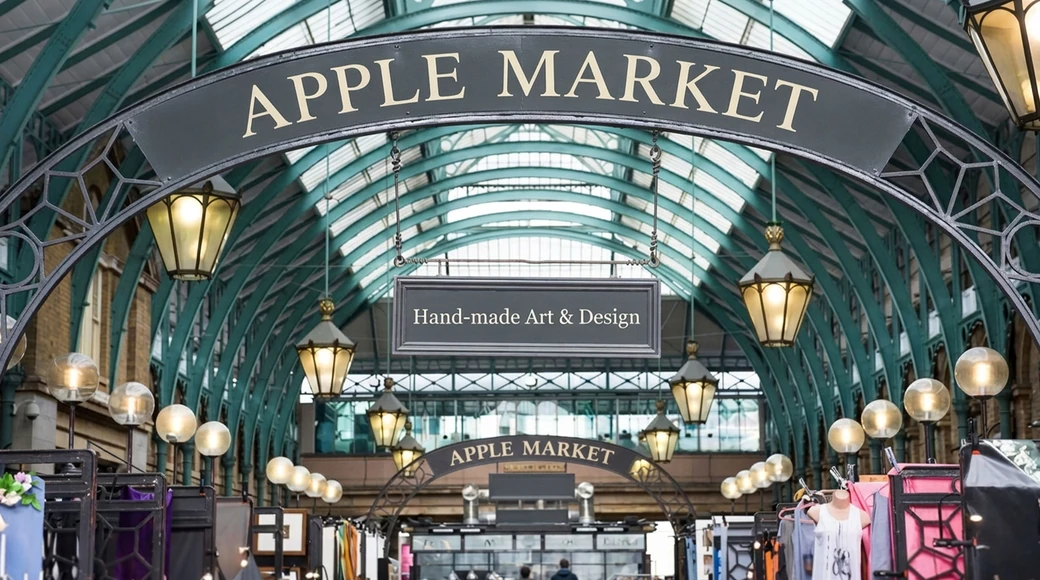
London is less one city than a chain of old villages that grew into each other, and your street matters more than your postcode. Bloomsbury and Covent Garden put you inside walking distance of the museums and the theatres, with Georgian garden squares one turn off the noise. Southwark and the South Bank trade grandeur for river walks and arts venues. Shoreditch stays awake late; Kensington and Marylebone keep rows of white terraced houses and a quiet high street. Near the big rail terminals you gain easy arrivals and lose charm. The practical rule beats the romantic one: pick a bed within a few minutes of a Tube or rail station on a line that reaches what you came for, check whether your window faces a late-night street, and accept that rooms here are small by habit, not by accident.
Accommodation and hotel options across London, with their prices, are shown on the map by Stay22. Cookies are used. Your consent is remembered on every page; you can turn it off at any time in the cookie settings.
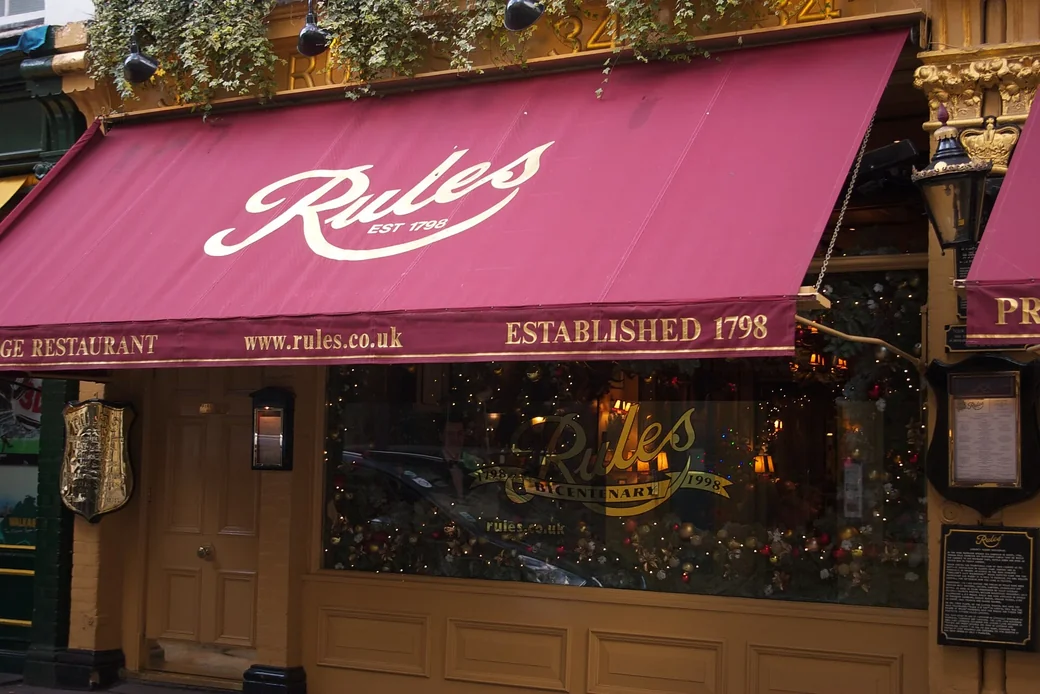
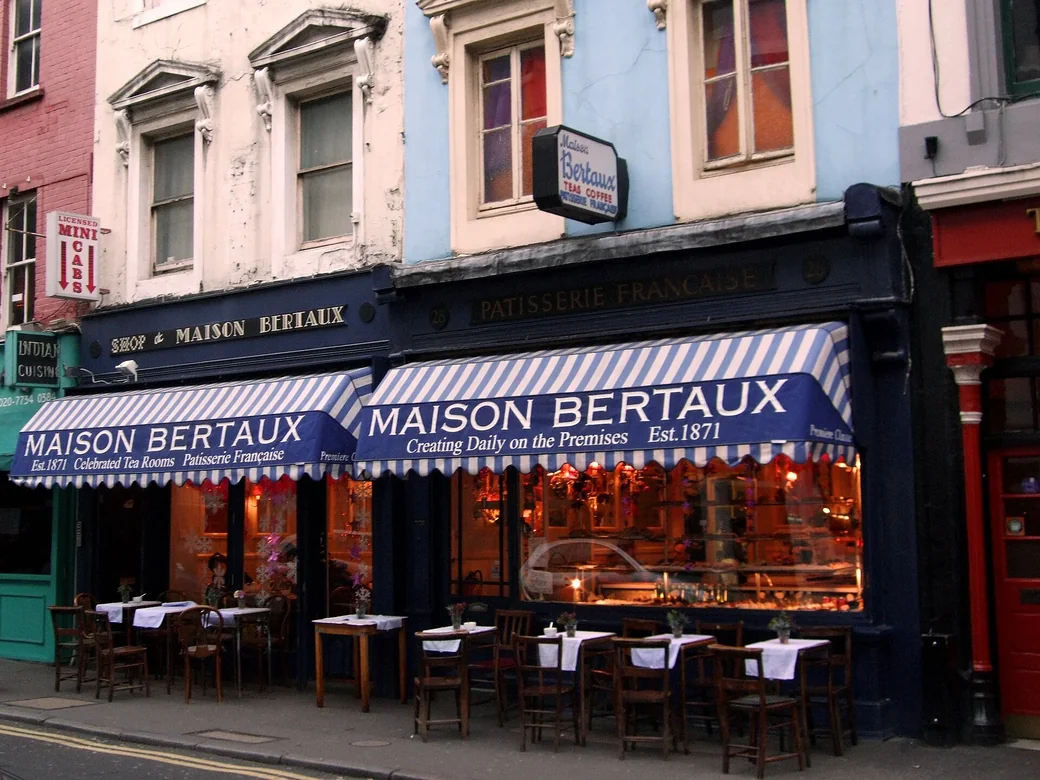
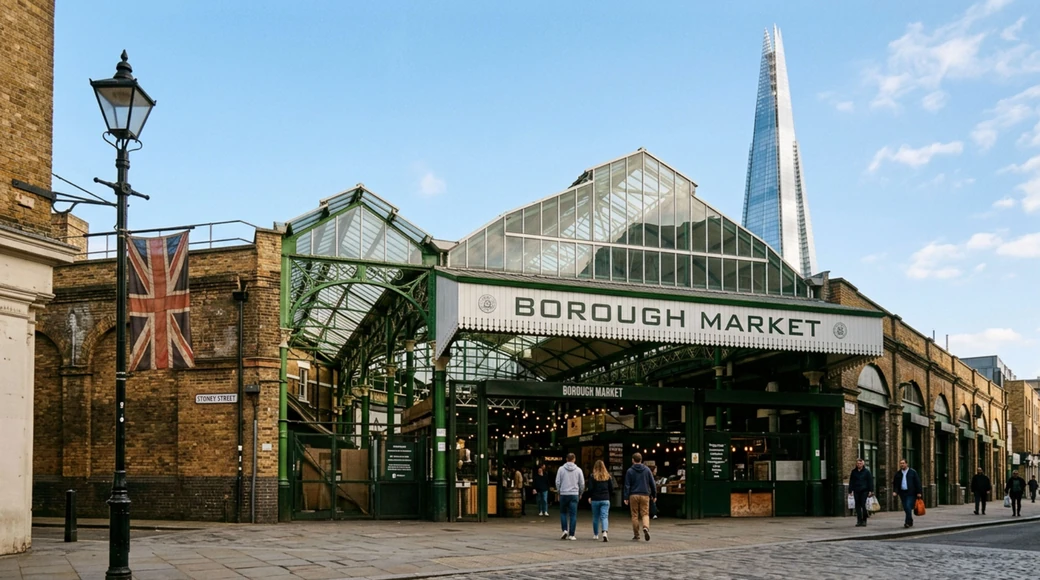
London eats like a city that has been taking in cooks for centuries. One high street can hold a bagel bakery that never closes, a dining room in Chinatown, a curry house with a hand-painted sign, and a caff (an old-fashioned all-day café) frying breakfast at four in the afternoon. The historic market halls, Borough above all, have turned into grazing grounds: you buy three small things and eat them standing up. Sunday belongs to the roast, served in pubs from midday until the meat runs out, and afternoon tea survives both in hotel lounges and in modest neighbourhood tea rooms. Book the talked-about kitchens weeks ahead; almost everything else rewards walking in and asking.
Don't miss out on these amazing experiences
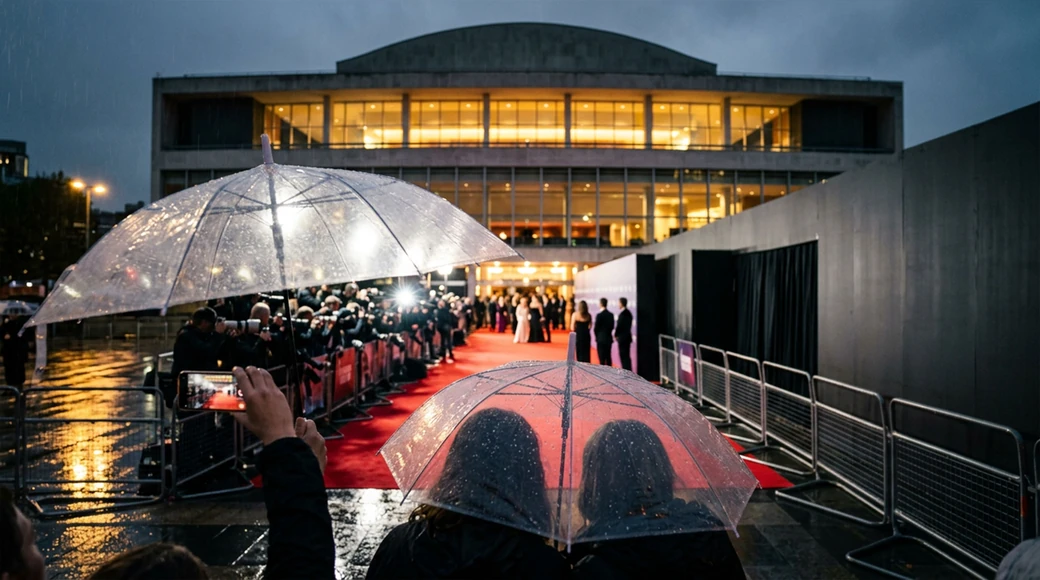
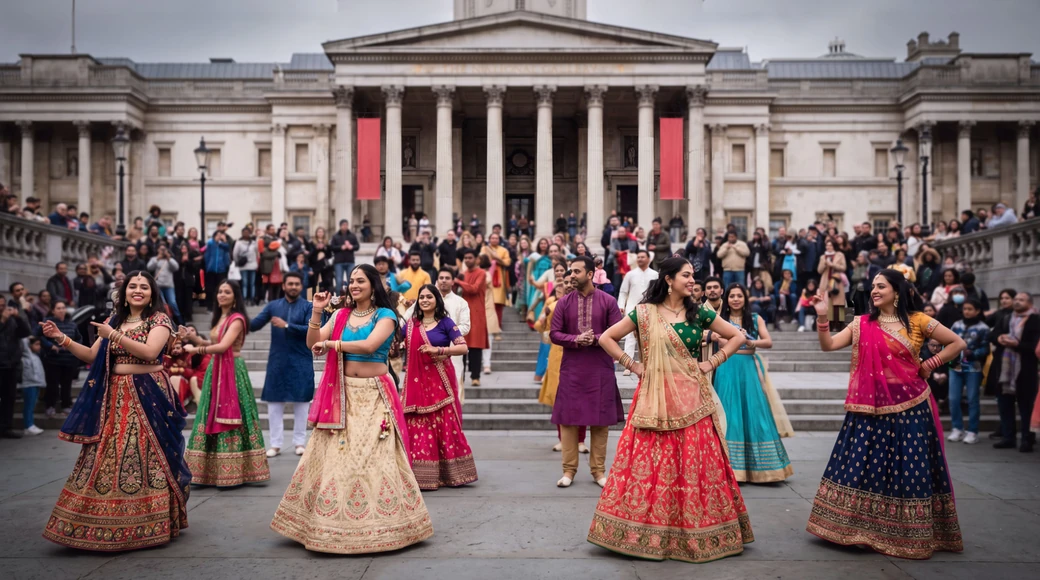
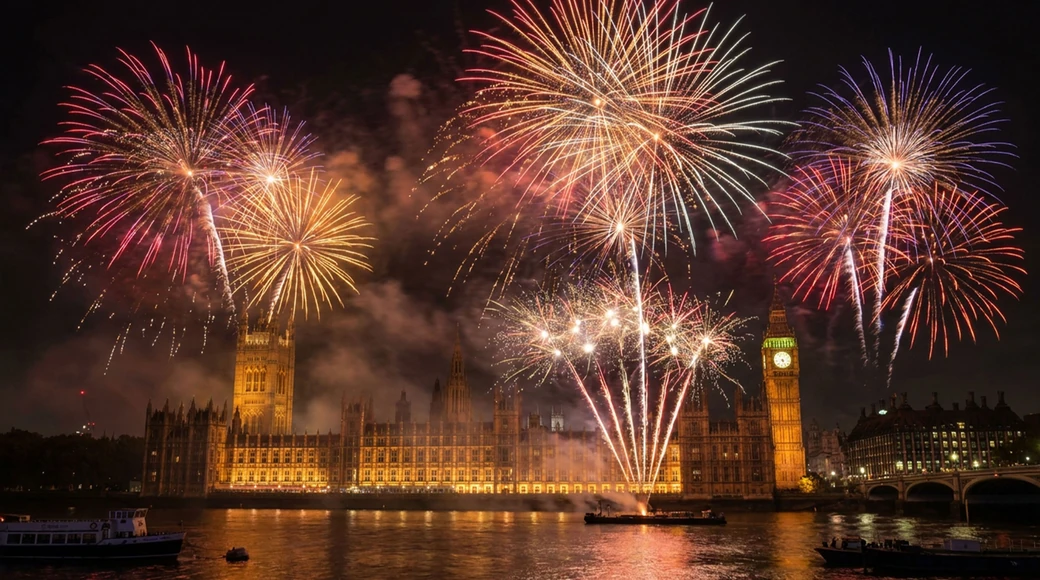
London runs two calendars at once. One is ceremonial and almost unchanging: guards changing outside the palace, state processions along the Mall, bells and parades that have kept the same route for generations. The other is restless. Spring brings the big road race and the garden shows; summer fills the parks with stages and the squares with open-air screens; late August belongs to the carnival in the west of the city, loudspeakers on terraced streets and food cooked at the kerb. Autumn is the season of film and literature festivals and of bonfires and fireworks in early November, and winter turns the shopping streets into lightscapes with markets and skating rinks. Check what is on before you fix your dates: a single weekend can decide whether your trip is quiet or thunderous.
Concerts, theater, exhibitions and more
Spring arrives in instalments. March can still feel like winter, with a sharp wind funnelling along the river, while late May often brings the first evenings warm enough to sit outside. Between the two, the Royal Parks run through daffodils and blossom, and wisteria climbs the brick fronts of the older streets. As spring turns into summer, more than a hundred normally private garden squares open their gates for a single weekend. Daylight stretches quickly, and by the end of the season it stays light well into the evening, which effectively adds hours to your sightseeing day. Showers are frequent but rarely long, so a compact umbrella and a layer you can peel off beat a heavy coat. Crowds are moderate except around the Easter school holidays, when museums and the big landmarks fill with families. Café terraces and riverside tables reappear, open-air theatre seasons begin and the garden shows start up. The riverside walkways are still almost empty early in the morning, and in the first weeks of the season you can walk into the big museums with barely a queue; it is also a good time for a day trip out of the city by train. Bring shoes that cope with wet pavement, and keep one indoor option in reserve each day, because the weather changes its mind without warning.
Summer is the loud season. Evenings stay light until well past nine, the parks fill with picnic blankets and concert stages, and the river walkways carry a slow crowd from late morning until dark. Heat waves do happen, and when they do the city feels it: many older buildings and some deep Tube lines have no air conditioning, so travel between the busiest hours if you can and carry water. More often the weather is simply mild and changeable, with bright mornings and a thundery shower that clears by evening. This is peak visitor season, roughly from the end of the school term to the end of August, so timed tickets for the famous landmarks sell out days ahead and popular restaurants need booking. In return you get open-air cinema, swimming in the park lidos, theatre performed on grass, late museum openings and the carnival in the west of the city at the close of the season. At weekends the bridges and the streets around the markets thicken noticeably after midday, so leaving early changes the pace of the whole day. Pack light layers, sunscreen and one waterproof, because a hot week and a wet week can sit side by side.
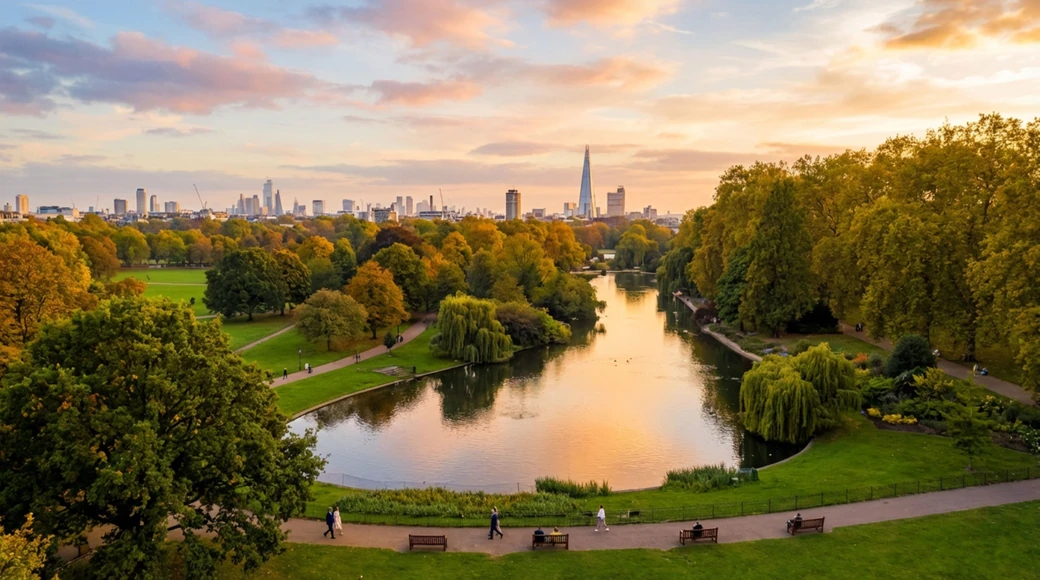
Autumn is the season locals quietly recommend. September often holds summer's warmth without summer's queues: the schools have gone back, the parks are still usable and the famous landmarks breathe again. October turns the plane trees along the avenues yellow and brings the richest colour to the big parks and the old cemeteries. Then the clocks go back at the end of October and the city loses its late light almost overnight, so afternoons end early and the lit windows become part of the view. Rain increases through November, rarely dramatic but persistent enough that waterproof shoes matter more than an umbrella in the wind. Culturally this is the busiest stretch of the year: the theatre season opens, the film and literature festivals run, the concert halls restart and the museums put up their major exhibitions. Early November brings bonfires and firework displays across the boroughs. As the days shorten the city moves indoors: libraries, covered arcades and museum cafés work as shelters in the cold hours, and between showers the falling leaves in the parks give the best photographic light of the year. Dress in layers, start your outdoor plans early in the day, and let the evenings belong to indoor programming.
Winter here is dark rather than freezing. Snow is unusual and seldom lasts, but the damp cold works its way through thin clothing, and the light goes early: by mid-afternoon the street lamps are on and the shop windows are doing the work the sky has stopped doing. December is the city at its most theatrical, with lit shopping streets, outdoor markets, skating rinks set up in historic courtyards and pantomime and carols filling the theatres and churches. Expect the last week of the year to be busy and expensive, and note that on the twenty-fifth of December almost everything closes, including the whole transport network — the Underground, every bus route, the DLR, the Overground, the Elizabeth line and the national rail services — so plan that day on foot or around your hotel. January and February are the quietest months of the whole year: museums feel calm, restaurant tables open up and the big exhibitions can be seen without a crowd. Daylight is at its shortest of the year, so it pays to give the streets the light hours and the dark hours to interiors; matinee performances also run more often in the theatres this season. Bring a genuinely warm waterproof coat, gloves and shoes that handle wet streets, and build your days around indoor destinations with a short walk between them.
Explore our handpicked destinations
Hostel or budget room, affordable food, public transport.
3-star hotel, restaurant dining, public transport and a few taxis.
Upscale hotel, fine dining, private transport.
Günlük bütçe = konaklama (oda/hostel) + yemek + yerel ulaşım. Kişi başı, günlük tahmindir. Uçak bileti ve turist vergisi dahil değildir.
Build the cost of a trip to London yourself: from breakfast to museum entry, city cards to accommodation — pick each item and see the total instantly.
Food, transport, venue entry fees and accommodation — all on one screen.
Food and venue prices are based on the city's current data, not guesswork.
Your selected items are summed and shown as a range, factoring in season and currency.
Put two cities side by side: see their scores on safety, budget, walkability, public transport, and family- and solo-traveler friendliness, and choose what suits you best.
Budget, safety and quality-of-life axes compared in a single table.
Solo, family or senior — see clearly which city fits whom best.

A tidal river, a thousand years of royal ceremony and free world-class museums meet in a city where every neighbourhood feels like a separate town.