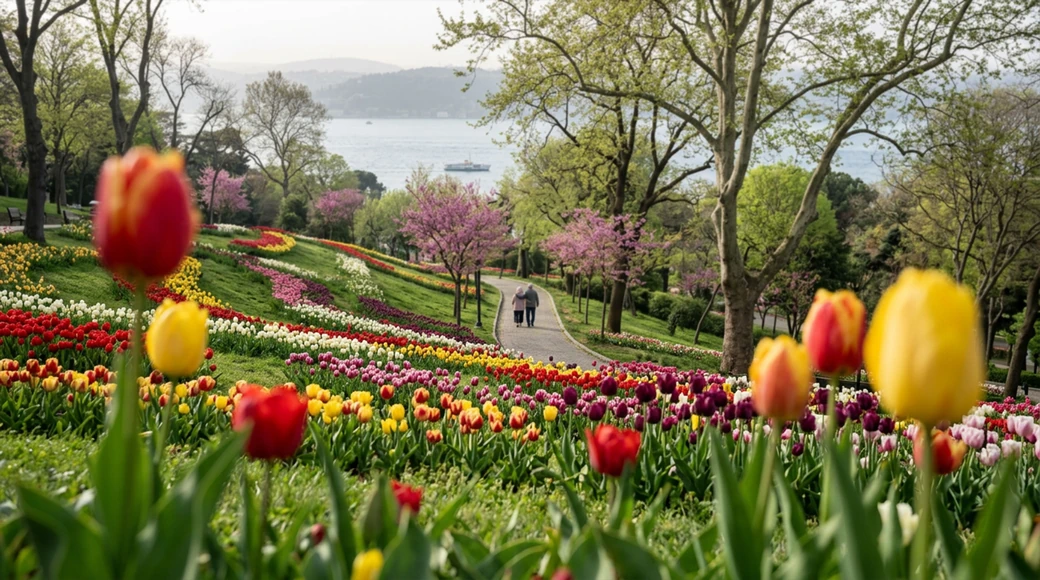
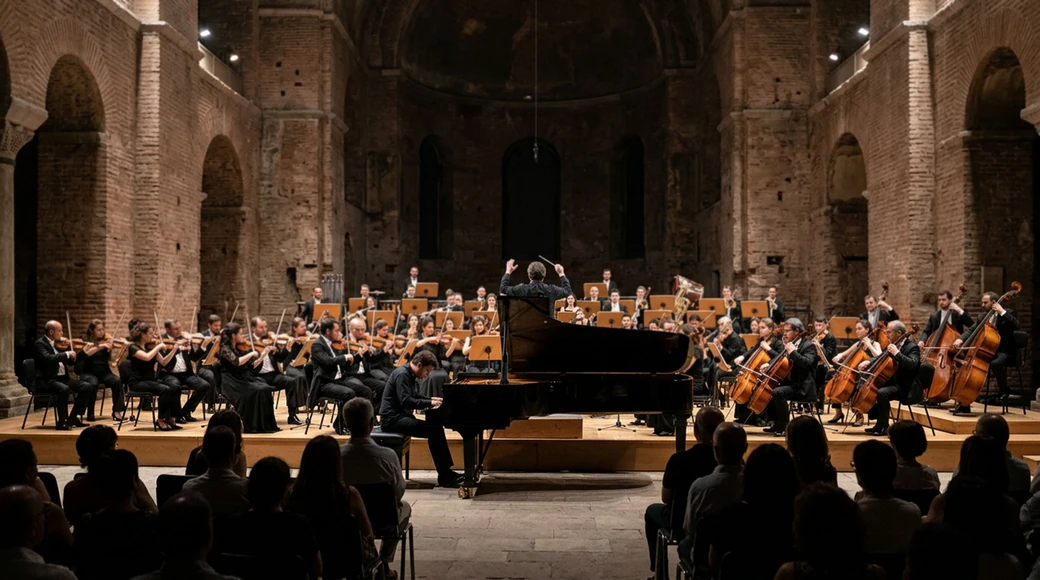
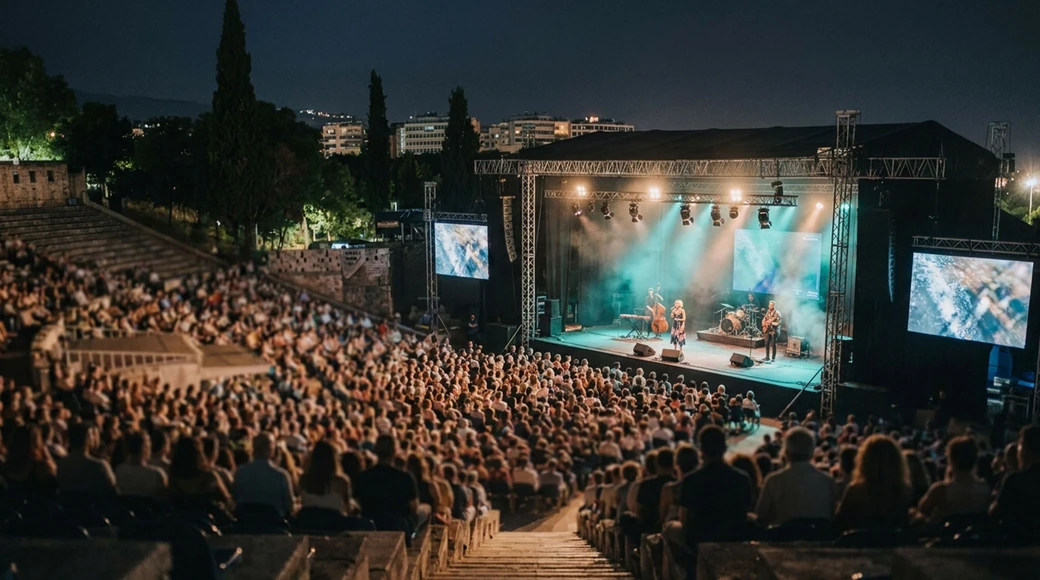
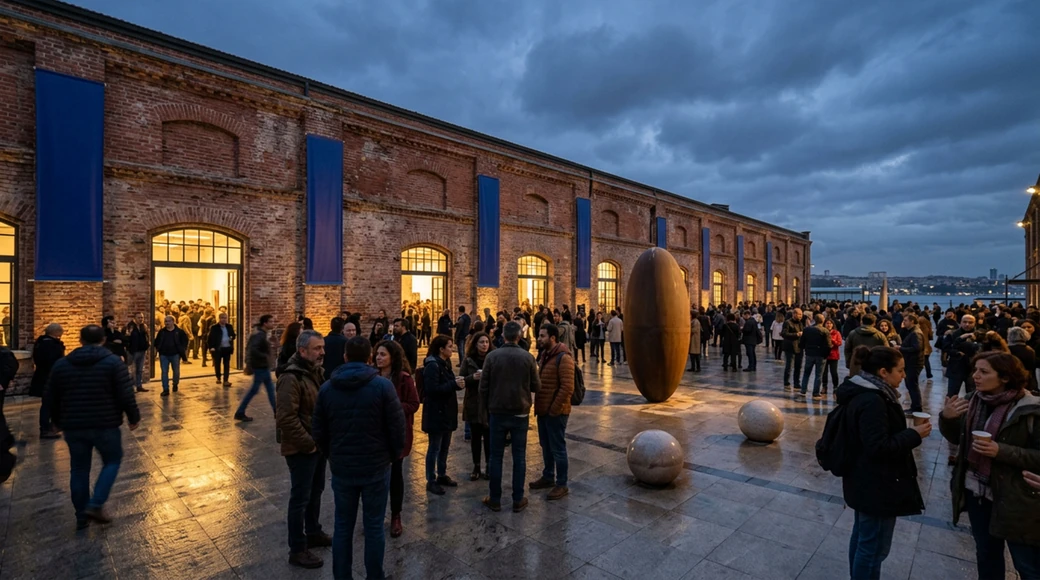
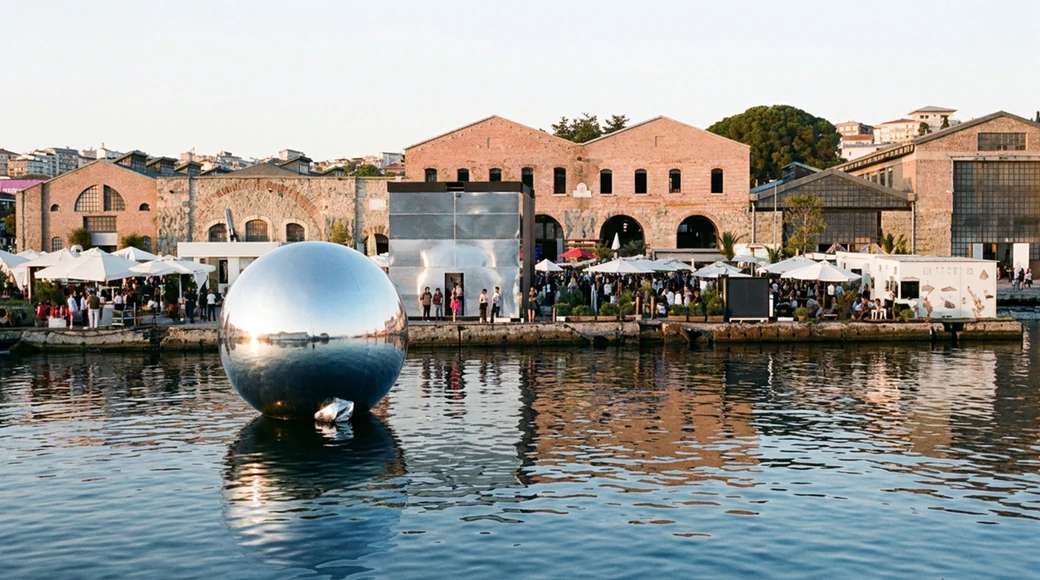
Istanbul's year is measured in festivals and traditions. April brings tulip beds and film screenings, June classical music, summer jazz nights, and autumn a biennial of contemporary art and a marathon that crosses continents. The backbone of this calendar is the set of festivals the Istanbul Foundation for Culture and Arts has run since 1973, joined by seasonal city events and religious traditions that go back centuries.
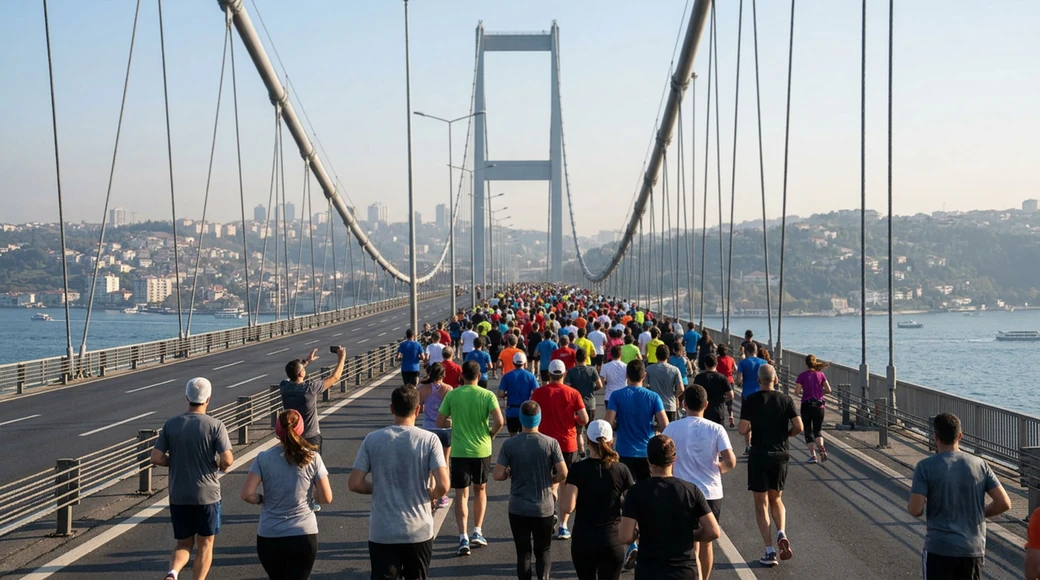
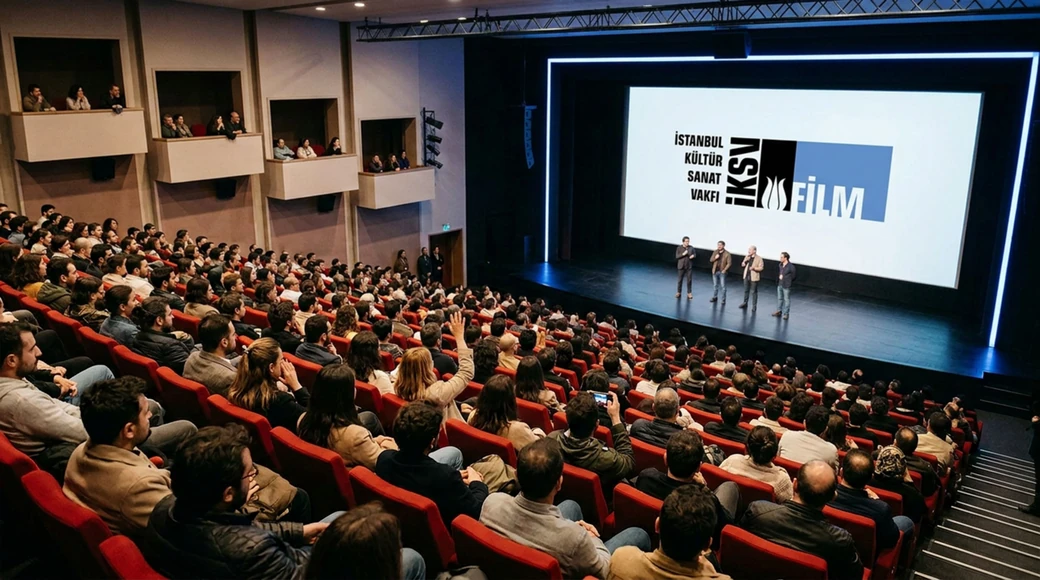
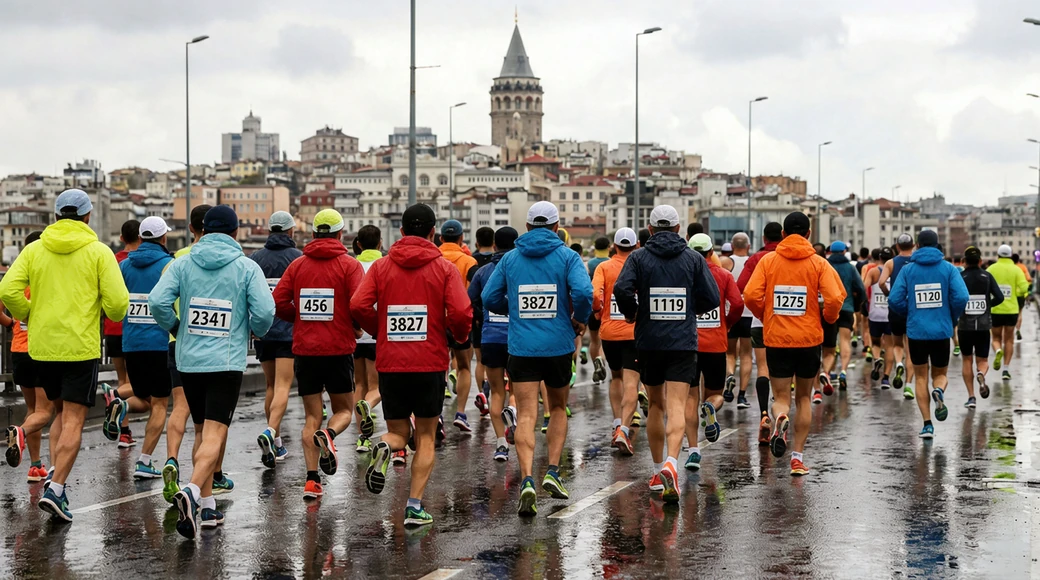
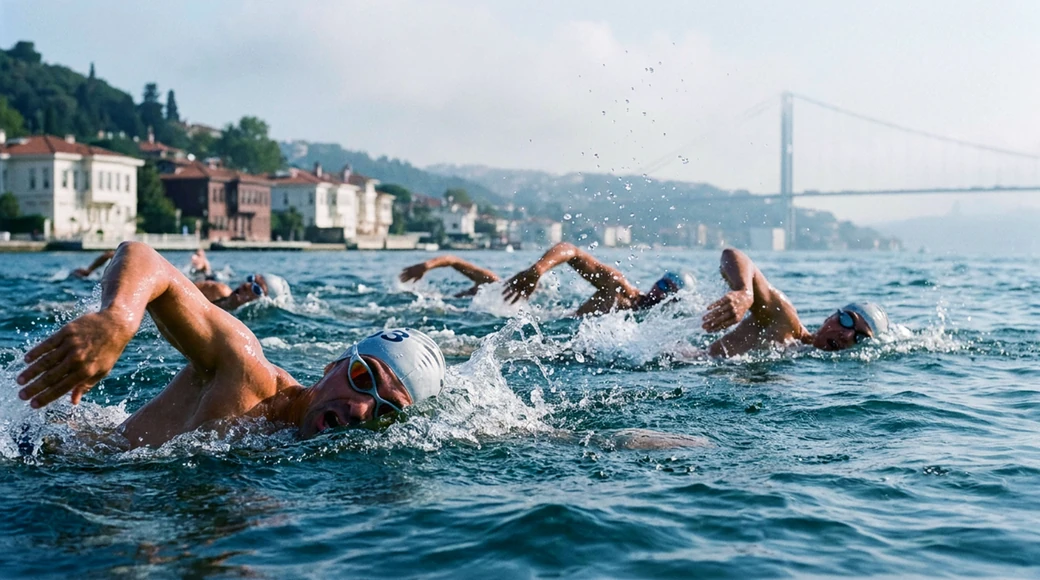
The city holds a few genuine firsts and onlys. The Istanbul Film Festival is the country's first and oldest international film festival, the Istanbul Music Festival has run without a break since 1973, and the Istanbul Marathon, first held in 1979, is the only marathon in the world whose course spans two continents. Since 1989 the Bosphorus Cross-Continental Swimming Race has let swimmers cross from Asia to Europe each July, and it is billed as the world's only official intercontinental open-water race.
These events spread cultural tourism across the whole year and keep hotels, transport and restaurants busy outside the classic summer peak. Ramadan and the two Bayram (religious festival) holidays show another face of the city, and since their dates move every year, knowing what closes and when can reshape a trip. The two tips below cover the festival calendar and the practical side of Istanbul's special days.
Some events haven't announced their next dates yet
Where the exact date is still pending, the card shows the event's usual month so you can plan ahead. We update dates as soon as organisers announce them.1 event on this page has unannounced dates.
On 6 January the Ecumenical Patriarch leads the liturgy at the Church of Saint George in Fener, then walks in procession to the shore of the Golden Horn. He throws a wooden cross into the water and young swimmers dive from waiting boats to retrieve it; whoever surfaces with the cross is believed to receive a year of blessing. The ceremony is short, the water is bitterly cold and the quayside is fenced off, so arrive early for a view.
During the fasting month the rhythm of the old city changes completely. Strings of illuminated letters called mahya are hung between the minarets of the great mosques, Süleymaniye and Sultanahmet among them, spelling out short messages that can be read from across the Golden Horn. Large communal tables are laid in Sultanahmet Square, where a cannon is fired at sunset so that thousands break the fast together, and the streets around Eyüp Sultan stay busy until the pre-dawn meal. Visitors are welcome at the tables and at the mosques outside prayer times, with modest dress.
On 1 March the Balkan communities of Silivri mark the arrival of spring by exchanging martenitsa, small tassels twisted from red and white wool. These are pinned to a coat or tied around the wrist and worn through the month, then knotted onto a blossoming branch once the first stork or flowering tree is spotted. The gathering brings folk music, dancing and stalls selling handmade tassels, and is one of the clearest surviving traces of Istanbul's Balkan heritage.
In early March the mimosa trees of the Princes Islands come into bloom and turn whole lanes a dusty yellow. This young festival, run jointly by the Adalar municipality, the city council and the islands' own associations, spreads guided walks, exhibitions, talks and workshops across Büyükada, Heybeliada, Burgazada and Kınalıada. Street musicians play at the piers and island women sell mimosa-themed crafts from small stalls. Everything is free, but ferries run on a winter timetable.
Observed on the twenty-seventh night of Ramadan, this is the holiest night of the Muslim calendar, marking the first revelation of the Quran. Istanbul's great mosques fill well beyond capacity and worshippers spill into the courtyards and squares outside; Sultanahmet in particular stays crowded until dawn. Extra prayers, recitation and sermons continue through the night, and many districts hand out sweets afterwards. Non-Muslim visitors may watch respectfully from the courtyards.
The three-day holiday that closes Ramadan is known in Turkish as the Sweets Feast, and the name is literal: households keep bowls of chocolate and Turkish delight by the door for visitors. The day opens with dawn prayers at every mosque, after which families call on elders in order of seniority and visit cemeteries. Eyüp Sultan and the courtyard of Hagia Sophia draw particularly large crowds. Expect intercity roads, ferries and airports to be at their busiest of the year.
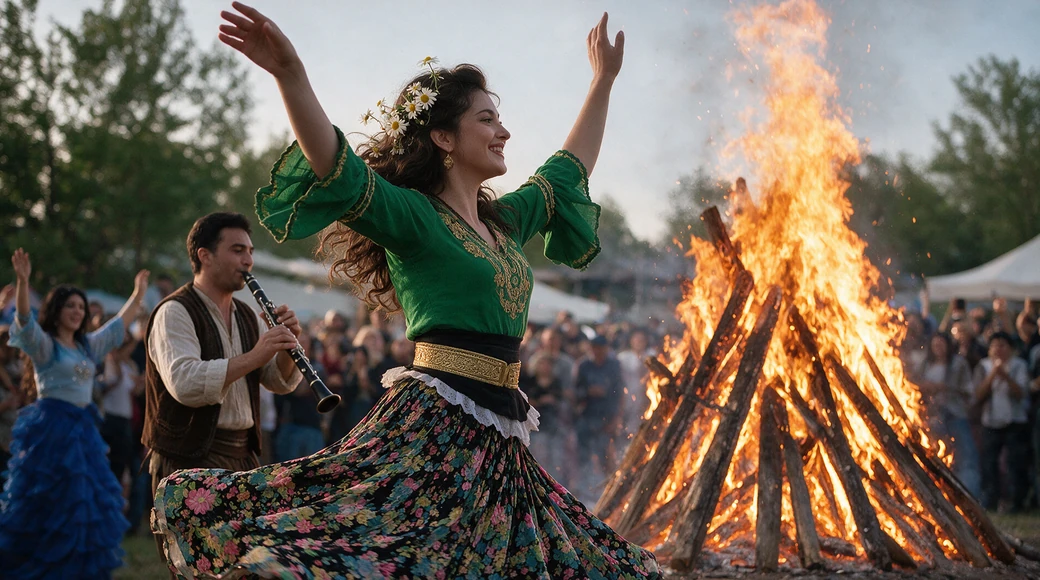
Marking the spring equinox on 21 March, Nowruz is observed across a belt stretching from the Balkans to Central Asia and is celebrated in Istanbul by communities with roots in all of them. The official programme is organised by the governorate, with bonfires lit and leapt over at squares such as Sultanahmet, alongside folk dancing and egg-tapping. Larger gatherings have at times been subject to permit decisions, so check what is scheduled before setting out.
Twice a year, on 23 April and 24 September, thousands climb the steep track to the Greek Orthodox monastery crowning the highest hill of Büyükada. Pilgrims unwind a spool of thread along the slope without speaking or looking back, then light a candle at the top and tie their wish to a tree. Although the shrine is Orthodox, most of those making the climb are Muslim, which makes it one of the city's most quietly remarkable shared traditions. The walk takes around forty minutes and the last stretch is unshaded.
The day commemorates the first assembly of the Grand National Assembly in 1920, and Atatürk dedicated it to children, making Türkiye the only country to give a national day over to them. Schools stage performances, children symbolically take the seats of officials, and squares and parks fill with concerts and free activities. In Istanbul the holiday coincides with the Saint George pilgrimage on Büyükada, so the island ferries are particularly crowded.
The four-day Feast of the Sacrifice commemorates Abraham's willingness to give up his son, and remains the longest public holiday of the Turkish year. Morning prayers fill the mosques, meat from the sacrifice is shared with neighbours and the poor, and families travel to their home towns in such numbers that Istanbul noticeably empties. Museums and major sights stay open but transport out of the city should be booked weeks in advance; many small shops close for the whole week.
The date marks Atatürk's landing at Samsun in 1919, the symbolic start of the independence struggle, and is dedicated to young people. Istanbul holds athletics displays, rowing and sailing races on the Bosphorus, and open-air concerts aimed at a young audience. Flags hang from balconies across the city and ferries sound their horns at the hour of the landing. It is a full public holiday, so banks and offices are closed.
Run by the State Opera and Ballet, this late-spring festival brings visiting companies and guest soloists to the main stages of the city, above all the Atatürk Cultural Centre and the Süreyya Opera House in Kadıköy. The repertoire mixes standard opera and ballet with Turkish works rarely staged elsewhere. Tickets are state-subsidised and therefore far cheaper than comparable houses in Europe, which means popular nights sell out quickly.
On 29 May the city marks the Ottoman capture of Constantinople in 1453. The official programme is organised by the governorate and the metropolitan municipality and typically includes a procession from Beyazıt to Hagia Sophia, synchronised Mehter military band concerts on both sides of the Bosphorus, an aerobatic display over Yenikapı, projection mapping on the Yedikule walls, Rumeli Fortress and the Galata Tower, and fireworks. It is not a public holiday and offices stay open, but road closures around the historic peninsula are extensive.
Jun 10 –Aug 15Partial public holiday — 15 July, Democracy and National Unity Day, is a public holiday that falls inside the season. Check venue and transport schedules for that day.
Held for more than six decades, this is the oldest surviving produce festival in Istanbul and the one that gave Silivri its national reputation. Over three July days the seafront promenade fills with stalls, folk dancing and concerts, while the competitions that draw the biggest crowds are for yoghurt eating and for setting the best pot by hand. Silivri yoghurt is thick enough to slice, and tasting it on the spot is the whole point of the trip.
Büyükçekmece International Culture and Arts Festival
Running for more than a quarter of a century, this folk festival on the western edge of Istanbul gathers dance ensembles from across Europe, Asia and Latin America for ten days in high summer. Costumed troupes parade through the district and perform nightly on open-air stages near the lakeside Kültür Park, with its Ottoman bridge attributed to the architect Sinan. It is a long train or motorway ride from the centre, so plan the return trip before setting off.
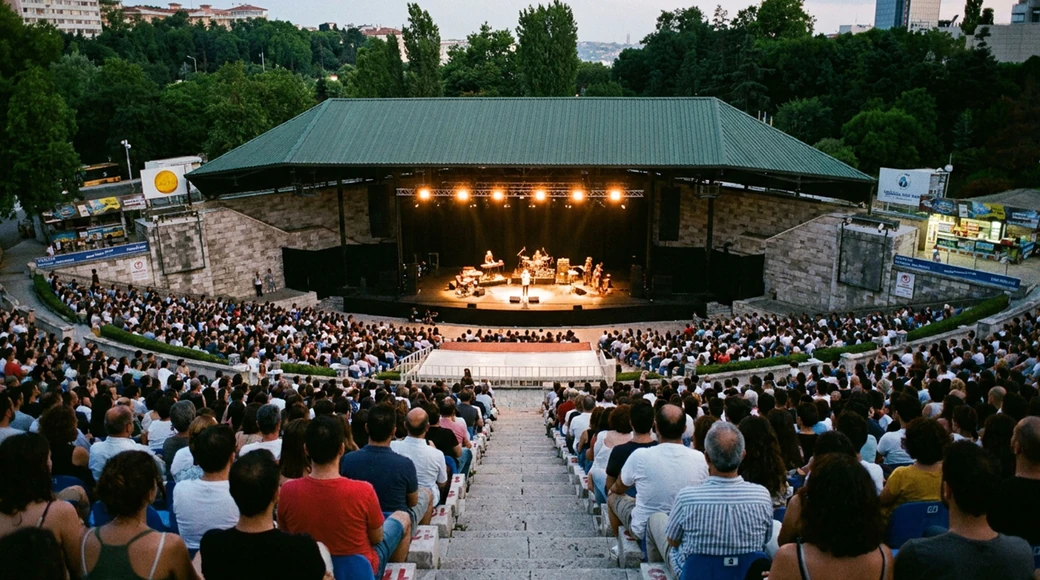
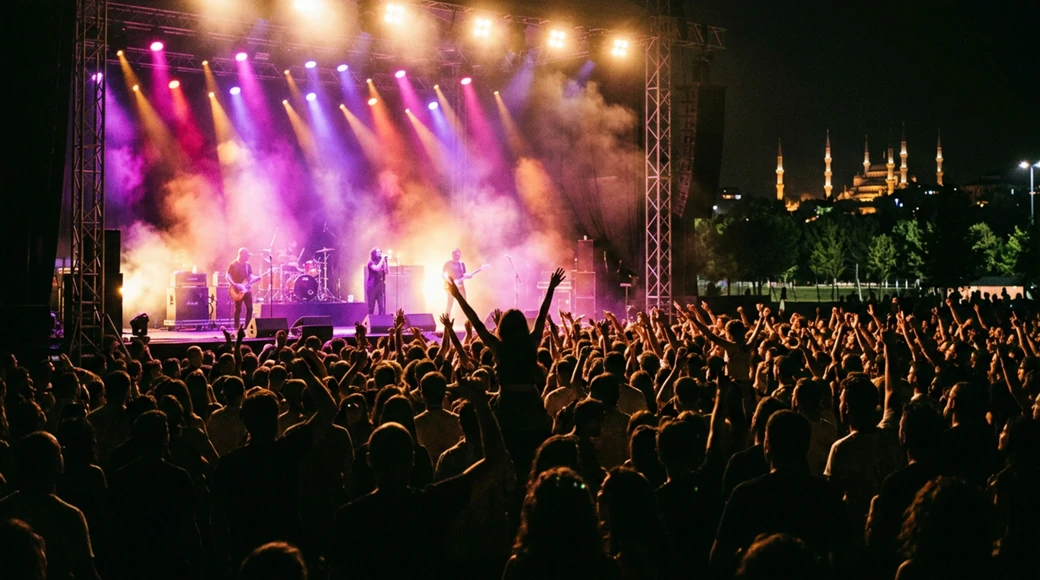
Held over sixteen days of high summer on the reclaimed ground at Yenikapı, this is the largest open-air music event in the city, drawing audiences approaching a million. The bill mixes international headliners with Turkish pop, rock and rap, and devotes two nights to K-pop. Beyond the main stage there are smaller stages, a basketball court, children's areas and food stalls open through the day. Ticket categories range from standing to grandstand, and the site is reached easily by Marmaray and metro.
Değirmenköy sits in the market-garden belt that has supplied Istanbul with vegetables for generations, and its tomato festival has run for more than four decades. Growers bring their heaviest and best-formed fruit to be judged, tractor dealers and seed merchants set up an agricultural fair alongside, and the evenings end with folk music on an open stage. It is a working farmers' event rather than a tourist one, which is exactly its appeal.
Victory Day commemorates the decisive battle at Dumlupınar in 1922 that effectively ended the war of independence. The main parade is held in Ankara, but Istanbul holds its own ceremonies, with wreaths laid at monuments, naval vessels opened to visitors at Sarayburnu and an evening of concerts and fireworks on both shores. It is a full public holiday and the last long weekend before the school year begins, so the coast roads are busy.
Istanbul's autumn jazz festival has been running since the late 1980s and occupies a different niche from the summer one: smaller halls, longer sets and a programme that leans towards the contemporary and the experimental. Concerts are spread over several weeks between late September and mid-October, with venues in Beyoğlu, Şişli and on the Asian side. Young listeners are well catered for, and student tickets are usually among the cheapest of any festival in the city.
For nine days in early autumn the city turns into an open festival ground, with hundreds of events spread over more than a hundred locations. The busiest hubs are the Atatürk Cultural Centre in Taksim and Galataport on the waterfront, where free open-air concerts draw large evening crowds. Alongside the music there are exhibitions, talks, children's workshops and guided food routes through neighbourhoods from Eminönü to Kadıköy. Most of the programme is free to attend.
On 6 October 1923 Turkish troops entered the city and the Allied occupation that had lasted four years and ten months formally ended. In the early republic the day was celebrated as the city's own holiday, with ceremonies at Dolmabahçe, and it is still marked each year with wreath-laying, military band performances and municipal events. It is not an official public holiday, so schools and offices remain open, though public transport in the city has often been made free for the day.
Each October the Istanbul Foundation for Culture and Arts brings the year's most talked-about festival films to cinemas in Beyoğlu and Kadıköy. Unlike the spring festival, Filmekimi has no competition and no jury: it is a straight selection of titles that premiered at Cannes, Venice and Berlin, shown before their general release. Tickets sell out within hours of going on sale, so booking the moment the programme is announced is essential.
From late October into early December, Istanbul's stages fill with theatre, dance and performance from Türkiye and abroad. Productions are spread across both sides of the Bosphorus, from the Atatürk Cultural Centre and historic İstiklal Avenue venues to halls in Kadıköy, and recent editions have also used churches, auction houses and old apartment buildings as site-specific stages. Foreign productions are usually surtitled in Turkish and English.
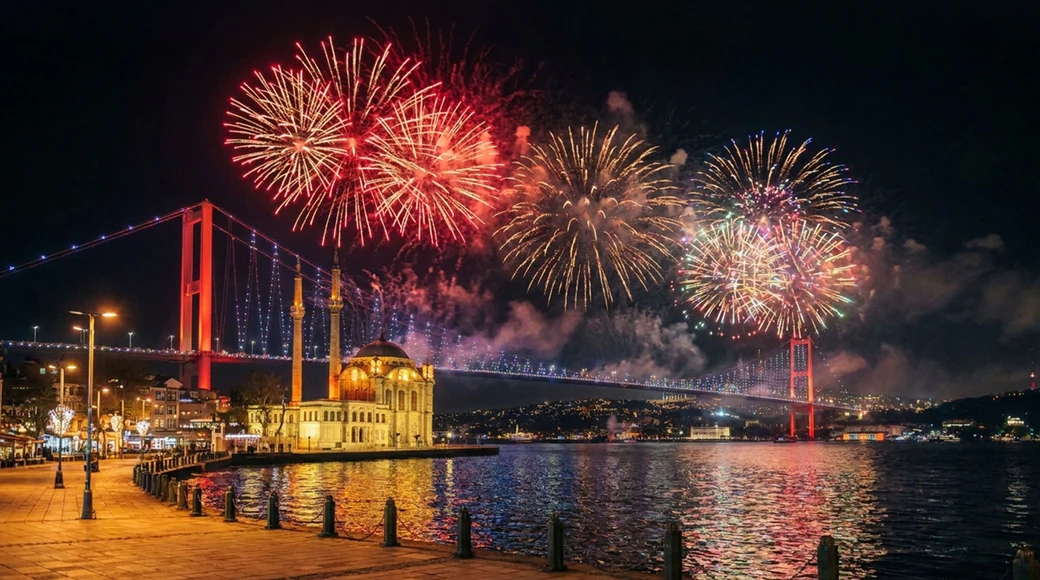
The proclamation of the Republic in 1923 is the country's principal national holiday, and in Istanbul it is also the most visually striking. Flags cover apartment facades, torch-lit processions move through Beşiktaş and Kadıköy, and the evening ends with fireworks over the Bosphorus watched from both shores. Celebrations begin at noon on 28 October, which is a half holiday, and ferries and squares are at their busiest after dark.
On 30 November the Ecumenical Patriarchate marks the feast of the apostle it regards as its founder, with a patriarchal and synodal liturgy at the Church of Saint George in Fener. A delegation from the Vatican traditionally attends, a gesture returned in Rome each June, making this one of the most watched moments in the dialogue between the Orthodox and Catholic churches. The compound is small and entry is through a security check.
Nine days in December turn the exhibition halls at Büyükçekmece into the largest reading event in the country, with close to a thousand publishers, imprints and associations taking stands. Each edition has a theme and an honorary author, and the programme runs to hundreds of panels, readings and signing sessions. The venue lies well outside the centre on the European side, so allow a long journey each way and go on a weekday if you want room to browse. Entry is ticketed, but students, teachers, children, retired visitors and people with disabilities are admitted free.
Hotels near the action — festival dates fill up fast, book early for the best rates.
Accommodation and hotel options across Istanbul, with their prices, are shown by Stay22 as a map and a list. Cookies are used. Your consent is remembered on every page; you can turn it off at any time in the cookie settings.
Event Tours & Cultural Experiences in Istanbul
Guided experiences around the city's biggest celebrations and events