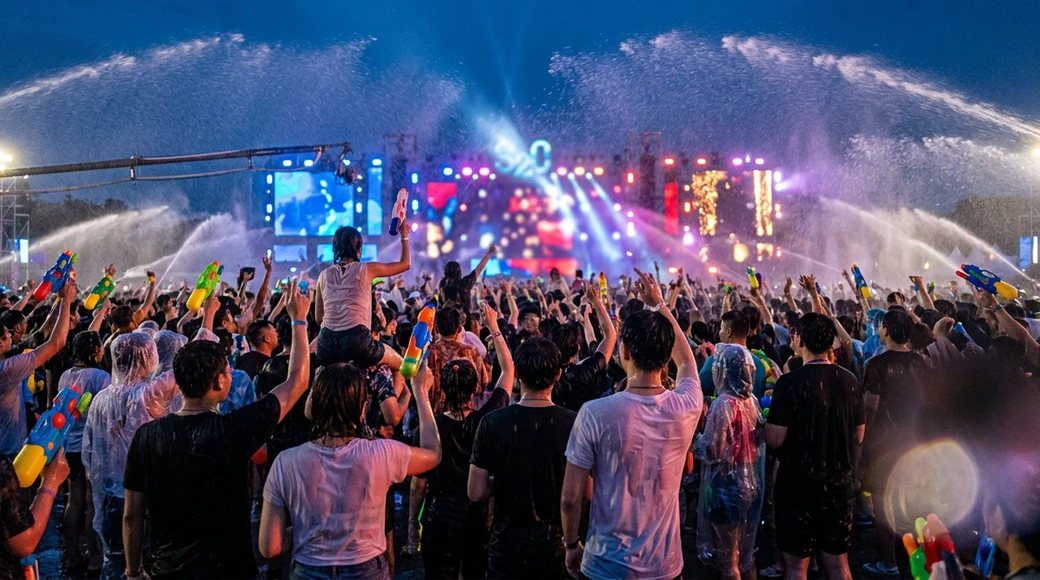
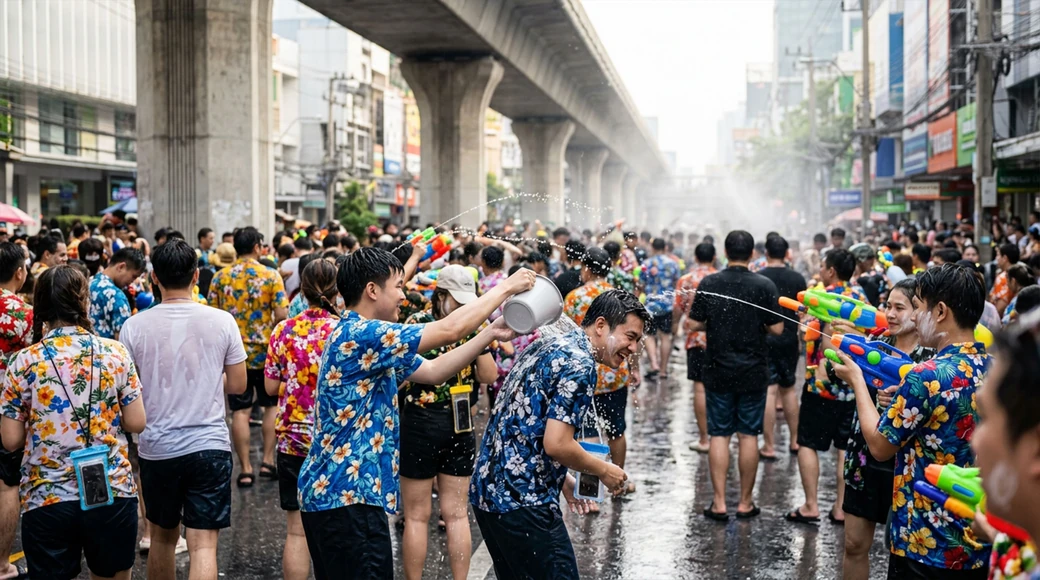
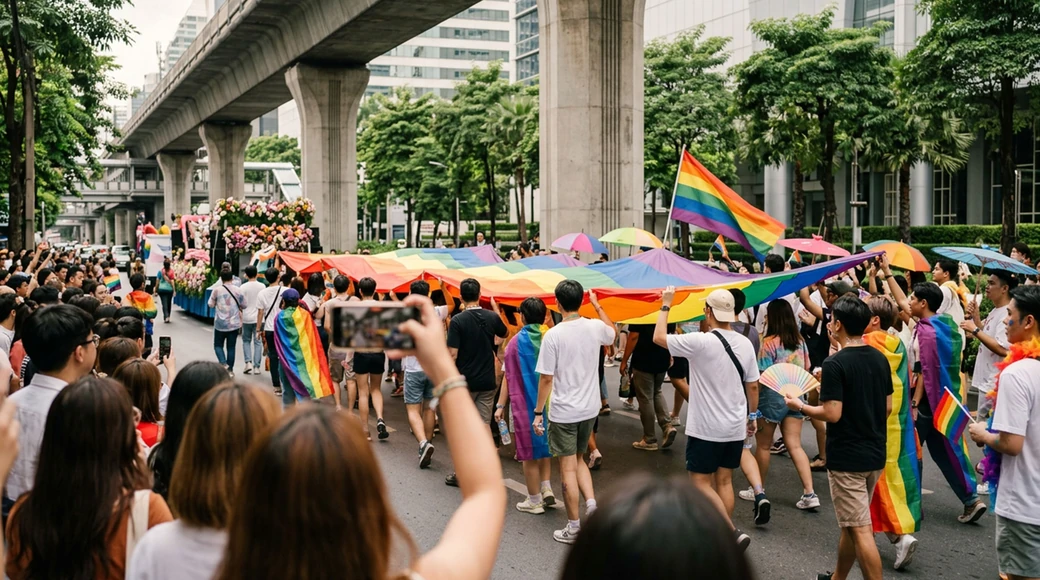
Few cities keep a busier festival calendar than Bangkok. Ancient Buddhist observances share the year with a boisterous water-splashing New Year, candlelit river ceremonies, neighborhood parades in Chinatown, and a growing roster of contemporary art, design, and food festivals. Whatever month you land in the Thai capital, there is a good chance some part of the city is already celebrating.
The calendar runs on several layers at once. Buddhist holy days such as Makha Bucha, Visakha Bucha, and the start of Buddhist Lent follow the lunar calendar and shift from year to year, while royal and national observances like Chakri Day and Coronation Day sit on fixed dates. Alongside these, community festivals rooted in specific neighborhoods — the Chinese New Year and Vegetarian Festival crowds of Yaowarat, the floating krathongs of the riverside communities — run beside a newer wave of citywide events: design weeks, art biennials, film festivals, and international trade fairs that now anchor Bangkok's cultural calendar as firmly as its older traditions.
Because so many dates move with the moon, it's worth checking the exact schedule for the year you're travelling rather than relying on a date remembered from a previous trip. A few practical notes carry over every year regardless: alcohol sales pause on major Buddhist holidays, temples and public squares such as Sanam Luang fill up fast during big religious events, and the newer festivals tend to cluster in the cooler months from November to February, when open-air crowds are far more comfortable.
Some events haven't announced their next dates yet
Where the exact date is still pending, the card shows the event's usual month so you can plan ahead. We update dates as soon as organisers announce them.2 events on this page have unannounced dates.
Japan Expo Thailand brings Japanese pop culture to Bangkok each year, filling the exhibition halls with anime (Japanese animation), manga (Japanese comics), cosplay (dressing up as a favourite character) contests, J-pop (Japanese pop music) concerts, gaming booths and Japanese food stalls. Fans arrive in costume, meet voice actors and illustrators, and browse merchandise from small doujin creators (people who self-publish fan-made works) to major studios. Held over a long weekend, it draws thousands of otaku (devoted anime and manga fans) from across Southeast Asia. Buying tickets online in advance, arriving early to skip the queue and wearing comfortable shoes all make the day smoother.
The King's Cup is the principal annual race of the Royal Bangkok Sports Club, staged on its historic Pathum Wan racecourse alongside other royal-cup meetings such as the Queen's Cup. The club was founded in 1901 under a royal charter (an official grant of authority) from King Rama V, also known as King Chulalongkorn, and its grandstands welcome the public on race days. Visitors can watch the horses parade before each race from the general-admission stand, enjoy affordable snacks and street food trackside, and follow the excitement at the official tote windows (pool betting, where all stakes go into a shared pot and are divided among winners). Clubhouse areas and the golf course are reserved for members and their guests.
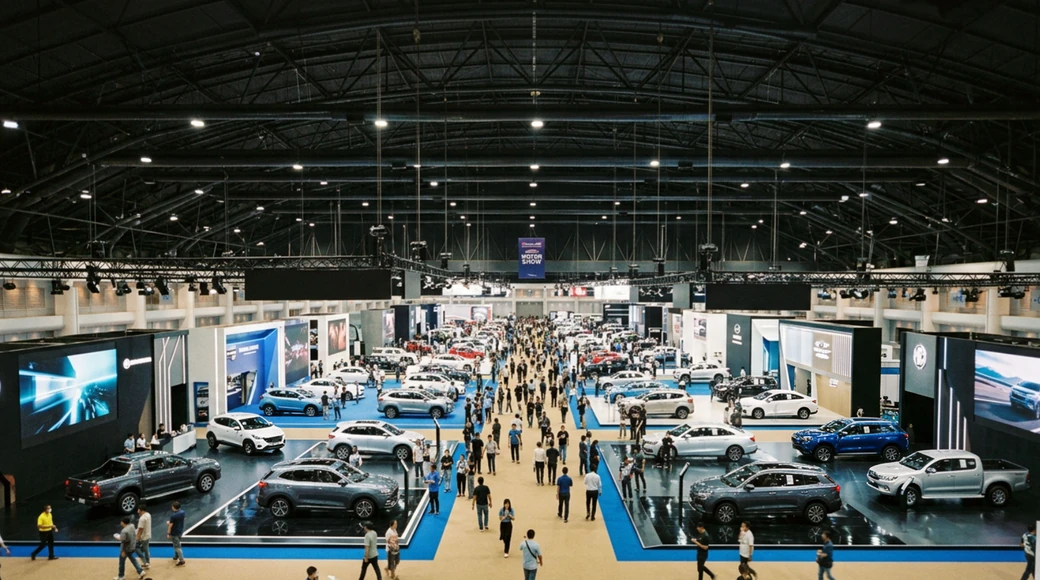
Commart Thailand is the country's largest IT and gadget expo, held at BITEC Bangna several times a year, where notebooks, DIY PCs (computers assembled by the buyer from chosen parts), smartphones, gaming gear and smart-home devices (connected household gadgets controlled from a phone) from every major retailer fill the halls under one roof. Show-only discounts, hands-on demo units and daily giveaways attract dedicated bargain-hunters and casual browsers alike. Entry is free. Weekdays leave more room to explore, while weekends bring a lively crowd, and keeping some cash handy is useful at stands that offer special deals on the show floor.
Chakri Memorial Day marks the founding of Thailand's ruling Chakri dynasty by King Rama I in 1782, the year the capital moved to Bangkok and construction of the Grand Palace began. It is a national public holiday: government offices, banks and schools close, and wreath-laying ceremonies (solemn tributes with floral garlands) are held at the memorial of the dynasty's founder and at the Temple of the Emerald Buddha (Wat Phra Kaew). Visitors can still tour the Grand Palace during its regular opening hours; the royal grounds feel especially formal and well guarded that day, so smart, modest clothing is recommended.
National Labour Day honours Thailand's workforce with a public holiday for private-sector employees, while government offices generally keep their usual schedule. Trade unions traditionally hold rallies and marches, historically gathering around Sanam Luang and Government House in Bangkok, to call for better wages and working conditions. For visitors, daily life carries on smoothly: most shops, malls and restaurants operate as usual, although banks and some corporate offices close, and roads near rally points can be busier than normal, so allowing some extra travel time in central Bangkok is a good idea.
Coronation Day commemorates the 2019 coronation of King Maha Vajiralongkorn (Rama X) in the Chakri Maha Prasat Throne Hall of the Grand Palace, a ceremony rooted in centuries-old Brahmin (Hindu priestly) and Buddhist ritual, including purification bathing rites and the presentation of the royal regalia (the ceremonial emblems of kingship). It is a national public holiday: banks, schools and most government offices close. Flags and royal portraits appear across Bangkok in the days before. Anyone planning a Grand Palace visit around this date will want to check the palace's announcements, since ceremonial events can change access.
The Royal Ploughing Ceremony is an ancient Brahmin-Buddhist rite (a ritual blending Hindu priestly and Buddhist traditions) held at Sanam Luang each May to bless the start of the rice-growing season. Its roots are older than Buddhism in the region, and King Bhumibol revived it in 1960. A Buddhist blessing at the Temple of the Emerald Buddha comes first; on the ceremony morning, sacred oxen pull a ceremonial plough while the 'Ploughing Lord' (Phraya Raek Na, the official who leads the rite) draws lots that forecast the year's rainfall, and onlookers gather blessed rice seeds as a good-luck keepsake. It is free and open to the public from early morning; modest dress and sun protection are advisable in the heat.
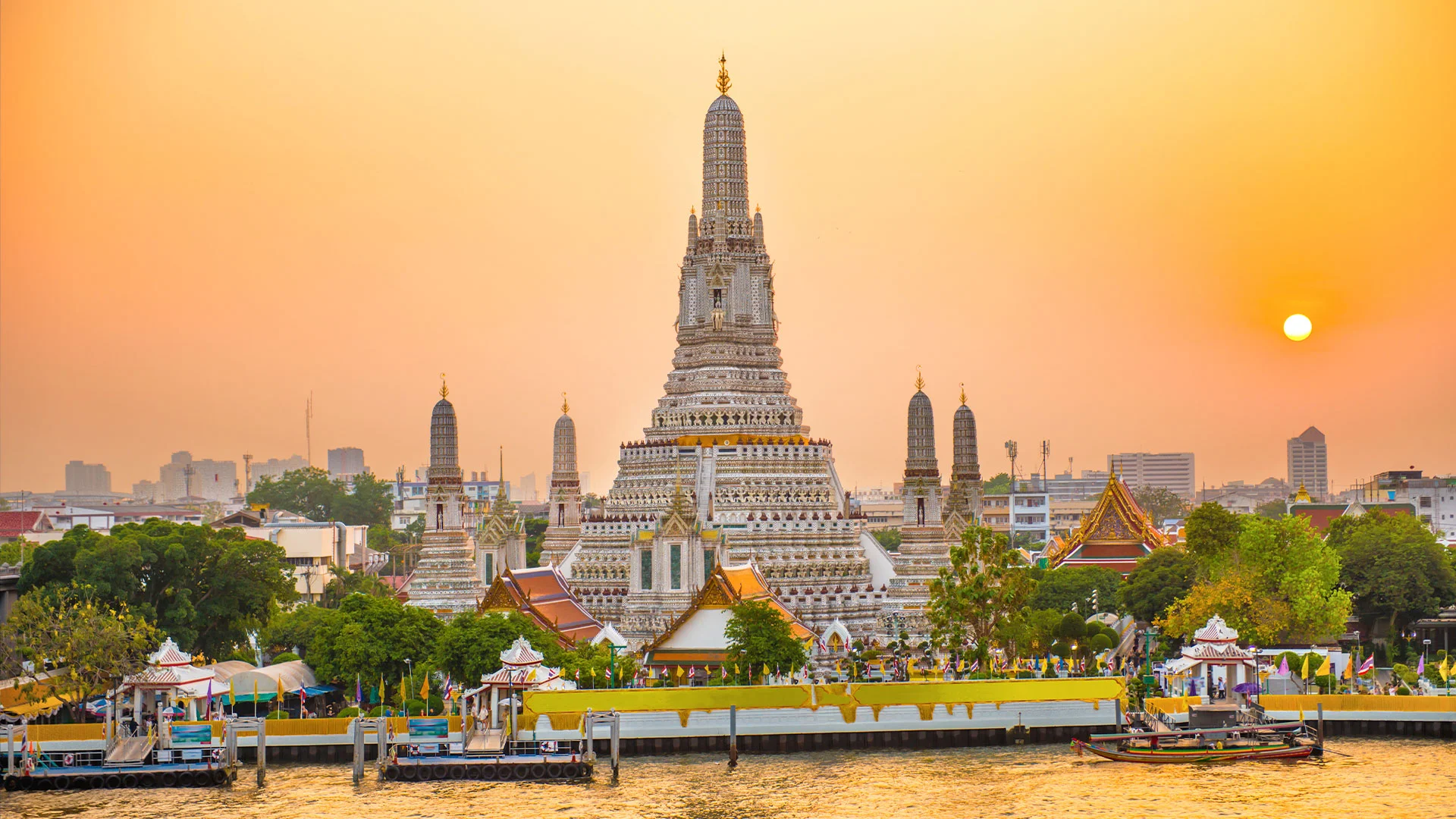
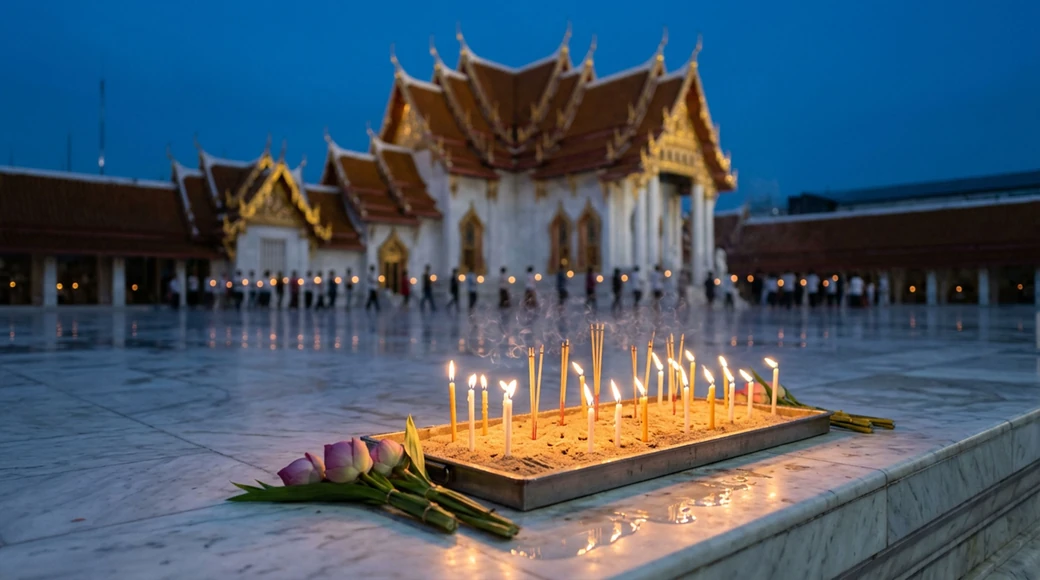
Visakha Bucha Day is Thailand's most sacred Buddhist holiday, commemorating the Buddha's birth, enlightenment and passing, all believed to have fallen on the same full-moon day. Devotees visit temples to make merit (do good deeds believed to bring spiritual benefit), listen to sermons and join the candle-lit wian thian procession (a walk of devotion three times clockwise around the main hall at dusk, carrying flowers, incense and a candle). It is a national public holiday, and the mood across the country is calm and reverent. Wat Pho and Wat Arun hold notably atmospheric evening ceremonies, and quiet behaviour and modest dress are appreciated.
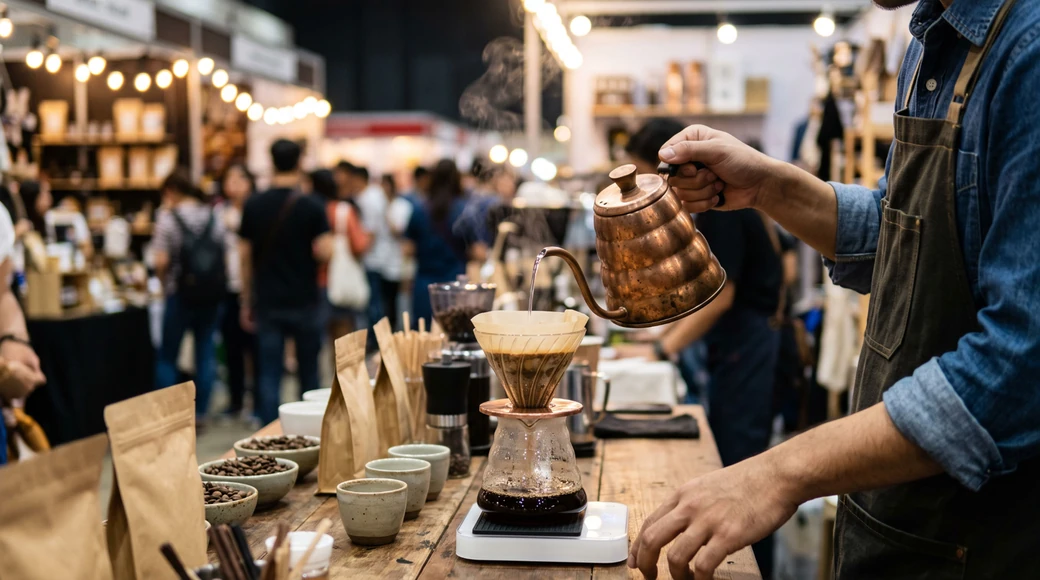
THAIFEX-Anuga Asia is Asia's largest food and beverage trade show, filling IMPACT Muang Thong Thani with thousands of exhibitors, from packaged snacks and seafood to coffee, bakery equipment and halal products (foods prepared according to Islamic dietary rules). Organised by Thailand's Department of International Trade Promotion with Germany's Koelnmesse, most days are for trade professionals only, but the final day typically opens to the public for tastings and shopping. Comfortable shoes, a healthy appetite and online registration in advance help visitors enjoy the long halls with minimal waiting.
Asalha Bucha commemorates the Buddha's first sermon, when he set the Wheel of Dharma (the teaching of the Buddhist path) in motion and founded the monastic Sangha (the community of monks); the following day, Khao Phansa marks the start of Buddhist Lent, a three-month period when monks stay in their temples for study and meditation. Together they form a two-day religious observance across Thailand. Devotees offer candles and saffron robes to monks, and rural communities parade giant carved candles; in Bangkok, Wat Arun and Wat Pho hold candle-lit evening ceremonies open to visitors.
This day marks the birthday of the late Queen Sirikit, the Queen Mother, and is observed nationally as Mother's Day. Since her passing in October 2025, the date has remained an annual public holiday and is now also a day of remembrance for her decades of charitable and cultural work, including the promotion of Thai silk. Banks, schools and government offices close; people traditionally wear light blue, her birthday colour, and merit-making ceremonies (temple services where people do good deeds for spiritual benefit) are held at temples and, historically, at Sanam Luang. Visitors will find a calm, respectful mood, and a touch of light blue is warmly appreciated.
Revived in 2025 after a 17-year hiatus, the Bangkok International Film Festival (BKKIFF) has quickly grown into a major two-week showcase of Thai and world cinema. Its revived editions have opened with a red-carpet gala (a formal premiere evening for guests and filmmakers) at ICONSIAM's riverside plaza, before screenings spread across cinemas such as Siam Paragon, SF Cinema and House Samyan. The programme mixes Thai blockbusters, festival award-winners and a growing industry Film Market (a trade fair where filmmakers and buyers meet) aimed at building Bangkok into a regional filmmaking hub. Many screenings are free, and booking seats online early helps for popular titles and the opening ceremony.
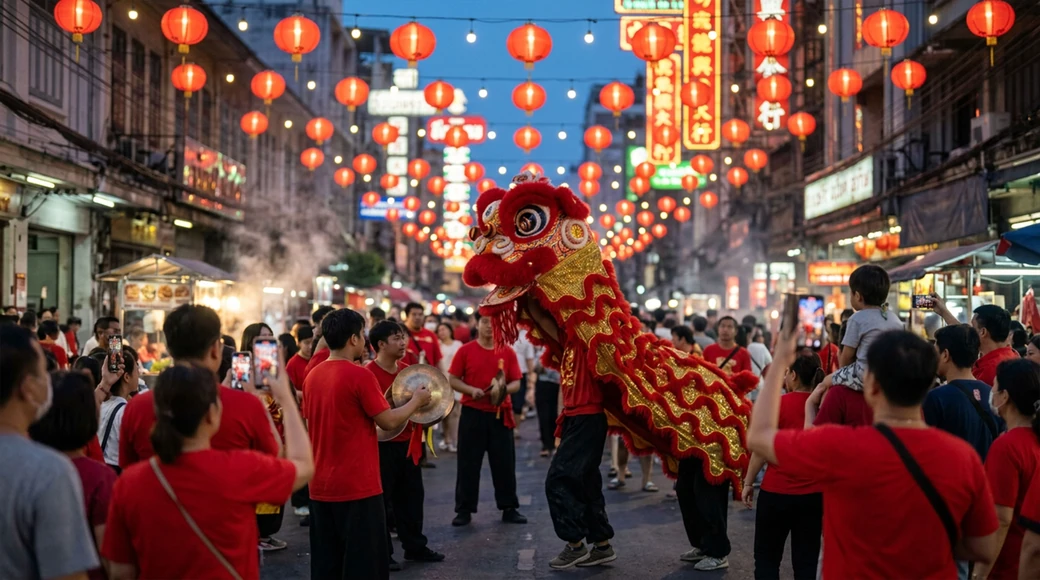
Known locally as Wan Wai Phra Chan (Moon Worship Day), the Mid-Autumn Festival is celebrated by Bangkok's large Thai-Chinese community with mooncakes (round pastries with sweet or savoury fillings), red lanterns and dragon-and-lion dance processions, most vividly in Yaowarat (Chinatown) and the riverside Talad Noi neighbourhood. Families gather to honour the full moon and share mooncakes, a symbol of reunion, and some households in Talad Noi keep century-old moon-worship altars open to onlookers. Hotels and bakeries across the city sell limited-edition mooncakes for weeks beforehand, and Yaowarat in the evening is lively and wonderfully busy.
Known as Tesagan Gin Je (the 'eat Je' festival, where 'je' means strictly vegetarian food), the Vegetarian Festival transforms Yaowarat (Chinatown) for nine days each autumn as Bangkok's Thai-Chinese community observes a Taoist and Buddhist tradition of ritual purification through strict vegetarian eating. Yellow flags reading 'je' mark hundreds of temporary food stalls serving inventive meat-free versions of Thai-Chinese classics, while Chinese shrines hold processions and lion-and-dragon dances. Deity palanquins (decorated carrying chairs for sacred images) are typically carried through the Yaowarat area. Arriving hungry and expecting large, enthusiastic crowds each evening makes the experience even more fun.
Bangkok's Little India in Phahurat and along the Khlong Ong Ang canal comes alive each October for the Amazing Thailand Grand Diwali Festival, celebrating over a century of Thai-Indian community and trade. Diwali is the Hindu festival of lights, symbolising the victory of light over darkness. Streets are strung with lights, Bollywood-style dance and music shows run nightly, and vendors sell Indian sweets, snacks and textiles alongside offerings to Ganesha (the elephant-headed god of new beginnings) and Lakshmi (the goddess of prosperity). The Sri Maha Mariamman Temple, built by Tamil immigrants in 1879, stands on Silom Road, a short ride away for a quieter, devotional visit. Evenings are liveliest, and the canal walkway is especially photogenic after dark.
Chulalongkorn Day honours King Rama V (Chulalongkorn), one of Thailand's most revered monarchs, who abolished slavery, modernised the civil service and kept the country independent during the colonial era. Each year on the anniversary of his death in 1910, wreaths are laid at his equestrian statue (a statue showing him on horseback) in the Royal Plaza in Dusit, and thousands of ordinary Bangkokians visit throughout the day with flowers, incense and portraits. It is a national public holiday: banks, schools and most offices close. Visitors are welcome to pay their respects quietly and dress modestly.
Southeast Asia's largest gaming event, gamescom asia x Thailand Game Show brings together Germany's gamescom brand and Thailand's long-running game show at the Queen Sirikit National Convention Center. Publishers and studios unveil new titles in a business-only trade zone, while a huge consumer hall offers hands-on demos, esports tournaments (organised competitions in video games), cosplay competitions (costume contests for fans dressed as characters) and meet-and-greets with streamers (people who broadcast their gameplay live). The 2025 edition drew over 200,000 visitors. Buying tickets online in advance is cheaper and helps skip the entry queue, which can be long on weekend mornings.
The Bangkok Art Biennale (BAB), a large international art exhibition held every two years since 2018, transforms the city's most iconic temples and heritage sites into venues for contemporary art, alongside the Bangkok Art and Culture Centre. Past editions have placed international and Thai artists' work inside Wat Pho, Wat Arun and Wat Prayun, creating a striking dialogue between centuries-old religious architecture and cutting-edge installation, video and sculpture. The exhibition runs for around four months from late October. Admission to most venues is free, and the official map lists each venue's access details, since visiting arrangements differ from temple to temple.
Halloween is a relatively recent import, yet it has become one of Bangkok's liveliest party nights, especially in nightlife districts such as RCA, Thonglor and Khao San Road, where clubs and bars host costume contests with cash prizes and DJ line-ups that run until dawn. Shopping malls also decorate elaborately and run family-friendly trick-or-treat events (children collecting sweets from shops) for kids in the weeks before. It is a celebration rather than a public holiday, so think of it as a fun, dress-up night out, and book venue tickets ahead since popular spots tend to fill up.
ELLE Fashion Week Thailand brings the international ELLE magazine brand to Bangkok's runway calendar, usually staged at ICONSIAM's riverside event spaces in the weeks before Thailand Fashion Week's autumn/winter edition, together forming a Bangkok 'fashion month' (a stretch of weeks packed with runway shows). The programme favours a polished, magazine-editorial aesthetic (a refined look inspired by fashion-magazine photography), mixing established Thai labels with regional guest designers and celebrity front-row appearances. Most shows require an invitation or media pass, though ICONSIAM's public areas often host pop-up displays and photo opportunities tied to the event for casual visitors.
Thailand Fashion Week is Bangkok's flagship runway event, held for the spring/summer and autumn/winter seasons and showcasing established and emerging Thai designers across ready-to-wear (ready-made collections sold in standard sizes), couture (custom-made high fashion) and accessories to industry buyers, media and fashion-forward locals. The autumn/winter edition typically runs in late November, close to ELLE Fashion Week Thailand, and together they create a Bangkok 'fashion month' (a stretch of weeks packed with runway shows). Venues change by season, so the official schedule is the best guide; some shows are open to the public with paid tickets, while others are trade-only.
Each November, the Michelin Guide Thailand awards ceremony gathers the country's top chefs and restaurateurs to reveal the year's new stars, Bib Gourmand honours (Michelin's recognition for good-value cooking) and Green Star sustainability awards (recognition for eco-conscious restaurants), alongside updates to the ever-popular Bangkok street food selections. The black-tie event (a formal evening in evening wear) is by invitation for industry figures and media, rotating between different luxury hotel ballrooms, but the guide released that evening quickly reshapes reservation demand across the city's dining scene. Following the announcement live through the Michelin Guide's official channels is an easy way to join in from anywhere.
Vijit Chao Phraya transforms the riverfront between the Rama VIII Bridge and the Grand Palace into a nightly light-and-projection show each December, with illuminated temples, animated projections mapped onto historic buildings (images cast to fit the buildings' surfaces) and light installations along the water. It is best viewed from the riverside promenades near Wat Arun and Wat Pho or from a dinner cruise boat gliding past the lit-up landmarks. Free river-view spots are popular on weekends, so arriving early or booking a boat trip that includes the show in its route helps you secure a good view.
December 5 marks the birthday of the late King Bhumibol Adulyadej (Rama IX), Thailand's longest-reigning monarch, and is observed as both National Day and Father's Day. Buildings across Bangkok are decorated with yellow lights and portraits, since yellow was the King's birthday colour, and many Thais still wear yellow shirts on this date as a mark of respect. It is a national public holiday with banks, schools and most offices closed; the Grand Palace and Royal Plaza area host wreath-laying ceremonies (solemn floral tributes) and look especially beautiful when decorated in the evening.
Awakening Bangkok fills the historic Charoenkrung Road and the atmospheric Talad Noi neighbourhood with contemporary light-art installations by Thai and international artists each December, breathing new life into century-old shophouses (narrow multi-storey buildings with a shop below and living space above), warehouses and small sois (side streets) after dark. Compared with the grander Vijit Chao Phraya show, this festival has a more indie, gallery-hopping feel, with free walking routes connecting installations, pop-up bars and street food vendors. Comfortable shoes suit the uneven, atmospheric back-alleys, and a weeknight visit offers a more relaxed pace.
Constitution Day commemorates the promulgation of Thailand's first permanent constitution on December 10, 1932, following the bloodless revolution that ended absolute monarchy (rule in which the king holds all power) and established a constitutional system. Unlike more visually dramatic holidays, it is observed quietly nationwide: banks, schools and government offices close, and there are no major public processions for visitors to attend. History enthusiasts can see the Old Parliament House in Dusit, the former seat of the National Assembly, or the Democracy Monument on Ratchadamnoen Road, built around 1940 specifically to commemorate this transition to constitutional rule.
Bangkok's biggest New Year's Eve countdown (the final countdown to midnight) centres on CentralWorld's plaza, where a massive firework display lights up the sky at midnight above a giant illuminated countdown clock, drawing hundreds of thousands of revellers alongside live concerts and DJ sets. Other major countdown parties happen simultaneously at ICONSIAM, Asiatique and along the Chao Phraya riverside, each with their own fireworks and entertainment. Roads around Ratchaprasong typically close to traffic, so arriving by BTS Skytrain rather than by car is the smoothest option, and arriving early helps you settle in before the area fills with festive crowds.
Accommodation and hotel options in Bangkok
Hotels near the action — festival dates fill up fast, book early for the best rates.
Accommodation and hotel options across Bangkok, with their prices, are shown by Stay22 as a map and a list. Cookies are used. Your consent is remembered on every page; you can turn it off at any time in the cookie settings.
Event Tours & Cultural Experiences in Bangkok
Guided experiences around the city's biggest celebrations and events