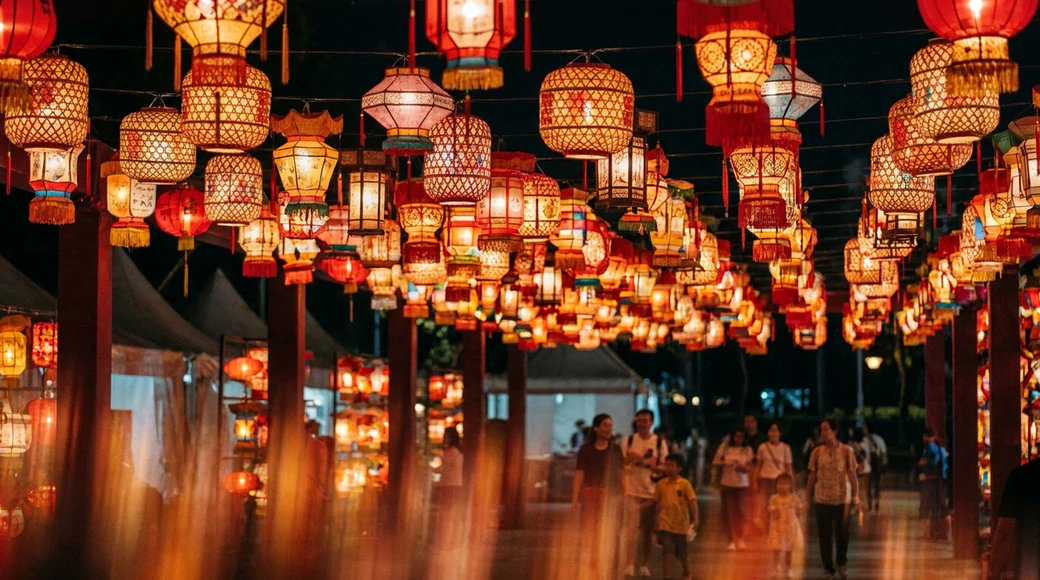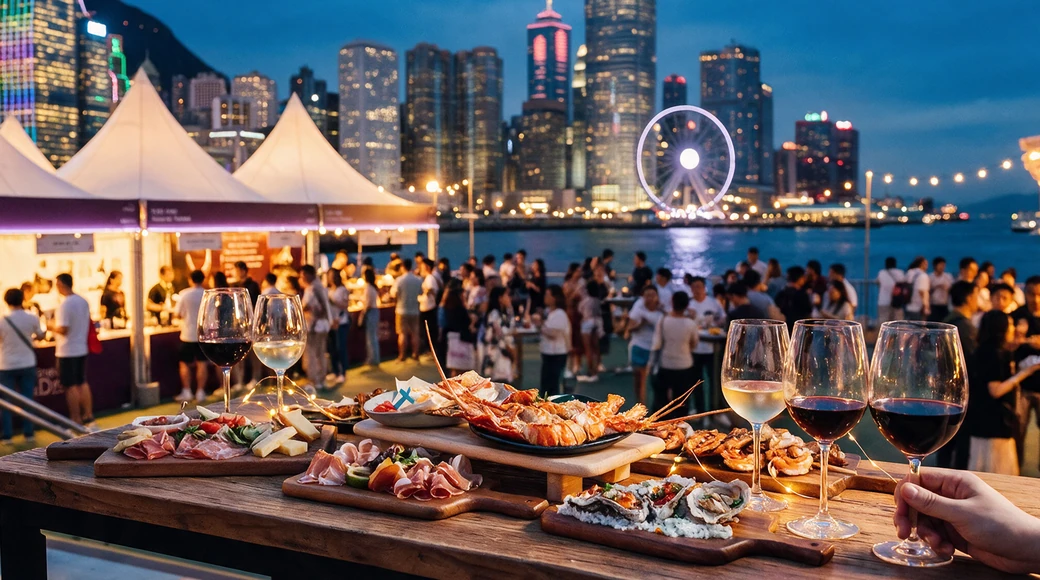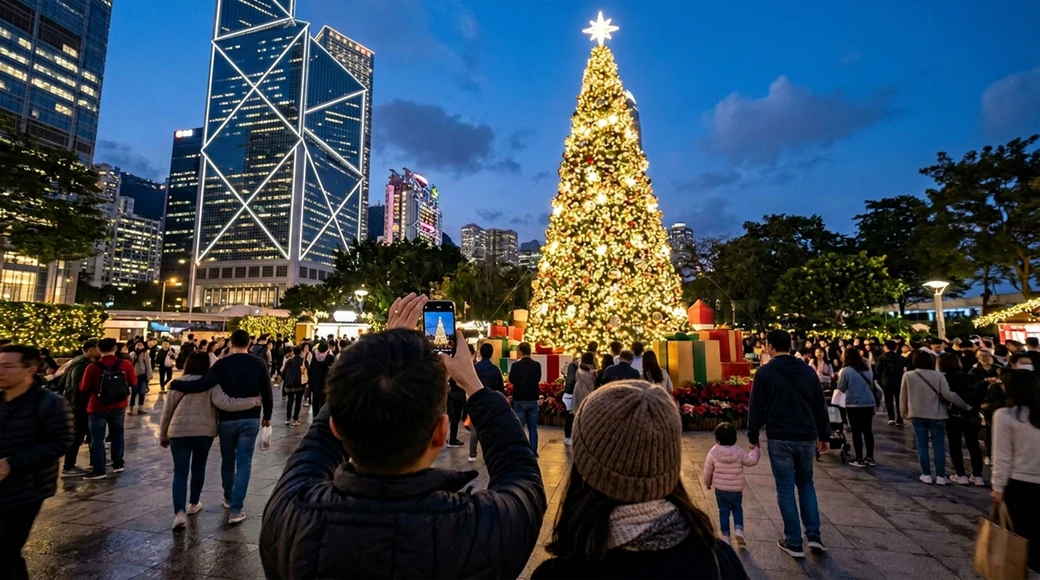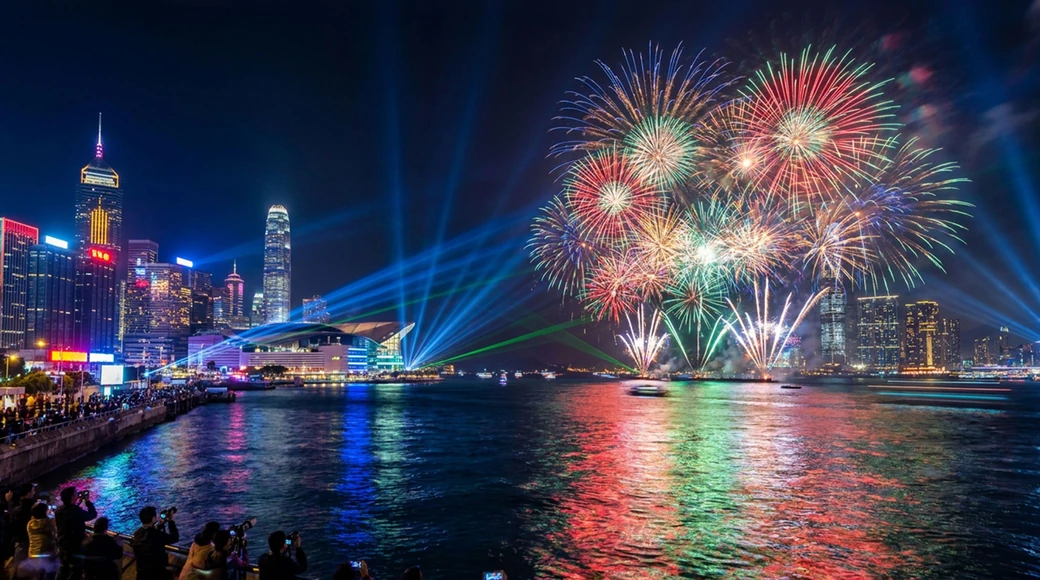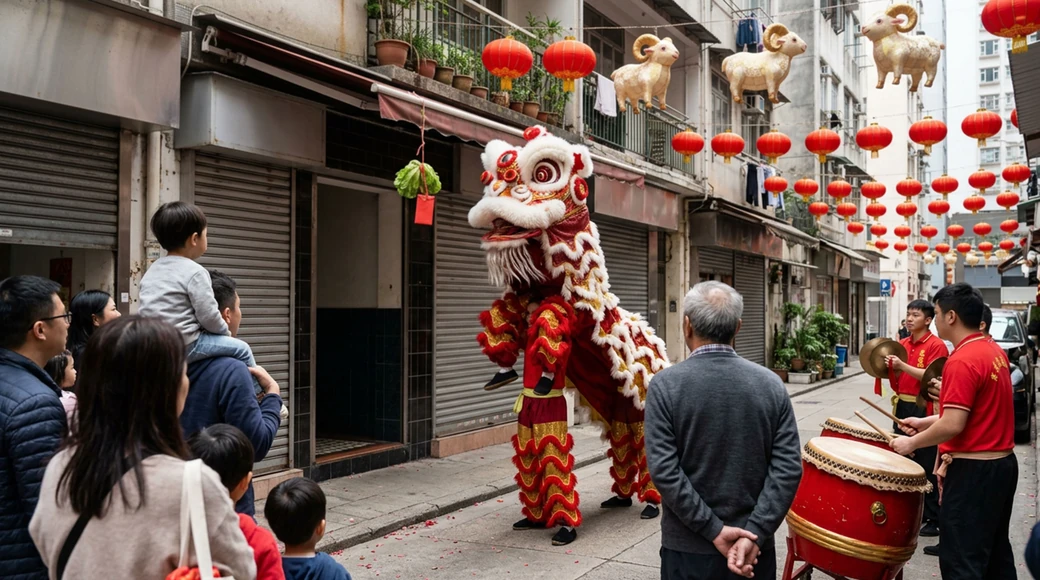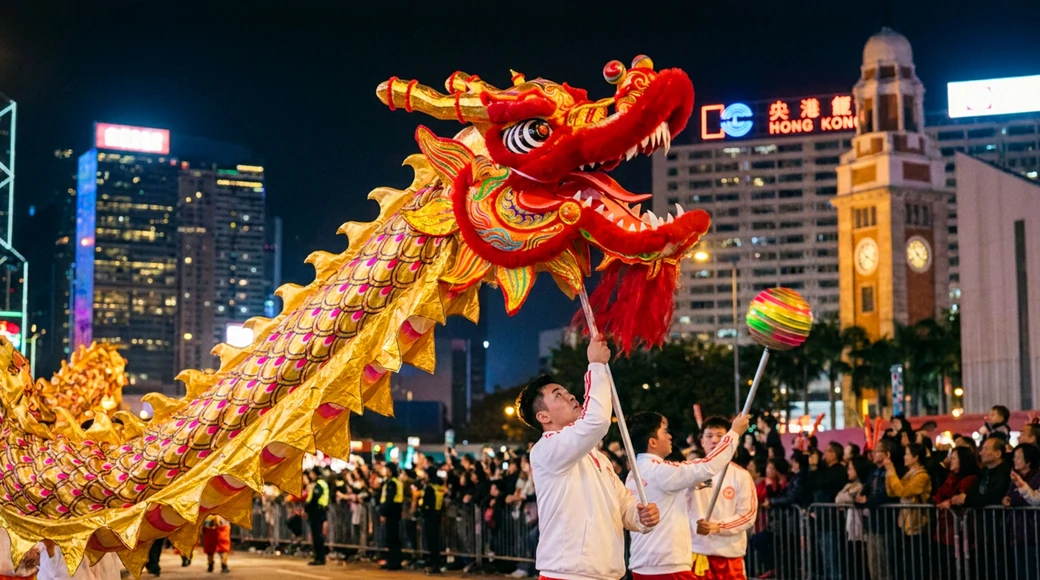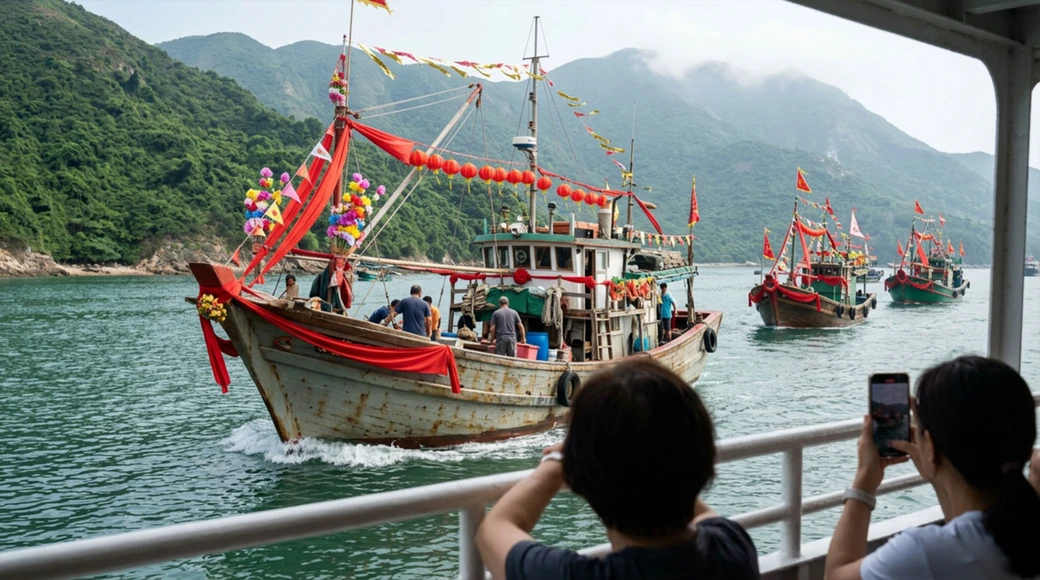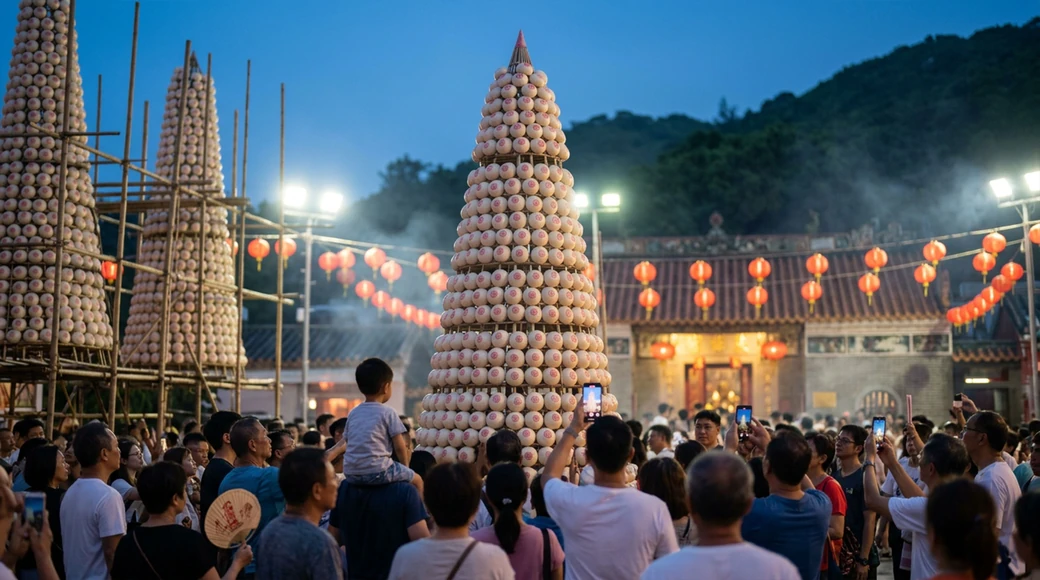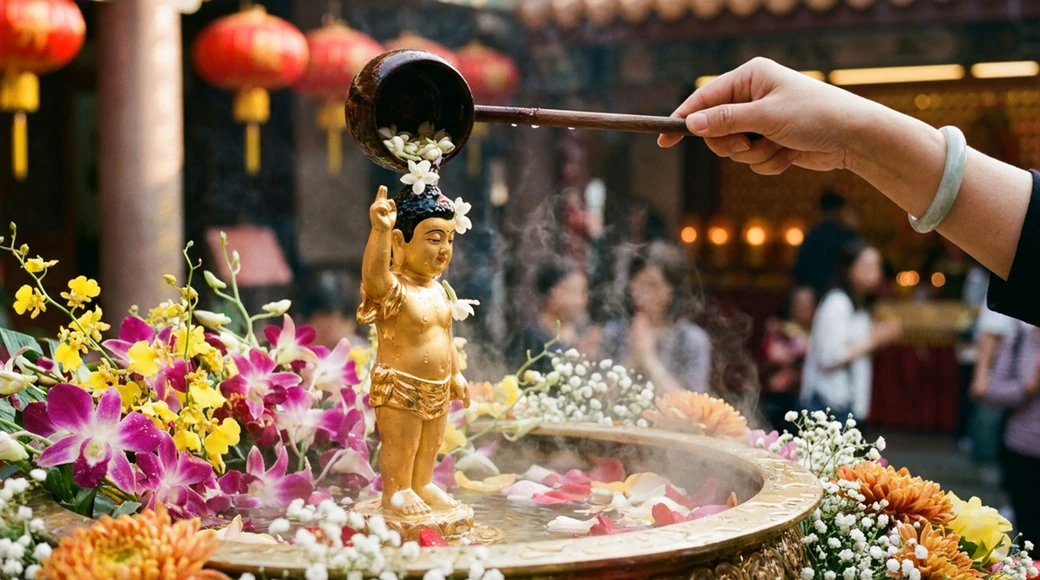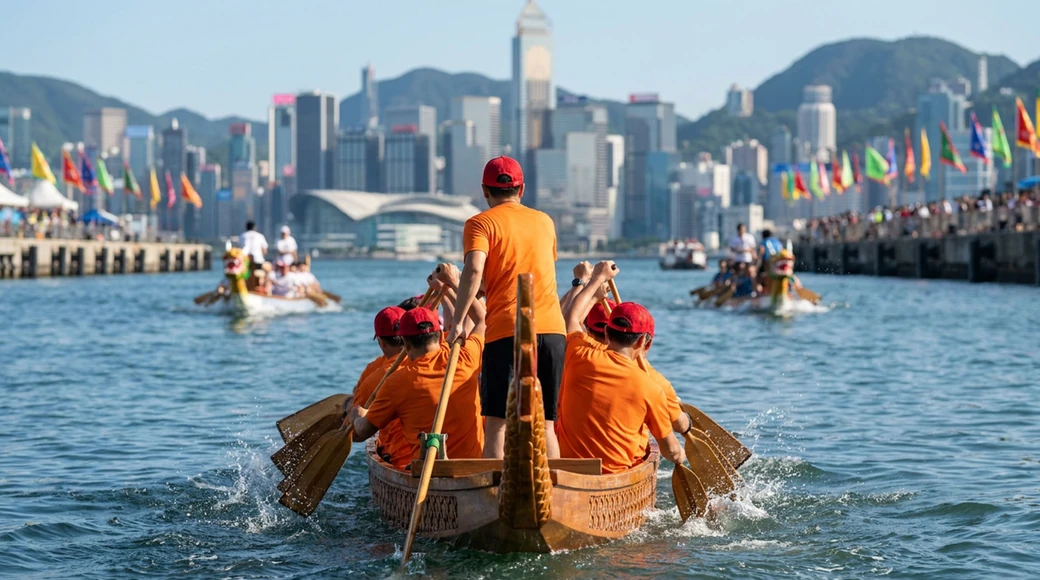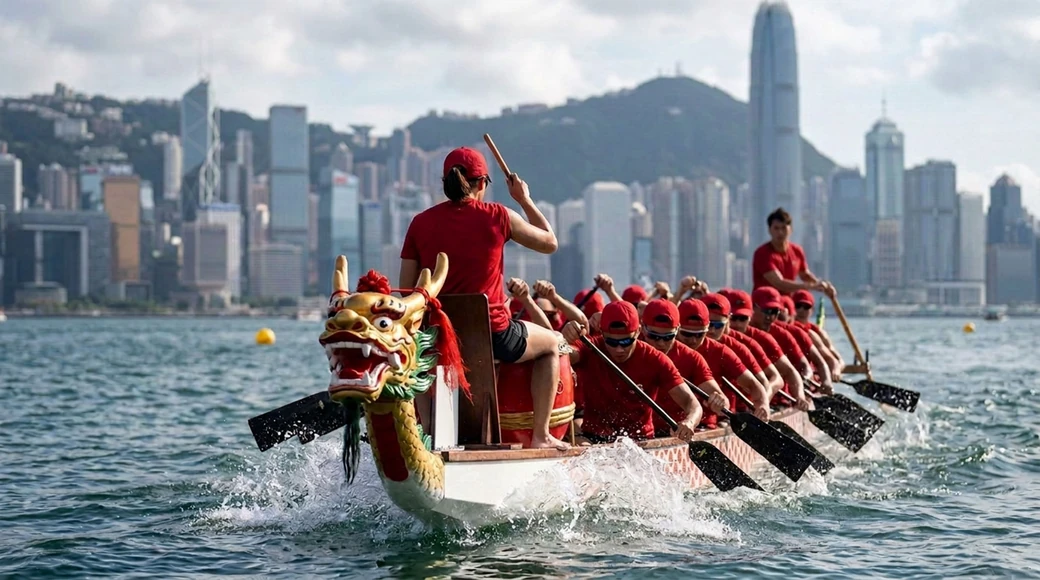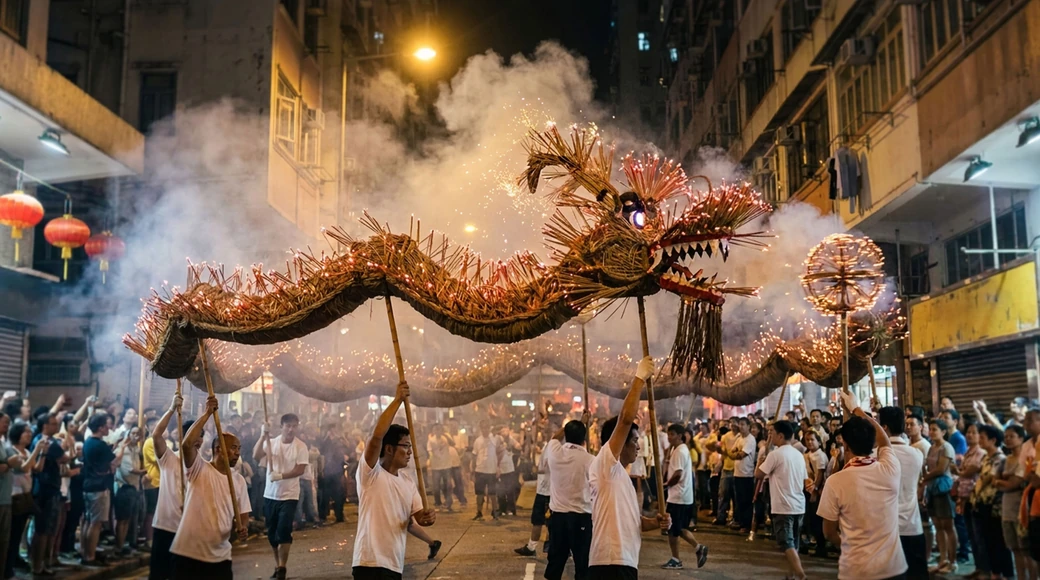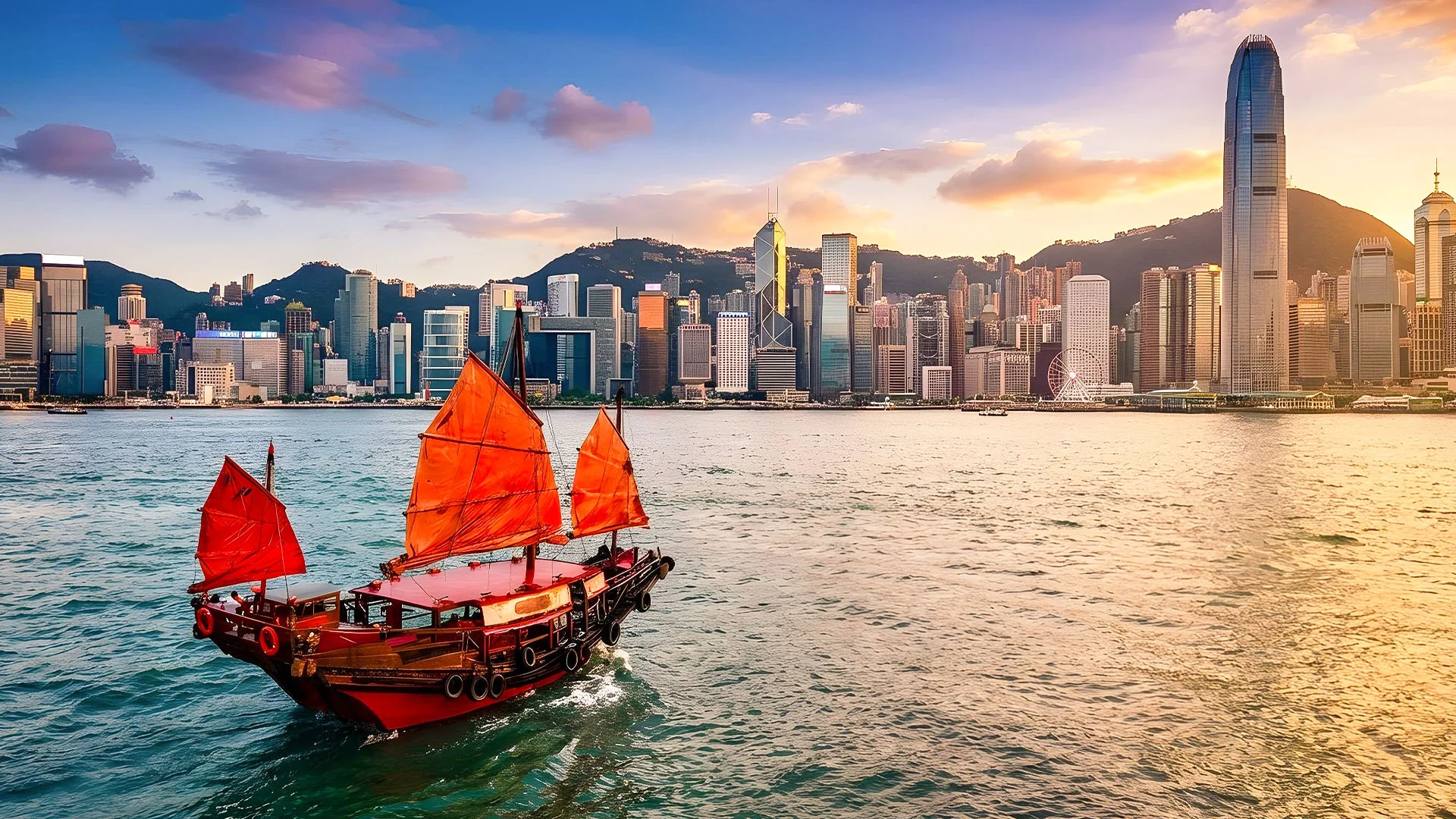
Hong Kong lives by two calendars at once. The first follows the moon: Lunar New Year, the Cheung Chau Bun Festival, Tuen Ng (the Dragon Boat Festival), the Yu Lan (Hungry Ghost) month, Mid-Autumn (the moon festival of lanterns and mooncakes) and Chung Yeung (the autumn day of ancestor remembrance and hill walks) all move with the lunar months, so their dates change from year to year. The second is the familiar Gregorian year, which brings Easter, Labour Day and Christmas. The city counts seventeen general holidays, and the blend of the two traditions gives its festival year a character that few other places share. Celebrations here are rarely confined to one grand square. They fill village lanes, fishing islands, temple courtyards, typhoon shelters and the harbour front, so Hong Kong feels like a patchwork of neighbourhood festivals joined together by one of the world's most photographed skylines. Spring brings the birthday festivals of the sea goddess and the Buddha, summer brings dragon boats, and autumn brings lanterns and fire dragons, so there is something to see outdoors in almost every month. A morning can begin with incense curling through a temple on Hollywood Road, and the same evening can end with rugby fans in fancy dress or a gallery opening beside the water. Several of these traditions are recognised as intangible cultural heritage, among them the Cheung Chau Jiao (Taoist thanksgiving) Festival known as the Bun Festival, the Tai Hang Fire Dragon Dance, the Yu Lan Festival of the Chiu Chow community (people with roots in the Chaozhou region) and the Tai O dragon boat water parade, each kept alive by local associations and families rather than by professional organisers.