
Quick Facts About Bangkok
Currency
Thai Baht (฿, THB)
Language
Thai
Calling Code
+66
Population
9.1 million (city), ~17.4 million (metro)
Plug Type
Type A, B, C (220V, 50Hz)
Emergency Numbers
Police
191
Ambulance
1669
Fire
199
Tourist Police
1155
Traveler Profile Scores for Bangkok
Editorial contentEditor-curated scores (0-100) showing how well the city suits different traveler types and lifestyles. It doesn't declare one city better than another; it matches profiles. Rows without data are hidden.
The assessment is based on analysis of public sources about the city, country-level rights indices and regional reports; it is calibrated against reference cities.
Safety and legal conditions can change quickly; check official sources before you travel.
Top Tourist Attractions in Bangkok
Bangkok rewards visitors who balance grandeur with grit. Start at the Grand Palace and Wat Phra Kaew, home of the Emerald Buddha, then cross the Chao Phraya River to Wat Arun, the Temple of Dawn, whose spires glow at sunset. Wat Pho's reclining Buddha and quiet monk-training courtyards sit a short walk away. Beyond the old royal city, Chatuchak Weekend Market spreads across thousands of stalls, while the Jim Thompson House preserves a slice of teak-house Bangkok. For a different pace, ride a longtail boat through the klongs (canals) of Thonburi, or watch the skyline from a rooftop bar in Sathorn. Day trips reach the floating markets of Damnoen Saduak and the railway market at Maeklong. Whichever places you choose, plan for the heat, dress modestly for temples, and leave room to wander - Bangkok's best moments often happen between the landmarks, in markets, alleys and riverside walkways that reveal the city's everyday rhythm.
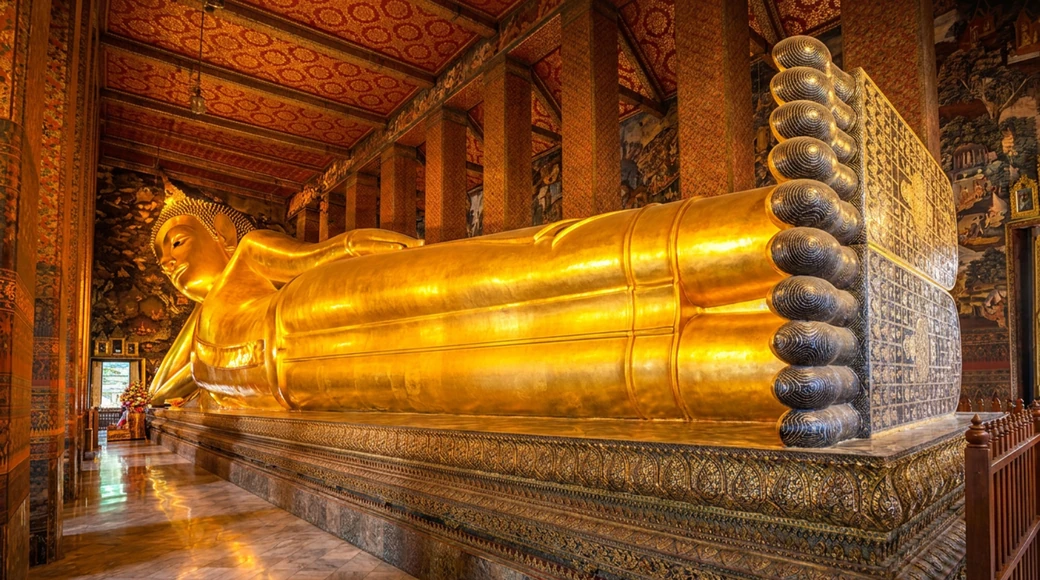
Wat Pho (Temple of the Reclining Buddha)
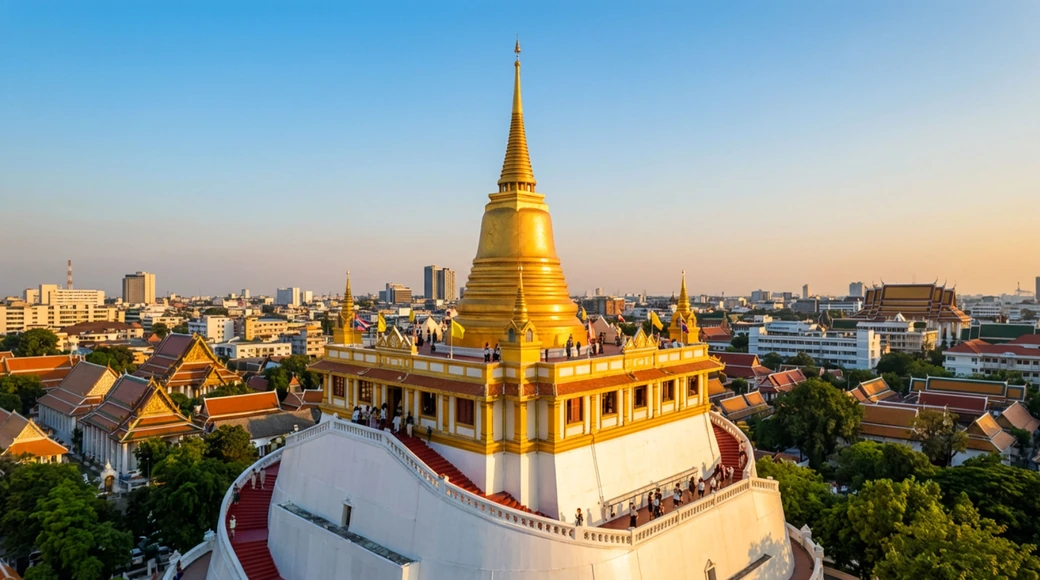
Wat Saket (The Golden Mount)
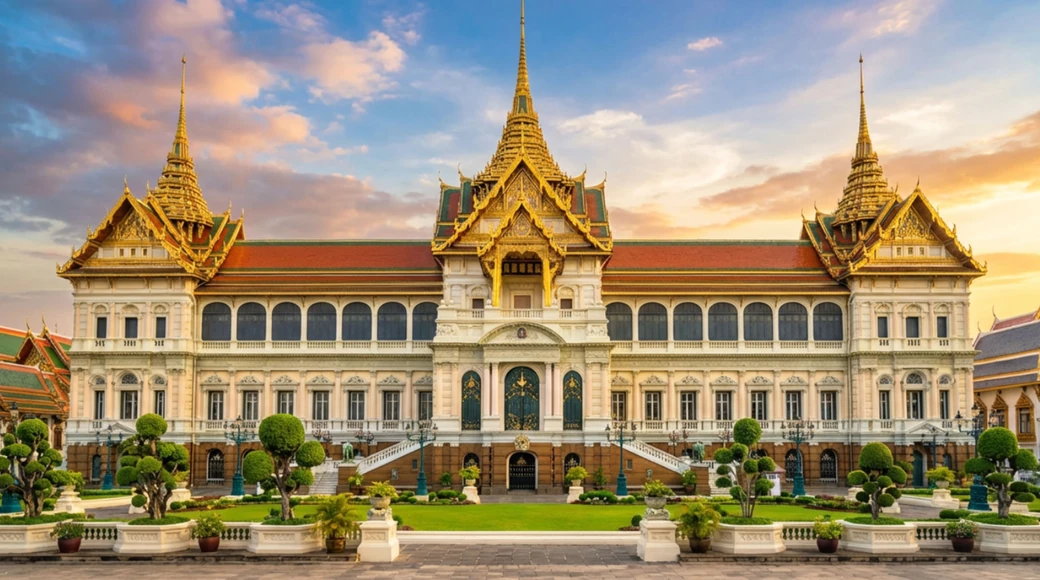
Grand Palace
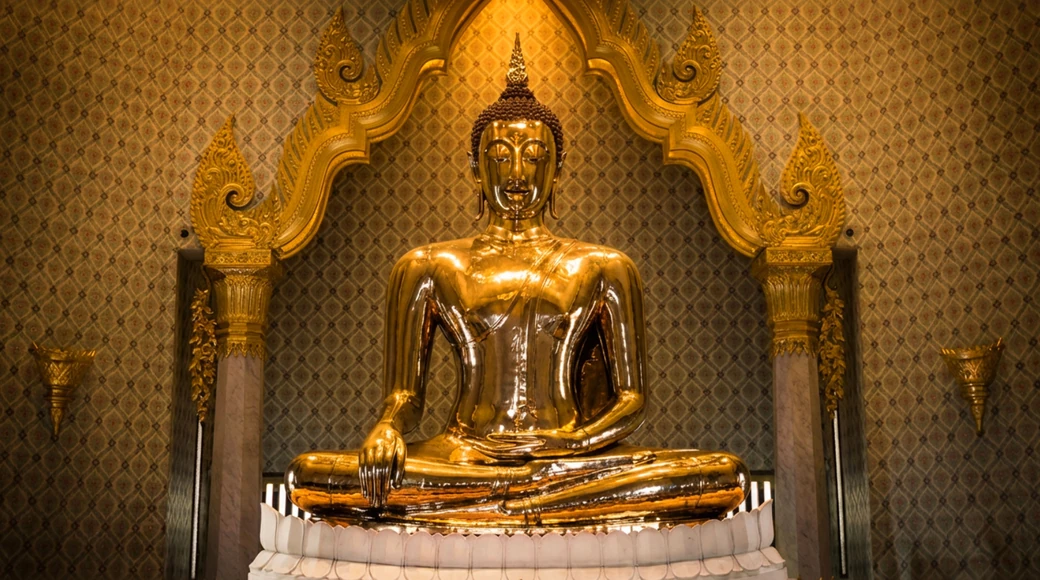
Wat Traimit (Temple of the Golden Buddha)
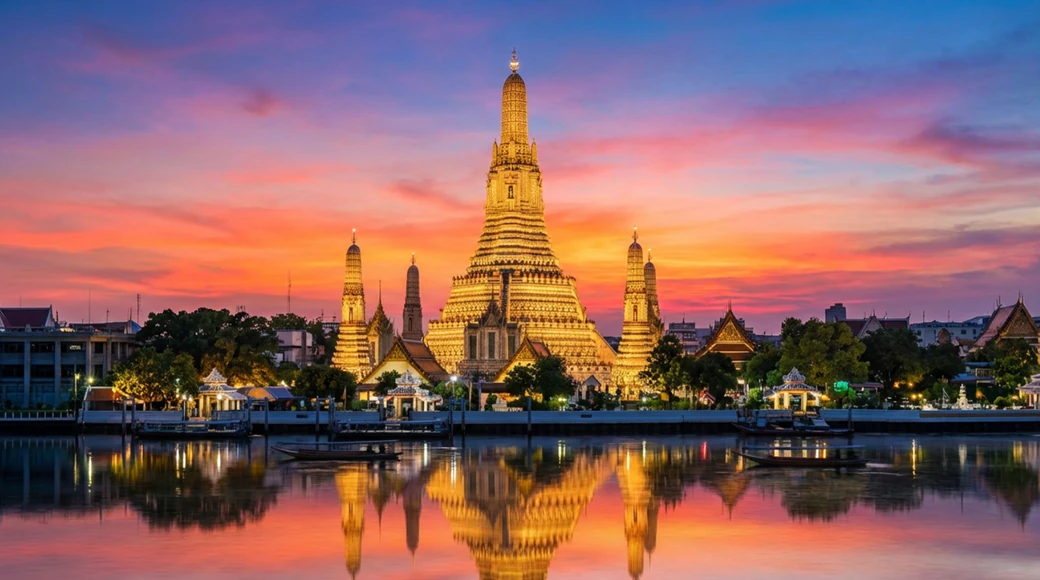
Wat Arun (Temple of Dawn)
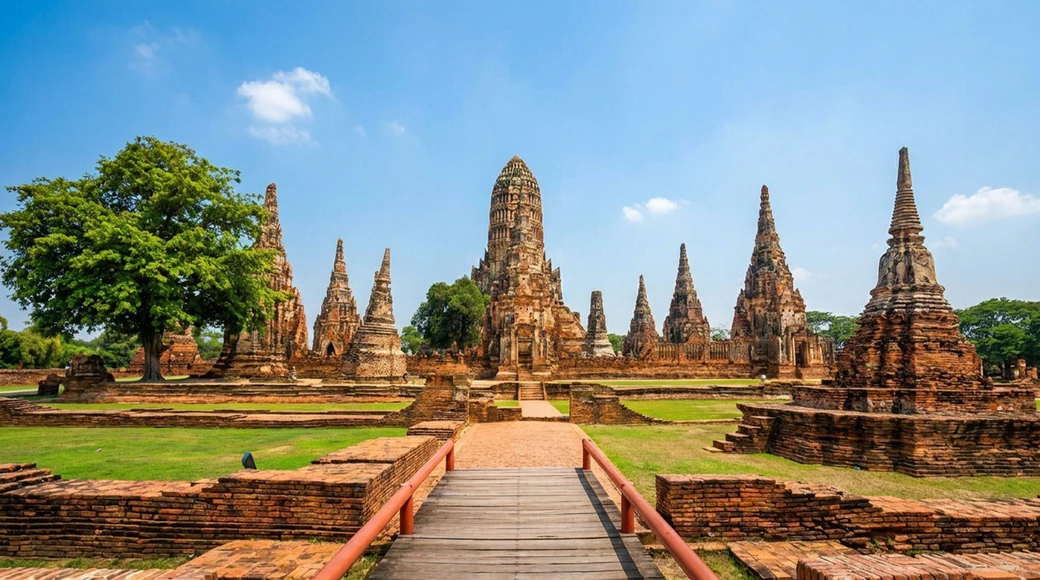
Ayutthaya Historical Park
Accommodation Options in Bangkok
Where to base yourself in Bangkok depends on the trip you want. Sukhumvit, especially around Asoke and Thong Lo, is the modern spine of the city: elevated BTS stations, glass towers, late-night bars and an endless choice of restaurants along sois (side streets) that run for a kilometre off the main road. Silom and Sathorn mix Bangkok's financial district by day with Patpong's night market and Silom Soi 2/4's LGBTQ+ nightlife after dark. Riverside hotels along the Chao Phraya, from Charoen Krung to ICONSIAM, trade central convenience for river breezes, free shuttle boats and views of Wat Arun lit up at night. The old quarter around Khao San Road and Banglamphu keeps backpacker energy, budget guesthouses and walking distance to the Grand Palace and Wat Pho, though its narrow streets and market stalls trade quiet nights for atmosphere. Newer visitors often prefer Ari or Thong Lo for a residential, café-lined pace close to the BTS, away from the tourist crush. Whatever the neighbourhood, book a hotel near a BTS or MRT station - Bangkok traffic can turn a short distance on the map into an hour in a taxi.

Accommodation and hotel options across Bangkok, with their prices, are shown on the map by Stay22. Cookies are used. Your consent is remembered on every page; you can turn it off at any time in the cookie settings.
Food Culture in Bangkok
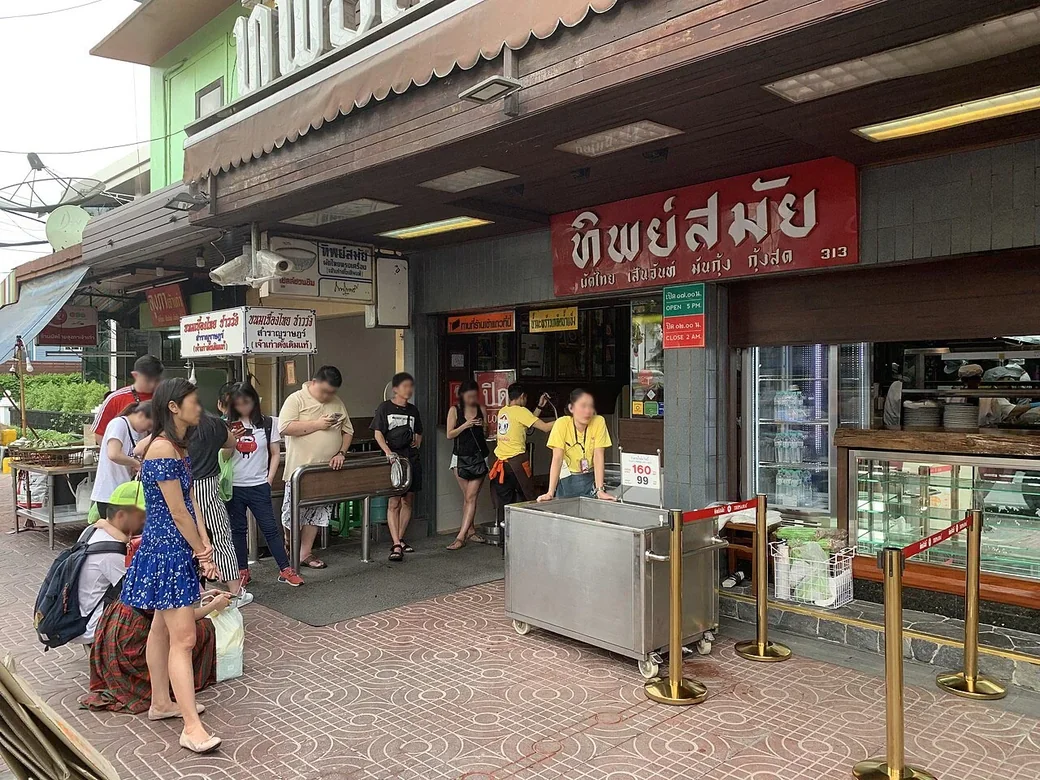
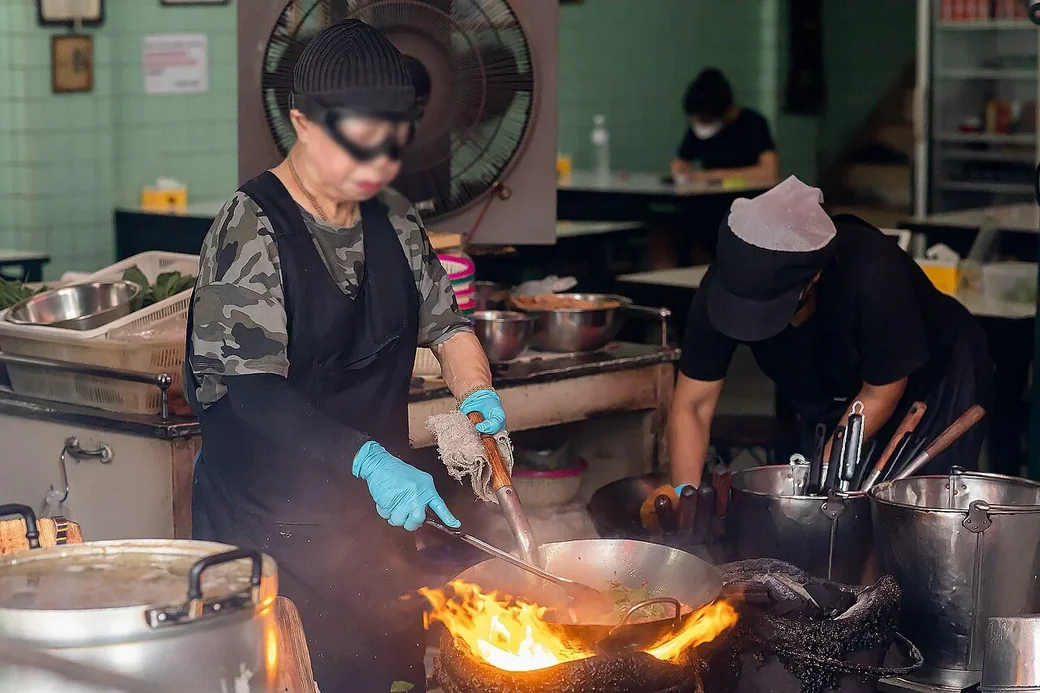
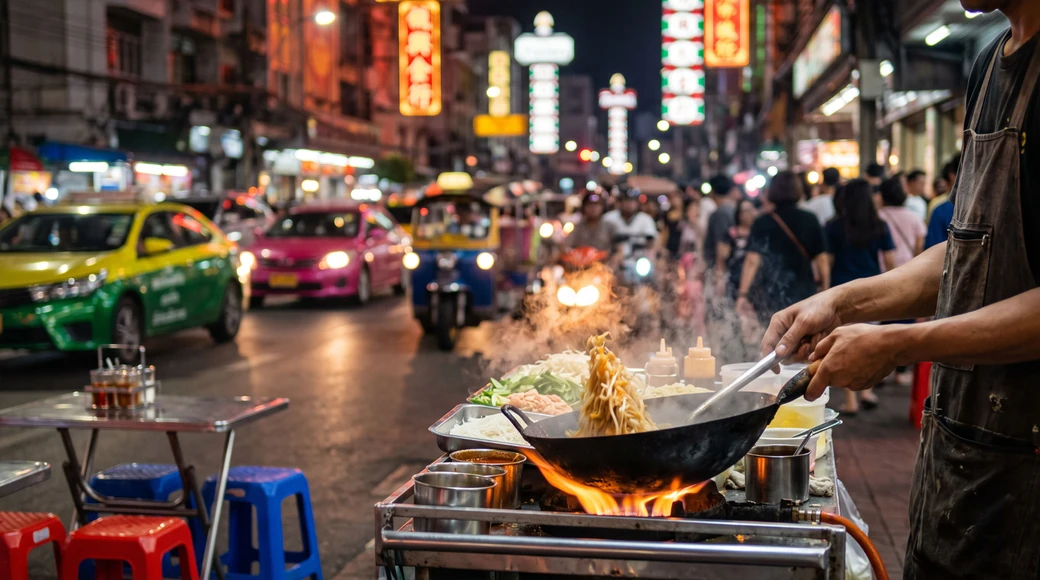
Bangkok is arguably the street food capital of the world, and the city treats eating as a full-time public sport. Michelin now hands out stars and Bib Gourmand awards (Michelin's good-value distinction) to open-air stalls, most famously Jay Fai and her charcoal-wok crab omelette, but the real education happens at night markets like Or Tor Kor and Rot Fai, and among the vendors lining Yaowarat in Chinatown after dark. Expect fiery som tam (papaya salad), boat noodles (a noodle soup once sold from canal boats) thickened with pork blood, khao soi curry noodles from the north, and mango sticky rice sold from carts on every second corner. Shopping-mall food courts such as Terminal 21's or ICONSIAM's offer an air-conditioned, English-menu introduction to the same dishes at fixed prices. Vegetarian and halal options are increasingly easy to find, especially around Charoen Krung and the Nana district. Come hungry, share plates, and don't be put off by plastic stools - some of the city's best cooking has no walls at all.
Celebrations & Festivals in Bangkok
Don't miss out on these amazing experiences
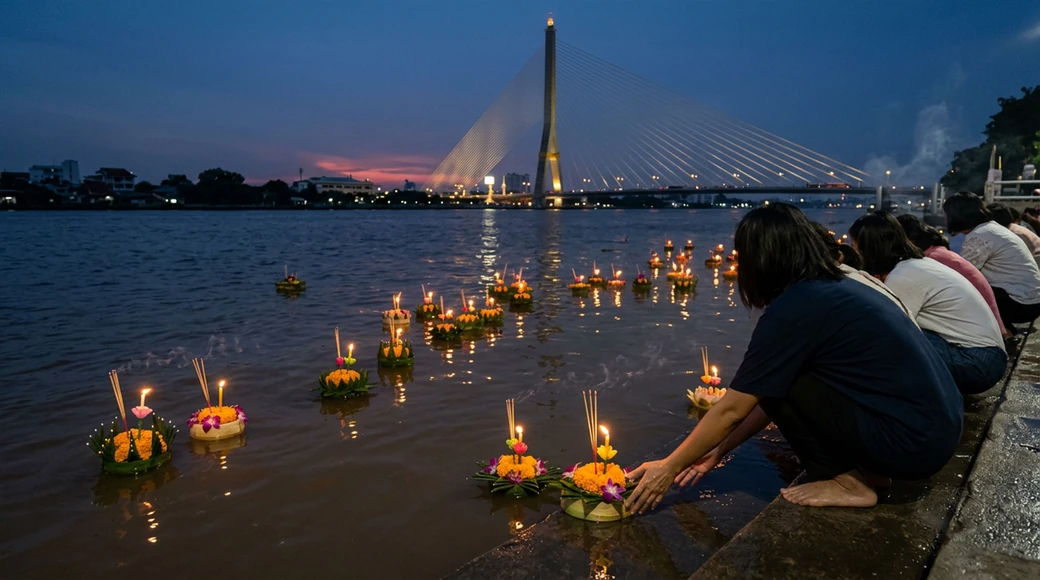
Bangkok's festival calendar runs on both the solar and lunar year, so something is usually being celebrated. Songkran, the Thai New Year in mid-April, turns entire streets into water fights and is now recognised by UNESCO as intangible cultural heritage. Loy Krathong, in November, sends thousands of candlelit banana-leaf floats down the Chao Phraya and its canals. Chinatown's Chinese New Year fills Yaowarat with lion dances and street feasts, and the Vegetarian Festival each autumn turns Chinatown's food stalls plant-based for nine days, marked by fire-walking and cheek-piercing rituals in the Chinese-Thai temples. More recent additions include Bangkok Design Week, the Awakening Bangkok and Vijit Chao Phraya light festivals that project art onto riverside temples, and Bangkok Pride each June, one of Southeast Asia's largest. Public holidays tied to the royal calendar can close government offices and banks with little notice, and hotel prices climb sharply around Songkran and New Year, so it's worth checking exact dates before booking a trip timed around any of these events.
Free Things to Do in Bangkok
Chinatown (Yaowarat), Bangkok
Historic Districts & Streets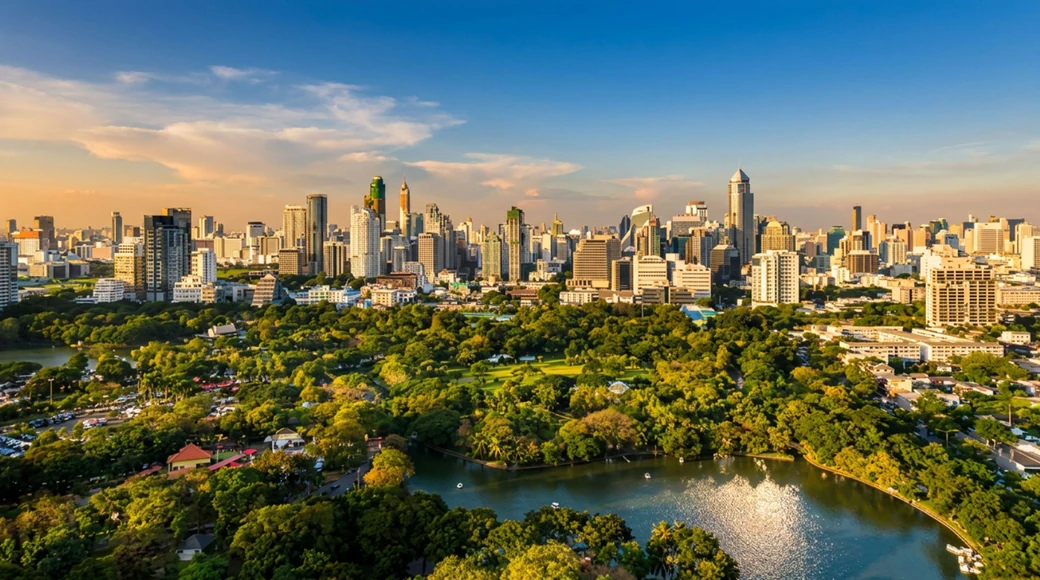
Lumphini Park
Lakes & Rivers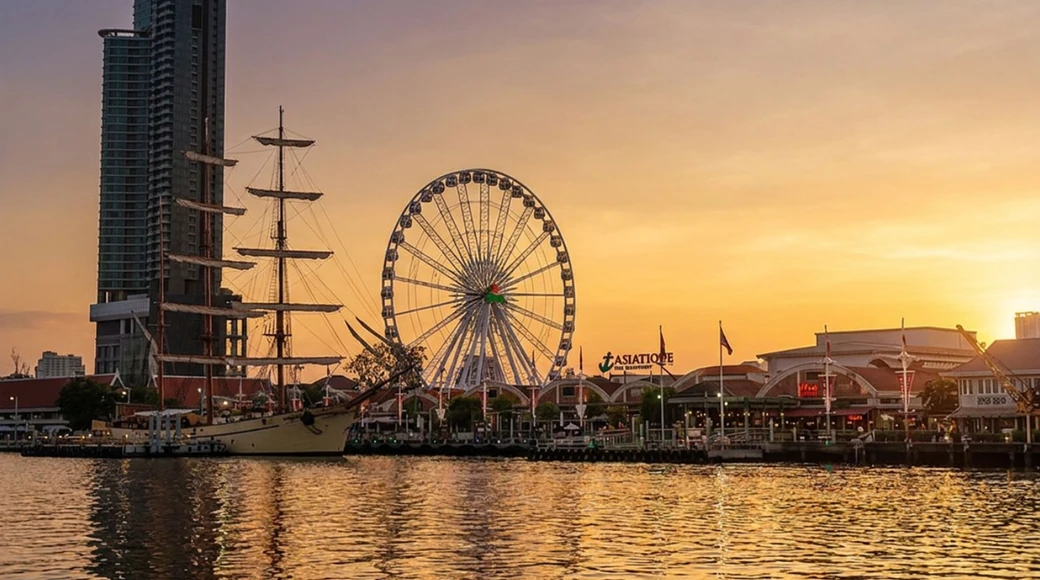
Asiatique The Riverfront
Markets & Bazaars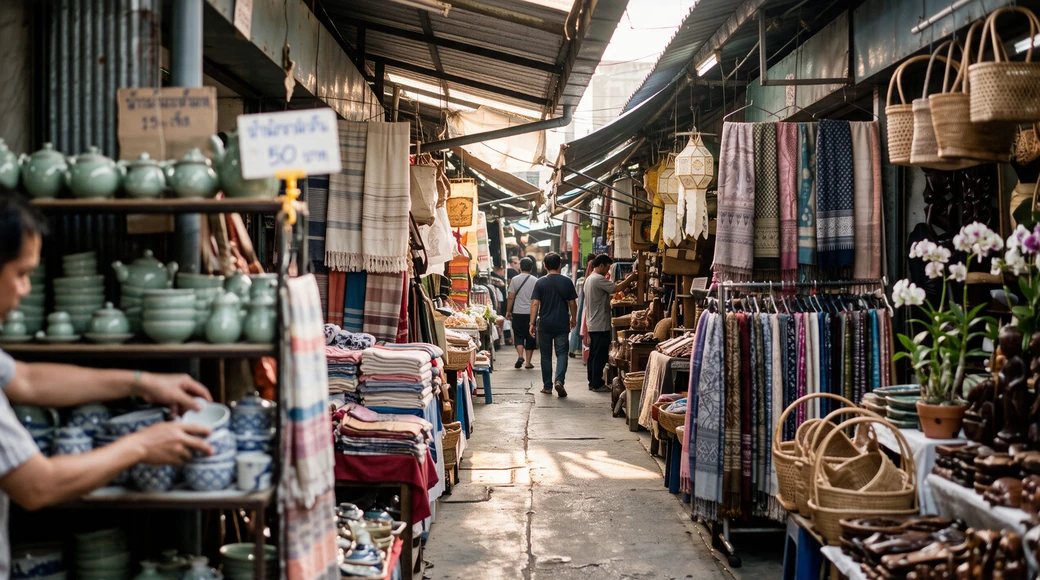
Chatuchak Weekend Market
Markets & Bazaars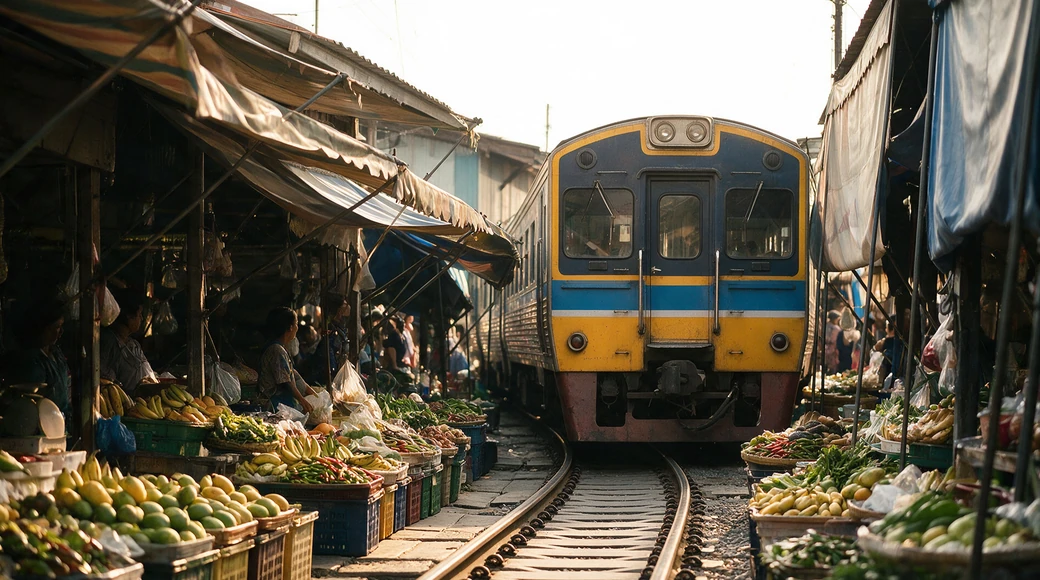
Maeklong Railway Market
Markets & Bazaars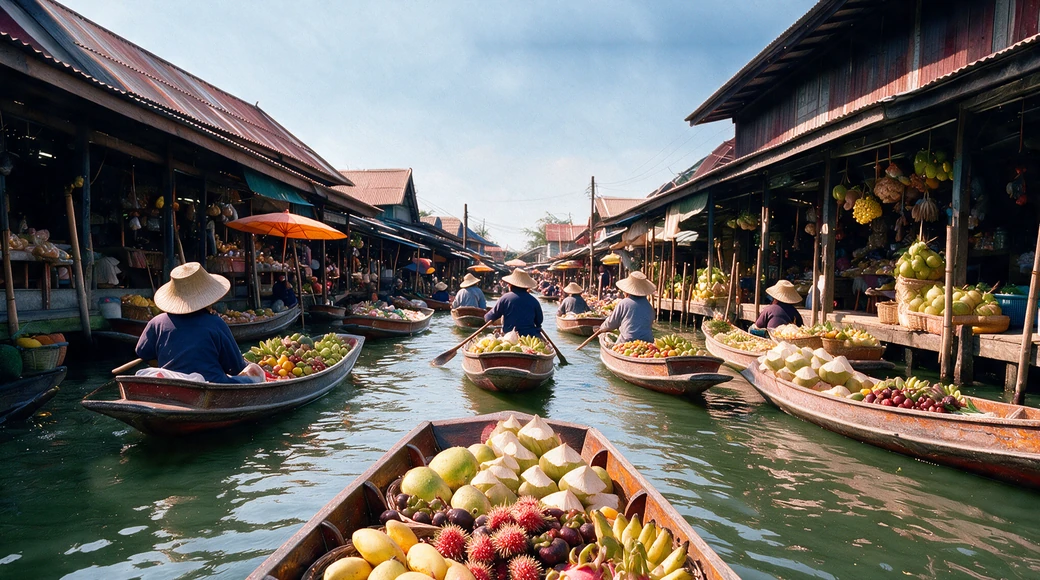
Damnoen Saduak Floating Market
Markets & Bazaars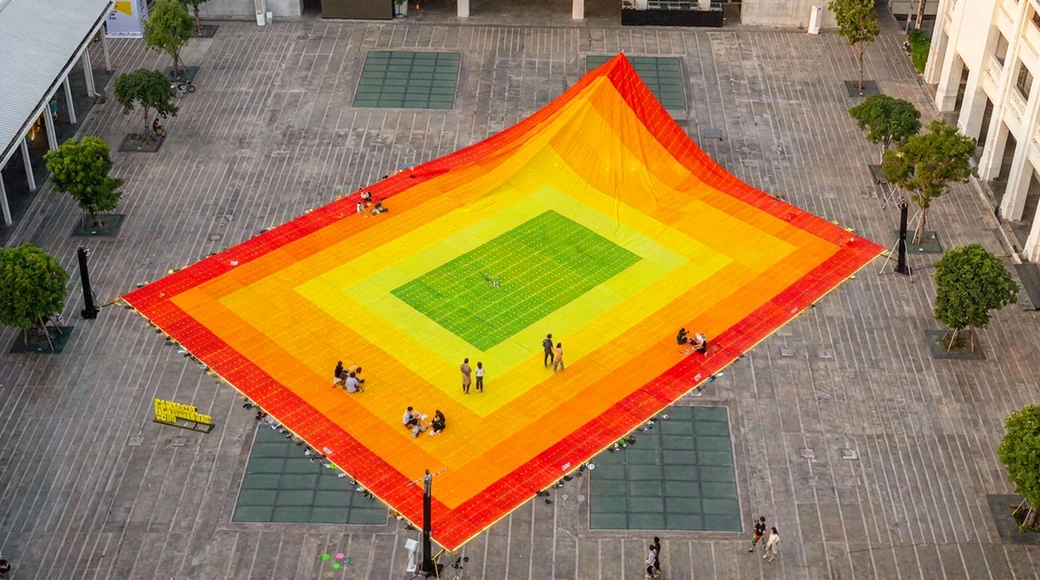
Bangkok Design Week
Festival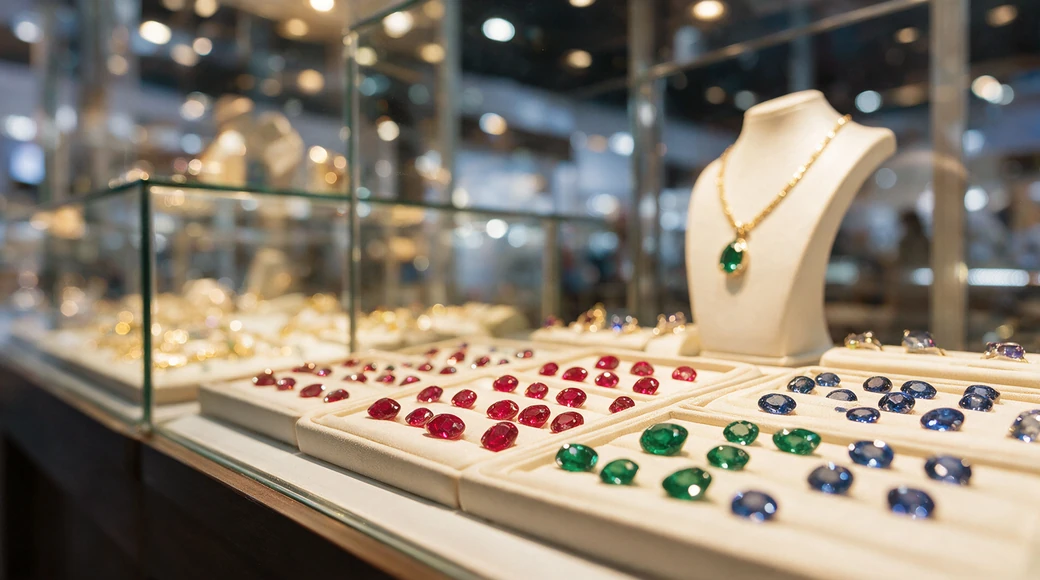
Bangkok Gems & Jewelry Fair
FestivalWeather in Bangkok
Spring
Spring in Bangkok (March to May) is the hot season, and it earns the name: daytime highs regularly climb past 34°C, with April the single hottest month of the year, sometimes pushing past 40°C in the city centre's heat-trapping concrete canyons. Humidity stays high even without much rain, so the heat feels heavier than the thermometer suggests, and locals plan errands for early morning or after sunset. This is also when Songkran, the mid-April water festival marking the Thai New Year, turns the heat into an excuse for citywide water fights along Silom, Khao San and Siam Square. Rainfall is still relatively low through March and April before building toward the wet season in late May, so pack light, breathable fabrics, a hat, and refillable water bottles - 7-Elevens on nearly every block sell cold drinks and ice. Hotel prices and crowds are at their lowest of the year, since most travellers avoid the heat, which makes this a good season for budget-conscious visitors willing to structure their day around air-conditioned malls, museums and rooftop bars in the middle hours. Outdoor temple visits are best done before 10am or after 4pm.
Summer
Summer in Bangkok (June to August) marks the first half of the rainy season, when the southwest monsoon brings regular but usually short-lived downpours rather than constant rain. A typical day still starts sunny and hot, with highs around 33°C, before a dramatic afternoon or early-evening thunderstorm clears the air and cools things down for an hour or two. Streets near Silom, Sukhumvit and the old city can flood briefly during the heaviest storms, so a light rain jacket or umbrella and shoes that dry quickly are more useful than a full waterproof outfit. Humidity is at its peak, and the lush green parks, rice paddies on the city's edges and canal-side gardens are at their most vivid this time of year. Fewer tourists means shorter queues at the Grand Palace and Wat Pho, and hotel rates are noticeably lower than in the cool season. Indoor attractions such as Siam Ocean World, the Jim Thompson House and shopping-mall museums make good rainy-afternoon plans, while boat trips along the Chao Phraya are best scheduled for the clearer morning hours before the clouds build.
Autumn
Autumn in Bangkok (September to November) opens with the wettest stretch of the year - September alone can bring close to 300mm of rain, and low-lying streets around the old city and Chinatown occasionally flood after the heaviest storms, with local news tracking water levels on the Chao Phraya closely. Highs still hover around 32°C, but the rain keeps the city greener and marginally cooler than in the hot season, and the crowds and hotel prices remain low through most of September and October. The mood shifts noticeably by mid-to-late November: the monsoon retreats, humidity drops, skies clear, and the city eases into its most comfortable stretch of the year just in time for Loy Krathong, when candlelit floats drift down the river and canals. Because the shoulder months are unpredictable, it's worth building flexibility into outdoor plans - a canal boat trip or a rooftop dinner booked for a clear October evening can still be rained out - and travellers chasing the best weather with the fewest crowds often time their trip for the final two weeks of November rather than September.
Winter
Winter in Bangkok (December to February) is the cool, dry season and by far the most comfortable time of year to visit. Skies are mostly clear, humidity drops noticeably, and morning temperatures can dip into the low-to-mid 20s°C, cool enough that light layers feel welcome before sunrise, even if afternoon highs still reach around 31-32°C. Rain is rare - December in particular sees barely any - so this is prime season for walking tours of the old city, longtail boat rides through the klongs (canals), rooftop dinners and outdoor beer gardens that pop up on vacant lots across the city. It's also peak tourist season: flights and hotel rates climb noticeably from December through Chinese New Year in late January or February, and popular sites like the Grand Palace and Wat Arun draw their biggest crowds of the year, so booking accommodation and skip-the-line tickets well in advance pays off. Locals mark the season with rooftop bar openings, temporary street markets, and a general sense of relief that the punishing heat is still months away. If only one season fits a Bangkok trip, this is it.
Featured Cities
Explore our handpicked destinations
Bangkok — Günlük bütçe
Hostel or budget room, affordable food, public transport.
3-star hotel, restaurant dining, public transport and a few taxis.
Upscale hotel, fine dining, private transport.
Günlük bütçe = konaklama (oda/hostel) + yemek + yerel ulaşım. Kişi başı, günlük tahmindir. Uçak bileti ve turist vergisi dahil değildir.
How much does a trip to Bangkok cost?
Build the cost of a trip to Bangkok yourself: from breakfast to museum entry, city cards to accommodation — pick each item and see the total instantly.
Item-by-item breakdown
Food, transport, venue entry fees and accommodation — all on one screen.
Real local prices
Food and venue prices are based on the city's current data, not guesswork.
Instant total range
Your selected items are summed and shown as a range, factoring in season and currency.
Compare Bangkok with another city
Put two cities side by side: see their scores on safety, budget, walkability, public transport, and family- and solo-traveler friendliness, and choose what suits you best.
Side-by-side scores
Budget, safety and quality-of-life axes compared in a single table.
Tailored to traveler profile
Solo, family or senior — see clearly which city fits whom best.
