
Quick Facts About Hong Kong
Population
About 7.5 million
Official languages
Chinese and English; Cantonese is the everyday language
Currency
Hong Kong dollar (HKD)
Time zone
UTC+8, no daylight saving time
Driving side
Left
Electricity
220 V, three-pin square plug (Type G)
Area
About 1,110 km², with more than 260 islands
Dialling code
+852
Getting around
MTR metro, trams, Star Ferry, buses and minibuses; pay with an Octopus card
Tap water
Meets World Health Organization guidelines; many locals boil or filter it
Emergency Numbers
Police
999
Ambulance
999
Fire
999
Traveler Profile Scores for Hong Kong
Editorial contentEditor-curated scores (0-100) showing how well the city suits different traveler types and lifestyles. It doesn't declare one city better than another; it matches profiles. Rows without data are hidden.
The assessment is based on analysis of public sources about the city, country-level rights indices and regional reports; it is calibrated against reference cities.
Safety and legal conditions can change quickly; check official sources before you travel.
Top Tourist Attractions in Hong Kong
Hong Kong fits harbour views, mountain trails, incense-filled temples and fishing villages into a remarkably compact area, all tied together by one of the most efficient transport networks anywhere. Start on the water: the Star Ferry crossing from Tsim Sha Tsui to Central takes only minutes, and the promenade and Avenue of Stars frame the skyline of Hong Kong Island perfectly. Ride the Peak Tram up to Victoria Peak for the city's classic panorama, then explore Man Mo Temple and the Tai Kwun heritage compound in Central. In Kowloon, Temple Street Night Market, Wong Tai Sin Temple and the serene Chi Lin Nunnery with Nan Lian Garden reveal a more traditional side, while the West Kowloon Cultural District gathers M+ and the Hong Kong Palace Museum on the waterfront. On Lantau Island, the Ngong Ping 360 cable car glides up to the Big Buddha and Po Lin Monastery, and the stilt houses of Tai O lie just beyond. Most highlights are a short MTR (the city's metro), tram or ferry ride apart, so a skyline morning pairs easily with a temple afternoon.
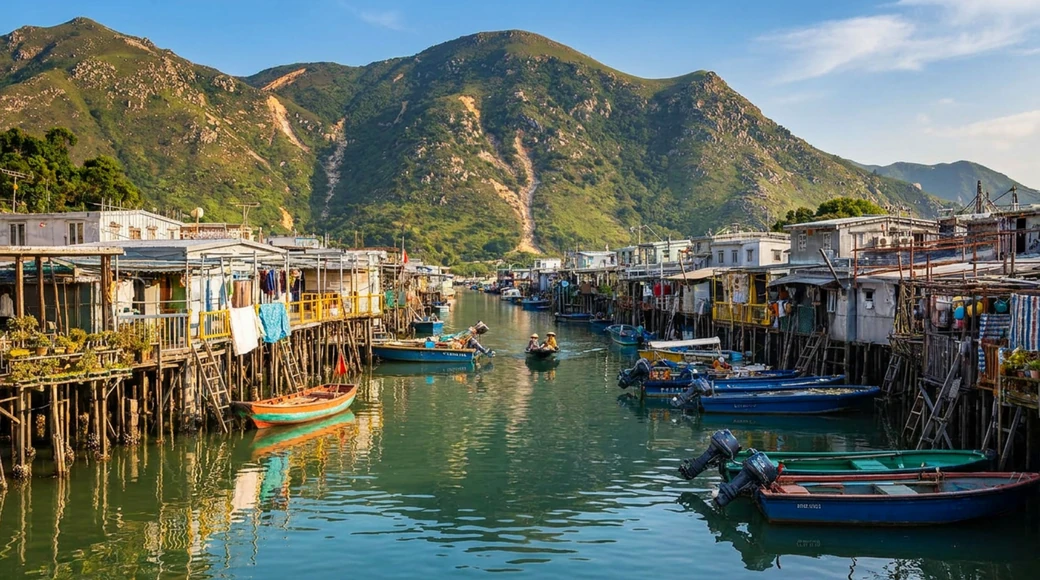
Lantau Island
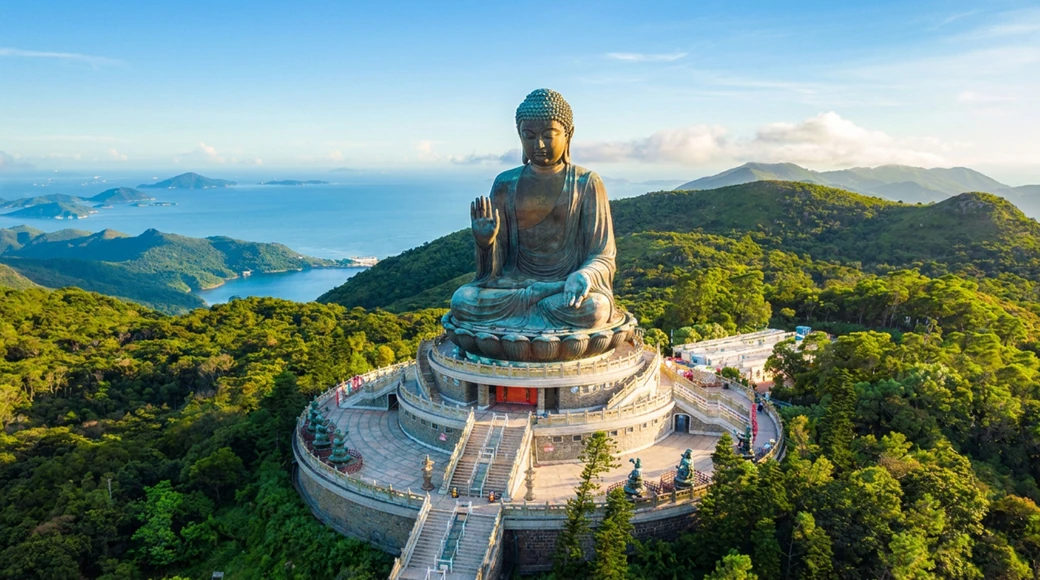
Big Buddha (Tian Tan Buddha, 天壇大佛)
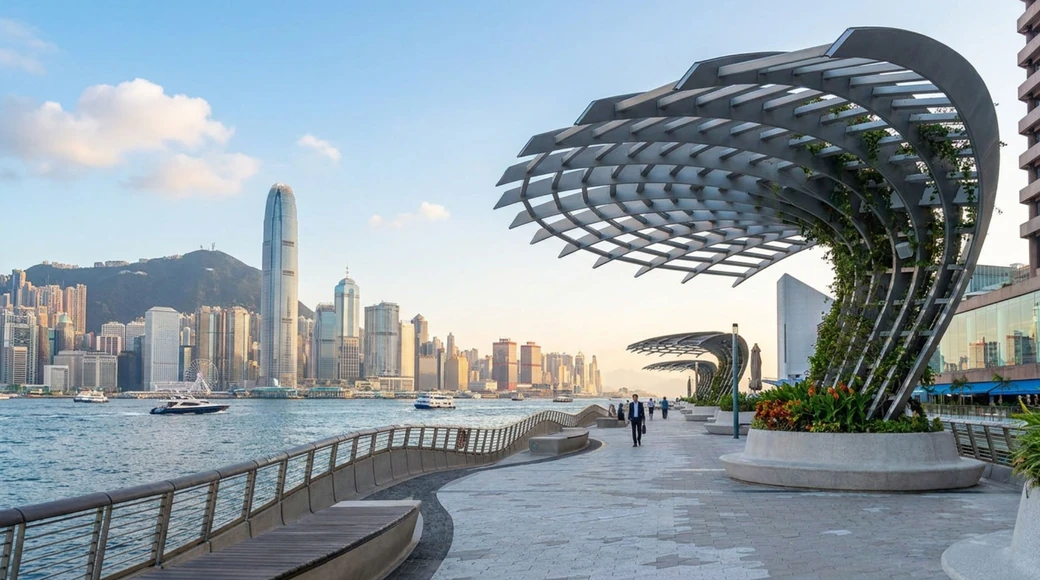
Tsim Sha Tsui Promenade
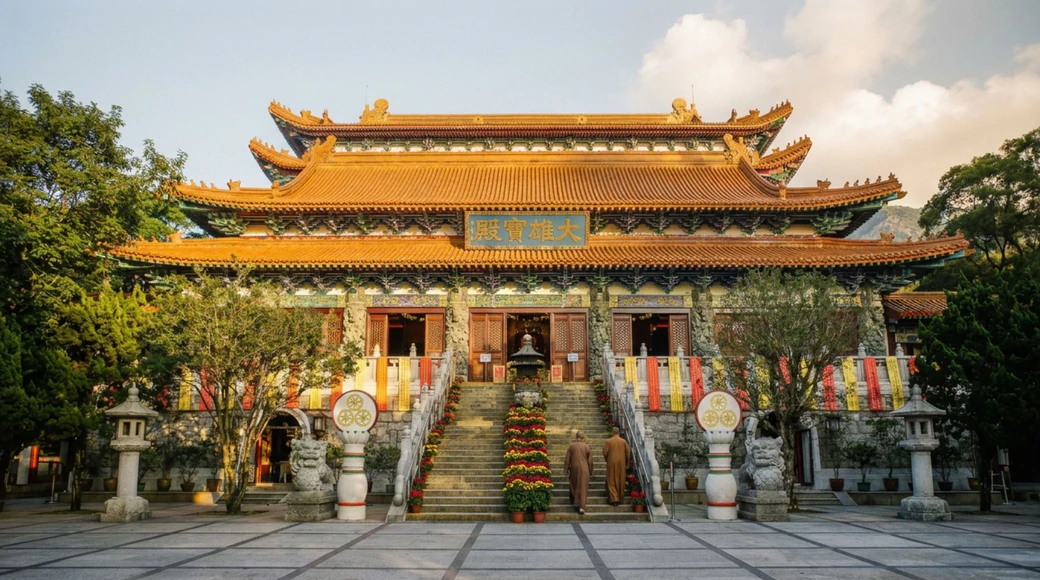
Po Lin Monastery
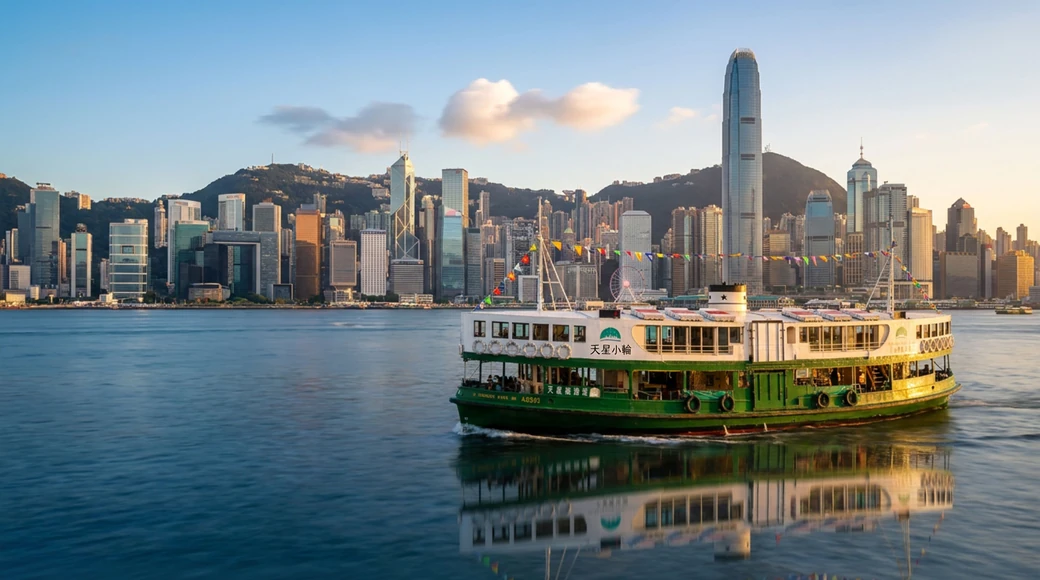
Star Ferry
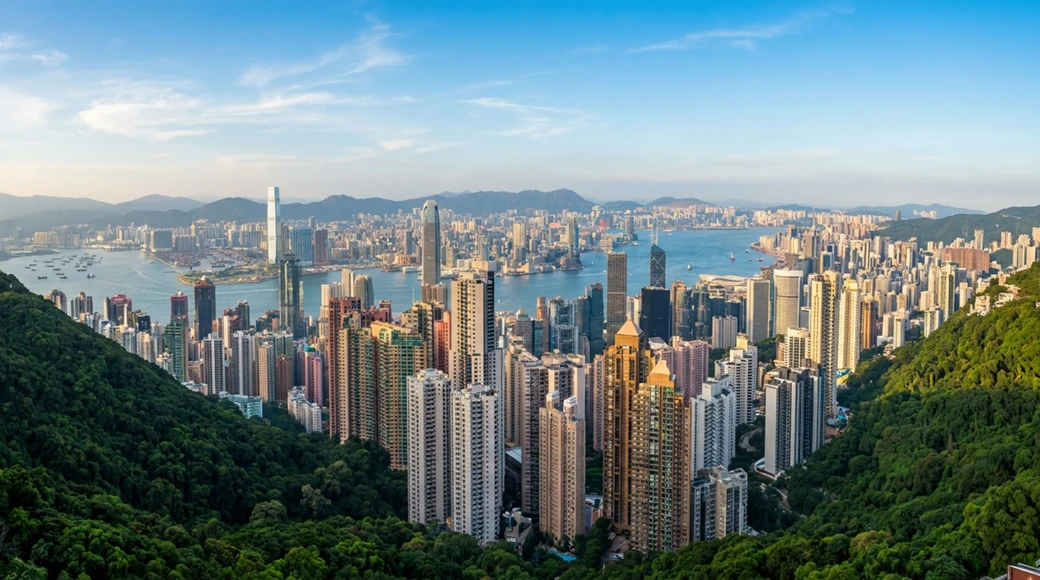
Victoria Peak (The Peak)
Accommodation Options in Hong Kong
Hong Kong is a vertical city, so hotels stack upward and rooms are typically compact and cleverly designed; the real luxury here is the view, and a harbour-facing room is worth considering for at least one night. Tsim Sha Tsui, on the Kowloon waterfront, is the most popular first base, with the promenade, museums and the shops of Nathan Road on the doorstep and quick links to the airport. Across the water, Central, Admiralty and Sheung Wan put you among steep lanes, heritage buildings, galleries and the bars of Lan Kwai Fong and SoHo, with Sheung Wan offering a calmer, more local feel among its dried-seafood shops. Wan Chai and Causeway Bay mix department stores with old tenement streets and the ding ding trams, while Mong Kok and Yau Ma Tei are all neon, street markets and great value. Lantau and Tung Chung suit early flights, Disneyland and the Big Buddha. Street life here is layered: covered footbridges, malls linked to stations and stepped "ladder streets" connect everything, so a hotel a few minutes from an MTR station matters even more than the district itself.

Accommodation and hotel options across Hong Kong, with their prices, are shown on the map by Stay22. Cookies are used. Your consent is remembered on every page; you can turn it off at any time in the cookie settings.
🐉HISTORY
Dragon Gates in Hong Kong's Skyscrapers — Some of Hong Kong's towers have large openings in the middle, and the most famous is the wave-shaped residential building at Repulse Bay. According to local lore, these gaps were left on the advice…
🚠HISTORY
1888Peak Tram: Asia's First Funicular — Opened in 1888, the Peak Tram was the first funicular railway in Asia, built to carry residents up the steep slopes to Victoria Peak. It climbs through the Mid-Levels on a gradient so steep that the…
Food Culture in Hong Kong
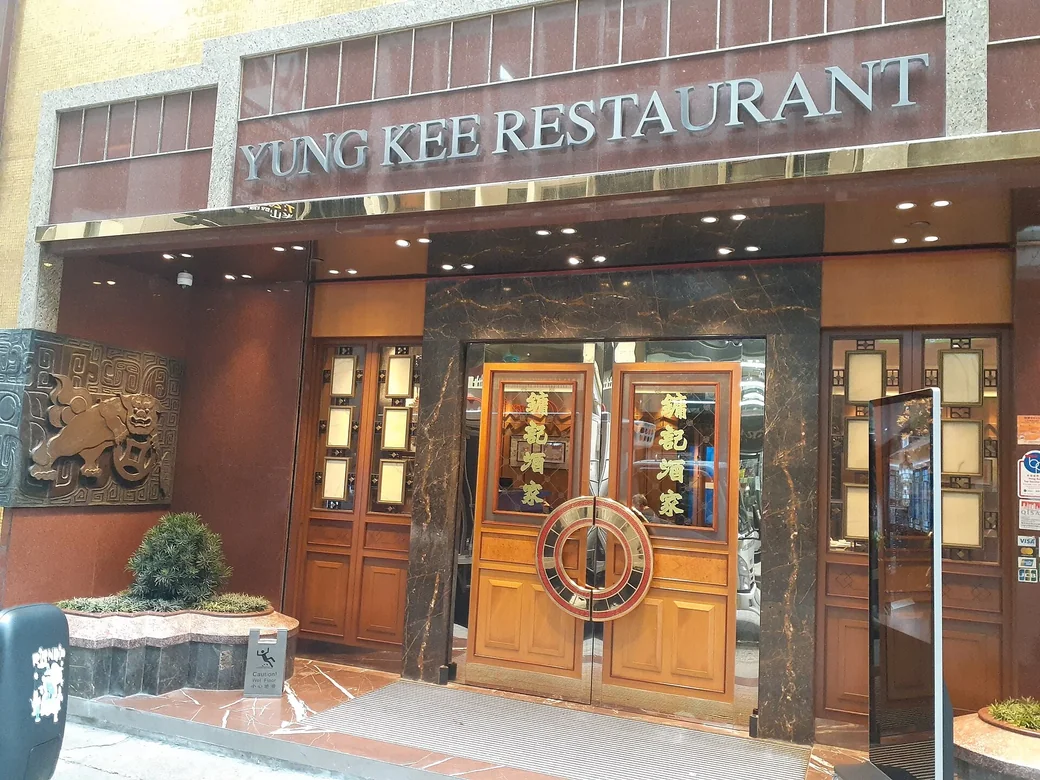
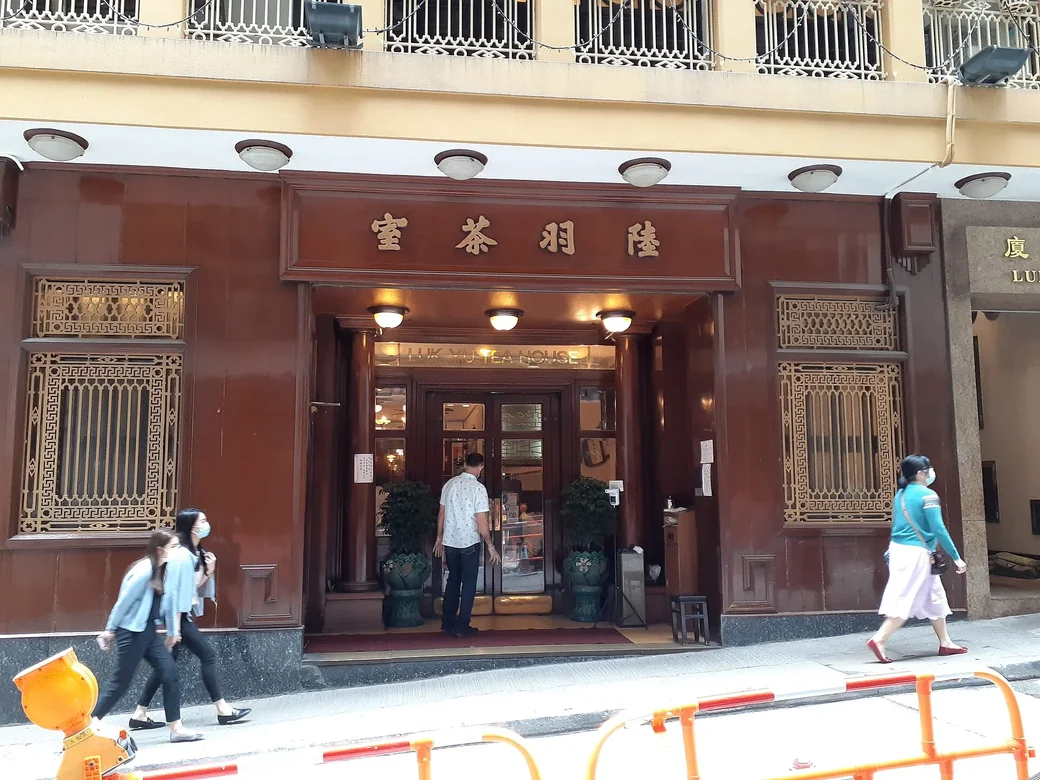
Hong Kong eats Cantonese at heart and international in spirit, and few cities take their daily meals this seriously. Mornings and lunchtimes revolve around yum cha (literally "drinking tea", the ritual of sharing dim sum over pots of tea), with bamboo baskets of har gow (shrimp dumplings), siu mai and fluffy char siu bao (barbecued pork buns). The cha chaan teng (a casual local tea restaurant) serves silky milk tea, pineapple buns named after their crackly sugar crust rather than any fruit, and buttery egg tarts, while siu mei shops (roast meat counters) hang glossy char siu and roast goose in the window. Wonton noodles in clear broth, curry fish balls on skewers and gai daan jai (bubble-shaped egg waffles) keep the streets busy late into the evening, and the city's handful of dai pai dong (licensed open-air food stalls) still cook over roaring woks. Seafood restaurants in Sai Kung and on Lamma Island, together with a long list of Michelin-starred tables, round out a scene where a humble noodle shop can be just as memorable as fine dining.
🍵LOCAL TIP
Cha Chaan Teng and Silk-Stocking Milk Tea — The cha chaan teng (a casual local tea restaurant) is one of Hong Kong's best-loved institutions, born in the post-war decades as an affordable place for local takes on international dishes. Classic…
Celebrations & Festivals in Hong Kong
Don't miss out on these amazing experiences
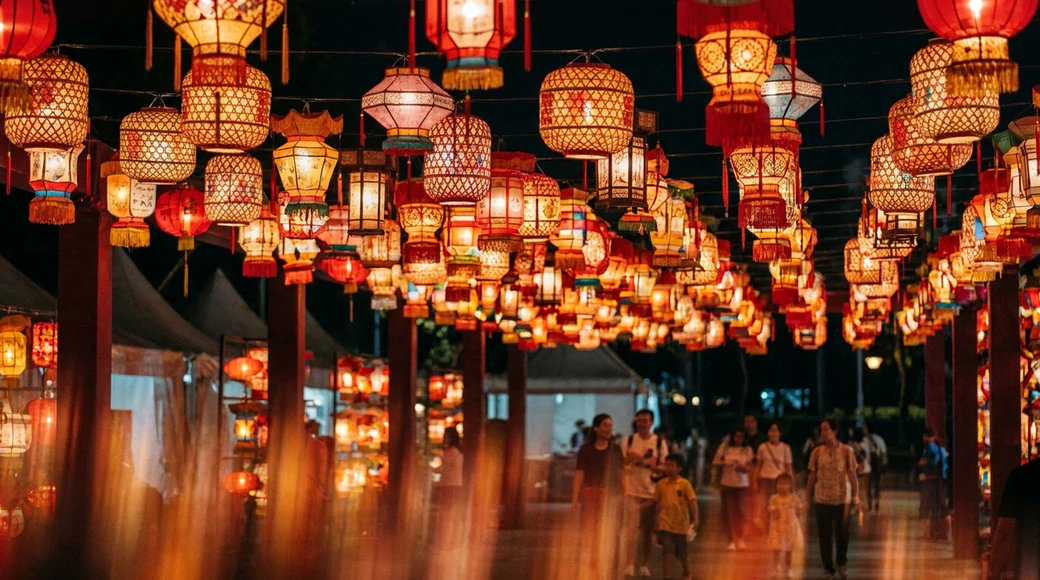
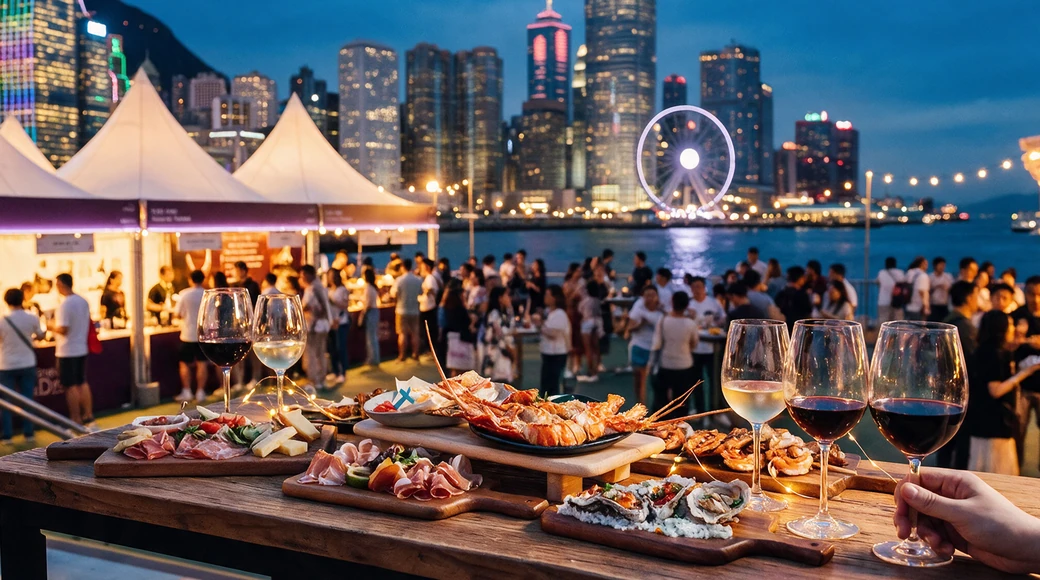
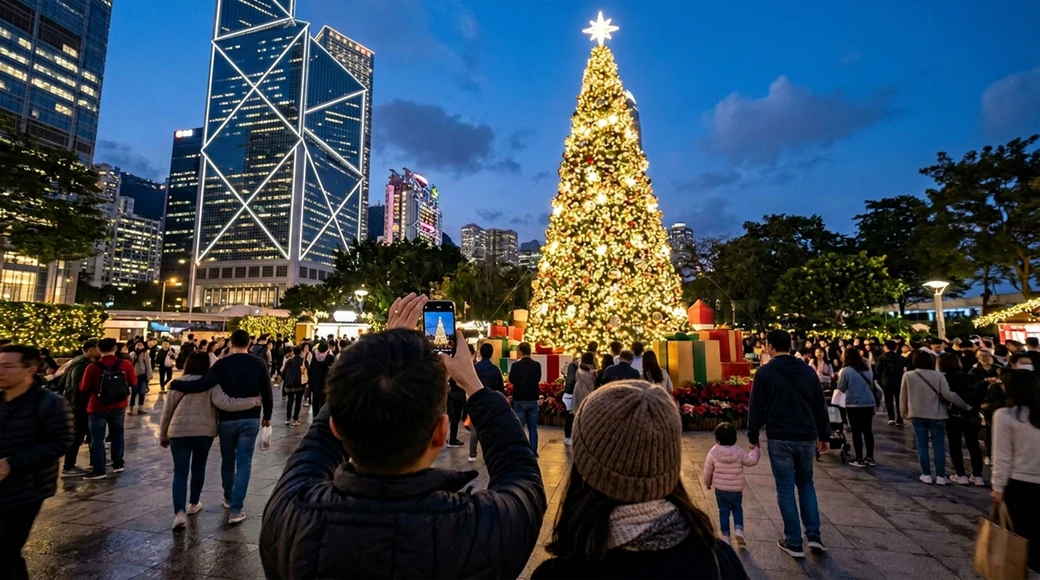
Hong Kong's calendar weaves age-old lunar festivals together with international arts, sports and food events, so there is something to celebrate in almost every season. Lunar New Year brings flower markets, a night parade and fireworks over Victoria Harbour, and spring follows with celebrations for Tin Hau, the goddess of the sea, Buddha's Birthday and the Cheung Chau Bun Festival with its towering stacks of buns. Dragon boats race in early summer during Tuen Ng (the Dragon Boat Festival), the Yu Lan festival honours wandering spirits in late summer, and the Mid-Autumn Festival fills the parks with lanterns while the Tai Hang Fire Dragon Dance winds through the streets wrapped in glowing incense sticks. Alongside these traditions come the Hong Kong Arts Festival, Art Basel Hong Kong, the rugby sevens tournament, the Wine & Dine Festival on the harbourfront, the Clockenflap music festival, Winterfest and the New Year's Eve countdown. Because the traditional festivals follow the lunar calendar, their dates move from year to year, so check each festival page for the details.
🔔LOCAL TIP
Ding Ding: The World's Largest Double-Decker Tram Fleet — Hong Kong's trams have rattled along the north shore of Hong Kong Island since 1904, and locals call them "ding ding" after the double chime of their bells. The fleet is made up entirely of narrow…
Free Things to Do in Hong Kong
Lantau Island
IslandsBig Buddha (Tian Tan Buddha, 天壇大佛)
Monuments & MemorialsPo Lin Monastery
MonasteriesTsim Sha Tsui Promenade
Harbors & Marinas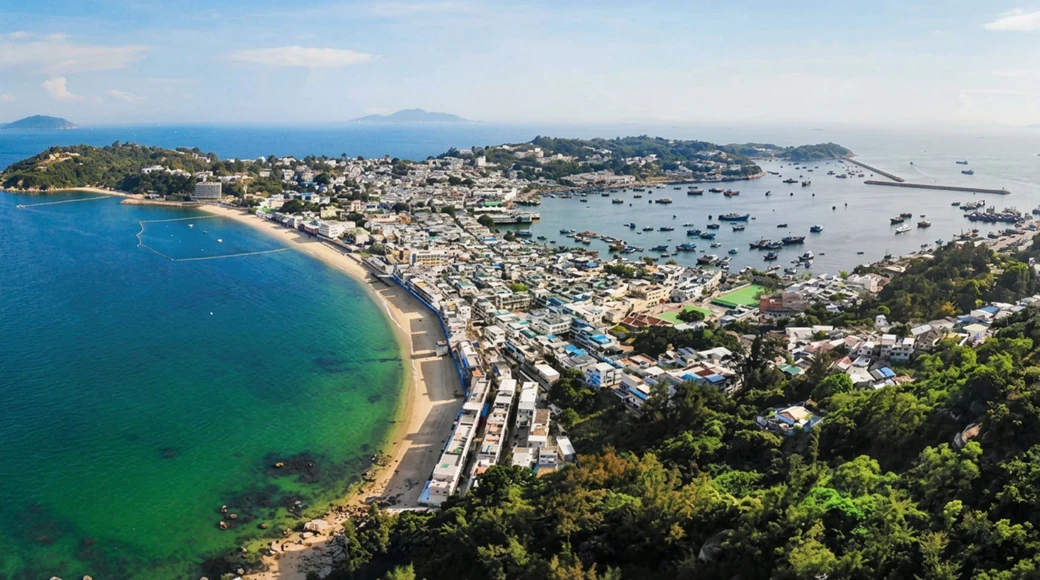
Cheung Chau
Islands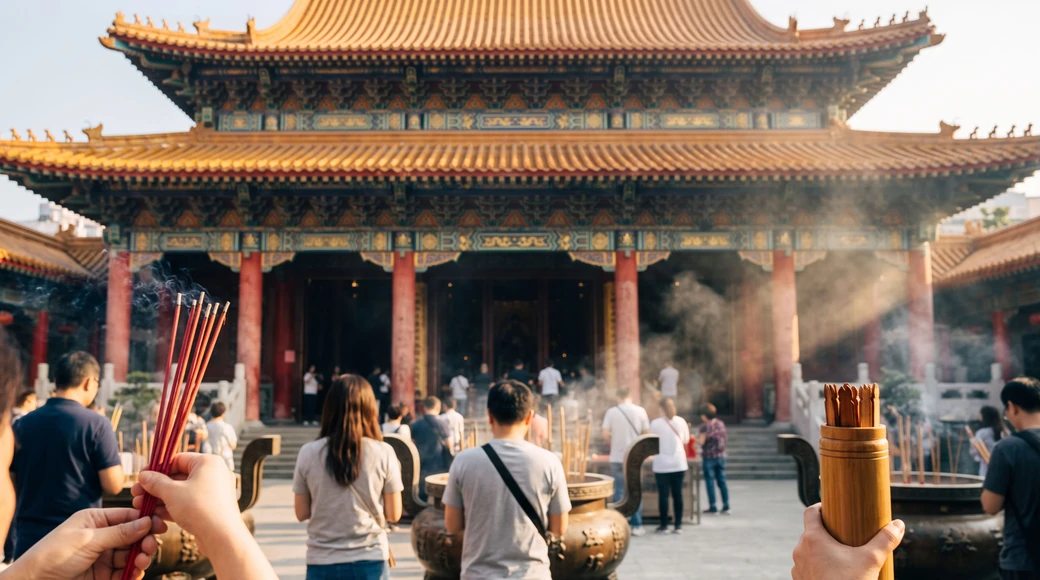
Wong Tai Sin Temple
Temples & Shrines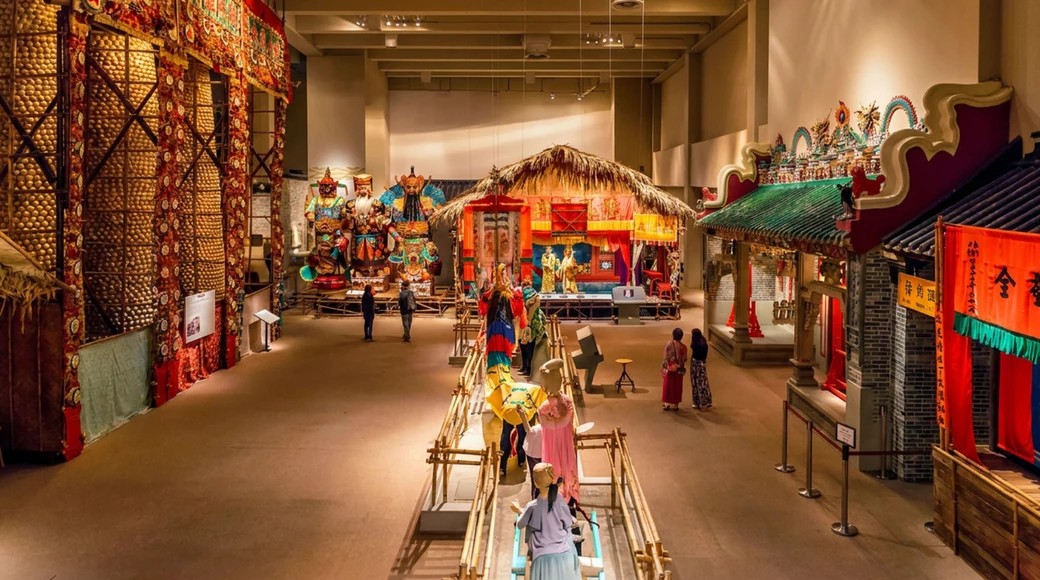
Hong Kong Museum of History
Museums (History, Science, Art)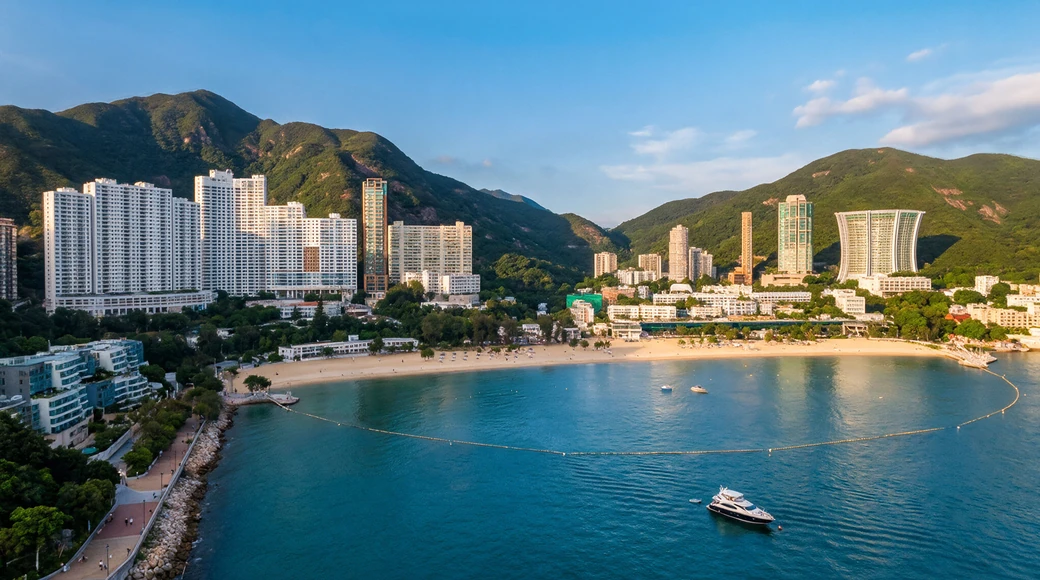
Repulse Bay
Beaches & ShoresWeather in Hong Kong
Spring
Spring in Hong Kong, from March to May, is a season of quick change. March still feels mild and fresh, but humidity rises steadily, and many days bring a soft sea fog that drapes the skyscrapers and turns Victoria Harbour silvery and atmospheric. By April temperatures are pleasantly warm, and May already feels like early summer, as the first heavy showers and thunderstorms of the rainy season arrive, usually in the afternoon. Early spring is a lovely time for trails such as Dragon's Back and Lion Rock before the heat builds, and outlying islands like Cheung Chau and Lamma are at their greenest. Cultural life is lively too: March is the city's art month, and the Tin Hau festival, Buddha's Birthday and the Cheung Chau Bun Festival all fall in this season. Easter and the early May holidays bring busier attractions and fuller hotels, so book ahead for those dates. Pack light layers, a compact umbrella or rain jacket and shoes with good grip for damp stone steps, plus a thin cardigan for the strongly air-conditioned malls, trains and restaurants. Everything is open, and the harbourfront promenades stay pleasant well into the evening.
Summer
Summer, from June to August, is Hong Kong at its most tropical: hot, humid and lush, with daytime temperatures usually just above thirty degrees and frequent heavy downpours or thunderstorms that pass quickly and leave the streets steaming. It is also the heart of the typhoon season, which runs roughly from May to November. The Hong Kong Observatory issues clear tropical cyclone signals, and when Signal No. 8 or higher is hoisted, most shops, offices, attractions and some transport services pause until it is lowered, so keep an eye on forecasts and build some flexibility into your plans. The rewards are plentiful: warm sea water for swimming at Repulse Bay, Shek O and the island beaches, long evenings for harbour cruises, the thrill of the dragon boat races and the summer sales in the malls. Plan outdoor sightseeing for mornings and evenings, and keep the middle of the day for museums, covered markets and the city's vast air-conditioned shopping centres. Pack breathable clothes, sunscreen, a hat, insect repellent for hikes, a light layer for chilly interiors and a sturdy umbrella. School holidays bring more families to the theme parks, so weekdays are calmer.
Autumn
Autumn is widely considered the best season in Hong Kong. September still feels like summer, with heat, humidity and the chance of a late typhoon, but from October the dry northeast monsoon takes over, bringing blue skies, lower humidity and comfortable temperatures in the mid to high twenties. Visibility improves noticeably, which makes this the prime time for the view from Victoria Peak, the skyline seen from Tsim Sha Tsui and photographs of the harbour at night. It is also peak hiking season: the MacLehose Trail, the coastal paths of Sai Kung and the ridges of Lantau are at their most inviting. The Mid-Autumn Festival fills parks with lanterns and bakeries with mooncakes, the Tai Hang Fire Dragon Dance lights up the streets, and food, wine and music festivals cluster along the harbourfront. Because the weather is so reliable, this is also a busy period, especially during the holiday weeks of early October, so reserve hotels and popular restaurants early. Pack light clothes for the day, a thin jacket for November evenings and comfortable walking shoes. The beaches remain inviting into October, and all attractions operate as normal.
Winter
Winter in Hong Kong, from December to February, is mild, dry and often sunny, with daytime temperatures typically in the high teens to around twenty degrees. Occasional cold surges from the north can bring crisp days closer to ten degrees, and because many local buildings are designed for heat rather than cold, a warm sweater and a light jacket are useful even though hotels are comfortable. The clear, dry air is excellent for hiking, island walks and long city strolls, and the harbourfront towers sparkle with Christmas light displays. Winterfest decorations, the New Year's Eve countdown fireworks over Victoria Harbour and then Lunar New Year, usually between late January and February, make this a festive time. During the first days of Lunar New Year some small family-run shops and restaurants close briefly, while the flower markets, the night parade and the harbour fireworks draw big crowds and hotels fill quickly, so book in advance. Late winter can bring grey, drizzly days that lend the Peak a moody, misty beauty. The sea is cool for swimming, but museums, markets, temples and dining are at their best in the pleasant air.
Featured Cities
Explore our handpicked destinations
Hong Kong — Günlük bütçe
Hostel or budget room, affordable food, public transport.
3-star hotel, restaurant dining, public transport and a few taxis.
Upscale hotel, fine dining, private transport.
Günlük bütçe = konaklama (oda/hostel) + yemek + yerel ulaşım. Kişi başı, günlük tahmindir. Uçak bileti ve turist vergisi dahil değildir.
How much does a trip to Hong Kong cost?
Build the cost of a trip to Hong Kong yourself: from breakfast to museum entry, city cards to accommodation — pick each item and see the total instantly.
Item-by-item breakdown
Food, transport, venue entry fees and accommodation — all on one screen.
Real local prices
Food and venue prices are based on the city's current data, not guesswork.
Instant total range
Your selected items are summed and shown as a range, factoring in season and currency.
Compare Hong Kong with another city
Put two cities side by side: see their scores on safety, budget, walkability, public transport, and family- and solo-traveler friendliness, and choose what suits you best.
Side-by-side scores
Budget, safety and quality-of-life axes compared in a single table.
Tailored to traveler profile
Solo, family or senior — see clearly which city fits whom best.
