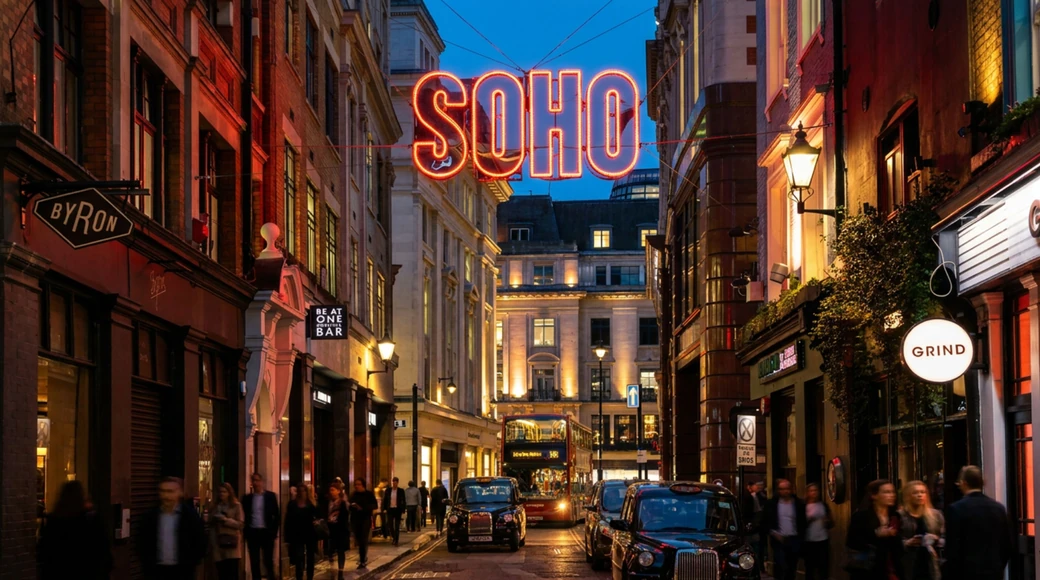
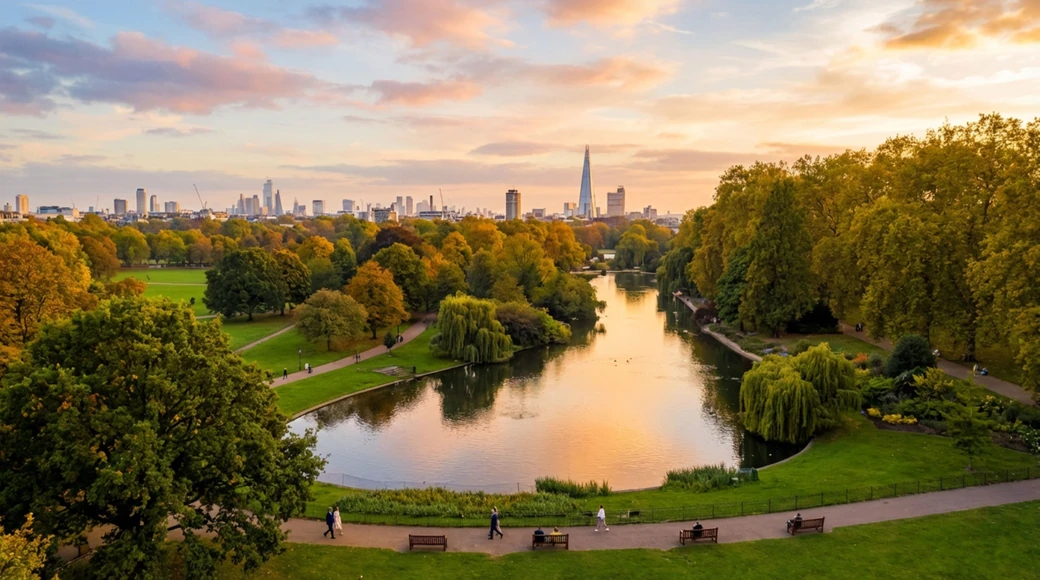
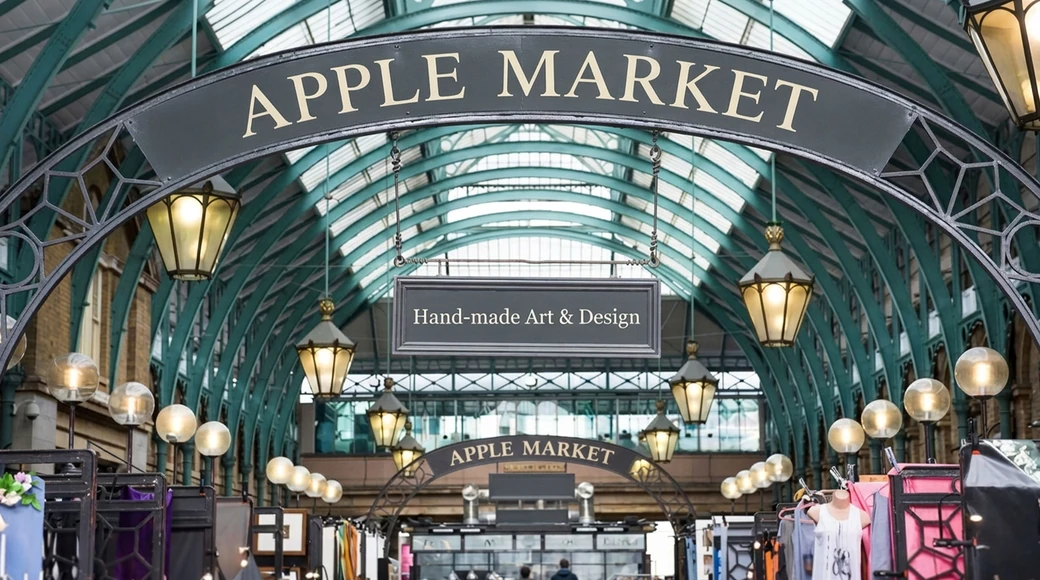
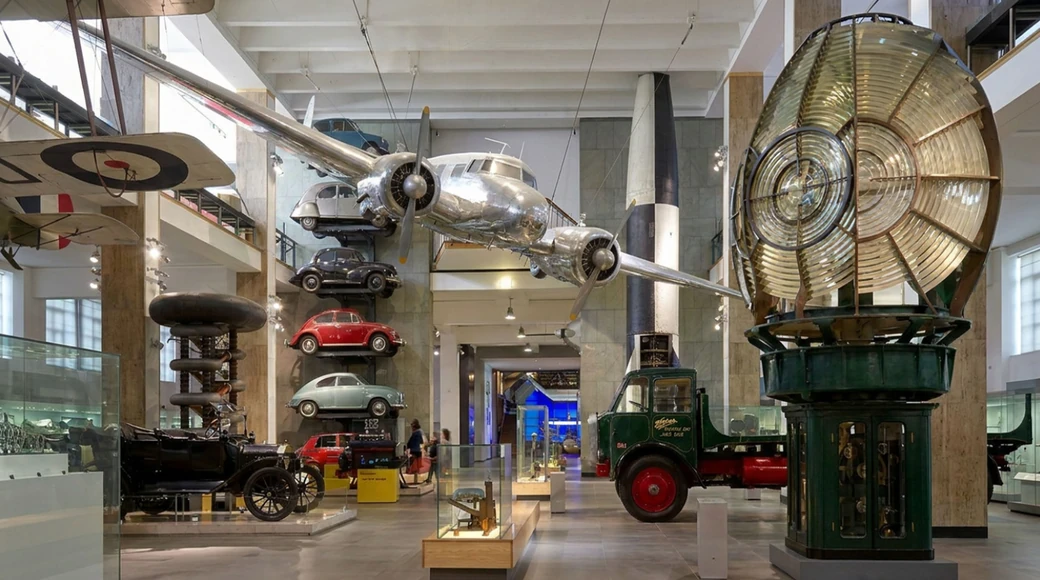
London is a city that never finishes telling its story. Roman walls, medieval towers, Georgian squares and glass skyscrapers stand within a short walk of one another, and the Thames winds through the middle like a silver thread connecting them all. Its royal parks turn golden in autumn, its markets hum from dawn, and its great museums open their doors to anyone curious enough to step inside. Every corner offers another century to wander through, and however long you stay, there is always one more courtyard, garden or hidden staircase waiting to surprise you.
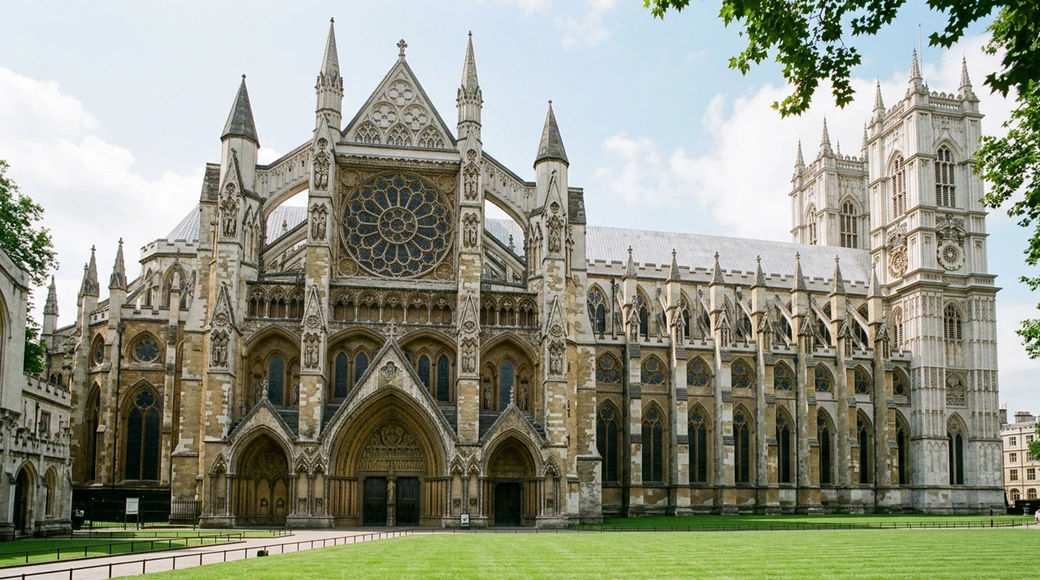
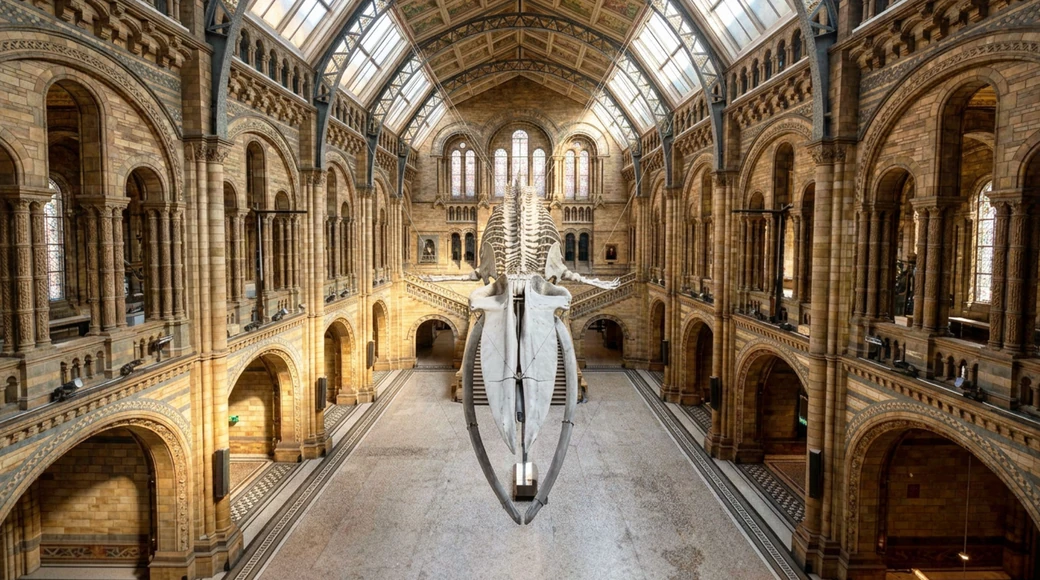
London's places carry a remarkable number of world firsts. The British Museum, established by Parliament in 1753 and opened to the public in 1759, is regarded as the world's first national public museum. London Zoo, opened in 1828, is the world's oldest scientific zoo and launched the first public aquarium in 1853. Hamleys, founded in 1760, is listed by Guinness as the world's oldest toy shop. The city also holds four UNESCO World Heritage sites: Westminster, the Tower of London, Maritime Greenwich and Kew Gardens, home to one of the richest plant collections on Earth. At Kew, the Temperate House is the world's largest surviving Victorian glasshouse, and the MCC Museum at Lord's is regarded as one of the world's oldest sports museums. The Natural History Museum and the British Museum also rank among the most visited attractions in the whole United Kingdom.
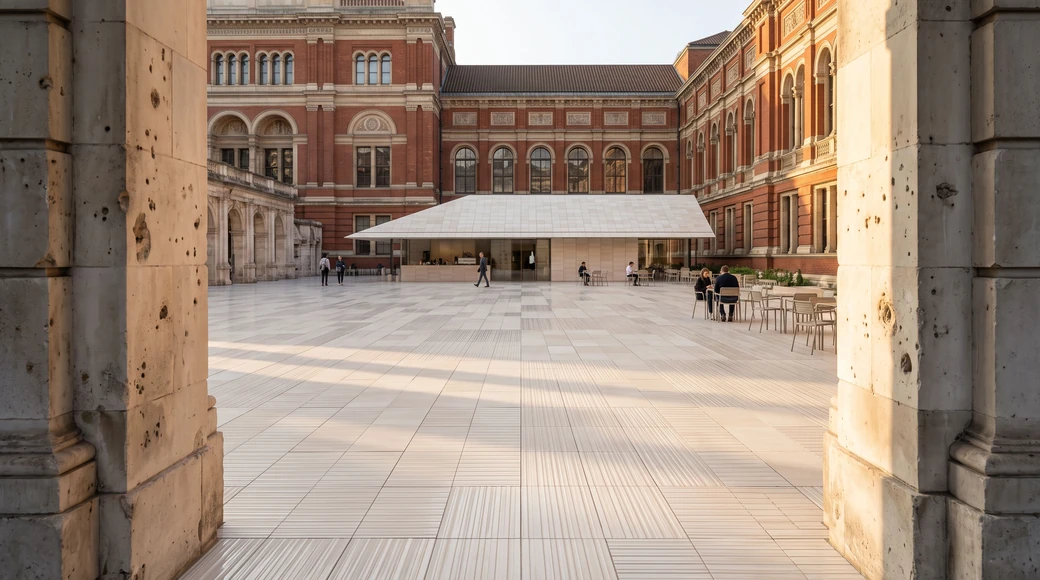
The city's venues fall into two worlds. National museums such as the British Museum, the National Gallery, Tate Modern, the V&A (the Victoria and Albert Museum, devoted to art and design) and the Natural History Museum keep their permanent collections free, while royal palaces, cathedral galleries, observation wheels and heritage sites charge admission. Between them sit pleasant surprises: free sky-high viewpoints such as Horizon 22, often described as Europe's highest free viewing platform, the open-storage V&A East Storehouse, Friday-evening museum openings and the annual Open House Festival (a festival that opens hundreds of normally closed buildings to the public). Historic house-museums, cathedrals, markets, stadium tours and immersive art spaces complete the map. A little planning decides how much of this you see, and how little you spend.
Accommodation and hotel options in London
Hotels and apartments in the heart of London — book directly through our partners.
Accommodation and hotel options across London, with their prices, are shown by Stay22 as a map and a list. Cookies are used. Your consent is remembered on every page; you can turn it off at any time in the cookie settings.
The Abbey Road pedestrian crossing in St John's Wood is one of the most photographed zebra crossings (a striped road crossing where drivers must give way) in the world. On the morning of 8 August 1969 the photographer Iain Macmillan stood on a stepladder in the road and shot the Beatles walking across it for the cover of their album Abbey Road, the last they recorded together. The nearby Abbey Road Studios, opened in 1931, have hosted countless artists, and the studio's white boundary wall is covered with visitors' messages that are painted over regularly. In 2010 the crossing became the first of its kind to be given Grade II listed status (a level of legal heritage protection). It is a working road, so take turns, stay alert and be patient with passing drivers; a live webcam shows people re-enacting the walk. St John's Wood Tube station is a short stroll away.
The Barbican Centre is the arts complex at the heart of the Barbican Estate, a Brutalist (an architectural style that leaves raw concrete exposed) residential and cultural district built on land flattened by bombing in the Second World War. Designed by the architects Chamberlin, Powell and Bon and opened by the Queen in 1982, the Centre calls itself Europe's largest multi-arts venue, and houses the home of the London Symphony Orchestra, a concert hall, theatres, an art gallery, cinemas, a library and a lakeside terrace. The estate around it, with its towering blocks and elevated walkways known as highwalks, is Grade II listed (a legal heritage protection level), and many people come simply to wander its concrete architecture and water gardens. If you get lost, follow the yellow lines painted on the ground; the complex is famously labyrinthine. The medieval church of St Giles Cripplegate and a surviving stretch of the Roman city wall sit within the estate.
Battersea Power Station, with its four white chimneys, is one of London's best-known industrial landmarks. Designed by Giles Gilbert Scott, who also created the classic red telephone box, it was built in two halves, the first in the 1930s and the second in the 1950s, and supplied electricity to the capital until 1983, after which it stood empty for decades. Its silhouette appeared on Pink Floyd's 1977 album Animals, where an inflatable pig was floated above the building and reportedly broke loose in a famous incident. Reopened in 2022 after a vast restoration, the Grade II* listed building (a high category of heritage protection) now holds shops, restaurants, event spaces and offices, with the restored control room in Art Deco style (a sleek, geometric design style of the 1920s and 1930s) among the highlights. Lift 109 rises inside a chimney for panoramic views, and a riverside walk, a boat pier and a Northern line station make arrival easy.
Canary Wharf is London's second financial district, a cluster of glass towers rising from the former West India Docks, once among the busiest ports in the world. After the docks closed in 1980, redevelopment from the late 1980s created a business quarter crowned by One Canada Square, the pyramid-topped tower of 1991 designed by Cesar Pelli, for more than two decades the tallest building in the country. The name comes from the Canary Islands, with which fruit trade was conducted here. Visitors come for the architecture, the water-filled docks, public art and gardens, as well as the Elizabeth line station (a modern rail link) whose timber-roofed Crossrail Place Roof Garden is a calm green retreat. The London Museum Docklands, set in an old warehouse, tells the district's earlier story. Weekends are quiet, while weekday lunchtimes bring crowds of office workers.
Churchill War Rooms is the underground complex beneath Whitehall from which the wartime government was directed between 1939 and 1945. Built in the basement of a government building and reinforced against bombing, it was sealed after the war and left almost untouched until it opened to the public in the 1980s, so the Map Room still shows the pinholes and coloured markings of the fighting, and the Cabinet Room keeps its long table and chairs as they were. Visitors also see the cramped bedrooms and the Transatlantic Telephone Room (a secure line for conversations with Washington), which according to legend was disguised as a private lavatory. A separate Churchill Museum, with an interactive timeline of the statesman's life, completes the visit. The site belongs to the Imperial War Museums, and an audio guide leads you through at your own pace.
Hampstead Heath is a vast, hilly stretch of ancient meadow, woodland and ponds covering some 320 hectares in north London, a wild-feeling escape only a few kilometres from the City. Its best-loved viewpoint is Parliament Hill, from which the skyline of St Paul's, the Shard and the City towers appears across the grass, a view protected by planning rules. According to legend, the hill got its name because plotters in 1605 meant to watch Parliament blow up from here, and nearby Boadicea's Mound is said to be the burial place of the warrior queen Boudica, though archaeologists have found no evidence. Swimmers use the bathing ponds and Parliament Hill Lido (an open-air public swimming pool), while Kenwood House (an eighteenth-century villa remodelled by Robert Adam) shows a Rembrandt self-portrait and other masterpieces in landscaped grounds. Flying a kite on the hill is a local tradition, and the pubs of Hampstead Village are a short walk away.
Hampton Court Palace is the Tudor royal residence that Cardinal Thomas Wolsey began building in 1514 and that Henry VIII made his own after Wolsey's fall in 1529. Henry's Great Hall, with its hammerbeam roof (carved timber beams projecting from the walls instead of spanning them), the vast Tudor kitchens and the Astronomical Clock in Clock Court bring court life vividly back, while Christopher Wren's Baroque wings, begun in 1689 for William III and Mary II, add a second, more formal layer. Outside, the Privy Garden, the Great Vine planted in 1768 and a hedge maze laid out around 1700 fill a large estate beside the Thames. According to legend, the ghost of Catherine Howard, Henry's fifth wife, still runs shrieking along the Haunted Gallery. Direct trains from Waterloo take about 35 minutes to the station opposite the gates, and the palace deserves a full day.
Harrods is the Knightsbridge department store whose terracotta façade, outlined at night by thousands of lights, is one of the capital's best-known landmarks. Charles Henry Harrod opened a small grocery in 1834 and moved to the present area in 1849; the grand building of 1894–1905, designed by Charles William Stephens, now holds hundreds of departments. Highlights include the Food Halls, decorated with Art Nouveau tiles (a late-nineteenth-century style of flowing, plant-like curves), the Egyptian Escalator, a staircase lined with sphinxes and lotus-shaped columns, and the Christmas windows that draw crowds every winter. According to a well-known story, when the store installed one of the first escalators in the country in 1898, nervous customers were offered brandy or smelling salts at the top. The store opens late on most evenings; dressing smartly is customary rather than required.
Highgate Cemetery is a Victorian burial ground on a wooded hillside in north London, opened in 1839 as one of the Magnificent Seven (a ring of seven large private cemeteries built around the city when its churchyards were overflowing). It has two parts, and a single admission ticket gives entry to both: the older West Cemetery, with its winding paths, ivy-covered monuments, the Egyptian Avenue and the Circle of Lebanon around a cedar planted after the centuries-old original had to be felled in 2019, and the East Cemetery, where the large tomb of Karl Marx and the grave of the author Douglas Adams are found. Overgrown and quiet, the site is also a haven for wildlife, including foxes and woodland birds. Guided tours are recommended, especially on a first visit, because many monuments are stories in themselves. It is still a working burial place, so behave quietly and respectfully, and wear sturdy shoes for the steep and sometimes muddy paths.
Horse Guards Parade is the large parade ground between Whitehall and St James's Park, once the tiltyard (jousting arena) of Henry VIII's Whitehall Palace. It is the setting for Trooping the Colour, the sovereign's official birthday parade held every June, and for the daily Changing of the King's Life Guard, when mounted troopers of the Household Cavalry (the regiments that guard the monarch) ride in a short ceremony in the late morning. The elegant Horse Guards building by William Kent, finished in the 1750s, faces Whitehall, where two mounted sentries sit in their boxes beside the archway. The ground also hosted beach volleyball during the 2012 Olympics. The Churchill War Rooms, Downing Street and St James's Park are all nearby. Arrive early for the ceremony to secure a view, and bear in mind that the parade ground itself is sometimes closed to visitors.
The Imperial War Museum London tells the story of modern conflict, from the First World War to present-day wars, through the experiences of ordinary people as well as soldiers and leaders. Founded in 1917 and housed since 1936 in the former Bethlem Royal Hospital, whose name gave everyday speech the word bedlam (chaos and uproar), it is entered beneath two huge naval guns from First World War battleships. The central atrium suspends aircraft such as a Spitfire beside a V-2 rocket and a Harrier jump jet (a plane that can take off vertically), while the galleries cover the world wars, the home front, the Cold War and secret intelligence. The Holocaust Galleries, redesigned in 2021, are among the museum's most powerful spaces and are advised for teenagers and adults. Plan at least three hours; it is one of the best museums for families with older children.
Kensington Palace has been a royal residence since 1689, when William III and Mary II, seeking cleaner air than Whitehall, bought a mansion here and had Christopher Wren and Nicholas Hawksmoor transform it. Queen Victoria was born in the palace in 1819 and grew up in its modest rooms, while its state apartments, with ceilings painted by William Kent in the 1720s, show the Georgian court (the era of the four kings named George) at its most theatrical. In the twentieth century it was the London home of Diana, Princess of Wales, and part of the building remains a royal residence today. Behind the palace, the Sunken Garden (a formal, lowered garden of seasonal planting) and the Orangery (a former greenhouse for citrus trees), built around 1705, are lovely places to pause, while the Round Pond and the open lawns of Kensington Gardens stretch beyond. An audio guide brings the rooms to life.
Kew Gardens, officially the Royal Botanic Gardens, Kew, is a UNESCO World Heritage Site (listed in 2003) and one of the world's leading centres of plant science. Founded in 1759 and covering roughly 132 hectares beside the Thames, it keeps one of the largest living plant collections anywhere. Decimus Burton and Richard Turner's curving iron-and-glass Palm House (1844–48) shelters tropical rainforest species, while the Temperate House is the largest surviving Victorian glasshouse (a greenhouse built in the nineteenth-century style) in the world. The Treetop Walkway lifts visitors into the canopy, and the ten-storey Great Pagoda, designed by William Chambers in 1762, rises above the lawns. Spring bluebells, summer borders and autumn colour each reward a visit. Kew Gardens station on the District line (a Tube line) is a short walk from Victoria Gate, so a relaxed day trip from central London is easy.
King's Cross is a former railway district reborn as one of London's most successful regeneration schemes. Coal Drops Yard, opened in 2018, converts two Victorian viaducts where coal was once unloaded from trains into a shopping, dining and design quarter, joined by a pair of roofs that curve up to meet in the middle, the work of Heatherwick Studio. Nearby Granary Square steps down to Regent's Canal with a field of dancing fountains, and the former Granary building now houses an art school. St Pancras International, with its soaring Gothic Revival facade (a nineteenth-century style inspired by medieval churches) and the Midland Grand Hotel designed by George Gilbert Scott, stands beside King's Cross station, where fans queue at the Platform 9¾ trolley. The old gasholders (huge former gas storage frames) now frame apartments and a park. It is a good place for a canalside stroll before a train.
Leadenhall Market is a Victorian covered market in the heart of the City of London, its ornate roof of wrought iron and glass painted in maroon, green and cream. Sir Horace Jones, who also worked on the original design of Tower Bridge, completed the present building in 1881, but trade here goes back centuries: the site lies over the Roman forum and basilica (the civic centre of Londinium, the Roman city), and the name comes from the lead-roofed Leaden Hall, a manor house that stood here in the Middle Ages. For generations the stalls sold poultry and game; today the cobbled arcades hold independent shops, wine bars, restaurants and traditional pubs that fill with office workers after work. Film fans recognise the market as the entrance to Diagon Alley in Harry Potter and the Philosopher's Stone. It is calmest at weekends, while weekday lunchtimes and early evenings are the liveliest.
Little Venice is the leafy basin where the Regent's Canal meets the Paddington arm of the Grand Union Canal, ringed by stuccoed Regency houses (built in the early nineteenth century) and moored narrowboats (long, slim canal barges that people live and travel on). Browning's Pool at its heart is named after the poet Robert Browning, and according to a popular tale the nickname Little Venice was coined by Byron or Browning, though neither claim is confirmed. The Regent's Canal opened in 1820 and runs about 14 kilometres to Limehouse; the towpath walk east to Camden Lock passes Regent's Park and the London Zoo aviary, and takes roughly an hour. Waterbuses glide along the same route and pass through the Maida Hill tunnel, while a floating puppet theatre has long been moored at Little Venice. Canalside cafés and pubs make it a calm retreat.
Maritime Greenwich is a UNESCO World Heritage Site (inscribed in 1997) where royal architecture, naval history and astronomy share one riverside hill. Inigo Jones's Queen's House (1616–35) was the country's first Palladian building (a classical, symmetrical style inspired by the Italian architect Palladio), and beside it rise the twin domed blocks of the Old Royal Naval College, designed by Christopher Wren and completed by Nicholas Hawksmoor. Inside, James Thornhill spent nearly two decades painting the ceiling of the Painted Hall, one of Europe's grandest decorative schemes. Uphill, the Royal Observatory, founded in 1675, marks the Prime Meridian (the line of zero degrees longitude), where visitors can stand with a foot in each hemisphere. Down by the water, the tea clipper (a fast sailing ship built to carry tea) Cutty Sark, launched in 1869, sits in dry dock, and the National Maritime Museum tells the story of exploration and trade. Greenwich Park's lawns frame the classic skyline view.
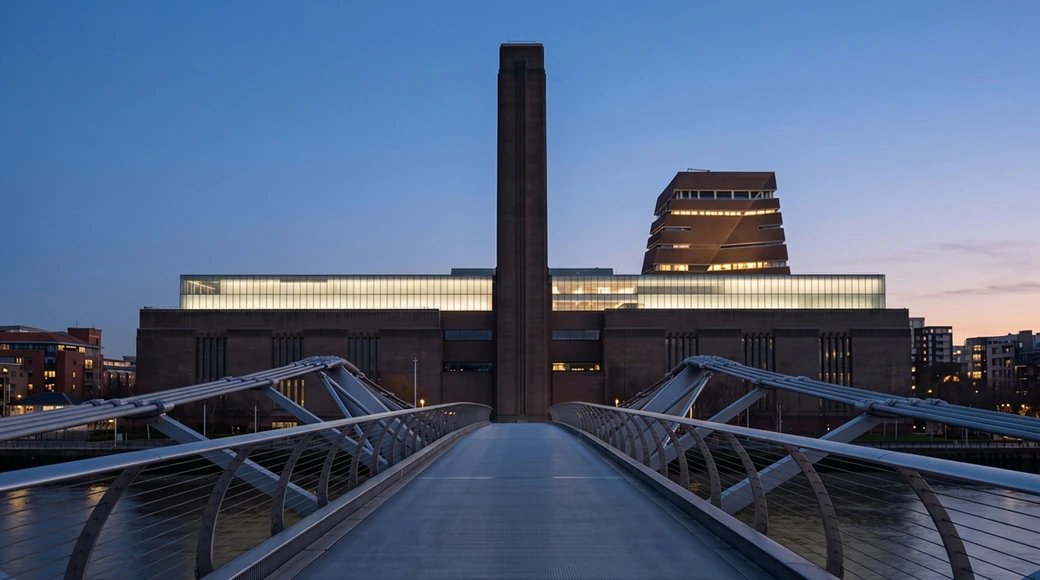
The Millennium Bridge is a slender steel pedestrian suspension bridge (its cables run low beside the deck rather than high above it) across the Thames, linking St Paul's Cathedral on the north bank with Tate Modern on the south. Designed by Foster and Partners with the engineers Arup and the sculptor Anthony Caro, it opened in June 2000 and was closed within two days after crowds felt it sway, earning the nickname Wobbly Bridge; dampers (devices that absorb vibration) were fitted and it reopened in 2002. About 325 metres long and open only to walkers, it frames one of the best views in the city, with the dome of St Paul's straight ahead as you cross from the south. The film Harry Potter and the Half-Blood Prince shows the bridge collapsing in its opening sequence. Try sunrise or dusk for fewer crowds and softer light.
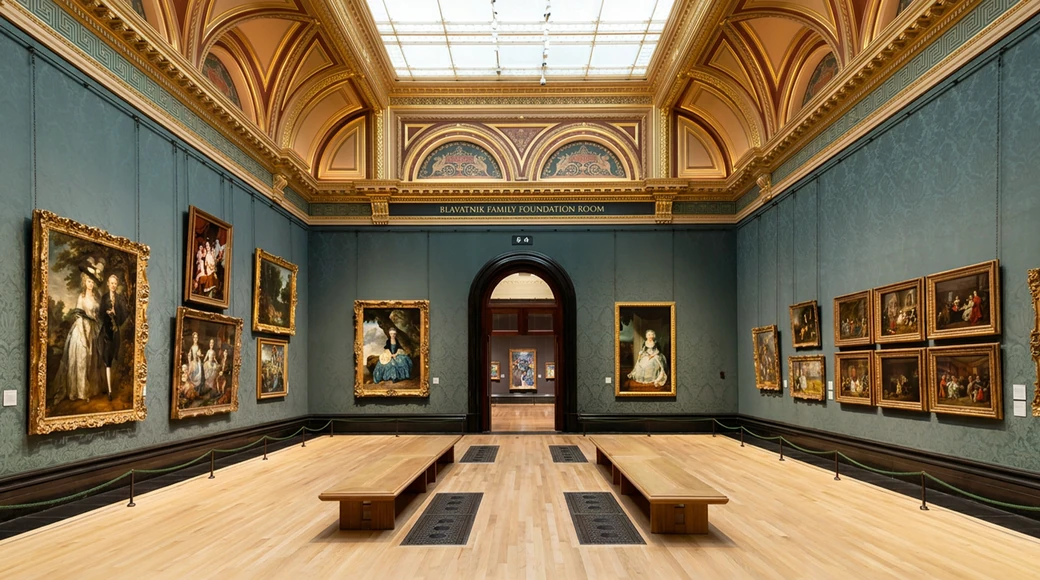
The National Portrait Gallery, founded in 1856, was the first gallery in the world devoted to portraits of the people who shaped history, and its present building just off Trafalgar Square, completed in 1896, reopened in 2023 after a major redesign. Its collection runs from the Tudor monarchs to modern icons, and includes the Chandos portrait, long thought to show Shakespeare and the gallery's very first acquisition (the sitter's identity is still debated). Walking through the rooms in chronological order, from the Tudor Gallery to the contemporary rooms, shows how society has seen itself in paint, photography and sculpture. The Portrait Restaurant on the top floor offers views across the rooftops towards Nelson's Column, and the gallery stays open late on some evenings. Combined with the neighbouring National Gallery, it makes an easy half day of art in the heart of the capital.
Notting Hill is the west London neighbourhood of pastel-coloured terraced houses, garden squares and mews (former stable lanes converted into cottages), and Portobello Road is its beating heart. The road takes its name from Porto Bello Farm, itself named after the capture of Porto Bello in Panama in 1739. Its Saturday antiques market, often described as one of the largest in the world, stretches for several blocks, followed by stalls of vintage clothing and, further north, fruit, vegetables and street food that run through the week. Every August bank holiday weekend (a national public holiday) the streets host the Notting Hill Carnival, a huge parade rooted in the area's Caribbean heritage. Fans of the 1999 film Notting Hill look for the bookshop and the painted houses on Lancaster Road and Elgin Crescent. Arrive early, and detour along Lancaster Road for the best colours.
Piccadilly Circus is the round junction (a 'circus' is simply a circular open space where several streets meet) that John Nash laid out around 1819 to link Regent Street with Piccadilly. Its centrepiece is the Shaftesbury Memorial Fountain, unveiled in 1893 and topped by an aluminium figure of Anteros, the god of requited love, which almost everyone calls Eros. Behind it, a curved wall of giant digital screens carries on the tradition of illuminated advertising that began in the early twentieth century and turns the square into a glowing stage at the heart of the West End (London's central theatre and entertainment district). The steps around the statue are a classic meeting point, and the Tube (the Underground railway) station below connects two lines. According to legend, the name comes from the piccadill, a frilled collar sold by a nearby tailor. Come after dark, when the screens are brightest; Soho, Leicester Square and Regent Street are each only minutes away on foot.
Regent Street is the sweeping boulevard that John Nash designed around 1814–25 as a ceremonial route linking the Prince Regent's residence at Carlton House with Regent's Park, and its gentle curve, the Quadrant, still draws the eye north from Piccadilly Circus. Most of Nash's stucco façades were rebuilt in Portland stone in the 1920s, giving the street its uniform, stately character; it remains in the hands of the Crown Estate (the body that manages royal property). Today it is a shopping street of flagship stores, among them Hamleys, the toy shop founded in 1760, and Liberty, whose Tudor Revival (neo-Tudor) building of 1924 was, according to legend, built with timbers from two decommissioned warships. The first public film screening for a paying audience in the country took place at the Regent Street Polytechnic in 1896. Around the festive season the street fills with Christmas lights.
Regent's Park is one of London's eight Royal Parks (lands once belonging to the Crown and now open to everyone), laid out by John Nash from 1811 for the Prince Regent, later George IV, and opened to the public in stages from the 1830s. Across more than 160 hectares you will find Queen Mary's Gardens, whose rose beds are among the finest in the city, the boating lake, the Open Air Theatre, where Shakespeare is staged on summer evenings, and London Zoo at the northern edge. Regent's Canal skirts the park, and Nash's elegant white stucco terraces frame it. Just beyond the canal, Primrose Hill rises as a bare, rounded hilltop with a protected panorama of the central skyline. The poet William Blake wrote that he had conversed with the spiritual sun on this hill, and that line of his is inscribed at the summit. Sunset and spring blossom are the best moments.
Richmond Park is the largest of London's Royal Parks, about 1,000 hectares of grassland, bracken and ancient oaks that Charles I enclosed in 1637 as a deer park and that still shelters herds of red and fallow deer (two deer species, the red being larger with branching antlers). Protected as a National Nature Reserve, it is home to rare stag beetles and veteran trees, and the Isabella Plantation, a woodland garden, bursts with azaleas in spring. From King Henry's Mound, a protected sightline (an official view corridor kept clear of obstruction) frames the dome of St Paul's Cathedral some fifteen kilometres away through a gap in the trees. Pembroke Lodge serves tea with a far-reaching view, and the Pen Ponds attract waterfowl. Cyclists share the roads, and in the autumn rutting season (when stags compete for mates) visitors should keep well back from the deer.
The Royal Albert Hall is the great oval concert hall in South Kensington that Queen Victoria opened in 1871 in memory of her husband, Prince Albert. Designed by Captain Francis Fowke and Henry Scott in red brick and terracotta, with a frieze called the Triumph of the Arts and Sciences running around the outside and a glazed iron dome above, it holds about 5,000 people and has hosted everything from the Proms (the summer classical music festival, held here since 1941) to rock concerts, boxing, tennis and circus. Its acoustic mushrooms (fibreglass discs hanging from the ceiling) were added in 1969 to tame a notorious echo, and the great organ has nearly 10,000 pipes. Guided tours reveal the Royal Box and backstage corridors, but the best way to experience the hall is to attend a performance; book ahead for popular dates.
SEA LIFE London Aquarium fills the lower floors of County Hall, the grand riverside building that was once the headquarters of London's county government, right beside the London Eye. County Hall, built in the early twentieth century in Edwardian Baroque style (an ornate style of the early 1900s), is itself worth a glance from the Thames embankment. Inside, a route through themed zones takes you from tropical rainforest and coral reefs to the ocean depths, with an underwater Ocean Tunnel where sharks and rays glide overhead and a Shark Reef Encounter. Gentoo penguins, seahorses, jellyfish and turtles are among the residents, and daily talks and feeding displays add interest. Allow around two hours; timed tickets booked ahead help you avoid queues. The aquarium sits on the South Bank walk, so it combines easily with the London Eye and Westminster Bridge.
Shakespeare's Globe is a painstaking reconstruction of the open-air playhouse where Shakespeare's company staged many of his plays from 1599. Opened in 1997 thanks to the vision of the actor-director Sam Wanamaker, it stands a short walk from the original site on the South Bank and is the first building in London allowed a thatched roof since the Great Fire of 1666 banned them. Built of green oak using Tudor methods, it has a circular timber auditorium around an open yard where 'groundlings' (spectators who stand right by the stage) watch performances in the open air, usually from late spring to early autumn. The candlelit Sam Wanamaker Playhouse, an indoor Jacobean-style theatre added in 2014, keeps the programme going in winter. A guided tour and exhibition explain how the first Globe burned down in 1613 when a cannon shot set its thatch alight during a performance.
The Sherlock Holmes Museum occupies a Georgian townhouse (built around 1815, in the era of the four kings named George) at 221B Baker Street, the address Arthur Conan Doyle gave his fictional detective. The house served as a lodging house between 1860 and 1936, which suits the stories, set between 1881 and 1904, and the museum opened in 1990. Rooms on several floors are laid out as Victorian lodgings: Holmes's study with its armchairs, violin and chemistry table, Dr Watson's bedroom and the rooms of the landlady Mrs Hudson, while the upper floors hold wax figures of characters from the tales. A costumed bobby (the nickname for a Victorian police constable) greets visitors at the door, and the gift shop sells deerstalker hats and magnifying glasses. The house is small, so queues can form; Baker Street Tube station is about a minute away on foot.
Shoreditch is East London's creative quarter, where converted warehouses, street art and independent galleries sit beside tech start-ups, and the area around Old Street roundabout is nicknamed Silicon Roundabout. Its theatrical roots run deep: in 1576 James Burbage built The Theatre here, one of the first purpose-built playhouses in London, and when the lease expired in 1598 its timbers were carried across the river to build the Globe. Today the district is best explored on foot: wander Redchurch Street and Rivington Street for boutiques and bars, step into the pop-up bars and shops stacked inside shipping containers, and follow the lanes around Brick Lane, where large murals by international artists change constantly (legal, commissioned street art that is regularly repainted). Evenings are lively, with rooftop bars and music venues, while Sunday markets and cafés make daytime visits relaxed.
Sir John Soane's Museum is the extraordinary home of the architect Sir John Soane (1753–1837), designer of the Bank of England, who filled three adjoining houses on Lincoln's Inn Fields with antiquities, sculpture, paintings and architectural models. He arranged for the house to be kept as he left it, and an Act of Parliament in 1833 secured its future, so the rooms still show his arrangement. Light is the architect's trick here: skylights, mirrors and a domed Breakfast Room make narrow rooms feel vast. Highlights include the alabaster sarcophagus (a stone burial chest) of the pharaoh Seti I, bought in 1824, the Picture Room whose hinged panels open to reveal more paintings, among them William Hogarth's A Rake's Progress, and the Monk's Parlour in the basement. The house is small and the rooms narrow, so visitor numbers are limited and queues can form; arrive early and look up as well as around.
Sky Garden is a three-storey, glass-roofed garden and viewing gallery crowning 20 Fenchurch Street, the building nicknamed the Walkie-Talkie for its top-heavy shape, designed by Rafael Viñoly and opened to visitors in 2015. Set on the 35th to 37th floors, roughly 150 metres above the City, it combines terraces, planted slopes of Mediterranean-climate species and wraparound windows with a panorama that takes in Tower Bridge, St Paul's Cathedral, the Shard and the bends of the Thames. Entry is by advance booking, with time slots released regularly (a rule meant to keep the space comfortable), and a table reservation at the restaurants and bars upstairs also includes access. A wooden outdoor terrace lets you step into the open air on clear days. Late-afternoon slots offer both daylight views and the glow of the city lights at dusk.
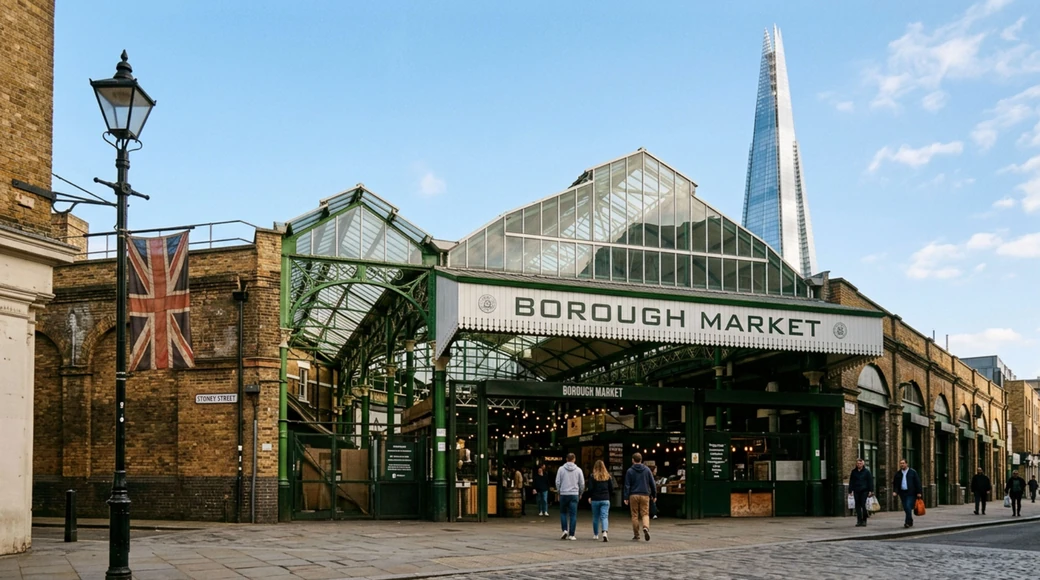
The South Bank is the riverside promenade along the Thames's southern shore, between Westminster Bridge and Tower Bridge, a cultural strip that grew out of the 1951 Festival of Britain (a national exhibition of arts, science and design). Its core is the Southbank Centre, home to the Royal Festival Hall, the Queen Elizabeth Hall and the Hayward Gallery, whose raw-concrete look belongs to Brutalism (an architectural style that leaves concrete exposed). Nearby stand the National Theatre, the BFI cinema, the Undercroft, a long-established skateboarding space, and the second-hand book stalls under Waterloo Bridge. Further east the walk passes Shakespeare's Globe, Tate Modern and Borough Market, while at the western end the London Eye and SEA LIFE sit beside County Hall. Street performers, food stalls and constant river views make it one of London's liveliest strolls, especially at dusk when the bridges light up.
Spitalfields and Brick Lane form one of East London's most layered neighbourhoods, where each wave of newcomers has left its mark. In the late seventeenth century Huguenot refugees (Protestants who fled persecution) settled here as silk weavers and built the tall Georgian houses (from the era of the four kings named George) of Fournier Street, still topped with weavers' attic windows; Jewish and later Bengali communities followed. The Brick Lane Mosque building tells the story in stone: it began as a Huguenot chapel, became a Methodist chapel, then a synagogue, and has been a mosque since 1976. Today Brick Lane is known for its curry houses, the Banglatown arch, bagel bakeries that stay open around the clock, vintage shops and street art, while Old Spitalfields Market, beneath its Victorian roof, hosts independent traders and food stalls on a site where a market has stood since 1638. Sunday is the busiest day.
St James's Park is London's oldest Royal Park, a lakeside green between Buckingham Palace and Whitehall. Henry VIII acquired the site as a deer park for the nearby St James's Palace, and in the 1820s John Nash reshaped it, turning a formal canal into the naturalistic lake seen today. From the Blue Bridge across the water you get postcard views of Buckingham Palace in one direction and the spires and rooftops of Whitehall, including the Horse Guards building, in the other. The park is famous for its pelicans, resident since 1664, when, according to legend, a foreign ambassador presented a pair to Charles II; keepers still feed them in the afternoon. Ducks, geese and squirrels, flower beds, deckchairs and a bandstand complete the picture. The park lies along the ceremonial route of The Mall, so processions often pass beside it.
The O2 is the vast white dome on the Greenwich Peninsula that began life as the Millennium Dome, designed by Richard Rogers's practice and opened on 1 January 2000 for a national exhibition. Its fabric roof, held up by twelve yellow steel masts, spans some 365 metres, one metre for each day of the year, and in 2007 the building became an entertainment district centred on the O2 Arena, one of the world's busiest music venues with a capacity of around 20,000. Besides concerts and sport, the complex holds restaurants, a cinema, a bowling alley and an indoor mall. The adventurous can take Up at The O2, a guided climb across a walkway over the roof, about 52 metres up, with views of Canary Wharf and the Thames. Thames boats and a cable car across the river link it to the rest of the city, and North Greenwich Tube station sits right next door.
Wembley Stadium is the national football stadium, a 90,000-seat arena that opened in 2007 on the site of the original Wembley, whose famous twin towers were demolished in the early 2000s. Designed by Foster and Partners with the architects HOK, it is topped by a 133-metre steel arch that can be seen across the city, and it has one of the largest covered seating capacities in the world. Besides cup finals and international matches, it hosts concerts, American football games and major events. The guided tour leads through the players' tunnel, dressing rooms, press room and Royal Box, where visitors can lift a replica trophy, and the Walk of Legends, an exhibition of memorabilia, while the Bobby Moore statue stands outside the stadium. Wembley Way, the broad pedestrian approach from the Tube station, builds the atmosphere on event days. Tours do not run during some events, so check the calendar before you go.
Theatreland is the nickname for the West End, the dense cluster of dozens of theatres around Shaftesbury Avenue, Covent Garden, Leicester Square and the Strand, home to London's long-running musicals, plays and revivals. Theatre Royal Drury Lane stands on the oldest theatre site in continuous use in London, dating back to 1663, while the Palladium, the Lyceum and the Palace Theatre rise over their streets with ornate Victorian and Edwardian façades. Performances are mostly held in the evening, with matinees (afternoon shows) on certain days, and many theatres release last-minute and standing tickets. The official discount ticket booth in Leicester Square, known as TKTS, helps with same-day deals. Walking through Theatreland at dusk, when marquee lights glow and crowds gather in bars before the curtain rises, gives a taste of the capital's stage culture even if you never buy a ticket. Cambridge Circus marks its centre.
What to Know Before You Go
Permanent collections are free
The big national museums, including the British Museum, National Gallery, Tate Modern, V&A, Natural History Museum and Science Museum, let you in free to see their permanent collections. Only special exhibitions are ticketed, and popular ones sell out well in advance. A donation box is a polite suggestion, never an obligation. Busy museums sometimes ask for a free timed-entry booking, so check the website before you set out.
Plan by neighbourhood
Group sights by area to save hours on the Underground: the Natural History Museum, Science Museum and V&A share South Kensington; the British Museum sits in Bloomsbury; Tate Modern and Shakespeare's Globe line the Bankside riverfront; the National Gallery and National Portrait Gallery stand around Trafalgar Square. Westminster, the Tower of London, Greenwich and Kew are all UNESCO sites that deserve half a day each. In east London, the V&A East Storehouse offers Order an Object (a booking service to see stored items up close), which must be reserved ahead.
Beat the crowds and queues
Arrive when doors open or in the last two hours before closing, and favour Tuesday to Thursday. Rainy days fill the museums, so keep a backup plan. Last entry is usually well before closing time, and big venues run bag checks, so travel light: large suitcases are not accepted, and some museums offer free lockers. Cards and contactless payments work almost everywhere. Many museums close around Christmas, and historic buildings such as the Tower of London have uneven cobbles that can be tricky for limited mobility.
Friday evenings and museum Lates
Several museums open late on Fridays, including the V&A, the British Museum and the National Gallery, and Tate Modern stays open into the evening on Fridays and Saturdays. Rooms feel calmer once the day-trippers leave. From time to time the V&A, Tate Modern, the Science Museum and the Natural History Museum host Lates (themed late-night openings with music, talks and DJs); some are ticketed or need a free booking. Late hours often cover only selected galleries, so check which ones stay open.
Free viewpoints above the city
Horizon 22 and the Sky Garden are free, but both are best booked online in advance for a timed slot (Horizon 22 keeps only a few walk-in places), and the Sky Garden releases tickets in batches weeks ahead, with sunset slots going first. Bring photo ID, expect a security check and plan on about an hour inside. If tickets are gone, a table at the Sky Garden's bar or restaurant also grants entry. The Garden at 120 and the One New Change rooftop, with a superb view of St Paul's dome, need no ticket at all.
Hear Evensong for free
St Paul's Cathedral and Westminster Abbey welcome anyone to Evensong (the sung evening prayer service), a service of roughly 45 minutes led by the choir. It is free and you sit among the congregation, so there is no sightseeing, dome climb or tomb visit, but the acoustics are unforgettable. St Paul's holds it on most days, at a different time on Sundays, and the Abbey also holds services on most days. Queues form early, so arrive about half an hour before, and confirm times online as feast days change them.
The Ceremony of the Keys at the Tower
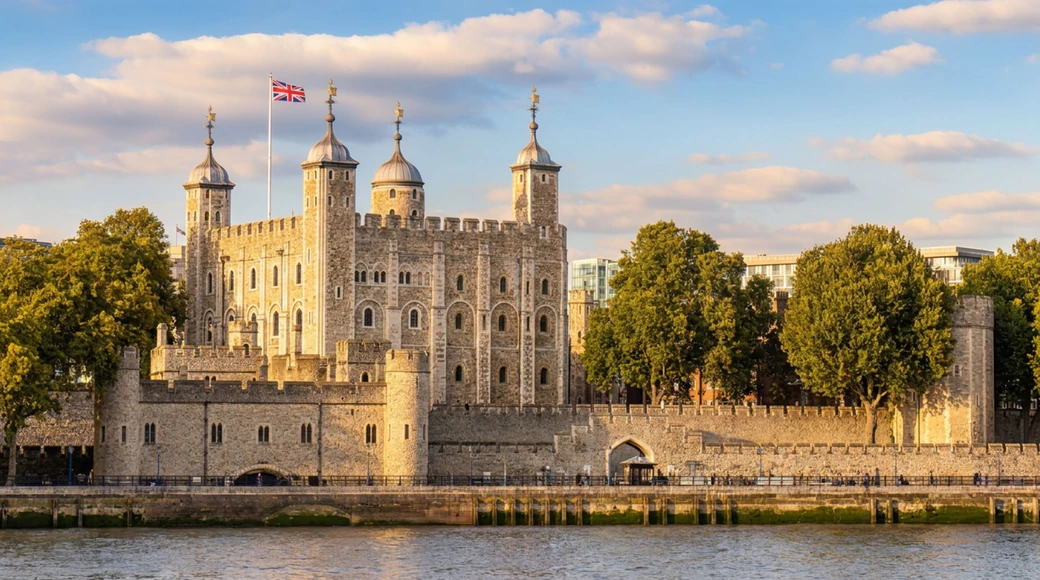
For centuries the Tower of London has been locked up each night in the Ceremony of the Keys (the nightly ritual in which the gates are formally locked), watched by only a few dozen guests under escort. Places must be booked online in advance through the official Historic Royal Palaces site, are released in monthly batches and go quickly. Tickets cannot be bought from third parties, so use only the official page. Bring ID, and leave phones away, as they are not allowed during the ceremony.
Free ceremonies and open doors
Changing the Guard (the ceremonial handover of the palace guard) at Buckingham Palace is free and needs no ticket, but it runs only on selected days and the calendar is confirmed just a few weeks ahead, so check the official Household Division schedule first. For a calmer view, try the mounted guard at Horse Guards Parade or the steps opposite the palace. Each September the Open House Festival (a festival of open doors) opens hundreds of normally closed buildings for free, though the most sought-after ones need booking as soon as registration opens.
Do the pass maths first
Day-based passes such as the London Pass pay off only if you visit about three or more ticketed attractions every day; Explorer-style passes, where you pick a set number of sights, suit slower trips. Because the largest museums are free, a museum-heavy itinerary rarely earns a pass back. Cheaper routes include the combined Royal Observatory and Cutty Sark ticket at Greenwich (the National Maritime Museum and Queen's House are free anyway), National Rail '2 for 1' (two entries for the price of one) offers that require a National Rail train ticket rather than a Tube (London Underground) or Oyster (London's rechargeable travel card) journey, a Historic Royal Palaces membership for several palaces, and the National Art Pass for exhibition lovers.
Photo spots, with good manners
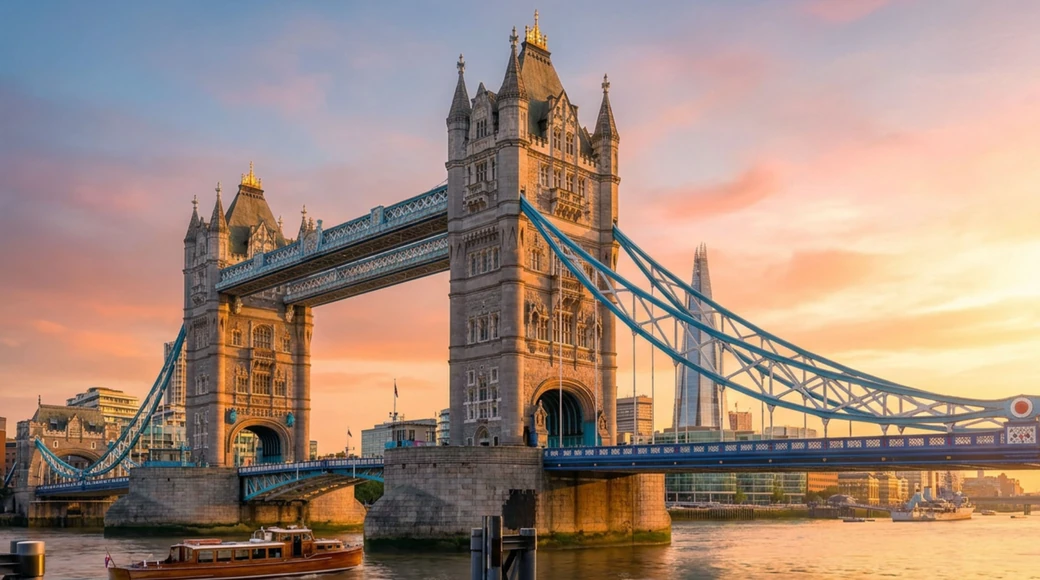
Favourite photo corners include Neal's Yard in Covent Garden, the ivy-covered arch of Kynance Mews (a mews is a former stable lane turned quiet residential street), the leafy ruined church of St Dunstan in the East and Leadenhall Market; weekday mornings are the quietest. For skyline views, walk across Waterloo Bridge or Tower Bridge, or climb Primrose Hill and Greenwich Park. Pastel terraces such as those in Notting Hill are private homes: shoot from the pavement, keep your voice low, and avoid steps, railings and doorways. Drones are not allowed in the royal parks without permission, and professional shoots need a permit.
Guided Tours in London
Skip-the-line tickets, small-group walks, and curated experiences