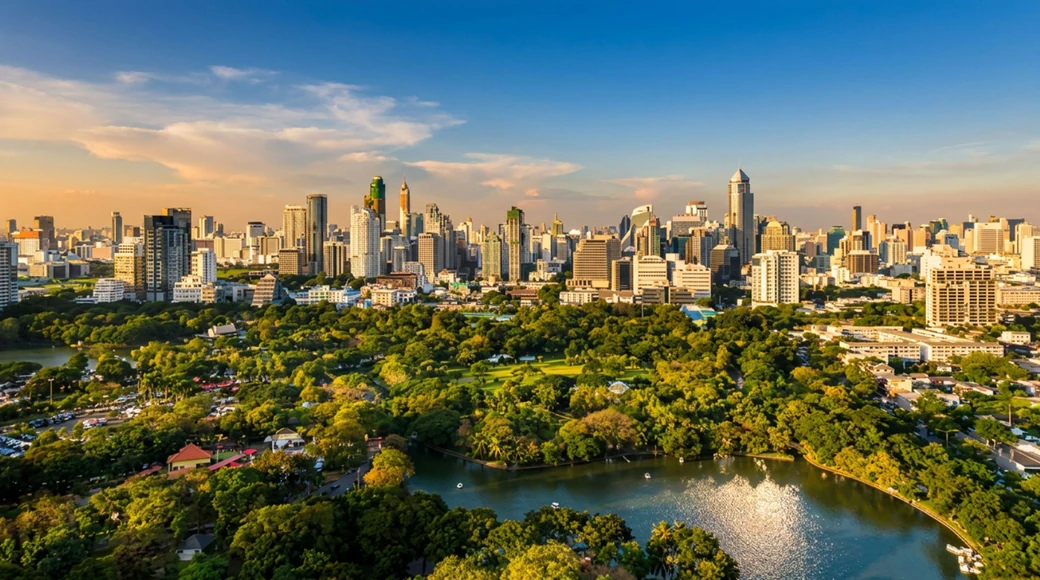
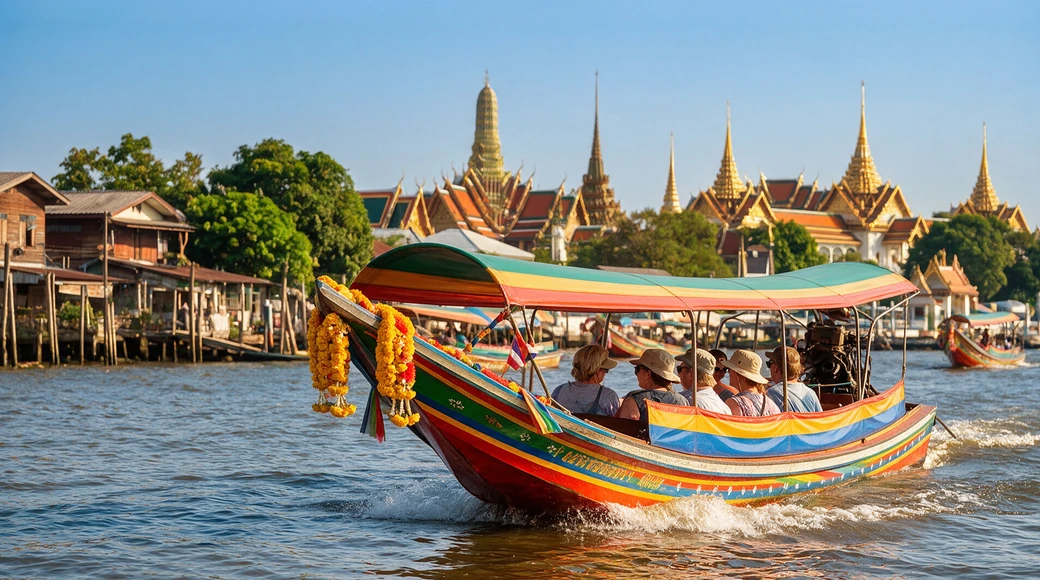
Few cities wear their contradictions as gracefully as Bangkok. Gilded temple roofs catch the light a few streets from mirrored towers; a wooden house on a canal bank stands quietly in the shadow of a retail complex the size of a small town. The Chao Phraya still organises the city the way it did two centuries ago, carrying ferries past spires that were built to be seen from the water. Heat, incense, traffic and river breeze arrive all at once, and Bangkok somehow gathers all of it into a single working order.
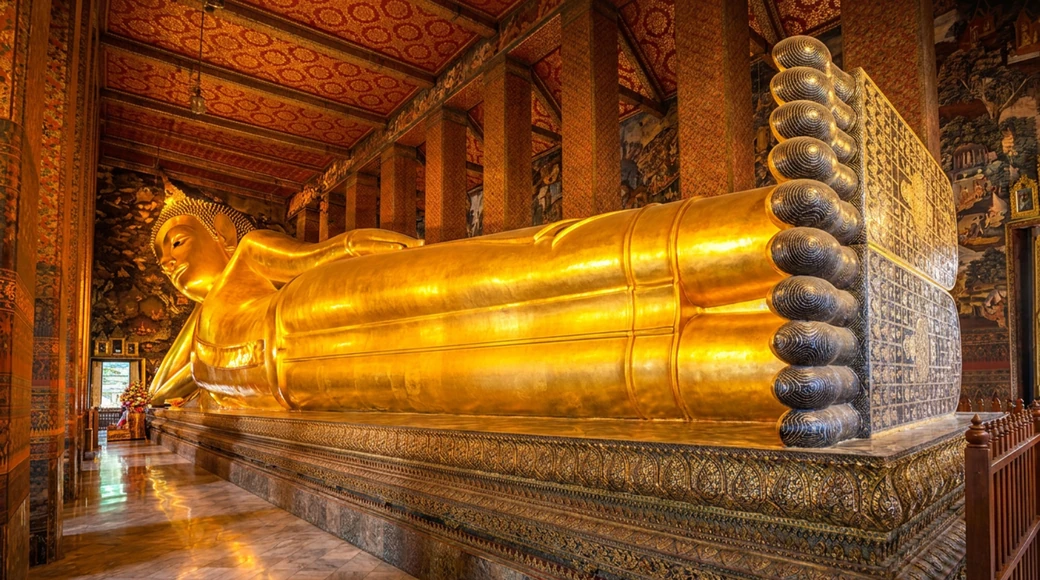
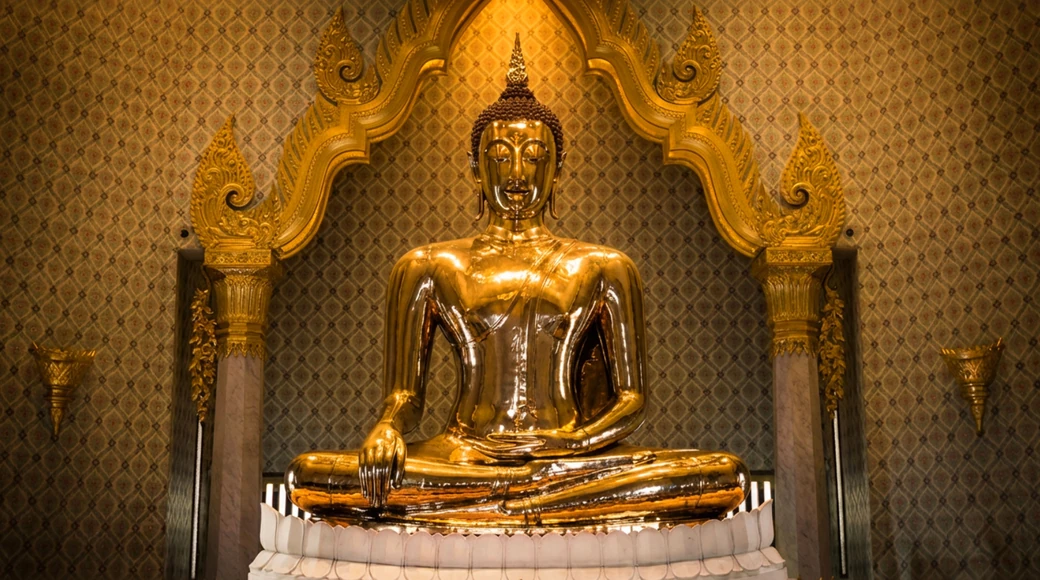
The superlatives here are not marketing. Wat Pho is one of Bangkok's oldest temples and holds the country's largest collection of Buddha images alongside a forty-six-metre reclining Buddha; it also served as Thailand's first public centre of learning, and its stone inscriptions are listed on UNESCO's Memory of the World Register. Wat Traimit guards the world's largest solid gold Buddha, hidden under plaster for generations. Chatuchak is the world's largest weekend market, Lumphini the city's first public park, and King Power Mahanakhon carries Thailand's highest observation deck. Between those poles sit royal palaces, Chinese shrines, teak house-museums, contemporary art centres, floating and night markets, riverside retail halls and canal districts.
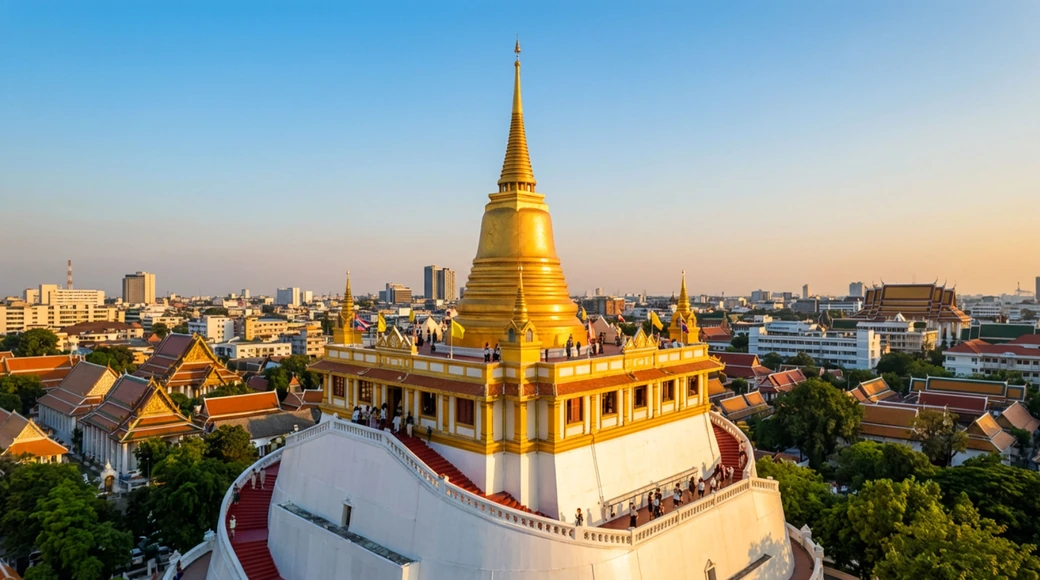
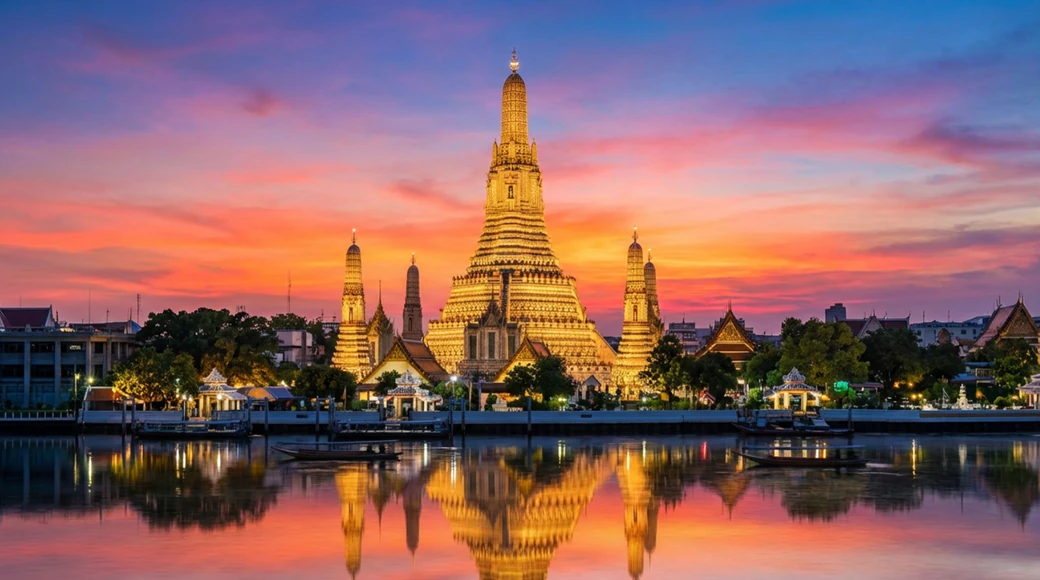
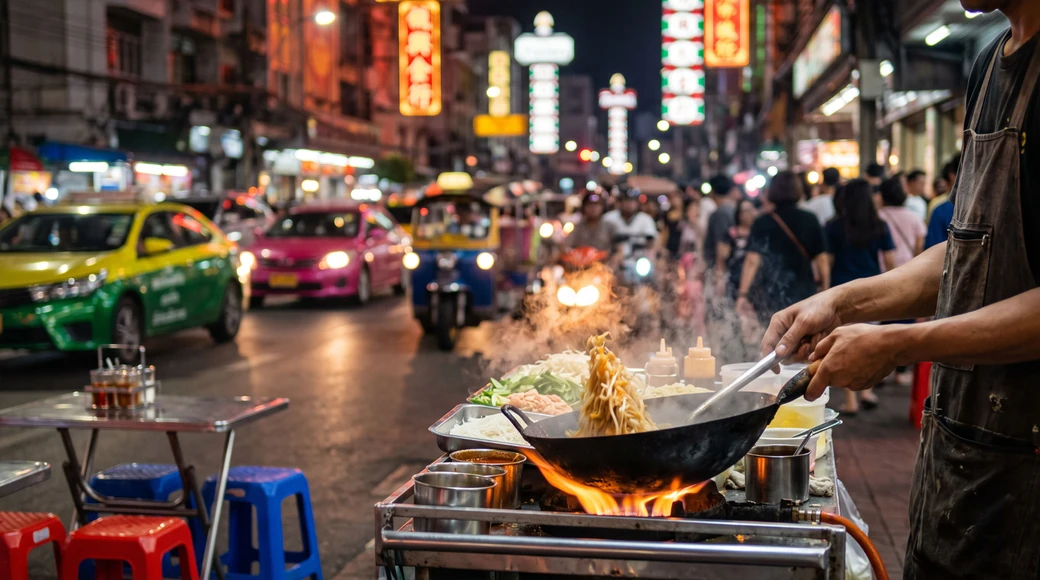
For photographs, a short list does most of the work. Wat Arun's porcelain-clad prang (a Khmer-style tower) is best framed at dusk from the eastern riverbank; Wat Paknam Phasi Charoen pairs a sixty-nine-metre golden Buddha on the skyline with an emerald glass pagoda under a painted cosmic ceiling; Loha Prasat at Wat Ratchanatdaram raises thirty-seven metal spires above the old town; Wat Benchamabophit is carved from Carrara marble; the Golden Mount at Wat Saket gives the clearest panorama over Rattanakosin. Add the glass floor at King Power Mahanakhon, the elevated walkway through Benjakitti Park, the neon of Yaowarat after dark and the painted lanes of Talat Noi.
Accommodation and hotel options in Bangkok
Hotels and apartments in the heart of Bangkok — book directly through our partners.
Accommodation and hotel options across Bangkok, with their prices, are shown by Stay22 as a map and a list. Cookies are used. Your consent is remembered on every page; you can turn it off at any time in the cookie settings.
Begun in the 1960s by businessman and art lover Lek Viriyaphant, Ancient Siam (Muang Boran) near Samut Prakan is billed as one of the world's largest outdoor museums. Set on roughly 200 acres of land shaped like Thailand's outline on a map, it gathers scaled-down and full-size replicas of the country's most significant temples, palaces and vernacular buildings in their correct regional positions, alongside original historic structures moved here for preservation. Walking the grounds feels like crossing the whole of Thailand in a single day, from northern and central landmarks to southern temple styles. Visitors typically rent a bicycle or ride the internal tram to cover the grounds, which can easily take half a day to explore. The park is also a favorite for photographers, with lakes, gardens and a recreated old market town.
Completed in 1997 in the Pratunam district (Bangkok's bustling garment-market area), Baiyoke Tower II held the title of Thailand's tallest building until 2016 and remains one of the most recognizable towers on the city skyline. Its hotel tower rises 84 stories, and visitors can head up to an indoor observation area on the 77th floor before continuing to the open-air, slowly revolving deck near the top, where the rotating platform offers a changing 360-degree panorama over the surrounding markets, canals, rooftops and the distant river. The viewpoint gives an excellent sense of the city's scale and is especially atmospheric around sunset and after dark, when the lights of the districts around Phetchaburi Road and Ratchathewi begin to glow. It makes a handy stop for anyone exploring the Pratunam markets.
Formed by a tight bend of the Chao Phraya River just south of central Bangkok, Bang Krachao is a green peninsula of mangroves, orchards and quiet elevated pathways, long nicknamed the city's green lung for the calm it offers beside the traffic across the water. A short ferry ride from the Khlong Toei side brings visitors into a network of cycling routes that thread past village temples, fruit gardens, canal-side houses and small cafés, with bicycles available to rent near the landing. The Sri Nakhon Khuean Khan Park and Botanical Garden, with its lake, tower and open lawns, makes a lovely rest stop, and a small floating market adds local snacks on weekends. Bring sun protection and plenty of water, and treat the slow pace as part of the pleasure.
Opened in 2008 after a long campaign by Bangkok's arts community for a dedicated contemporary art space, the Bangkok Art and Culture Centre (BACC) stands opposite MBK Center right beside the National Stadium BTS station. Its nine-story interior is organized around a spiral ramp inspired by museum design traditions, winding past rotating exhibitions of Thai and international contemporary art, performance and design. Independent bookshops, craft and design stores, small studios and cafés fill the surrounding levels, and a performance space hosts talks, screenings, music and theater throughout the year. The center is a hub for the city's creative community, so each visit offers something new to see. It also makes an easy, relaxed stop between the Siam shopping malls and the nearby Jim Thompson House.
One of the largest shopping complexes in Southeast Asia, CentralWorld anchors the Ratchaprasong intersection beside a wide public plaza. That plaza becomes the center of Bangkok's New Year's Eve countdown and hosts other major public celebrations, light displays and seasonal festivals throughout the year. Inside, the complex spreads across several connected wings of fashion, dining and entertainment, including a large ice-skating rink and a department store. Elevated skywalks (covered pedestrian bridges above the street) link it to nearby malls and to the BTS Skytrain at Chit Lom station, so visitors can move between shopping centers without ever touching the traffic. The surrounding Ratchaprasong area forms the city's most concentrated district for retail, dining and events, and the plaza is a lively place to pause between visits.
Built in 1939 to commemorate the 1932 change from absolute to constitutional monarchy, Democracy Monument stands at the center of a roundabout on Ratchadamnoen Klang Avenue, a grand boulevard inspired by European avenues. The design, by architect Mew Aphaiwong with sculptor Corrado Feroci (later known as Silpa Bhirasri), is full of symbolism: four wing-like towers represent the branches of the armed forces, and its measurements echo the date of the revolution, 24 June 1932 (year 2475 in the Buddhist Era, the Thai calendar that runs 543 years ahead of the Western one). Reliefs around the base tell the story of the era. The monument has long been a focal point for public gatherings and a much-photographed civic landmark, especially pleasant when lit at night.
Dream World is a long-running theme park on Bangkok's northern outskirts, in Thanyaburi district of Pathum Thani province, with four main zones: Dream World Plaza, Dream Garden, Fantasy Land and Adventure Land. Visitors can admire miniature versions of famous world wonders in the gardens, ride roller coasters and a log flume in the thrill areas, and explore gentler attractions designed for younger children. One of its signature spots is Snow Town, an air-conditioned hall where you can play in real snow and slide down icy slopes despite the tropical climate outside. A colorful parade of costumed characters often winds through the park on busy days, and food stalls and rest areas are spread around the grounds. It makes a pleasant half-day or full-day excursion for families wanting more variety than a single water park offers.
Tucked into the busy Ratchaprasong intersection, the Erawan Shrine is a small open-air sanctuary centered on a golden, four-faced statue of Phra Phrom (the Thai form of Brahma, the Hindu creator god, honored by Thai Buddhists). The statue was installed in 1956, and according to a popular story, it was meant to ease a run of misfortunes during the construction of a nearby hotel. Today it is one of the city's liveliest places of worship. Visitors bring marigold garlands, incense and lotus buds, and walk around the statue making wishes. Those whose wishes come true often give thanks with carved wooden elephants or by hiring the resident troupe of classical dancers, who perform in gleaming costumes to live music beside the shrine.
Opened in 2018 on the Thonburi bank of the Chao Phraya River, ICONSIAM is one of Southeast Asia's most striking riverside complexes. International luxury boutiques share the building with SookSiam, an indoor recreation of a Thai floating market that gathers regional crafts, snacks and traditional goods from all of Thailand's provinces under one roof, with boats and canals set among market stalls. Outside, the riverfront promenade stages evening fountain and light displays after dark, and a complimentary shuttle boat links the complex with the BTS Skytrain station at Saphan Taksin, so it fits naturally into a day of river-based sightseeing. Families, shoppers and food lovers will all find an easy rhythm here, from browsing regional specialties to dinner overlooking the water.
Jodd Fairs Ratchada is one of Bangkok's most popular night-market districts, set near the Thailand Cultural Centre MRT station and loved for its compact, easily walkable layout. Rows of shipping-container bars, vintage clothing stalls and food vendors fill the grounds, creating a lively open-air evening scene full of music, lights and the smell of grilled food. Its central food court section serves everything from grilled seafood platters to Isaan specialties (Isaan is Thailand's northeastern region, known for spicy salads, sticky rice and grilled meats), with flavors aimed at locals rather than tourists. Visitors can graze from stall to stall, share plates with friends and try unfamiliar Thai snacks. Because it sits close to the neighboring Train Night Market Ratchada, many travelers explore both markets in a single evening.
Khlong Lat Mayom is a weekend floating market on the Thonburi side of Bangkok, in Taling Chan district, started in 2004 by a local community leader. It draws a largely local crowd rather than the tour-bus traffic of larger markets, with vendors selling food from boats moored along a canal lined with wooden walkways and shaded seating. Local favorites include boat noodles (small bowls of rich noodle soup traditionally served from boats), kanom jeen (fresh rice noodles eaten with curry sauces), hoi tod (a crisp seafood omelet), grilled river prawns and a wide range of traditional Thai sweets. The relaxed pace and home-style cooking make it a favorite half-day trip, and small canal boat rides through the surrounding orchards can be arranged on site. Bring cash and arrive early for the freshest food.
Rising 314 meters above the Silom district, MahaNakhon is recognized by its pixelated glass facade, a design that appears to peel away in a spiral along the tower. Its SkyWalk observation deck spans the 74th to the 78th floors and includes a glass-floored tray, reaching the highest vantage point of its kind in the city, a lookout suspended around 310 meters above the street. An outdoor rooftop level adds an open-air panorama over the Chao Phraya River, the winding expressways, the historic old town and, on clear days, a horizon stretching toward the sea. Many visitors time their ascent for sunset to watch the city turn from gold to a glittering carpet of lights, so a clear evening is a rewarding choice for photographs.
Koh Kret is an island in Nonthaburi province, formed in 1722 when a canal was dug as a shortcut across a bend in the Chao Phraya River. It is home to a long-established Mon community (the Mon are an ethnic group with their own language and Buddhist heritage, living in Thailand and Myanmar), known for making unglazed terracotta pottery (fired clay with no glaze), still crafted and sold from small riverside workshops. A short public ferry crossing brings visitors to an island that is best explored on foot or by bicycle, with quiet lanes passing temples, food stalls, pottery shops and riverside cafés. The leaning Mon-style pagoda at Wat Poramai Yikawat is a favorite stop. With its relaxed pace and rural feel, Koh Kret makes a popular half-day escape from central Bangkok.
Alongside Rajadamnern, Lumpinee is one of the two great institutions of Thai boxing (Muay Thai, Thailand's national martial art). Opened in 1956 on Rama IV Road beside Lumphini Park, it moved in 2014 to a larger, modern arena on Ram Inthra Road in the north of the city, while keeping its historic name and championship titles. Fight nights follow the same ritual structure as ever: the Wai Khru (a ritual dance of respect toward teachers and trainers) before each bout and live sarama music (the traditional oboe-and-drum ensemble that drives the pace of the fight). Cards range from promising newcomers to major championship events. The stadium has showcased many of the sport's most celebrated fighters. Reaching it by taxi or ride-hailing from central Bangkok is the simplest way, and it makes a lively, memorable evening out.
Located in the Siam Discovery shopping complex, Madame Tussauds Bangkok presents lifelike wax figures of celebrities, athletes, musicians and historical figures from Thailand and around the world, arranged in themed photo sets that invite visitors to pose, touch and take selfies rather than simply look from behind a rope. Zones dedicated to film, music, sport and famous personalities sit alongside displays that introduce Thai culture and heritage, so the visit blends international glamour with local flavor. The figures are crafted with remarkable attention to detail, from hairstyles to clothing, which makes the photos convincing and fun to share. Because it sits within the same group of buildings as Siam Paragon and Siam Center, and beside the BTS Skytrain at Siam station, it combines easily with a day of shopping.
A Bangkok favorite since 1985, MBK Center is an eight-story indoor market and mall in one, filled with small vendor stalls selling electronics, phone accessories, souvenirs, clothing, jewelry and gems. Prices are traditionally open to friendly negotiation, so bargaining (haggling over a price) is part of the fun. Upper floors add a cinema, a lively food court and casual cafés, while tailors and repair counters serve visitors who need a quick fix or a custom-made piece. Where its glossy neighbors Siam Paragon and Siam Discovery offer polished retail, MBK keeps the lively spirit of a traditional market under one roof. It connects directly to the BTS Skytrain at National Stadium station, making it an easy stop for souvenir hunters, gadget lovers and curious wanderers alike.
Standing somewhat apart from the main tourist circuit in northern Bangkok, the Museum of Contemporary Art (MOCA), opened in 2012, houses one of Thailand's most substantial private collections of modern and contemporary Thai painting and sculpture, spread across five floors. The collection was assembled by founder Boonchai Bencharongkul and honors Silpa Bhirasri, regarded as the father of modern art in Thailand. Works by leading artists such as Thawan Duchanee, Hem Vejakorn, Chalermchai Kositpipat and Prateep Kochabua feature prominently, and the monumental triptych of Heaven, Earth and Hell is a highlight. The building itself is striking: a facade of carved stone patterned like jasmine vines lets sunlight filter inside. A taxi or ride-hailing app is the easiest way to reach it, and its relatively quiet location keeps it calm.
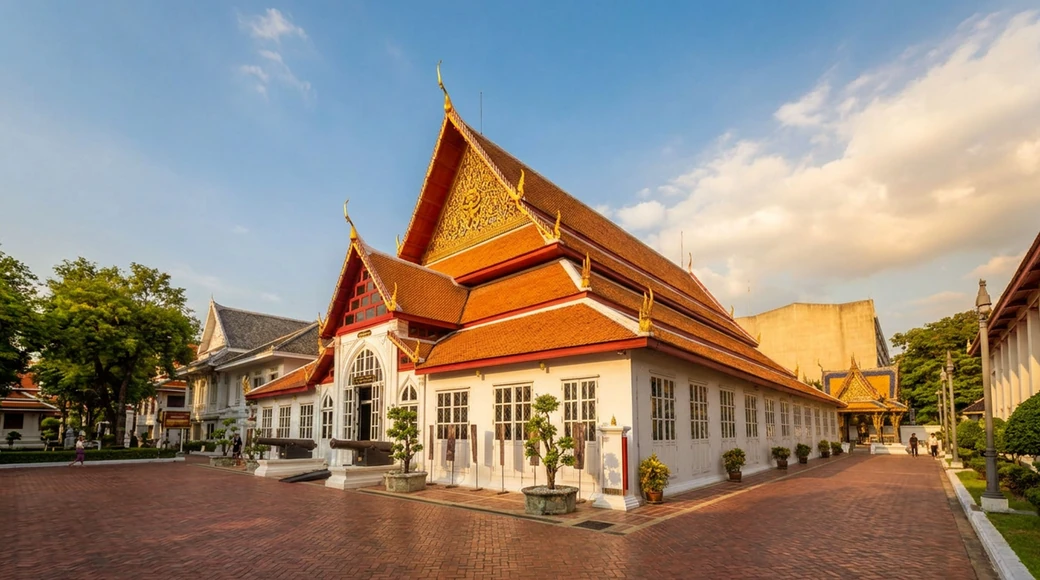
Housed in a restored early 20th-century neoclassical building that once served as the Ministry of Commerce, Museum Siam sits a short walk from Wat Pho and poses a single, open-ended question across its interactive galleries: what does it mean to be Thai? The word Siam is the former name of Thailand, used officially until 1939, and the museum uses multimedia displays, games and role-play to trace the country's identity from prehistoric migration and the Ayutthaya kingdom through the influence of trade and foreign contact to everyday pop culture. A self-guided route with a playful, thoughtful tone makes the exhibits easy to enjoy for adults and children alike. Air-conditioned and very walkable from the riverside piers, it is a refreshing break between temple visits in the old town.
Run by the Marketing Organization for Farmers (the name Or Tor Kor comes from the organization's Thai initials) and located across the street from Chatuchak, Or Tor Kor Market is widely regarded as one of Bangkok's finest fresh markets. Chefs and local households come for its strict cleanliness standards and for produce sourced directly from farming cooperatives around the country. Stalls display seasonal Thai fruit in glowing pyramids, fragrant herbs, flowers and orchids, fresh seafood and meats, and aisle after aisle of ready-to-eat dishes, from curries and grilled fish to regional specialties rarely found elsewhere in the city. The air-conditioned halls and tidy layout make it an easy, comfortable counterpoint to a sweaty morning at the weekend market next door, and a great place to try Thai fruit in season.
Opened in 1945, Rajadamnern is one of the world's oldest purpose-built Muay Thai stadiums (Muay Thai: Thailand's national martial art, also known as Thai boxing) and a revered name in the sport. Fight cards bring together rising fighters and champions, and each bout begins with the Wai Khru (a ritual dance in which fighters show respect to their teachers and trainers). Live sarama music (the traditional oboe-and-drum ensemble that sets the rhythm of the fight) rises in pace as the rounds intensify, giving the evening its unmistakable energy. Ringside seats place you closest to the action, while the upper tiers offer a wider view of the ring and the crowd. Set on Ratchadamnoen Nok Road in the old town, the stadium is a memorable cultural evening for first-time spectators and devoted fans alike.
Opened in 2002, Rama VIII Bridge is an asymmetric cable-stayed bridge carrying traffic across the Chao Phraya River between the Phra Nakhon (old city) side and the Thonburi bank. Instead of two towers, it has a single steel pylon, about 160 meters tall, standing on the Thonburi side. This design meant no support tower needed to stand in the busy main shipping channel. The bridge was named for King Rama VIII (Ananda Mahidol, the eighth king of the Chakri dynasty), and its slender, harp-like cables fan out gracefully from the pylon. Floodlights make it a glowing landmark after dark. Riverside paths near Phra Athit and Santichaiprakan Park offer relaxed spots to watch long-tail boats and ferries pass beneath it, and the bridge is easy to photograph from the water or the shore.
Safari World, opened in 1988 on the eastern side of Bangkok, is one of Asia's best-known open-zoo attractions and combines two parks in one visit. The Safari Park (an open-air drive-through zoo) lets you travel by car or park coach past giraffes, zebras, lions, tigers and bears that roam spacious enclosures, with stops for feeding giraffes and meeting other animals up close. The Marine Park is a walk-around area with daily shows featuring dolphins, sea lions and orangutans, along with stunt performances, themed gardens and plenty of food stalls. Most families plan a full day, starting with the safari drive while the animals are most active, then following the show timetable posted at the entrance. Comfortable shoes, sun protection and a camera will help you enjoy the long, relaxed day out.
Sanam Luang (the Royal Field) is a large oval public ground beside the Grand Palace that has served Bangkok's royal and public ceremonies since the city's founding. Each May it hosts the Royal Ploughing Ceremony, a rite that marks the start of the rice-growing season, where sacred oxen choose between foods in a tradition said to foretell the harvest. In the past it was also the site of royal funeral rites. Outside ceremonial periods the wide lawns ringed by tamarind trees become a favorite place for flying kites in the breezy months, for picnics, jogging and relaxed gatherings. From the open grass you can take in unobstructed views toward the golden spires of Wat Phra Kaew, and its central position puts the National Museum, Wat Mahathat and the river piers within an easy walk.
Located in the basement of Siam Paragon, Sea Life Bangkok Ocean World is one of Southeast Asia's largest aquariums, home to thousands of marine animals from tropical reefs to polar waters. A glass viewing tunnel lets sharks, rays and shoals of fish glide around and above you, a glass-floored Shark Walk crosses the water for a view from above, and a recreated Antarctic habitat shows penguins on ice. Interactive feeding talks and touch pools make it easy for children to learn about ocean life, and optional extras such as shark cage diving or a glass-bottom boat ride across the main tank add variety for the adventurous. Its central location makes it a cool, comfortable stop for families during the hottest part of the day, easily combined with shopping or lunch in the mall.
Opened on 19 November 1980 under the name Suan Siam, Siam Amazing Park (formerly Siam Park City, and still called that by many locals) is the oldest amusement and water park complex in Southeast Asia. It is best known for its Water World, where a giant wave pool, recognized with a Guinness World Record as the world's largest, creates sea-style surf far from any coast, alongside a network of slides, lazy rivers and pools. The dry side of the park features roller coasters, a log flume and a free-fall tower, spread across themed zones such as Family World, Fantasy World, the thrill-focused X-Zone and the Small World area for little ones. Located in Khan Na Yao district on Bangkok's eastern side, it works well as a full-day outing that splits time between the rides and the water.
Anchoring the Siam shopping district since 2005, Siam Paragon is one of Bangkok's most prestigious malls, known for flagship luxury stores, a large cinema complex with an IMAX screen and a lively food hall. Beneath the main floors lies the Sea Life Bangkok Ocean World aquarium, which makes the mall a natural stop for families. The grand ground-floor hall regularly stages car launches, art exhibitions and seasonal festivals, so every visit can feel a little different. Elevated walkways link the building directly with the BTS Skytrain at Siam station and neighboring malls, which turns a rainy or very hot day into a comfortable indoor stroll. Shoppers, diners and sightseers all find an easy base here for exploring the heart of central Bangkok.
Squeezed between Chinatown and the Chao Phraya riverfront, Talat Noi is one of Bangkok's oldest neighborhoods, long home to Chinese and Portuguese-descended communities whose traces still shape its character. Narrow lanes wind past century-old machinery and spare-parts shops, family-run workshops, Chinese shrines with incense curling from their doorways, and the Santa Cruz Church, founded by Portuguese settlers and a reminder of the Kudi Chin (the old Portuguese-descended Catholic community on the Thonburi riverside). In recent years, weathered shopfronts have become a backdrop for large-scale street murals, and small cafés and galleries tuck into restored shophouses. Wandering on foot is the best way to explore, with riverside walkways and tiny alleys revealing something new around each corner.
Designed around an airport theme, Terminal 21 gives each floor the look of a different world city, from a Parisian boulevard and a Roman piazza to a London street scene, a Tokyo lane and a San Francisco corner with its own Golden Gate bridge. Even the restrooms are decorated to match, famous enough to be a minor attraction in themselves. The mall sits directly above the Asok BTS station and the Sukhumvit MRT station, so it is easy to reach from almost anywhere in the city. It favors small independent fashion labels and a casual food court (a hall of food stalls sharing communal seating) over luxury flagships, giving it a playful, youthful character that suits a relaxed afternoon of browsing, snacking and photographs.
Train Night Market Ratchada is a retro-style night market behind Esplanade Ratchadaphisek, on the plot that hosted the original Talad Rot Fai Ratchada (talad rot fai means train market, a name taken from the railway-yard setting of the first markets) in the 2010s. The current market reopened in March 2026 and revived the train-market name after an interim operator closed the site in 2025. Its layout divides between vintage and fashion stalls, secondhand finds and collectibles on one side, and food vendors and live-music container bars on the other. The retro identity that first made the Ratchada train market a fixture of Bangkok nightlife continues here, with old-fashioned decor, classic cars and lively evenings. It is easy to combine with neighboring night markets, and strolling the lanes at dusk gives a good feel for the city's after-dark culture.
Known as the Marble Temple for its gleaming facade of white Carrara marble imported from Italy, Wat Benchamabophit was begun in 1899 under King Rama V and designed by his half-brother Prince Naris. It blends classical Thai temple architecture with European touches such as stained-glass windows, set around a symmetrical courtyard. The main hall (ubosot, the ordination hall where monks are ordained) houses a replica of the revered Phra Buddha Chinnarat image, while the surrounding cloister displays dozens of bronze Buddha images from across the Buddhist world, gathered as a study collection. Visitors who arrive early may see monks collecting alms (tak bat, the morning offering of food to monks), and the temple is calmer than many of Bangkok's busiest sites, with a graceful canal-side garden beside it.
Facing Sanam Luang near the Grand Palace, Wat Mahathat is one of Bangkok's most important royal temples and a historic center of Thai Buddhist learning. It is home to Mahachulalongkornrajavidyalaya University, one of the country's two Buddhist universities, and its buildings, ordination hall (the sacred hall where monks are ordained) and quiet courtyards reflect centuries of monastic life. The temple also runs a meditation center, where Vipassana sessions (insight meditation, a practice of calm, focused awareness) are offered to Thai practitioners and visiting travelers, some of them in English. Just outside the walls along Maha Rat Road and nearby lanes, a lively market sells Buddhist amulets (small charms believed to bring protection and good fortune), herbal remedies and sacred objects, which makes the area fascinating to explore on foot.
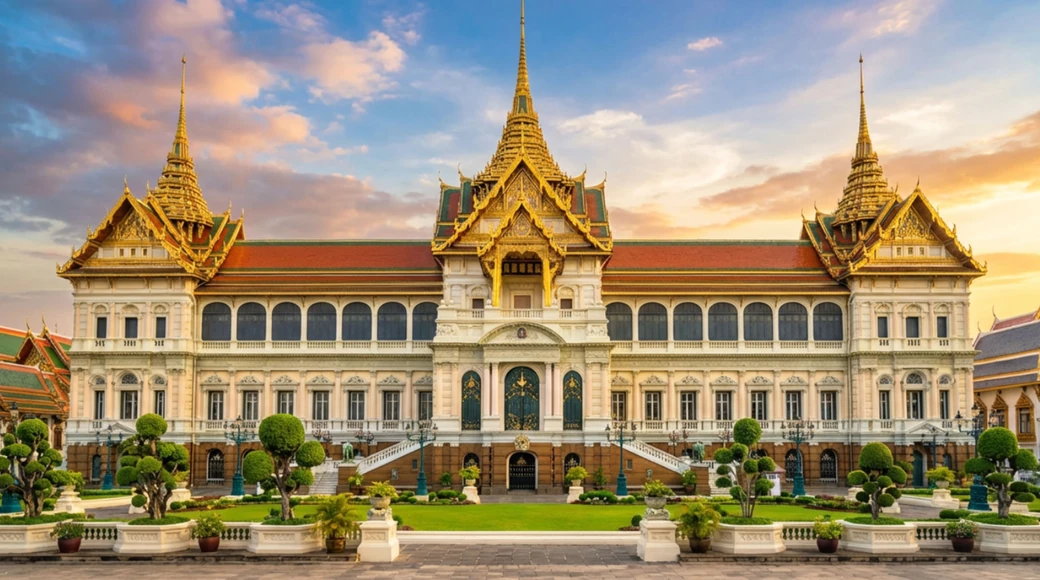
Set inside the Grand Palace complex, Wat Phra Kaew (wat: a Thai Buddhist temple) is regarded as Thailand's most sacred temple. It shelters the Emerald Buddha, a small statue about 66 centimeters tall carved from a single block of green stone. According to tradition, it came to light in Chiang Rai in the 15th century and has been enshrined in Bangkok since 1784. A royal ceremony changes its golden robes for each of the three seasons (hot, rainy and cool). Long galleries around the courtyard are covered in murals of the Ramakien (Thailand's national epic, the Thai retelling of India's Ramayana), while gilded chedis (bell-shaped towers that hold sacred relics), mosaic spires and guardian giants reward a slow walk. Modest, covered clothing is expected, and early morning is the calmest time.
Wat Suthat is one of Bangkok's first-class royal temples and houses Phra Si Sakyamuni, a revered bronze Buddha about eight meters tall that was brought from Sukhothai in the early Bangkok era and is counted among the largest surviving bronze Buddha images in Thailand. The wihan (the main assembly hall of a temple) is covered inside with murals painted during the reign of King Rama III, and they remain among the finest in the city. In front of the temple stands the red teak Giant Swing (Sao Ching Cha), once used in a Brahmin ceremony (a Hindu-rooted ritual honoring Shiva) until 1935 and now preserved as a landmark of the old town. The courtyards, carved doors and quiet cloisters make a rewarding, unhurried stop in Rattanakosin.
Begun in the 1960s by businessman and art lover Lek Viriyaphant, Ancient Siam (Muang Boran) near Samut Prakan is billed as one of the world's largest outdoor museums. Set on roughly 200 acres of land shaped like Thailand's outline on a map, it gathers scaled-down and full-size replicas of the country's most significant temples, palaces and vernacular buildings in their correct regional positions, alongside original historic structures moved here for preservation. Walking the grounds feels like crossing the whole of Thailand in a single day, from northern and central landmarks to southern temple styles. Visitors typically rent a bicycle or ride the internal tram to cover the grounds, which can easily take half a day to explore. The park is also a favorite for photographers, with lakes, gardens and a recreated old market town.
Completed in 1997 in the Pratunam district (Bangkok's bustling garment-market area), Baiyoke Tower II held the title of Thailand's tallest building until 2016 and remains one of the most recognizable towers on the city skyline. Its hotel tower rises 84 stories, and visitors can head up to an indoor observation area on the 77th floor before continuing to the open-air, slowly revolving deck near the top, where the rotating platform offers a changing 360-degree panorama over the surrounding markets, canals, rooftops and the distant river. The viewpoint gives an excellent sense of the city's scale and is especially atmospheric around sunset and after dark, when the lights of the districts around Phetchaburi Road and Ratchathewi begin to glow. It makes a handy stop for anyone exploring the Pratunam markets.
Formed by a tight bend of the Chao Phraya River just south of central Bangkok, Bang Krachao is a green peninsula of mangroves, orchards and quiet elevated pathways, long nicknamed the city's green lung for the calm it offers beside the traffic across the water. A short ferry ride from the Khlong Toei side brings visitors into a network of cycling routes that thread past village temples, fruit gardens, canal-side houses and small cafés, with bicycles available to rent near the landing. The Sri Nakhon Khuean Khan Park and Botanical Garden, with its lake, tower and open lawns, makes a lovely rest stop, and a small floating market adds local snacks on weekends. Bring sun protection and plenty of water, and treat the slow pace as part of the pleasure.
Opened in 2008 after a long campaign by Bangkok's arts community for a dedicated contemporary art space, the Bangkok Art and Culture Centre (BACC) stands opposite MBK Center right beside the National Stadium BTS station. Its nine-story interior is organized around a spiral ramp inspired by museum design traditions, winding past rotating exhibitions of Thai and international contemporary art, performance and design. Independent bookshops, craft and design stores, small studios and cafés fill the surrounding levels, and a performance space hosts talks, screenings, music and theater throughout the year. The center is a hub for the city's creative community, so each visit offers something new to see. It also makes an easy, relaxed stop between the Siam shopping malls and the nearby Jim Thompson House.
One of the largest shopping complexes in Southeast Asia, CentralWorld anchors the Ratchaprasong intersection beside a wide public plaza. That plaza becomes the center of Bangkok's New Year's Eve countdown and hosts other major public celebrations, light displays and seasonal festivals throughout the year. Inside, the complex spreads across several connected wings of fashion, dining and entertainment, including a large ice-skating rink and a department store. Elevated skywalks (covered pedestrian bridges above the street) link it to nearby malls and to the BTS Skytrain at Chit Lom station, so visitors can move between shopping centers without ever touching the traffic. The surrounding Ratchaprasong area forms the city's most concentrated district for retail, dining and events, and the plaza is a lively place to pause between visits.
Built in 1939 to commemorate the 1932 change from absolute to constitutional monarchy, Democracy Monument stands at the center of a roundabout on Ratchadamnoen Klang Avenue, a grand boulevard inspired by European avenues. The design, by architect Mew Aphaiwong with sculptor Corrado Feroci (later known as Silpa Bhirasri), is full of symbolism: four wing-like towers represent the branches of the armed forces, and its measurements echo the date of the revolution, 24 June 1932 (year 2475 in the Buddhist Era, the Thai calendar that runs 543 years ahead of the Western one). Reliefs around the base tell the story of the era. The monument has long been a focal point for public gatherings and a much-photographed civic landmark, especially pleasant when lit at night.
Dream World is a long-running theme park on Bangkok's northern outskirts, in Thanyaburi district of Pathum Thani province, with four main zones: Dream World Plaza, Dream Garden, Fantasy Land and Adventure Land. Visitors can admire miniature versions of famous world wonders in the gardens, ride roller coasters and a log flume in the thrill areas, and explore gentler attractions designed for younger children. One of its signature spots is Snow Town, an air-conditioned hall where you can play in real snow and slide down icy slopes despite the tropical climate outside. A colorful parade of costumed characters often winds through the park on busy days, and food stalls and rest areas are spread around the grounds. It makes a pleasant half-day or full-day excursion for families wanting more variety than a single water park offers.
Tucked into the busy Ratchaprasong intersection, the Erawan Shrine is a small open-air sanctuary centered on a golden, four-faced statue of Phra Phrom (the Thai form of Brahma, the Hindu creator god, honored by Thai Buddhists). The statue was installed in 1956, and according to a popular story, it was meant to ease a run of misfortunes during the construction of a nearby hotel. Today it is one of the city's liveliest places of worship. Visitors bring marigold garlands, incense and lotus buds, and walk around the statue making wishes. Those whose wishes come true often give thanks with carved wooden elephants or by hiring the resident troupe of classical dancers, who perform in gleaming costumes to live music beside the shrine.
Opened in 2018 on the Thonburi bank of the Chao Phraya River, ICONSIAM is one of Southeast Asia's most striking riverside complexes. International luxury boutiques share the building with SookSiam, an indoor recreation of a Thai floating market that gathers regional crafts, snacks and traditional goods from all of Thailand's provinces under one roof, with boats and canals set among market stalls. Outside, the riverfront promenade stages evening fountain and light displays after dark, and a complimentary shuttle boat links the complex with the BTS Skytrain station at Saphan Taksin, so it fits naturally into a day of river-based sightseeing. Families, shoppers and food lovers will all find an easy rhythm here, from browsing regional specialties to dinner overlooking the water.
Jodd Fairs Ratchada is one of Bangkok's most popular night-market districts, set near the Thailand Cultural Centre MRT station and loved for its compact, easily walkable layout. Rows of shipping-container bars, vintage clothing stalls and food vendors fill the grounds, creating a lively open-air evening scene full of music, lights and the smell of grilled food. Its central food court section serves everything from grilled seafood platters to Isaan specialties (Isaan is Thailand's northeastern region, known for spicy salads, sticky rice and grilled meats), with flavors aimed at locals rather than tourists. Visitors can graze from stall to stall, share plates with friends and try unfamiliar Thai snacks. Because it sits close to the neighboring Train Night Market Ratchada, many travelers explore both markets in a single evening.
Khlong Lat Mayom is a weekend floating market on the Thonburi side of Bangkok, in Taling Chan district, started in 2004 by a local community leader. It draws a largely local crowd rather than the tour-bus traffic of larger markets, with vendors selling food from boats moored along a canal lined with wooden walkways and shaded seating. Local favorites include boat noodles (small bowls of rich noodle soup traditionally served from boats), kanom jeen (fresh rice noodles eaten with curry sauces), hoi tod (a crisp seafood omelet), grilled river prawns and a wide range of traditional Thai sweets. The relaxed pace and home-style cooking make it a favorite half-day trip, and small canal boat rides through the surrounding orchards can be arranged on site. Bring cash and arrive early for the freshest food.
Rising 314 meters above the Silom district, MahaNakhon is recognized by its pixelated glass facade, a design that appears to peel away in a spiral along the tower. Its SkyWalk observation deck spans the 74th to the 78th floors and includes a glass-floored tray, reaching the highest vantage point of its kind in the city, a lookout suspended around 310 meters above the street. An outdoor rooftop level adds an open-air panorama over the Chao Phraya River, the winding expressways, the historic old town and, on clear days, a horizon stretching toward the sea. Many visitors time their ascent for sunset to watch the city turn from gold to a glittering carpet of lights, so a clear evening is a rewarding choice for photographs.
Koh Kret is an island in Nonthaburi province, formed in 1722 when a canal was dug as a shortcut across a bend in the Chao Phraya River. It is home to a long-established Mon community (the Mon are an ethnic group with their own language and Buddhist heritage, living in Thailand and Myanmar), known for making unglazed terracotta pottery (fired clay with no glaze), still crafted and sold from small riverside workshops. A short public ferry crossing brings visitors to an island that is best explored on foot or by bicycle, with quiet lanes passing temples, food stalls, pottery shops and riverside cafés. The leaning Mon-style pagoda at Wat Poramai Yikawat is a favorite stop. With its relaxed pace and rural feel, Koh Kret makes a popular half-day escape from central Bangkok.
Alongside Rajadamnern, Lumpinee is one of the two great institutions of Thai boxing (Muay Thai, Thailand's national martial art). Opened in 1956 on Rama IV Road beside Lumphini Park, it moved in 2014 to a larger, modern arena on Ram Inthra Road in the north of the city, while keeping its historic name and championship titles. Fight nights follow the same ritual structure as ever: the Wai Khru (a ritual dance of respect toward teachers and trainers) before each bout and live sarama music (the traditional oboe-and-drum ensemble that drives the pace of the fight). Cards range from promising newcomers to major championship events. The stadium has showcased many of the sport's most celebrated fighters. Reaching it by taxi or ride-hailing from central Bangkok is the simplest way, and it makes a lively, memorable evening out.
Located in the Siam Discovery shopping complex, Madame Tussauds Bangkok presents lifelike wax figures of celebrities, athletes, musicians and historical figures from Thailand and around the world, arranged in themed photo sets that invite visitors to pose, touch and take selfies rather than simply look from behind a rope. Zones dedicated to film, music, sport and famous personalities sit alongside displays that introduce Thai culture and heritage, so the visit blends international glamour with local flavor. The figures are crafted with remarkable attention to detail, from hairstyles to clothing, which makes the photos convincing and fun to share. Because it sits within the same group of buildings as Siam Paragon and Siam Center, and beside the BTS Skytrain at Siam station, it combines easily with a day of shopping.
A Bangkok favorite since 1985, MBK Center is an eight-story indoor market and mall in one, filled with small vendor stalls selling electronics, phone accessories, souvenirs, clothing, jewelry and gems. Prices are traditionally open to friendly negotiation, so bargaining (haggling over a price) is part of the fun. Upper floors add a cinema, a lively food court and casual cafés, while tailors and repair counters serve visitors who need a quick fix or a custom-made piece. Where its glossy neighbors Siam Paragon and Siam Discovery offer polished retail, MBK keeps the lively spirit of a traditional market under one roof. It connects directly to the BTS Skytrain at National Stadium station, making it an easy stop for souvenir hunters, gadget lovers and curious wanderers alike.
Standing somewhat apart from the main tourist circuit in northern Bangkok, the Museum of Contemporary Art (MOCA), opened in 2012, houses one of Thailand's most substantial private collections of modern and contemporary Thai painting and sculpture, spread across five floors. The collection was assembled by founder Boonchai Bencharongkul and honors Silpa Bhirasri, regarded as the father of modern art in Thailand. Works by leading artists such as Thawan Duchanee, Hem Vejakorn, Chalermchai Kositpipat and Prateep Kochabua feature prominently, and the monumental triptych of Heaven, Earth and Hell is a highlight. The building itself is striking: a facade of carved stone patterned like jasmine vines lets sunlight filter inside. A taxi or ride-hailing app is the easiest way to reach it, and its relatively quiet location keeps it calm.
Housed in a restored early 20th-century neoclassical building that once served as the Ministry of Commerce, Museum Siam sits a short walk from Wat Pho and poses a single, open-ended question across its interactive galleries: what does it mean to be Thai? The word Siam is the former name of Thailand, used officially until 1939, and the museum uses multimedia displays, games and role-play to trace the country's identity from prehistoric migration and the Ayutthaya kingdom through the influence of trade and foreign contact to everyday pop culture. A self-guided route with a playful, thoughtful tone makes the exhibits easy to enjoy for adults and children alike. Air-conditioned and very walkable from the riverside piers, it is a refreshing break between temple visits in the old town.
Run by the Marketing Organization for Farmers (the name Or Tor Kor comes from the organization's Thai initials) and located across the street from Chatuchak, Or Tor Kor Market is widely regarded as one of Bangkok's finest fresh markets. Chefs and local households come for its strict cleanliness standards and for produce sourced directly from farming cooperatives around the country. Stalls display seasonal Thai fruit in glowing pyramids, fragrant herbs, flowers and orchids, fresh seafood and meats, and aisle after aisle of ready-to-eat dishes, from curries and grilled fish to regional specialties rarely found elsewhere in the city. The air-conditioned halls and tidy layout make it an easy, comfortable counterpoint to a sweaty morning at the weekend market next door, and a great place to try Thai fruit in season.
Opened in 1945, Rajadamnern is one of the world's oldest purpose-built Muay Thai stadiums (Muay Thai: Thailand's national martial art, also known as Thai boxing) and a revered name in the sport. Fight cards bring together rising fighters and champions, and each bout begins with the Wai Khru (a ritual dance in which fighters show respect to their teachers and trainers). Live sarama music (the traditional oboe-and-drum ensemble that sets the rhythm of the fight) rises in pace as the rounds intensify, giving the evening its unmistakable energy. Ringside seats place you closest to the action, while the upper tiers offer a wider view of the ring and the crowd. Set on Ratchadamnoen Nok Road in the old town, the stadium is a memorable cultural evening for first-time spectators and devoted fans alike.
Opened in 2002, Rama VIII Bridge is an asymmetric cable-stayed bridge carrying traffic across the Chao Phraya River between the Phra Nakhon (old city) side and the Thonburi bank. Instead of two towers, it has a single steel pylon, about 160 meters tall, standing on the Thonburi side. This design meant no support tower needed to stand in the busy main shipping channel. The bridge was named for King Rama VIII (Ananda Mahidol, the eighth king of the Chakri dynasty), and its slender, harp-like cables fan out gracefully from the pylon. Floodlights make it a glowing landmark after dark. Riverside paths near Phra Athit and Santichaiprakan Park offer relaxed spots to watch long-tail boats and ferries pass beneath it, and the bridge is easy to photograph from the water or the shore.
Safari World, opened in 1988 on the eastern side of Bangkok, is one of Asia's best-known open-zoo attractions and combines two parks in one visit. The Safari Park (an open-air drive-through zoo) lets you travel by car or park coach past giraffes, zebras, lions, tigers and bears that roam spacious enclosures, with stops for feeding giraffes and meeting other animals up close. The Marine Park is a walk-around area with daily shows featuring dolphins, sea lions and orangutans, along with stunt performances, themed gardens and plenty of food stalls. Most families plan a full day, starting with the safari drive while the animals are most active, then following the show timetable posted at the entrance. Comfortable shoes, sun protection and a camera will help you enjoy the long, relaxed day out.
Sanam Luang (the Royal Field) is a large oval public ground beside the Grand Palace that has served Bangkok's royal and public ceremonies since the city's founding. Each May it hosts the Royal Ploughing Ceremony, a rite that marks the start of the rice-growing season, where sacred oxen choose between foods in a tradition said to foretell the harvest. In the past it was also the site of royal funeral rites. Outside ceremonial periods the wide lawns ringed by tamarind trees become a favorite place for flying kites in the breezy months, for picnics, jogging and relaxed gatherings. From the open grass you can take in unobstructed views toward the golden spires of Wat Phra Kaew, and its central position puts the National Museum, Wat Mahathat and the river piers within an easy walk.
Located in the basement of Siam Paragon, Sea Life Bangkok Ocean World is one of Southeast Asia's largest aquariums, home to thousands of marine animals from tropical reefs to polar waters. A glass viewing tunnel lets sharks, rays and shoals of fish glide around and above you, a glass-floored Shark Walk crosses the water for a view from above, and a recreated Antarctic habitat shows penguins on ice. Interactive feeding talks and touch pools make it easy for children to learn about ocean life, and optional extras such as shark cage diving or a glass-bottom boat ride across the main tank add variety for the adventurous. Its central location makes it a cool, comfortable stop for families during the hottest part of the day, easily combined with shopping or lunch in the mall.
Opened on 19 November 1980 under the name Suan Siam, Siam Amazing Park (formerly Siam Park City, and still called that by many locals) is the oldest amusement and water park complex in Southeast Asia. It is best known for its Water World, where a giant wave pool, recognized with a Guinness World Record as the world's largest, creates sea-style surf far from any coast, alongside a network of slides, lazy rivers and pools. The dry side of the park features roller coasters, a log flume and a free-fall tower, spread across themed zones such as Family World, Fantasy World, the thrill-focused X-Zone and the Small World area for little ones. Located in Khan Na Yao district on Bangkok's eastern side, it works well as a full-day outing that splits time between the rides and the water.
Anchoring the Siam shopping district since 2005, Siam Paragon is one of Bangkok's most prestigious malls, known for flagship luxury stores, a large cinema complex with an IMAX screen and a lively food hall. Beneath the main floors lies the Sea Life Bangkok Ocean World aquarium, which makes the mall a natural stop for families. The grand ground-floor hall regularly stages car launches, art exhibitions and seasonal festivals, so every visit can feel a little different. Elevated walkways link the building directly with the BTS Skytrain at Siam station and neighboring malls, which turns a rainy or very hot day into a comfortable indoor stroll. Shoppers, diners and sightseers all find an easy base here for exploring the heart of central Bangkok.
Squeezed between Chinatown and the Chao Phraya riverfront, Talat Noi is one of Bangkok's oldest neighborhoods, long home to Chinese and Portuguese-descended communities whose traces still shape its character. Narrow lanes wind past century-old machinery and spare-parts shops, family-run workshops, Chinese shrines with incense curling from their doorways, and the Santa Cruz Church, founded by Portuguese settlers and a reminder of the Kudi Chin (the old Portuguese-descended Catholic community on the Thonburi riverside). In recent years, weathered shopfronts have become a backdrop for large-scale street murals, and small cafés and galleries tuck into restored shophouses. Wandering on foot is the best way to explore, with riverside walkways and tiny alleys revealing something new around each corner.
Designed around an airport theme, Terminal 21 gives each floor the look of a different world city, from a Parisian boulevard and a Roman piazza to a London street scene, a Tokyo lane and a San Francisco corner with its own Golden Gate bridge. Even the restrooms are decorated to match, famous enough to be a minor attraction in themselves. The mall sits directly above the Asok BTS station and the Sukhumvit MRT station, so it is easy to reach from almost anywhere in the city. It favors small independent fashion labels and a casual food court (a hall of food stalls sharing communal seating) over luxury flagships, giving it a playful, youthful character that suits a relaxed afternoon of browsing, snacking and photographs.
Train Night Market Ratchada is a retro-style night market behind Esplanade Ratchadaphisek, on the plot that hosted the original Talad Rot Fai Ratchada (talad rot fai means train market, a name taken from the railway-yard setting of the first markets) in the 2010s. The current market reopened in March 2026 and revived the train-market name after an interim operator closed the site in 2025. Its layout divides between vintage and fashion stalls, secondhand finds and collectibles on one side, and food vendors and live-music container bars on the other. The retro identity that first made the Ratchada train market a fixture of Bangkok nightlife continues here, with old-fashioned decor, classic cars and lively evenings. It is easy to combine with neighboring night markets, and strolling the lanes at dusk gives a good feel for the city's after-dark culture.
Known as the Marble Temple for its gleaming facade of white Carrara marble imported from Italy, Wat Benchamabophit was begun in 1899 under King Rama V and designed by his half-brother Prince Naris. It blends classical Thai temple architecture with European touches such as stained-glass windows, set around a symmetrical courtyard. The main hall (ubosot, the ordination hall where monks are ordained) houses a replica of the revered Phra Buddha Chinnarat image, while the surrounding cloister displays dozens of bronze Buddha images from across the Buddhist world, gathered as a study collection. Visitors who arrive early may see monks collecting alms (tak bat, the morning offering of food to monks), and the temple is calmer than many of Bangkok's busiest sites, with a graceful canal-side garden beside it.
Facing Sanam Luang near the Grand Palace, Wat Mahathat is one of Bangkok's most important royal temples and a historic center of Thai Buddhist learning. It is home to Mahachulalongkornrajavidyalaya University, one of the country's two Buddhist universities, and its buildings, ordination hall (the sacred hall where monks are ordained) and quiet courtyards reflect centuries of monastic life. The temple also runs a meditation center, where Vipassana sessions (insight meditation, a practice of calm, focused awareness) are offered to Thai practitioners and visiting travelers, some of them in English. Just outside the walls along Maha Rat Road and nearby lanes, a lively market sells Buddhist amulets (small charms believed to bring protection and good fortune), herbal remedies and sacred objects, which makes the area fascinating to explore on foot.
Wat Phra Kaew (Temple of the Emerald Buddha)THB 500
Set inside the Grand Palace complex, Wat Phra Kaew (wat: a Thai Buddhist temple) is regarded as Thailand's most sacred temple. It shelters the Emerald Buddha, a small statue about 66 centimeters tall carved from a single block of green stone. According to tradition, it came to light in Chiang Rai in the 15th century and has been enshrined in Bangkok since 1784. A royal ceremony changes its golden robes for each of the three seasons (hot, rainy and cool). Long galleries around the courtyard are covered in murals of the Ramakien (Thailand's national epic, the Thai retelling of India's Ramayana), while gilded chedis (bell-shaped towers that hold sacred relics), mosaic spires and guardian giants reward a slow walk. Modest, covered clothing is expected, and early morning is the calmest time.
Wat Suthat is one of Bangkok's first-class royal temples and houses Phra Si Sakyamuni, a revered bronze Buddha about eight meters tall that was brought from Sukhothai in the early Bangkok era and is counted among the largest surviving bronze Buddha images in Thailand. The wihan (the main assembly hall of a temple) is covered inside with murals painted during the reign of King Rama III, and they remain among the finest in the city. In front of the temple stands the red teak Giant Swing (Sao Ching Cha), once used in a Brahmin ceremony (a Hindu-rooted ritual honoring Shiva) until 1935 and now preserved as a landmark of the old town. The courtyards, carved doors and quiet cloisters make a rewarding, unhurried stop in Rattanakosin.
What to Know Before You Go
Free Entry in Bangkok: Temples, Art Centres and Free Guided Tours
Plenty of Bangkok is free, though rarely in the form of fixed free days. Neighbourhood temples generally charge nothing — Wat Mangkon Kamalawat in Chinatown, the Erawan Shrine with its dance offerings, Wat Paknam Phasi Charoen with its giant Buddha and glass pagoda, and most local wat. The headline sites all have gates and fees: the Grand Palace, Wat Pho and Wat Arun. The Bangkok Art and Culture Centre beside BTS National Stadium is free and stays open into the evening, and the large parks cost nothing. Two-tier pricing is standard at state institutions: residents of Thailand pay less or nothing, foreign visitors pay the published rate. The most valuable free extra is the volunteer-led tour at the National Museum on regular mornings each week, offered in several European languages and in Japanese — the guiding is free, the entry ticket is not.
Do Bangkok Combo Tickets and City Passes Actually Pay Off?
Run the arithmetic before you buy. Bangkok's single admissions are low by world-city standards, so a pass almost never covers itself on museums and temples alone. The Grand Palace ticket is already a bundle in its own right: it covers the Emerald Buddha temple and the textile museum inside the walls — confirm the current contents at the counter. Commercial city passes come in two shapes: an unlimited version counted in days, which rewards a tightly packed itinerary, and a choose-your-attractions version valid for weeks, which suits a slower trip. They earn their keep on the expensive items — observation decks, dinner cruises, day tours — not at temple gates. List what you actually intend to do, price it individually, then compare.
Bangkok After Dark: Late Openings, Lit Temples and Museum Nights
Plan around closing times rather than against them. Most Bangkok museums close on Mondays and the National Museum closes Monday and Tuesday; ticketed temple interiors and the Grand Palace stop admitting visitors in the afternoon, far earlier than first-time visitors expect. What continues after dark is a different circuit. Wat Arun is floodlit and reads best from the opposite bank or from a river boat; the outer courtyards of Wat Pho stay lit and calm once the tour groups have gone. Observation decks keep working into the night, Asiatique opens only in the late afternoon and runs to midnight, while ICONSIAM stays open late and puts on riverfront light and fountain shows after dark. Once a year, in December, a city-wide museum night festival opens dozens of Bangkok venues until late, often without charge.
Guided Tours in Bangkok
Skip-the-line tickets, small-group walks, and curated experiences