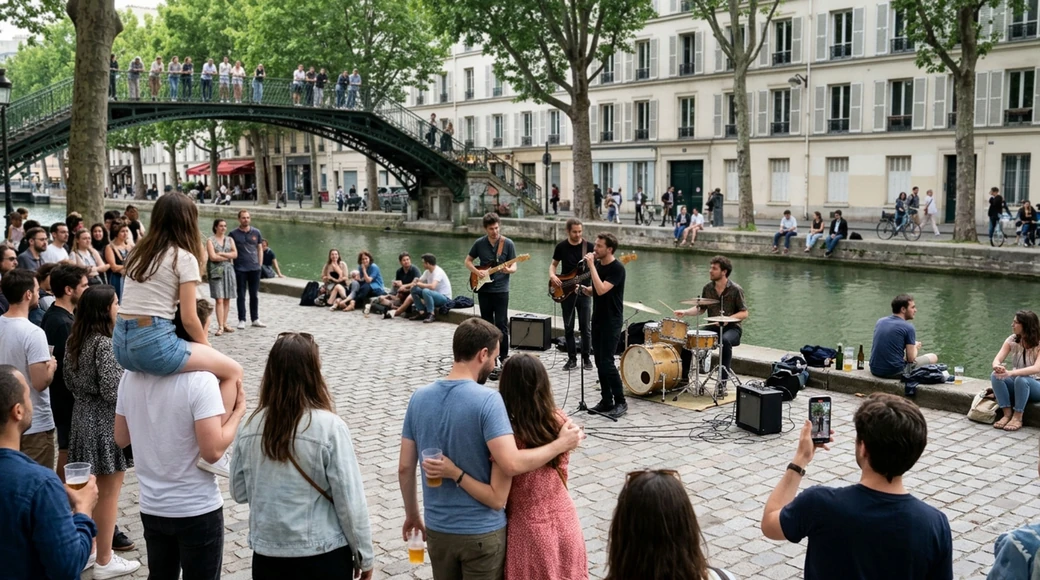
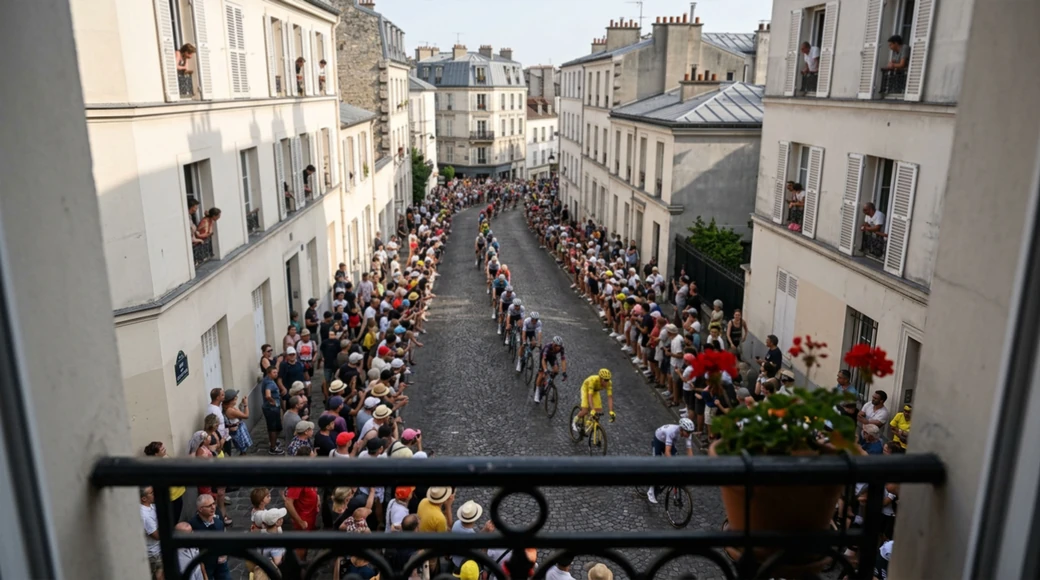
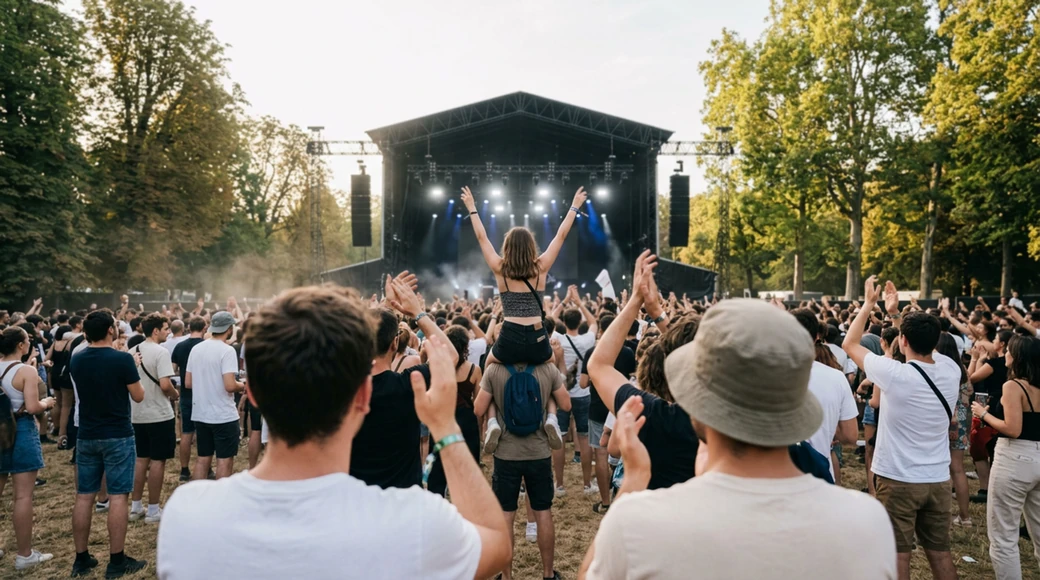
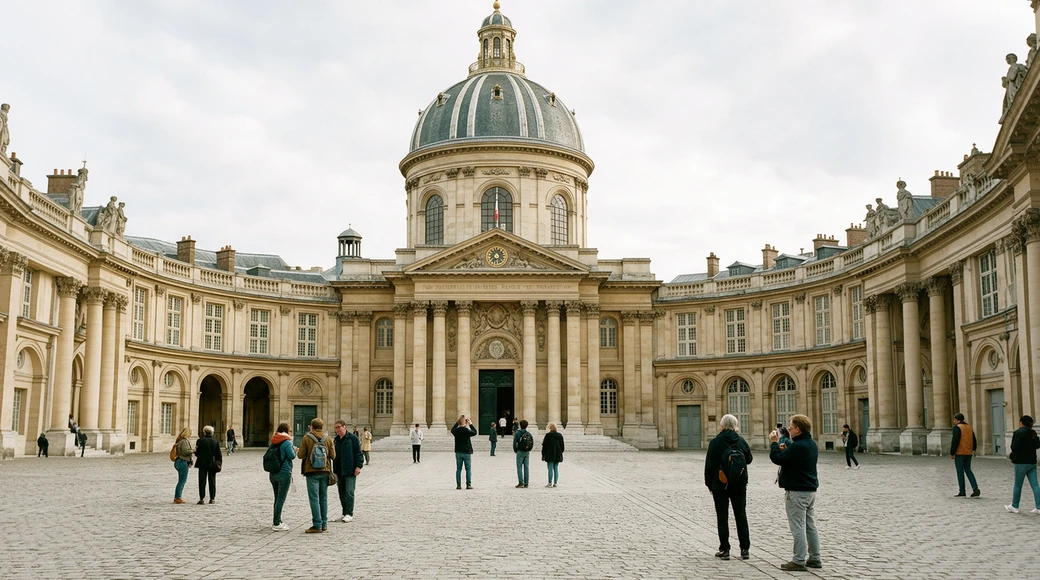
Paris's identity is built as much on its calendar of festivals and public celebrations as on its museums and monuments. The city has repeatedly set the template for events that the rest of the world later adopted: the Fête de la Musique, a free, citywide day of music invented in Paris in 1982, is now celebrated in more than 120 countries, while Nuit Blanche, the all-night contemporary art event the city launched in 2002, inspired similar white nights from Montreal to Melbourne. Paris does not just host festivals, it exports them.
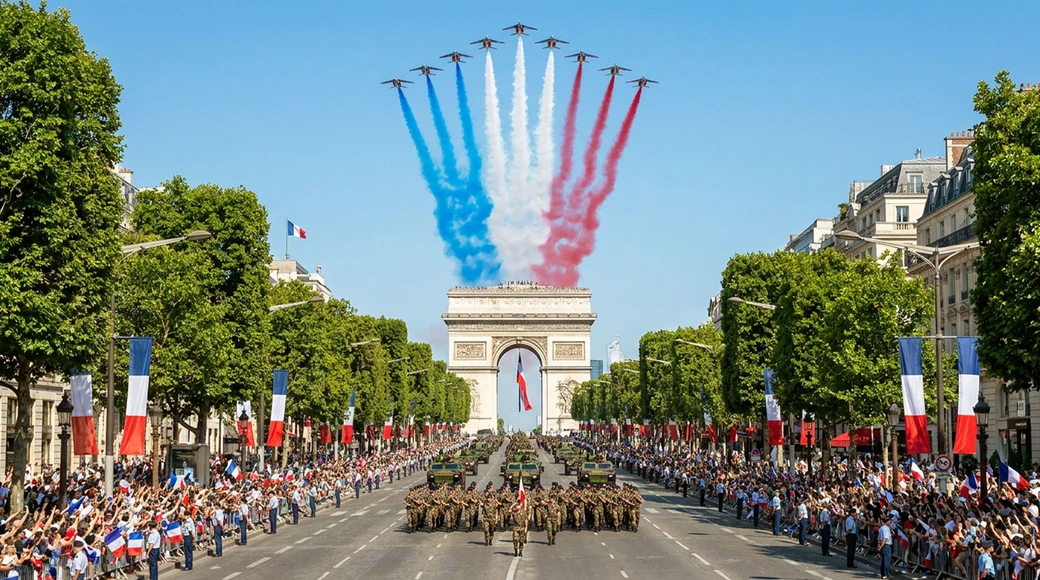
This festival calendar also plays an economic role, drawing visitors and locals out beyond the traditional summer season and supporting hotels, restaurants and cultural venues throughout the year. Some of Paris's events are also records in their own right: the Bastille Day military parade down the Champs-Elysees has been held almost every year since 1880, making it the oldest and largest regular military parade in Europe, while Paris Fashion Week, the birthplace of haute couture, closes the global Big Four fashion calendar each season, after New York, London and Milan.
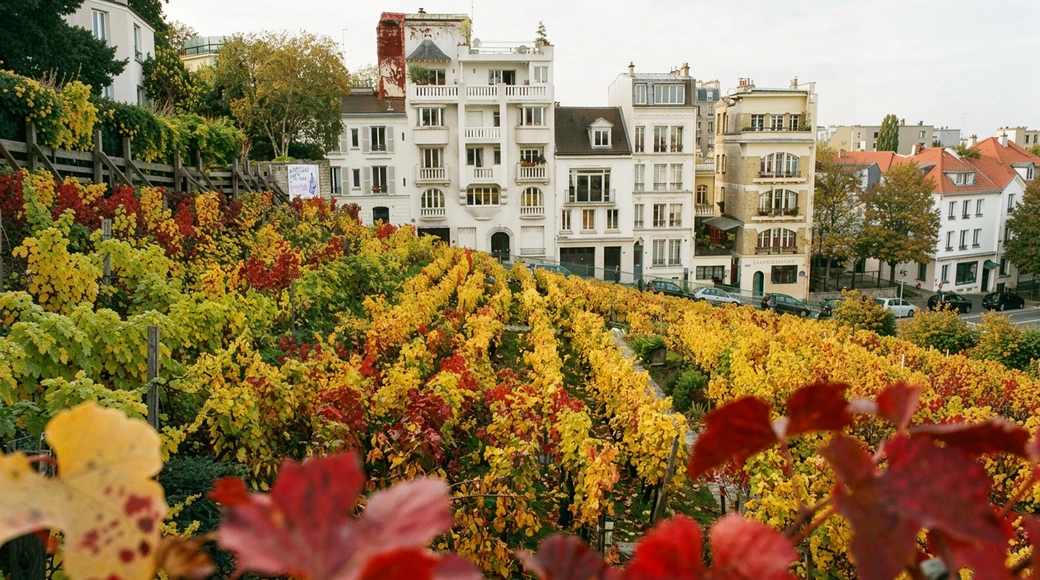
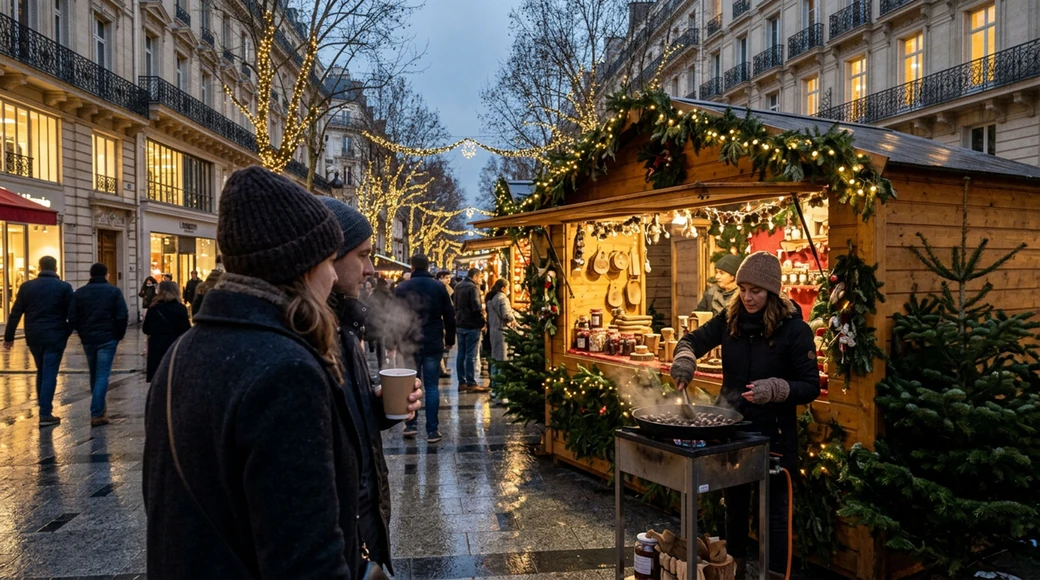
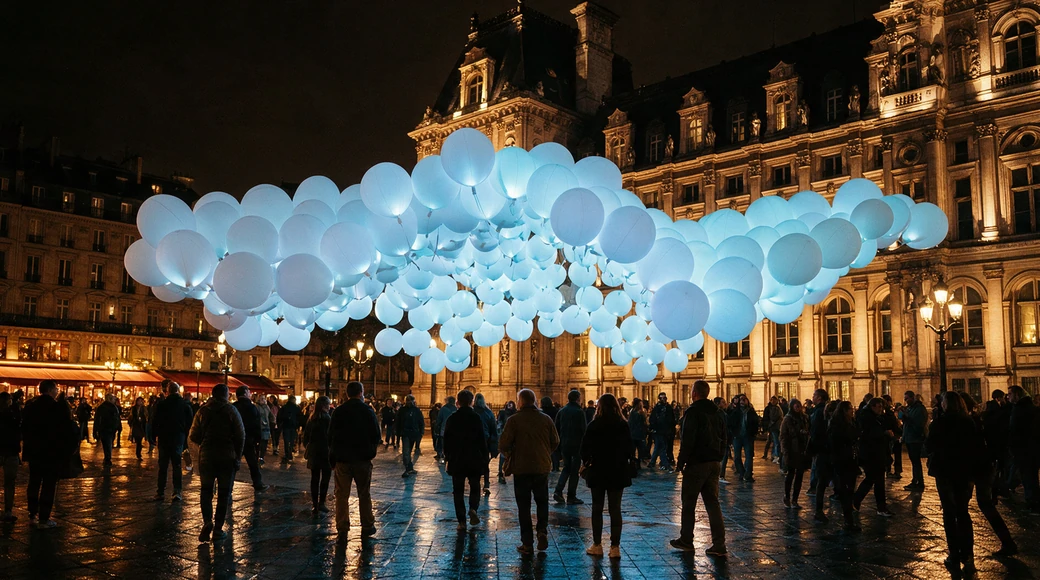
Beyond these headline moments, Paris keeps a rich mix of recurring traditions: Nuit Blanche turning museums and public buildings into an all-night open-air gallery, Paris Plages transforming the riverbanks into urban beaches each summer, Christmas markets and illuminations lighting up the streets in winter, and neighborhood fetes such as the grape harvest on the hill of Montmartre. Browse the festivals and events below to see what's happening during your visit.
Paris honours its patron saint, Geneviève, at the church of Saint-Étienne-du-Mont on the Montagne Sainte-Geneviève, right beside the Panthéon. The feast opens a novena (nine days of prayer), with daily Masses followed by veneration of her relics, kept in an ornate gilded shrine. On the Sunday of the novena, the shrine is carried in procession and the city receives a solemn blessing. According to tradition, Geneviève's prayers turned Attila's army away from Paris in 451. The church's Renaissance rood screen, the only one still standing in Paris, makes the visit doubly rewarding. Pilgrims are welcomed throughout the nine days in the heart of the Latin Quarter.
Epiphany opens the galette des rois (kings' cake) season, when Paris bakeries fill their windows with golden puff-pastry cakes, usually layered with frangipane (almond cream). Each galette hides a fève (a tiny porcelain charm), and whoever finds it in their slice becomes king or queen for the day and wears the paper crown sold with the cake. By custom, the youngest person present slips under the table and calls out who receives each piece, keeping the draw fair. Many families celebrate on the Sunday closest to Epiphany, and bakeries keep the galettes coming for weeks; some charms become prized collectors' items. The giant galette presented to the Élysée Palace each year is traditionally baked without a fève.
Paris Fashion Week Menswear unveils the autumn-winter collections for the coming season, bringing dozens of houses, from heritage names to young independent labels, to venues all over the city. The official calendar is drawn up by the Fédération de la Haute Couture et de la Mode (FHCM), whose roots reach back to 1868. Shows and presentations are by invitation only, reserved for press, buyers and industry guests, yet the energy spills onto the streets: onlookers gather outside venues to watch the arrivals, street-style photographers line the pavements, and many houses stream their shows live online. Concept stores in the Marais and Saint-Germain stay busy with launches and special events all week, making it a lively time to feel the city's fashion pulse.
Haute Couture Week presents the spring-summer haute couture collections, the most exclusive tier of fashion. In France, haute couture (made-to-measure luxury dressmaking) is a legally protected designation granted only to houses that meet strict criteria, including Paris workshops and garments crafted largely by hand for private clients. Over four days, official members, correspondent members and guest designers stage shows in grand settings such as palaces, museums and historic mansions, following the calendar set by the Fédération de la Haute Couture et de la Mode. The shows are by invitation, but the city shares the moment through livestreams, fine-jewellery presentations around Place Vendôme and crowds of onlookers gathering outside to glimpse the arrivals.
Forty days after Christmas, Paris celebrates the Chandeleur (Candlemas), the day of crêpes. The name comes from the candles once carried in church processions, and the round, golden crêpe is often seen as a symbol of the returning sun. Families whisk up batter at home, while crêperies, many of them clustered around Montparnasse, serve sweet crêpes and buckwheat galettes all day. A popular custom says that whoever flips the first crêpe while holding a coin in the other hand will enjoy prosperity all year. According to legend, the habit of sharing crêpes dates back to a fifth-century pope who offered them to pilgrims arriving in Rome. Bakeries and markets stock up on toppings from sugar and lemon to chocolate.
The Six Nations Championship is rugby union's oldest international tournament, with roots going back to 1883 and its current six-team format since 2000. Each year, France, England, Ireland, Scotland, Wales and Italy play one another once, and the French national team, the XV de France, hosts its home matches at the Stade de France in Saint-Denis, just north of Paris. France welcomes three opponents in even-numbered years and two in odd-numbered years. Match days are a celebration: supporters in blue sing La Marseillaise, bars across the city screen every game and visiting fans bring their songs to the streets. The stadium is easy to reach on RER B and D or metro line 13, and the area fills with a festive crowd hours before kick-off.
Paris Fashion Week Womenswear presents the autumn-winter ready-to-wear collections and closes the international fashion month that begins in New York, London and Milan. It is the largest of the Paris fashion weeks, with more than a hundred shows and presentations from celebrated houses and emerging designers, scheduled by the Fédération de la Haute Couture et de la Mode. Shows unfold in landmarks, museums, gardens and industrial spaces across the city and are reserved for press, buyers and invited guests. For everyone else, the week brings livestreamed shows, buzzing crowds outside venues, street-style spotting and window displays that turn rue du Faubourg Saint-Honoré and the Marais into open-air showcases.
Twice a year, the Foire de Chatou fills the Île des Impressionnistes, an island in the Seine just west of Paris, with hundreds of antique dealers and secondhand traders for ten days. Officially called the Foire nationale à la brocante et aux jambons (national antiques and ham fair), it descends from a centuries-old Paris market where hams were sold alongside scrap iron, and cured ham is still served at its open-air food stands. Visitors browse period furniture, paintings, silverware, vintage posters and curiosities, and friendly bargaining is part of the fun. The fair is a short RER A ride from central Paris, right beside the riverside spots painted by Renoir and Monet.
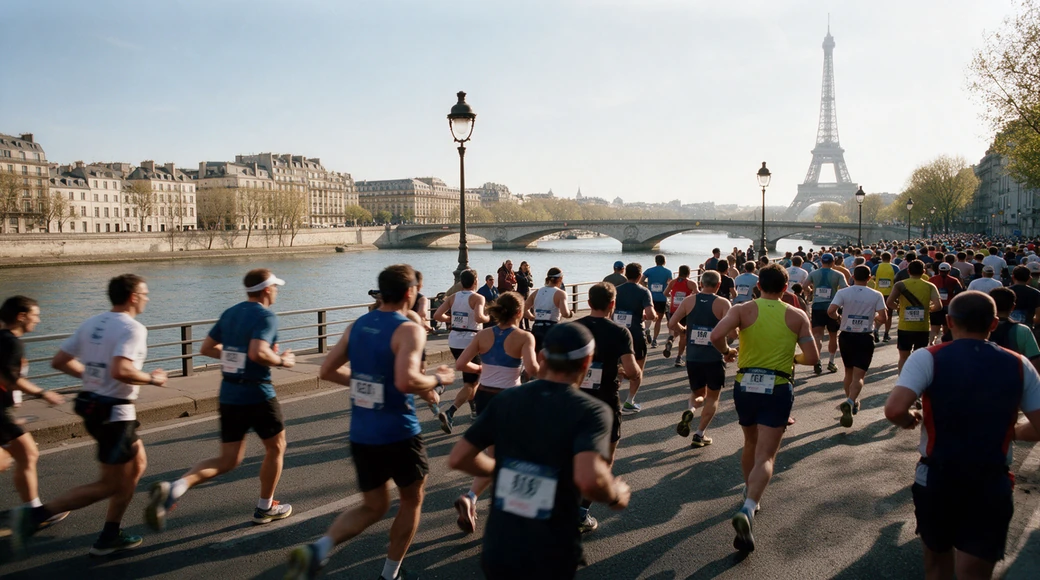
The Paris Half Marathon brings tens of thousands of runners onto the city's streets, making it one of the largest half marathons in the world. Its fast, mostly flat 21.1 km course has traditionally explored eastern Paris, with stretches along the Seine, past the Jardin des Plantes and through the leafy avenues of the Bois de Vincennes, and the exact route is published ahead of each edition. Many runners treat it as a dress rehearsal for the Paris Marathon a few weeks later. Spectators line the course with music and cheering points, and the morning offers a rare chance to see the capital's boulevards free of traffic.
Created in 1999, the Printemps des Poètes is France's national poetry festival, running for several weeks in spring around a theme that changes every year. In Paris, libraries, bookshops, theatres, cafés, schools and cultural centres host readings, slam sessions, writing workshops, concerts and exhibitions, while poems appear on posters and screens around the city. Many events invite the public to recite or write verse themselves, from open-mic evenings to poetry walks. Many activities are open to all, making it an easy way for visitors to discover the musicality of French poetry, from classic authors to young contemporary voices. The festival also reaches far beyond France, with thousands of events held in dozens of countries each year.
Saut Hermès is an international show-jumping competition held each spring under the glass roof of the Grand Palais, rated CSI 5*, the highest level of the sport. Created by the house of Hermès in 2010, it draws on a saddlery heritage dating back to 1837, and the obstacles are designed to echo the brand's craftsmanship and imagery. Over three days, the world's leading riders compete in a series of classes, culminating in the demanding Grand Prix Hermès on Sunday afternoon, while the Talents Hermès classes showcase riders under 25. The nave, which already hosted horse shows in the early twentieth century, also welcomes an evening session, an equestrian bookshop and displays celebrating horse culture.
The Foire du Trône is France's largest funfair, opening each spring for about two months on the Pelouse de Reuilly at the edge of the Bois de Vincennes. Tradition traces it back to a gingerbread fair of 957, and its name recalls the former Place du Trône (today's Place de la Nation), where it was held for more than a century before moving to its current site in 1964. More than 200 attractions spread across some ten hectares, from roller coasters and a big wheel to bumper cars, ghost trains and stalls selling candy floss, churros and nougat. The fair opens daily from noon, and fireworks light up the sky on special evenings.
Easter is one of the high points of the Christian year in Paris. Notre-Dame, Saint-Sulpice, Sacré-Cœur, La Madeleine and parish churches across the city celebrate Holy Week, from the Easter Vigil on Saturday night to festive Sunday Masses filled with organ music and choirs. According to a charming local tradition, the church bells fly to Rome after Holy Thursday and return on Easter morning, scattering chocolate eggs in gardens, so children hunt for treats in parks and courtyards. Chocolatiers and pâtissiers compete with spectacular window displays of eggs, bells, hens and little fish. Easter Monday is a public holiday, giving Parisians a long weekend; many museums and shops stay open, while some businesses take a break.
Founded in 1999, Art Paris opens the spring art season at the Grand Palais, where more than 150 galleries from France and abroad fill the vast nave beneath its glass roof. The fair spans modern and contemporary art, from painting and sculpture to drawing, photography and design, and stands out for its focus on discovery: curated thematic itineraries guide visitors through the aisles, while the Promesses sector spotlights young galleries and emerging artists. It is known as one of the more approachable major fairs, welcoming seasoned collectors and curious newcomers alike, with talks and guided tours throughout. Works are for sale, but simply wandering through the stands offers a lively snapshot of today's art scene in one of the city's most spectacular buildings.
The Festival du Livre de Paris is the capital's major public book festival, held beneath the glass roof of the Grand Palais. It took over from the historic Salon du Livre in 2022 and brings together publishers, booksellers and authors across every genre, from literature and essays to comics, manga, children's books and cookery. Visitors attend talks and debates, discover new releases and meet writers and illustrators at signing sessions, with a country, region or theme in the spotlight each year. Families enjoy a dedicated youth area with readings, games and workshops. Popular signings can draw long queues, so it pays to check the programme in advance and plan your visit around the authors you most want to meet.
Comic Con Paris is a weekend-long pop culture convention held each spring at the Paris Nord Villepinte exhibition centre. Fans of comics, manga, film, series and video games come to meet actors, voice artists, illustrators and writers at autograph and photo sessions, panels and live shows. The Artist Alley gives independent creators space to sell prints and original art, while exhibitors offer collectibles, figures and exclusive merchandise. Cosplay is a highlight, with costumed visitors everywhere and contests on the main stage, and gaming areas let visitors try new releases and watch tournaments. Guests are announced in the months before the event, and the venue is easy to reach on RER B, with its own station at the exhibition centre.
Labour Day is a public holiday in France, and Paris greets it with a charming tradition: offering a sprig of muguet (lily of the valley) to friends and family as a lucky charm for the year ahead. Florists and street sellers set up on corners across the city, and on this day individuals are traditionally tolerated selling lily of the valley without a permit. According to legend, the custom began in 1561, when King Charles IX received a sprig and decided to offer one each spring to the ladies of his court. Union marches also cross the city. As this is the one public holiday that is a day off by law, many museums and shops close, making it a lovely day for parks, gardens and the lively Foire du Trône.
Around the feast of Saint Honoré, patron saint of bakers, the Fête du Pain turns the forecourt of Notre-Dame into France's largest open-air bakery. Created in 1996, this national celebration of artisan baking sets up a vast marquee where dozens of bakers knead, shape and bake in front of the public, with tastings, demonstrations and hands-on workshops for children. The festival also hosts prestigious competitions, from the best traditional baguette to the best croissant, honouring a craft whose baguette know-how was added to UNESCO's intangible heritage list in 2022. The scent of warm bread right in front of the cathedral makes for an unforgettable visit.
Created in 2015 as the Paris edition of the Taste Festivals born in London, Taste of Paris turns the nave of the Grand Palais into a giant gourmet playground for four days each spring. Dozens of starred chefs and rising talents set up pop-up restaurants serving signature dishes in tasting portions, letting visitors compose their own menu as they stroll from counter to counter beneath the glass roof. Masterclasses, live cooking demonstrations and meetings with chefs add to the experience, while a market of artisans and producers offers fine products to take home. Organised into lunchtime and evening sessions, with music and bars adding a festive mood, it is an accessible way to sample the city's fine-dining scene.
Each spring, for a long weekend, more than a hundred painters, sculptors, photographers, engravers and designers open their studios to the public across Belleville, one of Paris's most creative neighbourhoods. Organised by the Ateliers d'Artistes de Belleville association, the Portes Ouvertes (open doors) invite visitors to wander the hilly streets with a map, step into workshops tucked behind courtyards and cobbled passages, and chat with artists about their techniques and inspirations. Works can be bought directly from their creators, but browsing is just as welcome. Between visits, the Parc de Belleville offers one of the finest panoramic views of Paris, and the area's vibrant street art adds even more colour to the walk.
We Love Green is a music festival held in the Bois de Vincennes, combining an international line-up with a strong commitment to ecology. Over a weekend, pop, hip-hop, electronic and indie artists perform on stages set among the trees, while the site runs largely on renewable energy, champions waste reduction and offers a wide choice of vegetarian and local food. Beyond the concerts, the festival hosts a Think Tank of talks and debates on environmental and social issues, art installations and activities for younger festival-goers. Its relaxed, leafy setting gives it the feel of a giant park party at the edge of the city. The site is a walk away from Château de Vincennes, the terminus of metro line 1.
Rendez-vous aux Jardins, organised by the Ministry of Culture since 2003, opens thousands of public and private gardens across France and Europe. In Paris, visitors can explore historic parks, botanical gardens, community gardens, rooftop plots and hidden courtyards, some of them rarely open to the public, with guided tours, talks by gardeners, workshops and concerts. Each edition follows a national theme highlighting heritage, biodiversity or garden design. Each garden sets its own access rules, so it is worth checking the programme before setting out. It is a perfect occasion to discover the green side of the capital, from formal French gardens to secret oases tucked behind apartment buildings and the gardens of ministries.
Each summer, the Orangerie of the Parc de Bagatelle in the Bois de Boulogne hosts the Festival Chopin à Paris, a series of piano recitals dedicated to Frédéric Chopin, the composer who made Paris his home from 1831 until his death in 1849. Renowned pianists and young laureates of international competitions perform his nocturnes, mazurkas, polonaises and ballades, alongside works by composers who inspired or followed him, in an intimate hall opening onto the gardens. Some evening concerts take place by candlelight, creating a magical atmosphere, and arriving early allows a stroll through Bagatelle's rose garden, in full bloom at this time of year. It is a delightful way to combine music, nature and Parisian romanticism.
On summer weekends, the Paris Jazz Festival brings open-air concerts to the Parc Floral, a botanical garden within the Bois de Vincennes. Since its creation in the 1990s, it has welcomed jazz greats and rising talents in every style, from swing and bebop to fusion, Latin and world-influenced jazz, performing on a stage surrounded by lawns, flowerbeds and tall trees. Concerts take place right in the park's gardens, so families bring picnics and settle on the grass while children explore the nearby playgrounds. The relaxed, green atmosphere makes it one of the most pleasant ways to spend a summer afternoon in Paris. The park is a short walk from Château de Vincennes, the terminus of metro line 1.
Founded in 1909, the Paris Air Show at Le Bourget is the world's oldest aerospace exhibition and one of the largest, held every two years in odd-numbered years. Aircraft manufacturers, space agencies and equipment makers from around the globe present their latest innovations, and major airline orders are often announced here. The first days are reserved for professionals, while the final days, over the weekend, open to the public, who can admire aircraft on static display and spectacular flying demonstrations, including the aerobatic team of the Patrouille de France. Right next door, the Musée de l'Air et de l'Espace completes the visit with its historic collection. Le Bourget is reached by RER B or metro line 7 followed by a bus.
Paris Fashion Week Menswear presents the spring-summer collections for the following year, gathering dozens of houses, from heritage names to young independent labels, in venues all over the city. The official calendar is set by the Fédération de la Haute Couture et de la Mode, and early summer gives the shows a special flavour, with presentations staged in gardens, courtyards and on rooftops as well as in museums and grand halls. Shows are by invitation, but onlookers gather outside to watch arrivals and street style, many houses livestream their collections, and boutiques in the Marais and Saint-Germain host launches and events. About a week later, the city's fashion season continues with Haute Couture Week.
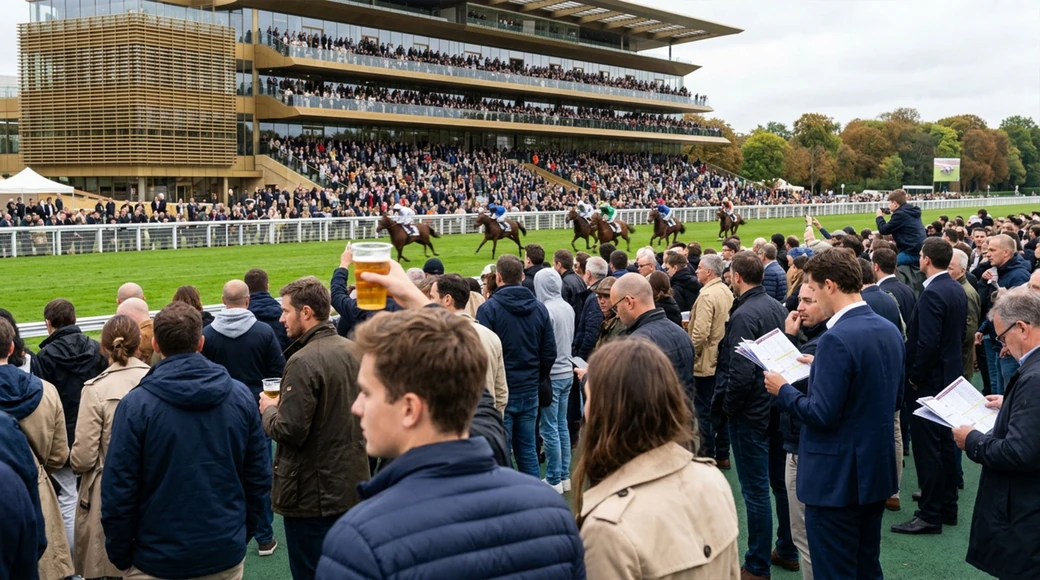
Solidays is one of France's biggest music festivals, held at the Hippodrome ParisLongchamp on the edge of the Bois de Boulogne. Created in 1999 by the association Solidarité Sida, it combines three days of concerts across several stages, featuring rap, pop, electro and rock stars as well as rising talents, with a strong commitment to HIV prevention and support for people living with the virus. Alongside the music, festival-goers find information villages, debates and prevention stands run by volunteers, giving the event its warm, solidarity-driven spirit. Proceeds help fund prevention and aid programmes in France and abroad. Camping is available on site, and shuttles usually link the festival to metro line 1 at Porte Maillot.
Community, Lifestyle & Social Responsibility Events
The Fête des Tuileries brings a traditional funfair to the Jardin des Tuileries, between the Louvre and Place de la Concorde, for much of the summer. Dozens of attractions line the garden's terrace along rue de Rivoli, from thrill rides, bumper cars and a ghost train to carousels for little ones, games of skill and stalls selling candy floss, crêpes, churros and nougat. The giant Ferris wheel is the star, offering spectacular views over the Louvre, the Seine, the Eiffel Tower and the Champs-Élysées, especially at sunset. The fair stays open late into the evening, making it a lively summer night out in the very heart of Paris.
Community, Lifestyle & Social Responsibility Events
Since 2002, Paris Plages has brought a taste of the seaside to the heart of the capital each summer. Along the banks of the Seine and around the Bassin de la Villette, the city installs sand, palm trees, deckchairs, parasols and misting fountains, alongside activities such as dance and fitness classes, games, reading corners, concerts and water sports. At the Bassin de la Villette, supervised open-air pools invite visitors to take a dip, and in recent summers the Seine itself has welcomed swimmers at designated bathing spots. Paris Plages is a favourite summer escape for Parisians and visitors alike, with lively days and long, golden evenings by the water.
Each year, the Carnaval Tropical de Paris fills the Champs-Élysées with the rhythms, colours and costumes of the Caribbean, French Guiana, Réunion, Latin America and beyond. Organised by the City of Paris with the Fédération du Carnaval Tropical de Paris, the parade brings together thousands of dancers and musicians, along with floats, drum bands and dazzling feathered and sequinned costumes. Starting around midday near Place de la Concorde, the procession moves up the avenue and back down towards the Grand Palais and the Petit Palais, where groups perform in front of a jury. Each edition follows a theme, and the atmosphere is joyful and family-friendly. Arrive early for a front-row spot along the barriers.
Haute Couture Week unveils the autumn-winter collections of haute couture (made-to-measure luxury dressmaking, largely by hand), the most prestigious tier of fashion. Only houses meeting strict criteria set out in French law may use the protected designation, and their Paris workshops spend hundreds of hours on a single gown, from embroidery and feathers to pleating and lace. Over four days, official members, correspondent members and guest designers present their work in grand settings such as palaces, museums and private mansions, following the calendar of the Fédération de la Haute Couture et de la Mode. The shows are by invitation, but summer evenings bring crowds to the doors, and many collections can be watched live online.
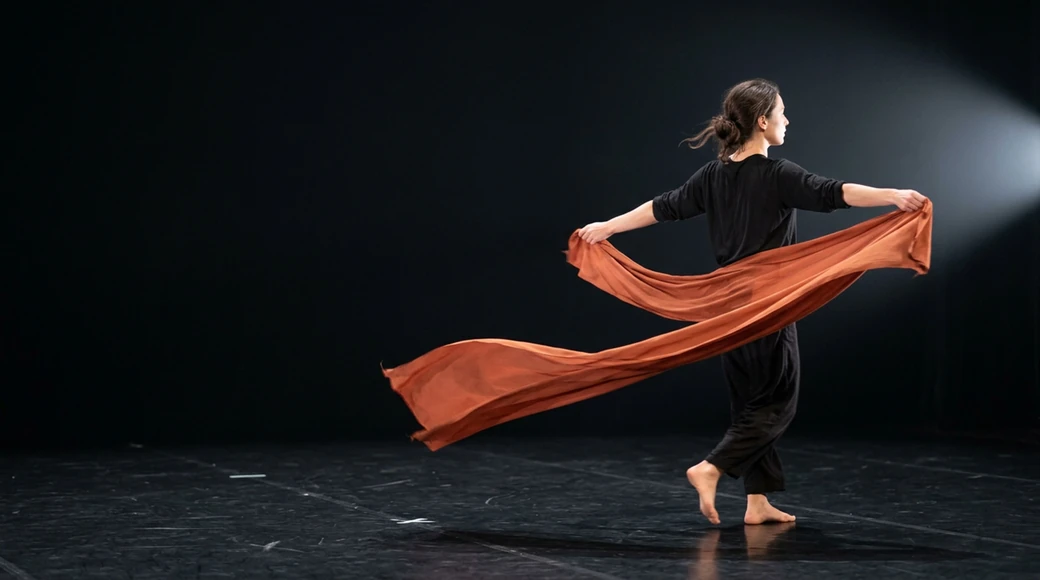
Founded in 1990 as Paris Quartier d'Été, Paris l'Été is a summer festival of performing arts held for about three weeks. Dance, circus, theatre, music and hybrid performances take place in surprising settings across Paris and the Île-de-France region, from the courtyards of historic buildings and schools to parks, gardens and theatres. The programme favours international artists and site-specific creations, many of them designed to be enjoyed outdoors on warm summer evenings. A good share of the performances are open-air, making it an easy way to discover contemporary creation while exploring lesser-known corners of the city during the quieter summer weeks.
Japan Expo is Europe's leading event dedicated to Japanese culture, held at the Paris Nord Villepinte exhibition centre. Born in 1999 as a small gathering of enthusiasts, it now welcomes well over 200,000 visitors over four days, making it one of the most attended fairs in France. Manga artists, anime directors, voice actors and J-pop and J-rock musicians meet their fans through signings, panels and concerts, while vast halls are devoted to manga, video games, figures and fashion. Traditional culture also has its place, with martial arts demonstrations, tea ceremonies, calligraphy and Japanese food. The cosplay contests are a highlight, and the venue has its own RER B station.
Around the national holiday, many Paris fire stations open their courtyards to the public for the Bal des Pompiers (firefighters' ball), one of the most joyful traditions of the celebrations. Under strings of lights, DJs and bands play everything from French classics to the latest hits, while firefighters run the bar and welcome dancers of all ages until late into the night. According to tradition, the first ball took place in 1937 in a Montmartre fire station. Proceeds support the firefighters' charitable associations. Popular stations draw long queues, so arriving early in the evening is wise, and each station sets its own programme and opening hours.
Every summer since 1990, the Cinéma en plein air (open-air cinema) of the Parc de la Villette has turned the vast Prairie du Triangle lawn into a giant outdoor movie theatre. For several weeks, films are projected on a huge inflatable screen at nightfall, following a different theme each year and mixing timeless classics, cult favourites and more recent titles, usually in their original version with French subtitles. Spectators bring blankets and picnics and settle on the grass, while deckchairs can also be hired on site. Arriving early on popular evenings secures a good spot, and the park's canal-side cafés make it easy to enjoy dinner before the film begins.
Lollapalooza Paris is the French edition of the festival founded in 1991 by Perry Farrell, singer of Jane's Addiction, and has taken over the Hippodrome ParisLongchamp for a summer weekend since 2017. Over several stages set on the vast racecourse lawns at the edge of the Bois de Boulogne, international headliners share the bill with French stars and rising acts across pop, rap, rock and electronic music. Beyond the concerts, festival-goers find art installations, food courts featuring Parisian chefs and street-food vendors, relaxation areas and a programme for families. The festival typically runs from mid-afternoon until late evening, and the site is reached via metro line 10 or dedicated shuttles.
Paris Saint-Germain, founded in 1970, plays its home matches at the Parc des Princes, a striking concrete stadium opened in 1972 on the edge of the 16th arrondissement, close to the Bois de Boulogne. Throughout the football season, the club welcomes rivals in Ligue 1, the French championship, as well as in cup competitions and European nights in the UEFA Champions League, when the atmosphere is at its most spectacular. Led by the singing supporters behind the goals, the crowd creates an electric ambience, and the steep stands bring fans close to the pitch. Tickets sell quickly and are best bought through the club's official channels. On non-match days, stadium tours let visitors explore the dressing rooms and pitchside.
Since 2002, Jazz à la Villette has opened the new cultural season at the end of summer in the Parc de la Villette in the 19th arrondissement. Co-organised by the Philharmonie de Paris and La Villette, the festival covers the full spectrum of jazz and its neighbours, from great improvisers and big bands to soul, funk, Afro-jazz, hip-hop and electronic crossovers, with one-off collaborations that have become a hallmark of the programme. Concerts take place in the park's venues, including the Philharmonie and the Grande Halle, alongside outdoor sets and family events. Tickets are sold concert by concert, and the canal-side terraces of the park are ideal for a drink before the show.
Launched in 2011 alongside Maison&Objet, Paris Design Week turns the city into a vast design trail for around ten days. Galleries, showrooms, concept stores, design schools and cultural venues in neighbourhoods such as the Marais, Saint-Germain-des-Prés and the Bastille area host exhibitions, installations, product launches and talks, while a dedicated programme highlights young designers. Most events are open to all, so visitors can wander from one address to another, discovering furniture, lighting, objects and interior design, from established brands to emerging studios. Many venues hold special evening openings, and a map of participating addresses makes it easy to plan a route through the city's creative districts.
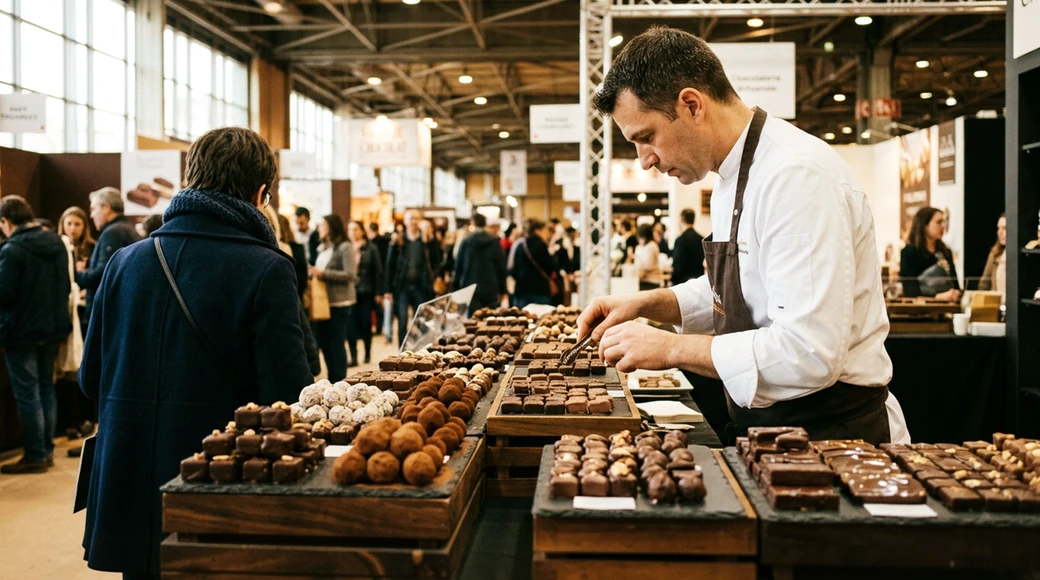
Created in 2011 by the French government, the Fête de la Gastronomie, now presented as Goût de France, celebrates French cuisine and the people who produce it each year. In Paris and across the country, restaurants, chefs, markets, bakeries, wine merchants and cooking schools join in with special menus, tastings, workshops, demonstrations and meetings with farmers and artisans. The celebration echoes the gastronomic meal of the French, inscribed on UNESCO's intangible heritage list in 2010, and highlights seasonal, local and sustainable products. Programmes vary from year to year, and many activities are open to everyone, making it a delicious occasion to taste your way through the city's food culture.
Created in 1998, the Techno Parade is a large celebration of electronic music that winds through the streets of Paris each year. Organised by the Technopol association, it brings together floats carrying sound systems, DJs and collectives representing every style of electronic music, from house and techno to drum and bass and hardcore, followed by crowds of dancers in a joyful, colourful atmosphere. The route changes from year to year and usually ends at a large square with a final party. The parade is part of a wider week of events celebrating electronic culture, with club nights, talks and exhibitions across the city. Participation is open to everyone.
The Foire de Chatou returns to the Île des Impressionnistes on the Seine for the second edition of its year. Hundreds of antique dealers and secondhand traders gather for ten days, offering period furniture, paintings, silverware, jewellery, vintage toys and decorative objects, while experts are on hand to authenticate pieces for buyers. Officially the Foire nationale à la brocante et aux jambons (national antiques and ham fair), it keeps its gourmet tradition alive with open-air stands serving ham, oysters and regional specialities. The soft autumn light on the river adds charm to a visit close to the spots painted by Renoir, and Chatou is just a short RER A ride from central Paris.
Founded in 2004 by the Paris spirits merchant La Maison du Whisky, Whisky Live Paris has become one of Europe's largest whisky and spirits tasting events, held each autumn at the Grande Halle de la Villette. Over three days, more than 300 distilleries and brands from Scotland, Japan, the United States, France and many other countries offer tastings, alongside themed areas dedicated to rum, sake, gin and agave spirits, masterclasses with master blenders and limited bottlings unveiled for the occasion. The first two days are open to the public, while the last is reserved for trade professionals. Entry is strictly limited to adults aged 18 and over, and tasting in moderation is part of the experience.
Paris Fashion Week presents the women's ready-to-wear collections for the following spring and summer, one of the most closely watched editions of the fashion calendar. For nine days, around a hundred shows and presentations by legendary houses and emerging designers follow one another in museums, palaces, gardens and unexpected venues across the city, according to the official calendar of the Fédération de la Haute Couture et de la Mode. Shows are reserved for invited press, buyers and guests, but the whole city buzzes with energy: crowds gather outside to watch arrivals and street style, many collections are livestreamed, and boutiques host events and special window displays.
The Catholic Church honours Saint Denis, first bishop of Paris and a patron saint of France, martyred in the 3rd century. According to legend, after being beheaded on the hill of Montmartre, he picked up his head and walked several kilometres north, to the place where the basilica now stands. The Basilica-Cathedral of Saint-Denis, rebuilt by Abbot Suger in the 12th century and often described as the first great Gothic building, marks the feast with solemn celebrations. It is also the royal necropolis of France, where visitors can admire more than seventy recumbent effigies and tombs of kings and queens. Metro line 13 serves the Basilique de Saint-Denis station nearby.
Launched in 2022 and held under the glass roof of the restored Grand Palais since 2024, Art Basel Paris gathers more than 200 leading galleries from around the world, confirming Paris as one of the major capitals of the international art market. The fair presents modern and contemporary art, from 20th-century masters to the most current creation, with dedicated sectors for emerging galleries and focused historical presentations. During fair week, a public programme extends beyond the Grand Palais with installations and events in iconic places, from Avenue Winston-Churchill and the Petit Palais to other Parisian institutions. Tickets are sold online by time slot, and galleries and museums across the city schedule major openings at the same time.
Launched in 2010 by the French video game publishers' association, Paris Games Week has become France's biggest gaming event, held each year during the autumn school holidays at Paris Expo Porte de Versailles. Over four days, publishers and hardware makers let visitors try upcoming titles before their release, while esports tournaments, live shows with content creators and cosplay contests fill the stages. Dedicated areas celebrate French studios, retrogaming, manga and pop culture, and a campus zone introduces careers in the games industry. Families are welcome, with spaces adapted to younger players. Queues for the most anticipated demos can be long, so arriving at opening time is recommended. Metro line 12 stops right at the venue.
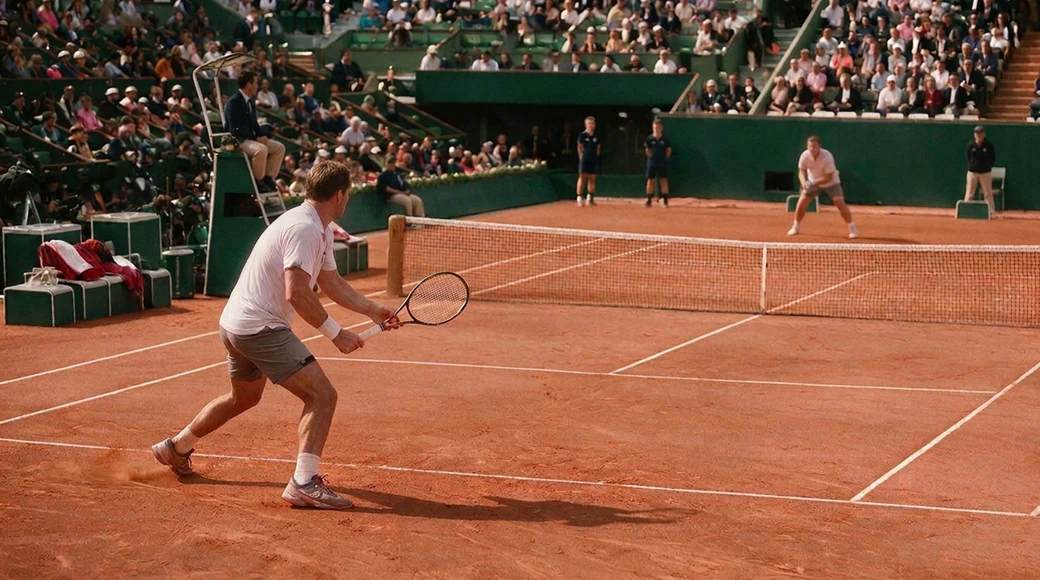
Launched in 1968 as the Paris Open, the Rolex Paris Masters is the last ATP Masters 1000 tournament of the season. After decades at Bercy, it moved in 2025 to Paris La Défense Arena, now known as Plenitude Arena, the largest indoor arena in Europe, which can host several competition courts under one roof. Over nine days, the world's best players battle for one of the most coveted titles of the indoor season, often with places at the season-ending finals at stake. The atmosphere is spectacular, with light shows and dramatic player entrances, and the qualifying days offer a chance to watch top tennis up close. RER A and metro line 1 serve La Défense.
Diwali, the Hindu festival of lights, celebrates the victory of light over darkness and of good over evil, and follows the lunar calendar. In Paris, the festive heart is the area around La Chapelle and the Faubourg Saint-Denis, on the border of the 10th and 18th arrondissements, where shops overflow with diyas (small oil lamps), garlands, colourful powders for rangoli (decorative floor patterns), sweets and festive clothes. Temples hold special pujas (prayer rituals), families exchange gifts and sweets, and the streets glow with decorative lights. Neighbourhood restaurants serve festive menus, and community celebrations may include music and dance. Visitors are welcome to stroll, taste sweets and admire the lights, while respecting places of worship.
Paris Photo is the leading international art fair dedicated to photography, held beneath the glass roof of the Grand Palais. More than 200 galleries and publishers from over thirty countries present works spanning the whole history of the medium, from 19th-century prints and modernist masters to contemporary artists and digital creations. Dedicated sectors highlight emerging talent, while the publishers' section makes the fair a paradise for photobook lovers, with signings by renowned photographers throughout the week. Talks and awards complete the programme, and during fair week many galleries and museums across Paris schedule photography exhibitions of their own. Tickets are sold online, and weekday afternoons are generally less crowded than weekends.
A date fixed by regulation in 1985 sets the release of the year's Beaujolais nouveau (the first wine of the new harvest), and Paris raises a glass. Made mainly from Gamay grapes in the Beaujolais vineyards and bottled just weeks after the harvest, this light, fruity red is meant to be enjoyed young. From the evening before, bistros, wine bars and wine shops across the city prepare tastings and festive menus, often pairing the wine with charcuterie, cheese and hearty dishes, and many celebrate with live music and decorations. It is a convivial, unpretentious occasion to share with friends, and a pleasant way to discover the warmth of Parisian café culture as autumn sets in.
In winter, temporary ice rinks pop up in and around Paris, adding a festive touch to the season. Set up in squares, parks, shopping centres and occasionally inside prestigious monuments, they welcome families, couples and groups of friends for skating sessions in the open air or beneath spectacular roofs, often with music, lights and stalls selling hot drinks, crêpes and roasted chestnuts. Skate rental is usually available on site, along with skating aids for young children and beginners. Locations change from year to year and are announced as winter approaches. Gloves are recommended, and weekday mornings are usually the quietest time to glide.
Hanukkah, the Jewish Festival of Lights, commemorates the rededication of the Temple of Jerusalem in the 2nd century BC and, according to tradition, the miracle of a small jar of oil that burned for eight days. Over eight evenings, one more candle is lit each night on the hanukkiah (nine-branched candelabrum). In Paris, the historic Jewish quarter of the Marais, around Rue des Rosiers, is a warm place to feel the festive spirit: bakeries and delicatessens offer sufganiyot (jam-filled doughnuts) and latkes (crispy potato pancakes), and public candle-lighting ceremonies take place in several districts of the city. Visitors are welcome to stroll, taste specialities and share the joyful atmosphere, while respecting synagogues and community celebrations.
The Salon des Vins des Vignerons Indépendants brings around 650 independent winemakers from every wine region of France to Paris Expo Porte de Versailles for four days. Independent winemakers grow their own grapes, make and bottle their wines themselves and sell them directly, so visitors can taste and buy straight from the people who produced them, from Champagne and Burgundy to Bordeaux, the Loire, the Rhône, Alsace, Languedoc and beyond. On arrival, each visitor receives a tasting glass, and stands are grouped by region, making it easy to explore the diversity of French wines in one place. Regional food products, introductions to tasting and a delivery service for purchases complete the visit. Entry is reserved for adults, and tasting in moderation is part of the experience.
Christmas in Paris is a time of lights, markets and family gatherings. Boulevards and shop windows sparkle ahead of the holiday, and on Christmas Eve many churches celebrate Midnight Mass, among them Notre-Dame de Paris, whose Christmas services draw worshippers and visitors alike since the cathedral reopened in 2024 after its restoration. Families gather for the réveillon (Christmas Eve feast), with oysters, foie gras, turkey or capon and the traditional bûche de Noël (log-shaped Christmas cake). Christmas Day is a public holiday: many shops and some museums close, while restaurants offer special menus that are best booked well in advance. The Eiffel Tower and many landmarks remain open, and an evening stroll among the illuminations is magical.
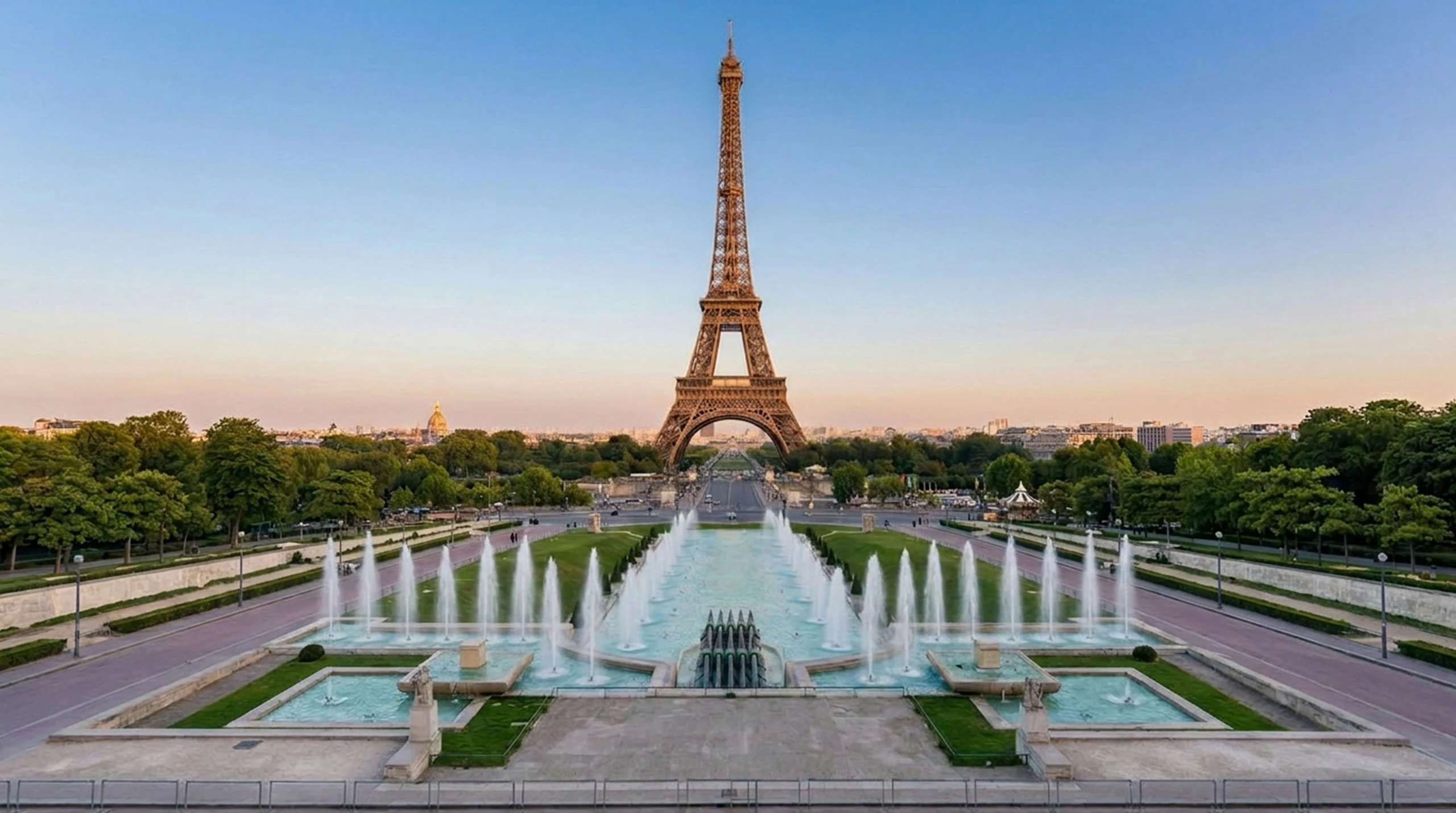
On New Year's Eve, crowds gather along the Champs-Élysées to count down to midnight beneath the Arc de Triomphe. Since 2014, the monument has come alive on New Year's Eve with a video-mapping light show projected onto its facades, followed at the stroke of midnight by fireworks and a burst of celebration as the new year begins. The avenue is closed to traffic for the evening, and the festive atmosphere is open to all, although security checks at the entrances and dense crowds call for patience and light bags. Many visitors prefer to dine at a restaurant first, or to see in the year on a Seine cruise, before heading up the avenue. The celebration is also broadcast live on French television.
Accommodation and hotel options in Paris
Hotels near the action — festival dates fill up fast, book early for the best rates.
Accommodation and hotel options across Paris, with their prices, are shown by Stay22 as a map and a list. Cookies are used. Your consent is remembered on every page; you can turn it off at any time in the cookie settings.
Event Tours & Cultural Experiences in Paris
Guided experiences around the city's biggest celebrations and events